Sulfur Buckwheat (Eriogonum umbellatum)
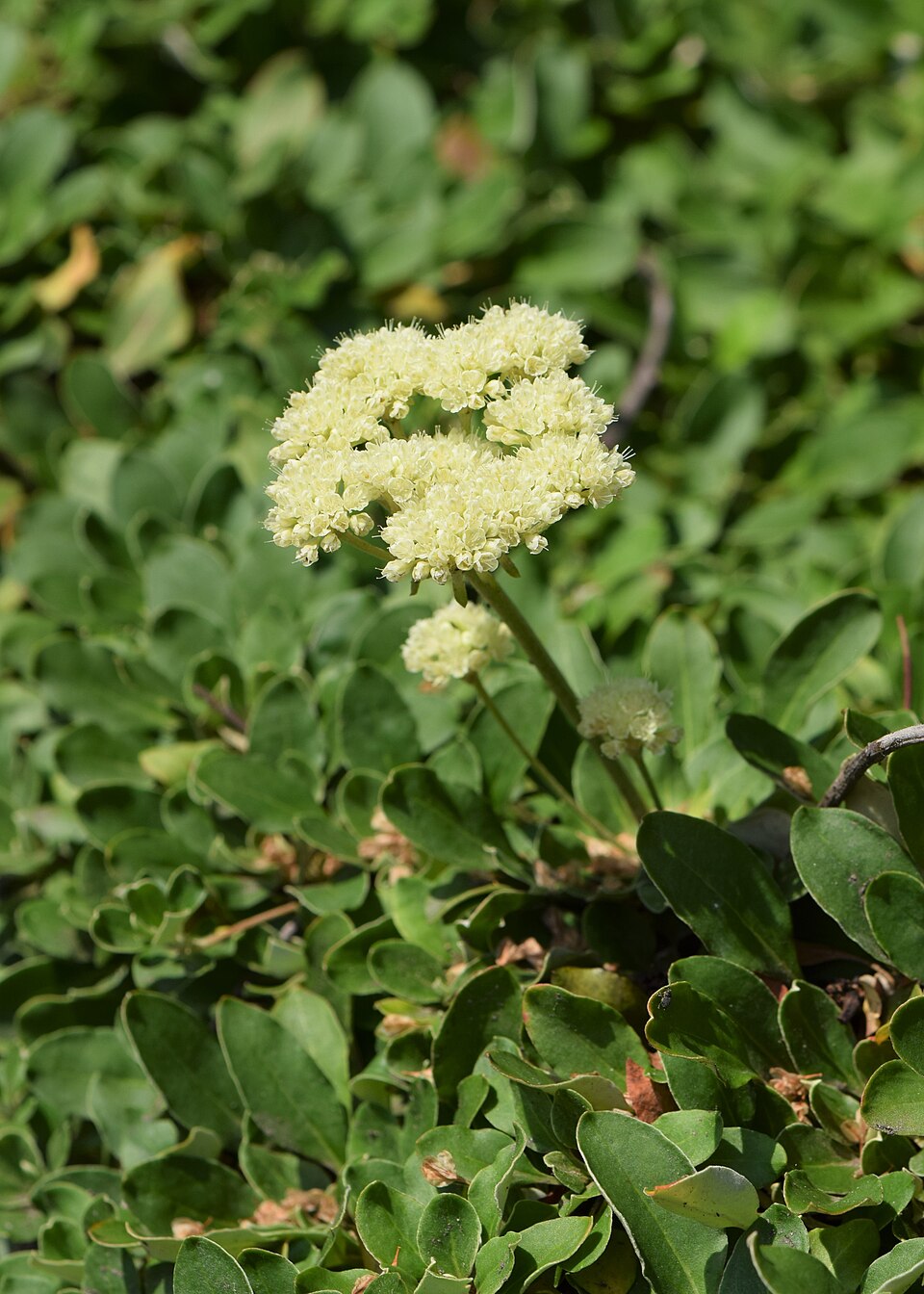
Eriogonum umbellatum, commonly known as Sulfur Buckwheat, Sulfurflower Buckwheat, or Umbrella Plant, is one of the most ecologically important and visually stunning native wildflowers of the western United States. A member of the Polygonaceae (buckwheat) family, it is one of over 250 species in the genus Eriogonum — the largest plant genus endemic to North America, concentrated primarily in the arid and semi-arid western states. Sulfur Buckwheat is distinguished by its bright yellow, sulfur-colored flower clusters (hence the name) that rise above a spreading mat of small, woolly-gray leaves, creating a carpet of gold across rocky mountain slopes and high desert flats.
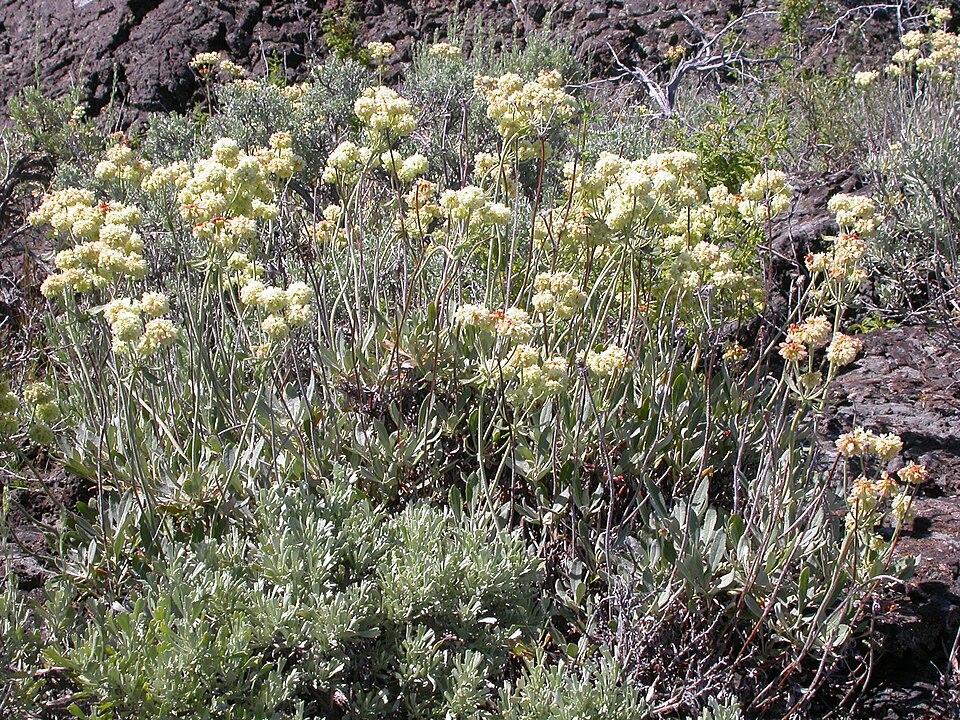
Growing only about 1 foot tall but spreading 1–2 feet wide, Sulfur Buckwheat is a semi-woody, mat-forming perennial that forms extensive colonies on rocky, well-drained slopes, talus fields, sagebrush flats, and subalpine ridges across the western mountains. It blooms in late spring to early summer, typically June–August depending on elevation, producing flat-topped umbels (clusters) of tiny yellow flowers that age to reddish-orange or rust — creating a striking color transition visible across mountain hillsides. The plant is a cornerstone species for native bee pollinators in the Intermountain West, supporting extraordinary species diversity of native bees that depend on Eriogonum flowers for nectar and pollen.
Sulfur Buckwheat is exceptionally adaptable to dry, rocky, infertile soils and full sun exposure — conditions that many garden plants cannot tolerate. Its drought tolerance, low profile, year-round evergreen foliage (in mild conditions), multi-season color interest (yellow flowers in summer, rust-orange seed heads in fall, reddish winter foliage), and extraordinary wildlife value make it one of the most recommended native groundcover plants for dry western gardens, xeriscape plantings, and rock gardens in the Intermountain West.
Identification
Sulfur Buckwheat is a low, spreading semi-woody perennial with a woody root crown and multiple branching stems that form a compact mat or mound. The overall height is about 8–12 inches (occasionally taller), with a spread of 12–24 inches. The plant varies considerably across its enormous range and numerous subspecies, but the typical form features gray-green mat foliage and bright yellow flowers.
Leaves
The leaves are simple, alternate to basal, small (½ to 1 inch long), oval to spatula-shaped, and covered with dense, white, woolly hairs — giving the foliage a soft gray-green to silvery appearance that is distinctive and attractive even when the plant is not in bloom. The stems are also often woolly, particularly when young. The semi-evergreen foliage often takes on reddish or bronzy tones in fall and winter, providing additional seasonal color interest. New spring growth emerges as fresh, soft gray-green.
Flowers & Fruit
The flowers appear in late spring through summer (June–August at most elevations), borne in flat-topped umbel-like clusters (cymes) on erect to ascending stems that rise 6–12 inches above the foliage mat. Individual flowers are tiny (about ⅛ inch), with six yellow to creamy-yellow tepals arranged in a tight, hairy involucre. The flowers begin bright yellow (sulfur-yellow) and age gracefully to orange-red to rust, so that a single plant in mid-season can show multiple colors simultaneously — yellow buds, bright yellow open flowers, and orange-red aged flowers — creating a visually striking color range. The fruit is a small, three-angled achene (nut) enclosed in the persistent involucre; both fruits and dried flower heads persist into winter, providing wildlife food and structural winter interest.
Quick Facts
| Scientific Name | Eriogonum umbellatum |
| Family | Polygonaceae (Buckwheat / Knotweed) |
| Plant Type | Semi-woody Perennial / Mat-forming Groundcover |
| Mature Height | 1 ft (flowering stems to 12 in; foliage mat lower) |
| Sun Exposure | Full Sun |
| Water Needs | Moderate (drought tolerant once established) |
| Bloom Time | June – August |
| Flower Color | Bright yellow (aging to orange-red) |
| Soil Type | Well-drained to dry; rocky, sandy, or gravelly |
| Deer Resistant | Yes (not a preferred browse species) |
| USDA Hardiness Zones | 3–8 |
Native Range
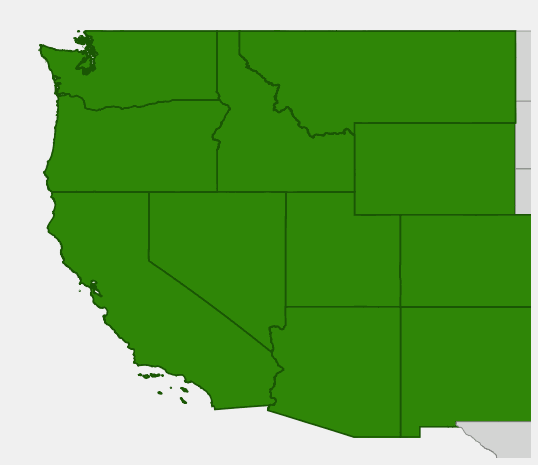
Sulfur Buckwheat has one of the largest native ranges of any Eriogonum species, extending from Washington and Oregon east through Idaho and Montana, south through Wyoming and Colorado, and continuing through Utah, Nevada, California, Arizona, and New Mexico. It grows from relatively low elevations in the Columbia Basin and Snake River Plain up through montane and subalpine zones to nearly 13,000 feet in the southern Rockies. This broad elevational and geographic range has led to the recognition of numerous subspecies and varieties (over 40 have been named), some of which are restricted to specific mountain ranges or habitat types.
Within the Intermountain West, Sulfur Buckwheat is a characteristic and abundant species of sagebrush steppe, rocky mountain slopes, talus fields, open conifer forest edges, and subalpine ridges. It often forms extensive colonies on south- and west-facing slopes where thin, rocky soils and full sun create the conditions it prefers. In the Columbia Plateau of eastern Washington and Oregon, it is one of the most abundant native forbs in the sagebrush-steppe community. At higher elevations in the Rockies and Cascades, it grows on exposed rocky ridges and alpine meadow margins where few other low-growing perennials can survive.
The extraordinary variability of Eriogonum umbellatum across its range reflects tens of thousands of years of local adaptation to diverse climates, soils, and elevations. Different subspecies vary in flower color (from cream to bright yellow to orange), leaf shape and hairiness, plant habit, and phenology. This variation makes Sulfur Buckwheat both a botanical curiosity and a taxonomic challenge — some subspecies may warrant full species status in future revisions. For garden and restoration use, locally sourced plants (matching the subspecies native to your specific region) are most likely to thrive and provide the most authentic ecological value.
📋 Regional plant lists featuring Sulfur Buckwheat: Intermountain West
Growing & Care Guide
Sulfur Buckwheat is one of the most low-maintenance native groundcovers available for dry western gardens. Its needs are simple: full sun, excellent drainage, and restraint with irrigation. Get those right and it thrives for years with essentially no care.
Light
Full sun is essential. Sulfur Buckwheat is a plant of exposed, open habitats — rocky slopes, talus fields, and sagebrush flats — and needs maximum sun exposure to thrive. Even 30–40% shade significantly reduces flowering and causes the plant to become leggy and weak. Site it in the sunniest, most open location available.
Soil & Water
Excellent drainage is the most critical requirement. Sulfur Buckwheat thrives in rocky, sandy, gravelly, or otherwise fast-draining soils with low fertility — the poorer and rockier the better. Heavy clay soils that retain moisture, particularly in winter, will kill the plant quickly. If your soil is clay-heavy, plant Sulfur Buckwheat on a raised berm, in a rock wall, or amend a large area with coarse grit or gravel. Once established, it is highly drought-tolerant and requires minimal to no supplemental irrigation in most of its native range. Overwatering is the most common cause of failure.
Planting Tips
Plant in spring or fall from container stock. Space plants 18–24 inches apart for groundcover use, or use individual specimens as accent plants in rock gardens. Plant slightly high, keeping the crown above the soil level to promote drainage away from the crown. A gravel or crushed-rock mulch around the base (rather than organic mulch) helps ensure crown drainage and mimics the rocky habitat conditions the plant prefers. Sulfur Buckwheat also grows readily from seed — scatter seeds on rocky, bare soil in fall for spring germination.
Pruning & Maintenance
Sulfur Buckwheat requires almost no maintenance. Leave the dried flower heads standing through winter — they provide wildlife food and attractive winter structure. In early spring, trim back the dried seed heads to the foliage mat and remove any dead or damaged stems. Every few years, lightly shear the foliage mat by about one-third after flowering to promote compact growth and rejuvenate the plant. Division is rarely needed and generally not recommended — the deep root system makes division difficult.
Landscape Uses
Sulfur Buckwheat is extraordinarily versatile in dry western landscapes:
- Groundcover for dry, rocky slopes — forms attractive mats that suppress weeds and control erosion
- Rock garden specimen — thrives in the sharp drainage and sun of alpine-style rock gardens
- Xeriscape accent plant — multi-season interest in low-water landscapes
- Native bee garden essential — one of the top pollinator plants for the Intermountain West
- Sagebrush garden companion — perfect partner for sagebrush, rabbitbrush, and other Great Basin natives
- Edge of path planting — low profile and attractive foliage mat along stone paths
Wildlife & Ecological Value
Sulfur Buckwheat is one of the most ecologically important wildflowers in the western United States, supporting an extraordinary diversity of native bees and other pollinators that depend on Eriogonum species for survival.
For Native Bees
Eriogonum umbellatum is a keystone resource for native bees in the Intermountain West. Studies of insect communities in western sagebrush steppe and rocky mountain habitats consistently identify Eriogonum species as among the most bee-visited wildflowers in the ecosystem. Many native bee species are Eriogonum-specialists (oligoleges), collecting pollen almost exclusively from these flowers: at least 4 species in the mining bee genus Andrena, 2 species of Perdita, and several other small native bees are partially or completely dependent on Eriogonum pollen. Large bumble bees, sweat bees, mason bees, and many other generalist native bees also visit the flowers heavily throughout their bloom period.
For Butterflies
Sulfur Buckwheat is a larval host plant for at least eight butterfly species in the western United States, including the Lupine Blue, Boisduval’s Blue, Acmon Blue, Dotted Blue, and several other blue butterflies (family Lycaenidae) that depend specifically on Eriogonum species as larval food plants. The adult butterflies of these same species feed on the nectar of Eriogonum flowers as well. The presence of Sulfur Buckwheat in a garden or restoration planting can dramatically increase butterfly diversity, particularly for the small blue butterflies that are often overlooked but ecologically important.
For Birds
The seeds of Sulfur Buckwheat are consumed by sparrows, juncos, finches, and other seed-eating birds. The dried seed heads persist through fall and winter, providing food when fresh seeds are scarce. The plant’s low, spreading mat provides ground-level cover for birds foraging for insects and seeds in dry habitats.
Ecosystem Role
In the sagebrush steppe and rocky mountain communities where it grows, Sulfur Buckwheat contributes significantly to polinator support, soil stability, and food web structure. Its deep root system helps stabilize thin, rocky soils prone to erosion. As a nurse plant, its low mats provide microhabitat for other small plants and invertebrates. The plant’s role as a keystone pollinator resource means that areas with abundant Sulfur Buckwheat support healthier and more diverse native bee communities — which in turn pollinate other native wildflowers and crops.
Cultural & Historical Uses
Various Eriogonum species were important in the traditional cultures of Indigenous peoples throughout the West, and Sulfur Buckwheat was no exception. The Shoshone, Paiute, and other Great Basin peoples used the roots of Eriogonum species medicinally — particularly for treating headaches, stomach pain, and as a general tonic. Some groups prepared poultices from the roots for external wounds and skin conditions. The seeds of some buckwheat species were ground into flour for bread and mush, though Sulfur Buckwheat seeds are very small and the labor involved in gathering significant quantities was considerable.
The dried stems and seed heads of Eriogonum species were used as dye plants in some traditions, yielding tan and yellow-brown colors. Various Puebloan peoples used certain Eriogonum species in ceremonial contexts. The genus as a whole has received increasing scientific attention for the diverse array of flavonoids and other bioactive compounds found in the leaves and roots — some with demonstrated anti-inflammatory and antimicrobial activity — which may explain the widespread traditional use of buckwheats in Native American medicine.
In modern horticulture and restoration ecology, Sulfur Buckwheat has gained increasing recognition as one of the most valuable and ecologically important native plants for western landscapes. Numerous cultivated selections and subspecies are available from the horticultural trade, including ‘Shasta Sulfur’ (a compact, vigorous form), var. aureum (the golden-flowered variety), and var. polyanthum (a tall, many-flowered variety). For ecological authenticity and best garden performance, regionally sourced plants of the naturally occurring subspecies for your area are most appropriate.
Frequently Asked Questions
Is Sulfur Buckwheat the same as wild buckwheat?
“Wild buckwheat” is a broad term used for many Eriogonum species. Sulfur Buckwheat specifically refers to Eriogonum umbellatum, one of the most common and widespread species. It is not related to the cultivated grain buckwheat (Fagopyrum esculentum), though both are in the Polygonaceae family. The “buckwheat” name comes from the resemblance of the small three-sided seeds to beechnut fruits (Dutch: boekweit).
Why is it called “Sulfur” Buckwheat?
The name refers to the distinctive bright yellow color of the flowers — a yellow reminiscent of sulfur (brimstone). The color can range from pale cream-yellow to intense golden yellow to almost orange, depending on the variety or subspecies, but is typically described as “sulfur-yellow” — a warm, somewhat greenish yellow that stands out vividly against gray-green foliage and rocky terrain.
Can Sulfur Buckwheat grow in clay soil?
Not reliably. Sulfur Buckwheat requires very well-drained soil and will not tolerate clay or compacted soils that retain moisture. If your garden has clay soil, plant it on a raised berm or mound with added coarse grit, or in a rock wall crevice. Container growing in a very gritty, fast-draining mix is also successful for gardens with poor drainage.
When does Sulfur Buckwheat bloom?
Bloom time varies with elevation and location: in low-elevation Columbia Basin and Snake River Plain sites, blooming begins in May–June; at mid-mountain elevations (5,000–8,000 ft), typically June–July; in subalpine zones (8,000–12,000 ft), July–August. The extended bloom period across elevations makes Sulfur Buckwheat a valuable pollinator resource from late spring through late summer in mountain landscapes.
How do I use Sulfur Buckwheat as a groundcover?
Space plants 18–24 inches apart in full sun with excellent drainage. Plants spread slowly to form a continuous mat over 3–5 years. Initially, the spaces between plants can be filled with a 2-inch layer of gravel mulch to suppress weeds. Avoid organic mulches, which retain moisture around the crown. Once established, the mat is relatively weed-resistant and requires only minimal annual trimming of dead flower stems.