Summer Lupine (Lupinus formosus)
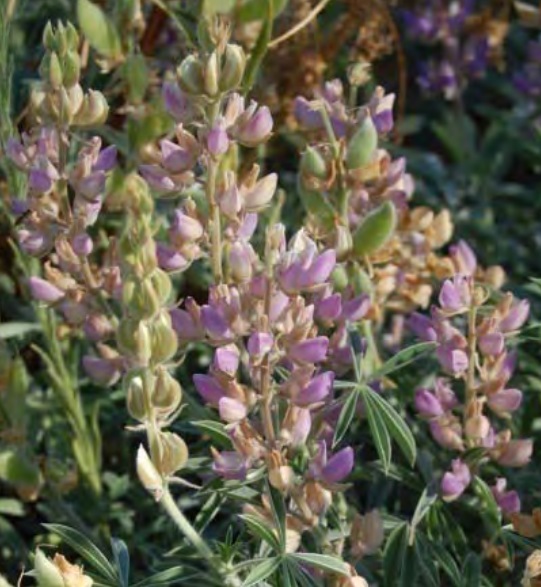
Lupinus formosus, commonly called summer lupine, is a native California perennial wildflower in the pea family, notable among the state’s many lupines for its distinctive late-season bloom. While most California lupines flower in spring, summer lupine often continues into summer and even early fall, offering a valuable late source of lavender-purple color and pollinator forage when many other wildflowers have finished for the year.
Summer lupine grows across a remarkably broad range of elevations and habitats in California, from foothill woodland and chaparral to valley grassland and montane coniferous forest, favoring dry, often clay soils. It is a true herbaceous perennial that dies back to its rhizomatous root system each winter and resprouts reliably each spring, unlike the many showy annual lupines that complete their life cycle in a single season and must regrow from seed.
For California gardeners, summer lupine is a long-lived, low-maintenance native that extends the lupine bloom season well past spring. Its spreading rhizomes allow it to form slowly expanding colonies over time, making it a good choice for naturalistic plantings, pollinator gardens, and dry slopes where its extended flowering period is especially valuable.
Identification
Summer lupine is an upright to somewhat sprawling herbaceous perennial, typically 1 to 2.5 feet (30–75 cm) tall, spreading slowly over time by rhizomes to form loose colonies rather than remaining a single isolated clump.
Leaves & Stems
Like other lupines, summer lupine has distinctive palmately compound leaves, with 6 to 9 narrow leaflets radiating from a central point on each leaf stalk, giving the foliage a hand-like or umbrella-like appearance. The leaves and stems are typically covered in fine, silvery-gray hairs, an adaptation that helps the plant conserve moisture in its dry, often sunny habitats.
Flowers
Flowers are the classic pea-family shape — a banner petal, two wing petals, and a keel — arranged in whorled clusters along an upright flowering spike (raceme) 4 to 10 inches (10–25 cm) long. Flower color is typically lavender to purple, sometimes with a contrasting white or yellowish patch on the banner petal. The key identifying trait of summer lupine is its bloom timing: while most California lupines finish flowering by late spring, summer lupine often continues blooming into summer and occasionally early fall, especially at higher elevations or in cooler microclimates.
Fruit & Seeds
After flowering, each flower develops into a small, hairy, pea-like pod that dries and splits open to release several hard seeds. Like many lupines, the seeds can remain viable in the soil for years, and established plants also persist and spread vegetatively through their rhizomes, so a population can increase in area even without heavy seedling recruitment.
Quick Facts
| Scientific Name | Lupinus formosus |
| Family | Fabaceae (Pea/Legume) |
| Plant Type | Herbaceous Perennial Wildflower |
| Mature Height | 1–2.5 ft (30–75 cm) |
| Mature Spread | 1–3 ft (30–90 cm), slowly expanding by rhizome |
| Growth Rate | Moderate |
| Sun Exposure | Full Sun to Partial Shade |
| Water Needs | Low to Moderate |
| Soil Type | Well-drained; clay, loam, or gravelly |
| Soil pH | 6.0–7.5 (neutral) |
| Bloom Time | May – September |
| Flower Color | Lavender to purple |
| Fall Color | None; dies back to roots in winter |
| Fruit | Small hairy pea-like pod |
| Deer Resistant | Moderate (foliage can be toxic if consumed in quantity) |
| USDA Hardiness Zones | 7–10 |
Native Range
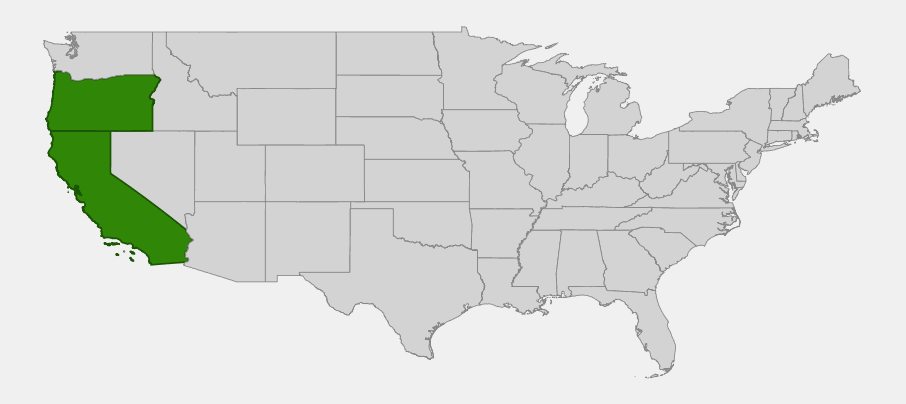
Summer lupine is native to California, where it is widespread across the northern, central, and southern parts of the state, and its range extends into the extreme southwestern corner of Oregon near the California border. It is one of the more elevationally versatile California lupines, occurring from near sea level up to nearly 9,800 feet (3,000 m) in the Sierra Nevada and other mountain ranges.
Across this broad range, summer lupine grows in a wide variety of plant communities: foothill woodland, chaparral, valley grassland, yellow pine and red fir forest, lodgepole pine forest, and subalpine forest, generally favoring dry, often clay-based soils in open to lightly shaded sites. This habitat flexibility, combined with its unusually long bloom season, makes it one of the more adaptable and widely encountered lupines in California wildlands.
Because its confirmed native range outside California is limited to a small area of extreme southwestern Oregon, gardeners elsewhere in the Pacific Northwest should treat summer lupine as a California specialty rather than a regionally native plant for their area.
📋 Regional plant lists featuring summer lupine: California & Nevada · Western Oregon & Western Washington
Growing & Care Guide
Summer lupine is a rewarding perennial for California gardeners who want a true native lupine that keeps blooming after the spring wildflower rush has ended.
Light
Full sun produces the most robust growth and heaviest flowering, matching its open woodland and grassland habitat. It also tolerates partial, dappled shade, especially under an open oak or pine canopy similar to the foothill woodland where it grows wild.
Soil & Water
Summer lupine is adaptable to clay, loam, or gravelly soils as long as drainage is reasonable, and like most lupines it does not need or want rich, heavily fertilized garden soil — in fact, as a legume, it fixes its own nitrogen through root nodules. Water regularly to establish new plants, then taper off; established summer lupine is drought-tolerant and generally needs only occasional deep watering through the dry season to keep its extended bloom going into summer.
Planting Tips
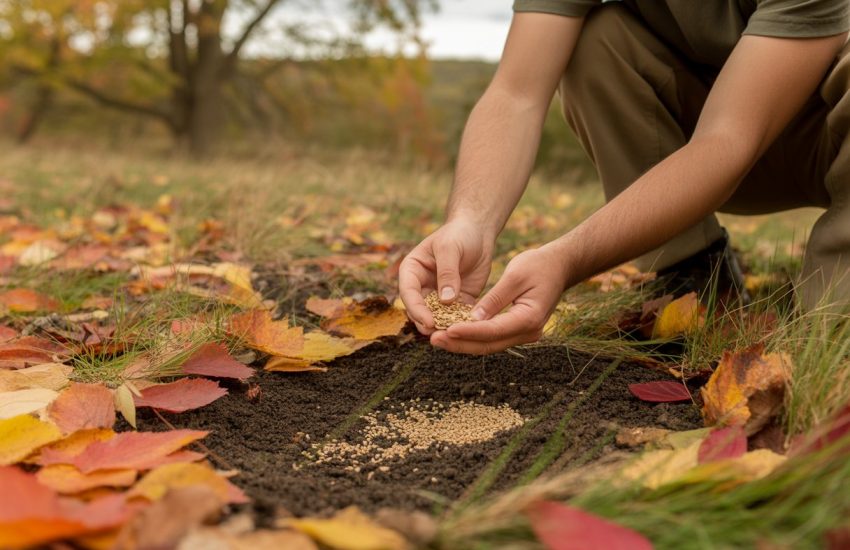
Plant from containers in fall or early spring, or sow pre-scarified seed directly in fall to mimic natural germination after the seed coat has weathered over a dry summer. Choose a well-drained site, since lupines are prone to root rot in soils that stay soggy. Give plants room to spread, since established colonies slowly expand outward by rhizome over several years.
Pruning & Maintenance
Cut the plant back to the ground once it has died back for the winter; it will resprout reliably from its rhizomatous roots the following spring. Deadheading spent flower spikes during the growing season can encourage additional bloom and tidy the plant’s appearance, though it is not strictly necessary. Summer lupine is otherwise low-maintenance once established.
Landscape Uses
Summer lupine works well in several California garden settings:
- Dry slopes and foothill gardens that mimic its natural habitat
- Pollinator gardens extending lupine bloom into summer and fall
- Naturalistic plantings under open oak or pine canopy
- Nitrogen-fixing companion plant in mixed native borders
- Erosion control on dry, sunny banks once established
Wildlife & Ecological Value
Summer lupine’s extended bloom season makes it an especially valuable native plant for pollinators during the lean months of late summer, when many other California wildflowers have already finished flowering.
For Pollinators
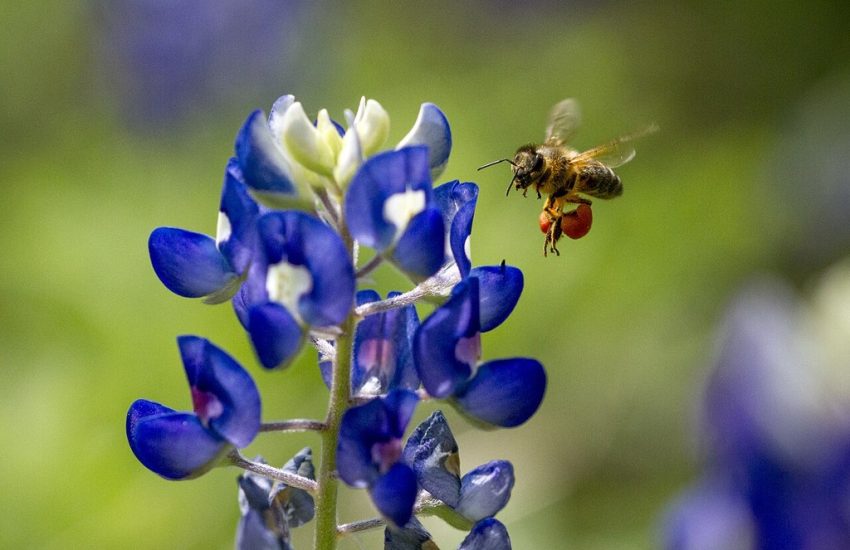
The flowers attract bumblebees, native solitary bees, and occasionally butterflies, which work the pea-shaped flowers for nectar and pollen. Because so few native California wildflowers bloom through summer and into fall, summer lupine’s extended flowering period makes it a disproportionately important late-season resource for pollinators building up reserves before winter.
For Birds & Mammals
Seed-eating birds forage on the pea-like seeds released from dry pods in late summer and fall. Deer and other browsers may eat the foliage occasionally, though lupine foliage contains alkaloid compounds that can be toxic in large quantities, which generally limits heavy browsing pressure.
Ecosystem Role
As a member of the pea family, summer lupine fixes atmospheric nitrogen through bacteria in its root nodules, enriching the soil around it and benefiting neighboring plants in foothill woodland and chaparral communities. Its rhizomatous spread also helps stabilize soil on the dry, often erosion-prone slopes where it commonly grows.
Cultural & Historical Uses
Summer lupine belongs to the large and diverse genus Lupinus, long recognized across California’s foothill and mountain regions for both its ecological value and its role as an indicator of healthy, undisturbed woodland and chaparral habitat. Like most lupines, its seeds and foliage contain alkaloid compounds, and the species has not been documented as a significant food plant; lupine foliage and seeds should not be consumed, as many species in the genus are toxic to people and livestock if eaten in quantity.
Botanists and naturalists have long noted summer lupine’s distinctive late bloom period relative to its relatives, and the species has served as a useful reference point in field guides and regional floras for distinguishing it from the many other lupines native to California’s foothills and mountains.
Today, summer lupine’s main cultural significance is horticultural and ecological: native plant nurseries in California increasingly offer it for gardens seeking extended-season native bloom, and its nitrogen-fixing ability makes it a valued component of habitat restoration plantings on degraded foothill and chaparral sites.
Frequently Asked Questions
Why is it called “summer lupine”?
Unlike most California lupines, which bloom in spring, Lupinus formosus often continues flowering into summer and sometimes early fall, especially at higher elevations, which gives the species its common name.
Is summer lupine an annual or a perennial?
It is a true herbaceous perennial that dies back to its rhizomatous roots each winter and resprouts in spring, unlike many of the showy annual lupines that must regrow from seed every year.
Are lupine seeds or foliage edible?
No. Lupine seeds and foliage, including summer lupine, contain alkaloid compounds that can be toxic to people and livestock if eaten in quantity. They should not be consumed.
How much water does summer lupine need?
Established plants are drought-tolerant and need only occasional deep watering through the dry season. Regular water during establishment helps new plants develop a strong root system before their first summer.
Will summer lupine spread in my garden?
Yes, slowly. It spreads by rhizome to form loose colonies over several years, though it is not aggressive or difficult to contain with occasional trimming of the colony’s edge.

Looking for a nursery that carries summer lupine?
Browse our native plant nursery directory: California · Oregon