Texas Kidneywood (Eysenhardtia texana)
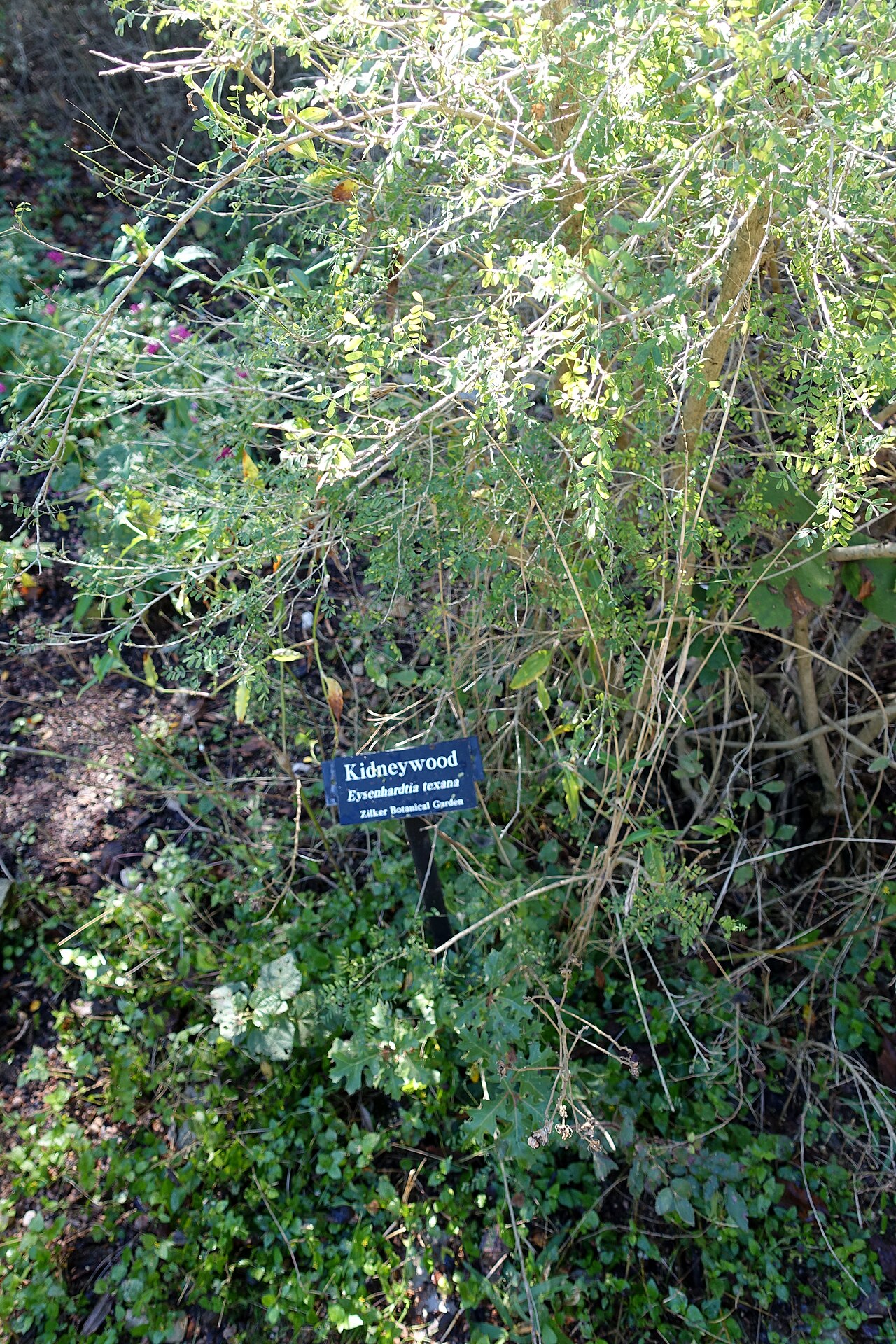
Eysenhardtia texana, commonly known as Texas Kidneywood, is a thornless, deciduous shrub native to South and Central Texas, prized for two qualities that set it apart from almost every other native plant in its range: finely divided, citrus-scented foliage and spikes of intensely fragrant white flowers that bloom, sometimes repeatedly, from late spring through fall. A member of the legume family (Fabaceae), Texas Kidneywood is an unarmed, open, airy shrub that fits comfortably into both formal and naturalistic gardens — a rarity among South Texas brush-country natives, many of which carry thorns.
Texas Kidneywood’s bloom habit is distinctive: rather than flowering once in spring, it produces its slender, upright spikes of tiny white flowers in flushes throughout the warm season, often triggered by rainfall after dry spells. Each bloom period fills the surrounding air with a sweet, honey-like fragrance that draws in bees and butterflies in impressive numbers, and the finely divided, pinnately compound leaves release a fresh, citrusy scent when brushed or crushed, adding a sensory dimension few other native shrubs offer.
For gardeners across South and Central Texas looking for a low-water, pollinator-friendly native shrub that blooms through the hottest months rather than just in spring, Texas Kidneywood is one of the best-kept secrets among Texas natives — unassuming in form, but outsized in fragrance and wildlife value.
Identification
Texas Kidneywood is a multi-branched, deciduous shrub reaching 3 to 10 feet tall, with an open, airy structure rather than a dense, twiggy habit. It is unarmed — unlike many of its South Texas brush-country neighbors, it has no thorns or spines, making it easy to work around and plant near walkways.
Leaves
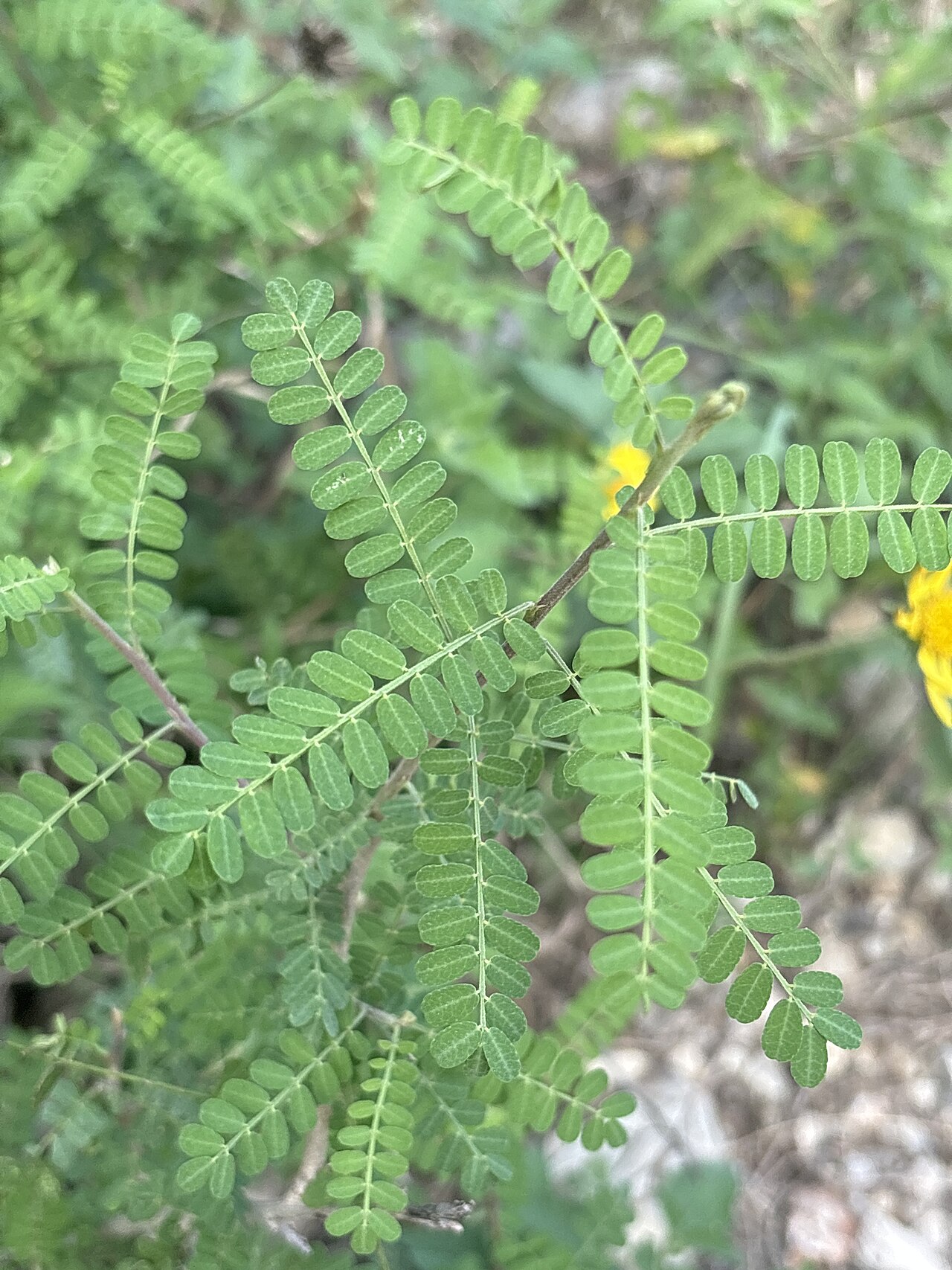
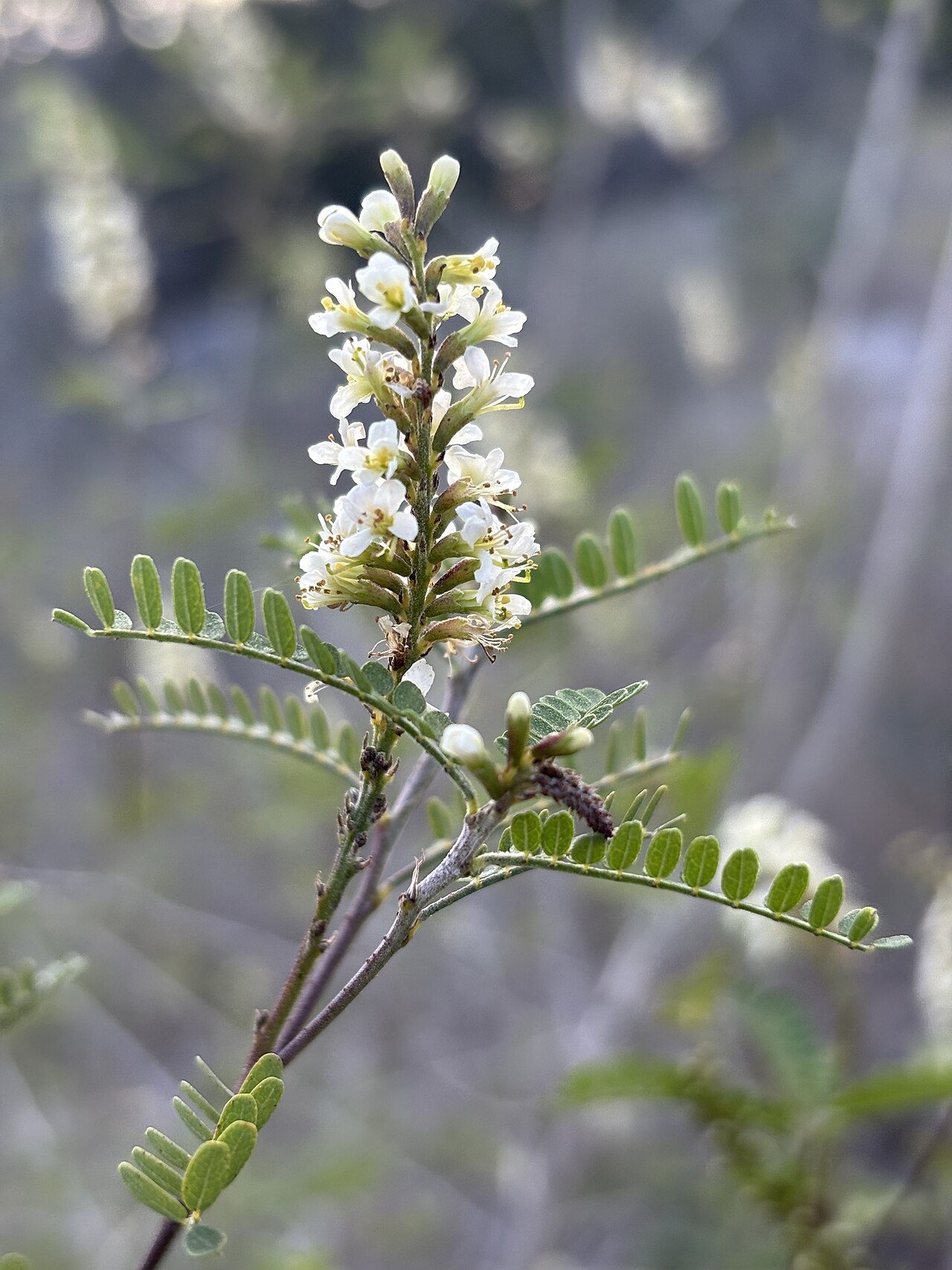
Leaves are pinnately compound, up to about 3½ inches long, divided into numerous small, narrow leaflets arranged along a central stalk, giving the foliage a fine, fern-like or lacy texture. The leaves are gland-dotted and aromatic, releasing a distinctive citrus-like fragrance when crushed — a useful field identification trait when the plant is not in flower.
Flowers & Fruit
Flowers are small, white, and borne in dense, upright, elongated spikes at the branch tips. They are intensely fragrant, with a sweet scent often compared to honey or vanilla, and they attract bees, butterflies, and other pollinators in large numbers whenever they are open. Texas Kidneywood blooms intermittently from late spring through fall, with flushes frequently triggered by rain following dry periods — a useful adaptation to the unpredictable rainfall of South Texas brush country. The fruit is a small, flattened, single-seeded legume pod that matures in the fall.
Quick Facts
| Scientific Name | Eysenhardtia texana |
| Family | Fabaceae (Legume/Pea) |
| Plant Type | Deciduous Shrub |
| Mature Height | 3–10 ft |
| Mature Spread | 4–8 ft |
| Growth Rate | Moderate |
| Sun Exposure | Full Sun to Part Shade |
| Water Needs | Low; excellent drought tolerance once established |
| Soil Type | Rocky, caliche, or sandy, well-drained soils |
| Soil pH | Neutral to alkaline (7.0–8.5) |
| Bloom Time | Late spring through fall, in flushes after rain |
| Flower Color | White, intensely fragrant |
| Fruit | Small, flattened legume pods |
| Deer Resistant | Good |
| USDA Hardiness Zones | 8–10 |
Native Range
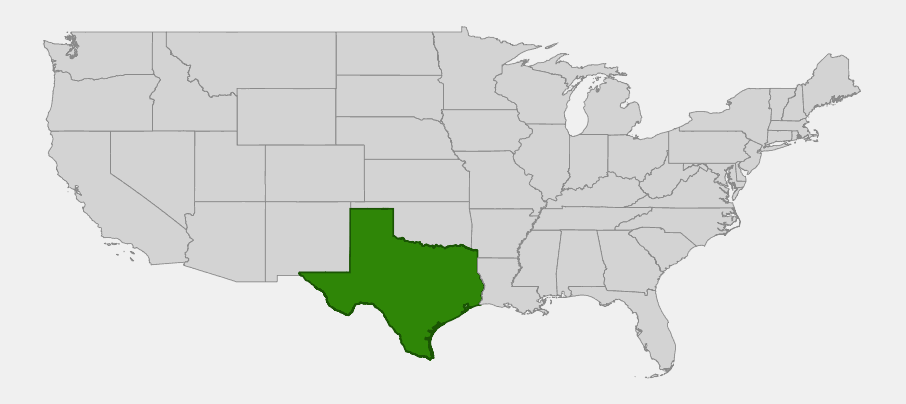
Texas Kidneywood is native to South and Central Texas, with its range extending from the Rio Grande Plains and South Texas brush country north into the Edwards Plateau and west toward the Trans-Pecos, continuing south into adjacent northeastern Mexico. It is absent from the humid pine forests of East Texas and from the High Plains of the Panhandle.
Within its native range, Texas Kidneywood grows on dry, rocky, well-drained sites — caliche slopes, limestone outcrops, and sandy or gravelly soils in open brush, savanna, and woodland edges. It is a common, if often overlooked, component of South Texas brush country and Hill Country plant communities, where its unarmed, open form contrasts with the thornier shrubs that typically dominate those habitats.
Texas Kidneywood’s native distribution is confined to Texas (and adjacent Mexico), so gardeners elsewhere in the country should regard it as a regionally adapted ornamental rather than a native species for their own area.
📋 Regional plant lists featuring Texas Kidneywood: South and West Texas
Growing & Care Guide
Texas Kidneywood is an easy, low-fuss native shrub for gardeners willing to give it the sharp drainage and sun exposure it enjoys in the wild.
Light
Plant in full sun for the heaviest bloom and most compact form, though Texas Kidneywood also tolerates part shade, where it tends to grow slightly taller and more open while still flowering reliably.
Soil & Water
This shrub thrives in rocky, caliche, or sandy soils with excellent drainage and shows strong drought tolerance once established, needing supplemental water mainly during its first one to two growing seasons. Because its bloom cycles are often triggered by rainfall, occasional deep watering during a long dry spell can encourage an extra flush of its fragrant flowers, though the plant does not require this to survive. Good drainage matters more than soil fertility — avoid heavy, poorly drained clay.
Planting Tips
Set out container-grown plants in fall or early spring. Space plants 4 to 6 feet apart for a loose, informal hedge or massed planting, or use singly as an accent near seating areas and walkways where its fragrance and the pollinator activity it draws can be enjoyed up close.
Pruning & Maintenance
Texas Kidneywood responds well to light shaping in late winter, which can encourage denser growth and more flower spikes. Because flowering occurs on new growth throughout the warm season, pruning does not need to be timed around a single bloom period the way it would for strictly spring-flowering shrubs. The plant is generally untroubled by pests or disease in well-drained soil.
Landscape Uses
Texas Kidneywood earns a place in several kinds of South and Central Texas gardens:
- Pollinator gardens — among the best native nectar plants for bees and butterflies through the warm season
- Fragrance gardens — plant near patios, windows, or walkways to enjoy the honey-like scent
- Xeriscaping and low-water landscape design
- Informal hedges or screens using its naturally airy, thornless form
- Wildlife gardens — host plant for the Dogface Butterfly and nectar source for many others
Wildlife & Ecological Value
Few South Texas shrubs match Texas Kidneywood’s value to pollinators across such a long stretch of the growing season.
For Pollinators
The fragrant white flower spikes are a magnet for honeybees, native bees, and butterflies throughout the warm months, with activity often surging within days of a bloom flush opening after rain. Texas Kidneywood also serves as a larval host plant for the Southern Dogface butterfly (Zerene cesonia), whose caterpillars feed on its foliage.
For Birds & Other Wildlife
The dense insect activity the flowers attract makes Texas Kidneywood a valuable foraging stop for insect-eating birds, while the shrub’s open branching provides cover without the dense thorniness of many brush-country natives, making it easier for small wildlife to move through.
Ecosystem Role
As a nitrogen-fixing legume, Texas Kidneywood contributes to soil fertility in the often nutrient-poor caliche and limestone soils where it grows, benefiting neighboring plants over time. Its long, rain-triggered bloom cycle also helps sustain pollinator populations through the gaps between the more concentrated spring and fall blooms of many other South Texas natives.
Cultural & Historical Uses
The genus name Eysenhardtia and the common name “kidneywood” both trace back to historical medicinal use: related species in the genus, particularly Mexican Kidneywood (Eysenhardtia polystachya), were used in traditional Mexican herbal medicine, where infusions of the wood were associated with treatment of kidney and urinary complaints — the origin of the English common name applied across the genus, including Texas Kidneywood. This history is worth noting as background, not as a recommendation; any traditional medicinal use of the plant is a matter of historical ethnobotany, not a basis for self-treatment.
Beyond its medicinal namesake, Texas Kidneywood has long been valued in South Texas for its honey production potential — its abundant, fragrant flowers make it an excellent bee plant, and the resulting honey has a reputation among regional beekeepers for good flavor, though it is not produced at the commercial scale of mesquite or huajillo honey from the same brush country.
In recent decades, as Texas gardeners have increasingly sought out native plants suited to low-water landscaping, Texas Kidneywood has moved from an overlooked brush-country shrub into a genuine nursery favorite, valued specifically for the combination of fragrance, extended bloom, and pollinator traffic it brings to home gardens.
Frequently Asked Questions
Why does Texas Kidneywood bloom at odd times?
Its flowering is often triggered by rainfall rather than strictly by season, which is why established plants may produce flushes of fragrant blooms multiple times between late spring and fall, particularly after rain breaks a dry spell.
Is Texas Kidneywood the same as Mexican Kidneywood?
No, though they are closely related. Mexican Kidneywood (Eysenhardtia polystachya) is a related but distinct, generally larger species found further south and west; Texas Kidneywood (Eysenhardtia texana) is the species native to Texas.
Does Texas Kidneywood have thorns?
No — it is unarmed, which makes it unusual among South Texas brush-country shrubs and easier to plant near paths, patios, and other areas where thorny natives would be impractical.
How much water does Texas Kidneywood need?
Very little once established. Water regularly during the first one to two growing seasons; after that, it is quite drought tolerant, though occasional deep watering during long dry spells can encourage additional bloom flushes.
What pollinators does Texas Kidneywood attract?
Honeybees, native bees, and a range of butterflies are drawn to its fragrant flowers, and it serves as a larval host plant for the Southern Dogface butterfly, making it a strong choice for pollinator and wildlife gardens.

Looking for a nursery that carries Texas Kidneywood?
Browse our native plant nursery directory: Texas