
Thimbleweed (Anemone virginiana)
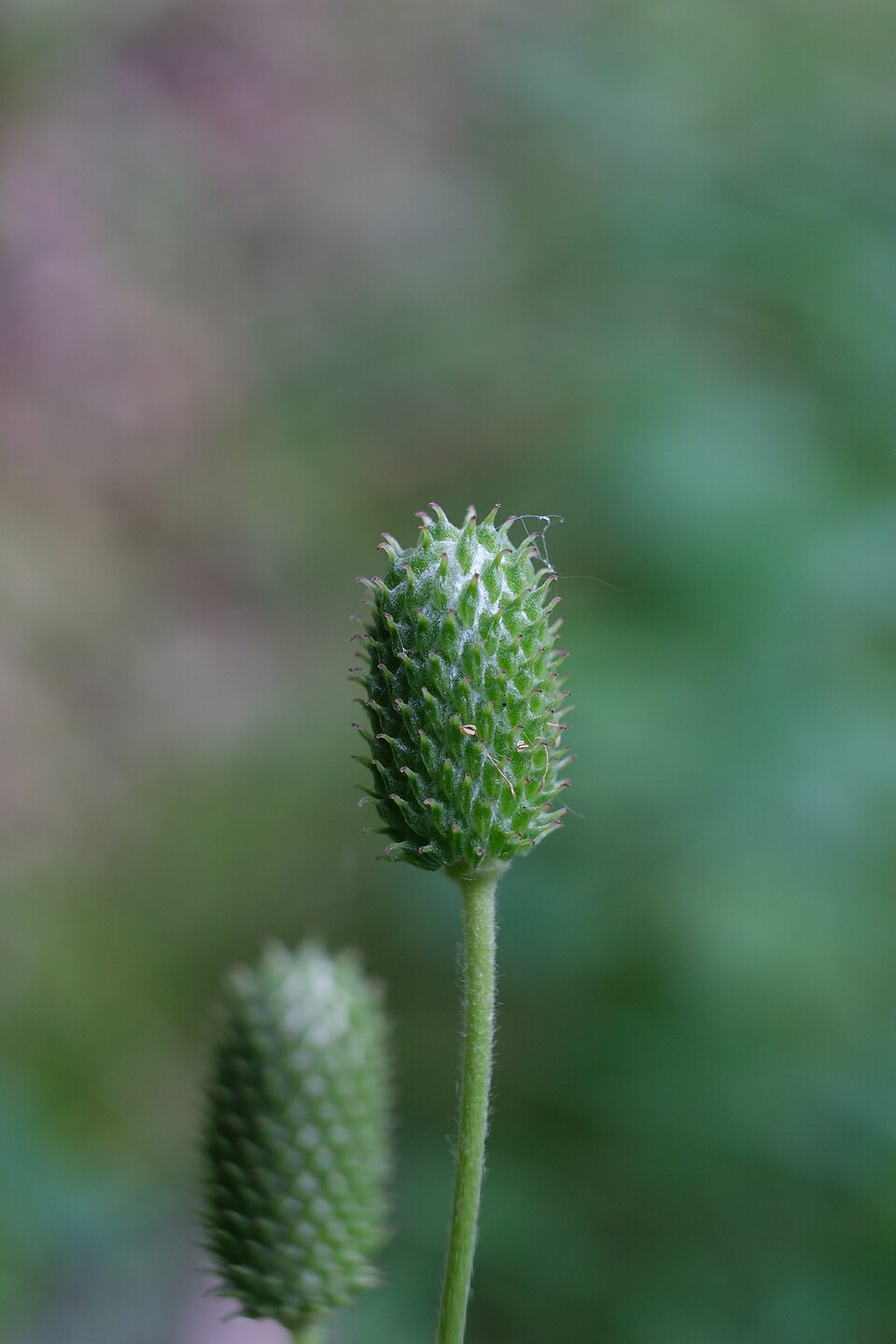
Anemone virginiana, commonly known as Thimbleweed, Tall Thimbleweed, or Virginia Anemone, is a graceful perennial wildflower native to much of eastern and central North America. This member of the buttercup family (Ranunculaceae) gets its common name from the distinctive thimble-shaped seed heads that follow its delicate white flowers — fluffy, cottony structures that persist long after the blooms have faded and provide ornamental interest well into autumn.
Standing 1 to 3 feet tall on sturdy, hairy stems, Thimbleweed produces solitary white flowers from late spring through midsummer, each bloom consisting of five greenish-white sepals (no true petals) surrounding a prominent cluster of golden stamens. The flowers give way to cylindrical seed heads covered in silky white hairs that catch the light beautifully and aid in wind dispersal. These “thimbles” are perhaps even more striking than the flowers themselves, creating dramatic architectural elements in the landscape.
Thimbleweed thrives in woodland edges, prairies, and partially shaded areas with average moisture, making it an excellent choice for native plant gardens, naturalized areas, and wildlife habitats. Its tolerance for both sun and shade, combined with its extended season of interest, makes it a valuable addition to any garden designed to support native ecosystems while providing lasting beauty from spring through fall.
Identification
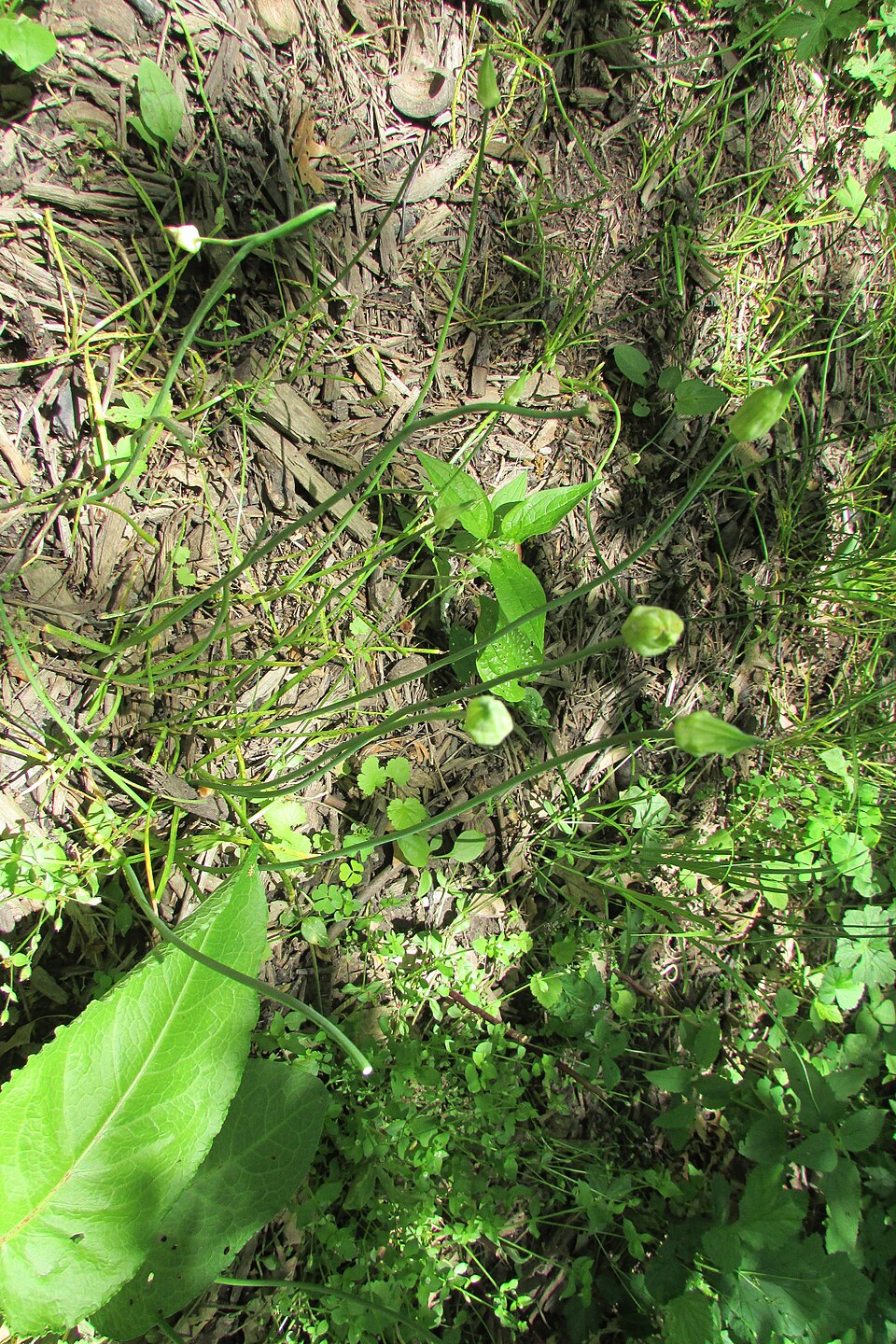
Thimbleweed is an herbaceous perennial that grows 1 to 3 feet tall from a thick rhizome. The plant forms small colonies over time through underground spreading, creating attractive drifts in the landscape. The entire plant is covered in fine, silky hairs that give it a soft, somewhat fuzzy appearance.
Leaves
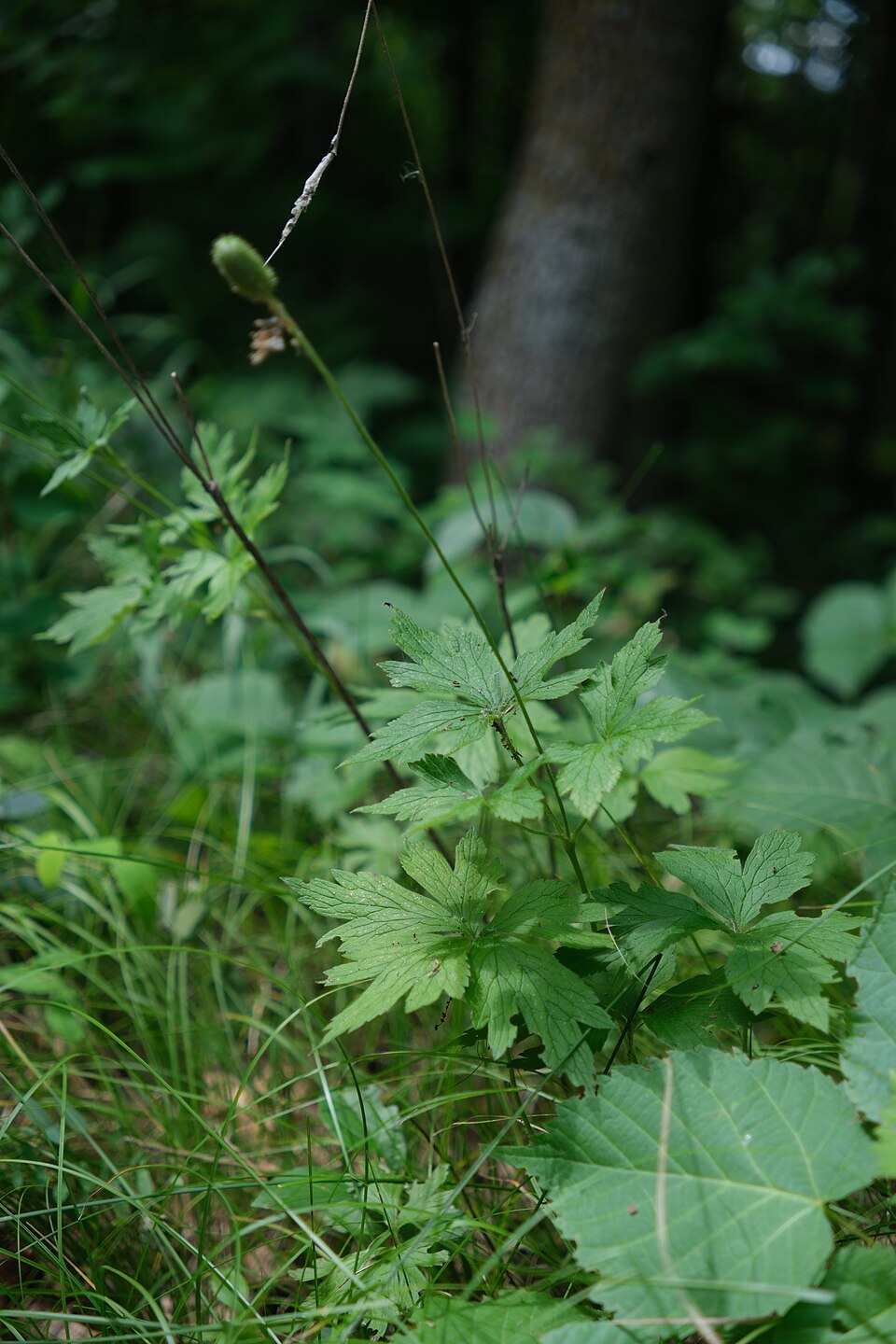
The leaves are deeply palmately divided into 3 to 5 wedge-shaped segments, each segment further divided or lobed with coarsely toothed margins. The basal leaves arise directly from the ground on long petioles, while stem leaves are arranged in whorls of 3 just below the flower. All leaves are covered with fine hairs and have a distinctive soft texture. The foliage remains attractive throughout the growing season, turning yellow-green to brown in autumn.
Flowers
The flowers are produced singly at the tips of branched stems from May through August. Each bloom is 1 to 1½ inches across and consists of 5 greenish-white or pure white sepals that function as petals (true petals are absent). The center features a prominent dome of numerous bright yellow stamens surrounding a green, cone-shaped cluster of carpels. The sepals are often tinged with pink or purple on the undersides, adding subtle color variation.
Fruit
The most distinctive feature of Thimbleweed is its seed head — a cylindrical, thimble-shaped structure ¾ to 1½ inches tall that develops after flowering. Initially green, the seed head matures to a fluffy white or cream-colored mass of individual seeds, each equipped with long, silky hairs that create the cottony appearance. These seed heads persist for months, providing exceptional ornamental value and serving as an important identification feature.
Quick Facts
| Scientific Name | Anemone virginiana |
| Family | Ranunculaceae (Buttercup) |
| Plant Type | Herbaceous Perennial |
| Mature Height | 1–3 ft |
| Sun Exposure | Full Shade |
| Water Needs | Moderate |
| Bloom Time | May – August |
| Flower Color | Greenish-white to white |
| USDA Hardiness Zones | 3–8 |
Native Range
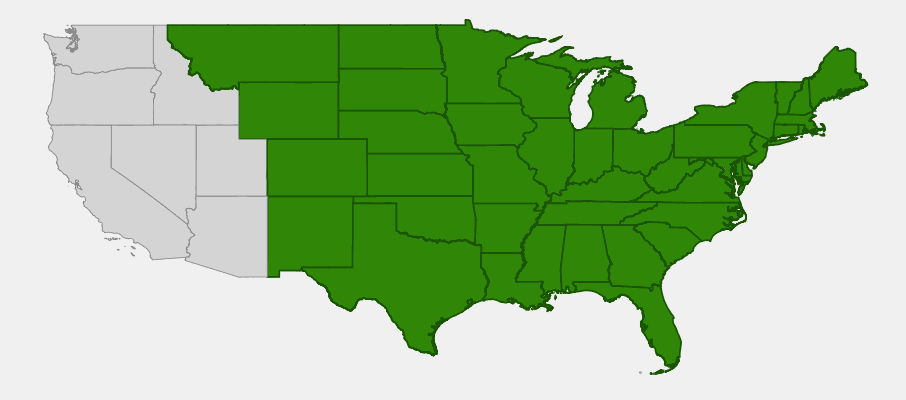
Thimbleweed has one of the most extensive native ranges of any North American wildflower, stretching from southeastern Canada south to the Gulf states and from the Atlantic coast west to the Great Plains. This remarkable distribution reflects the species’ adaptability to diverse climates and growing conditions across much of the continent’s temperate regions.
In the eastern United States, Thimbleweed is found from Maine to northern Georgia, thriving in the varied habitats of the Appalachian Mountains, Piedmont regions, and coastal plains. Westward, its range extends through the Great Lakes region into Minnesota and the Dakotas, and south through the central states to eastern Texas and Louisiana. The species shows remarkable resilience across this broad range, adapting to local conditions while maintaining its essential characteristics.
Throughout its native range, Thimbleweed typically grows in open woodlands, woodland edges, prairies, and meadows with well-drained soils. It’s commonly found in oak-hickory forests, pine-oak woods, and grassland transitions, often growing alongside other native wildflowers like Wild Bergamot, Black-eyed Susan, and various native grasses. The species’ broad ecological tolerance has made it a stable component of many different plant communities across eastern North America.
📋 Regional plant lists featuring Thimbleweed: North Carolina & South Carolina
Growing & Care Guide
Thimbleweed is among the easiest native wildflowers to grow, requiring minimal care once established while providing exceptional ornamental value across multiple seasons. Its adaptability to various growing conditions makes it suitable for both novice and experienced gardeners.
Light
While Thimbleweed can tolerate full sun in cooler climates, it performs best in partial shade to full shade, particularly in warmer regions. In its natural habitat, it’s often found in woodland openings and edges where it receives dappled sunlight. Too much direct sun in hot climates can cause the foliage to wilt and the plant to go dormant early. Morning sun with afternoon shade provides ideal growing conditions.
Soil & Water
Thimbleweed thrives in well-drained soils of average fertility and is quite drought tolerant once established. It prefers slightly acidic to neutral soil (pH 6.0–7.0) but adapts well to various soil types from sandy to clay loam. Consistent moisture is beneficial during the flowering period, but the plant handles dry spells well, making it excellent for low-maintenance landscapes. Avoid soggy or poorly drained soils, which can lead to root rot.
Planting Tips
Plant Thimbleweed in spring or fall, spacing plants 12–18 inches apart to allow for natural spreading. The species can be grown from seed, but germination requires a cold stratification period — sow seeds in fall for spring germination, or cold-treat stored seeds for 60–90 days before spring planting. Container plants establish quickly when planted in early spring or fall. Choose a location where the distinctive seed heads can be appreciated up close.
Maintenance
Thimbleweed requires minimal maintenance. Allow the seed heads to persist through fall and into winter for ornamental interest and to provide food for birds. Cut back the foliage in late winter or early spring before new growth emerges. The plant may self-seed in favorable conditions, creating naturalized colonies over time. Divide clumps every 3–4 years in spring if desired, though this is not necessary for plant health.
Landscape Uses
Thimbleweed’s distinctive appearance and extended season of interest make it valuable in many garden settings:
- Shade gardens — thrives where many perennials struggle
- Woodland gardens and naturalized areas
- Native plant gardens and prairie restorations
- Cut flower gardens — both flowers and seed heads are excellent for arrangements
- Wildlife gardens — seeds feed birds, flowers attract pollinators
- Mixed perennial borders — provides unique texture and form
- Erosion control on slopes with average moisture
Wildlife & Ecological Value
Thimbleweed provides significant ecological benefits throughout its growing season, supporting various wildlife species while contributing to the overall health of native plant communities.
For Birds
The fluffy seed heads are consumed by numerous bird species, particularly finches, sparrows, and juncos, who extract the nutritious seeds from their silky coverings. The persistent seed heads provide food well into fall and early winter when other food sources may be scarce. The plant’s tendency to form colonies creates reliable feeding areas that birds return to year after year.
For Pollinators
Thimbleweed flowers attract a variety of native pollinators, including native bees, syrphid flies, and small beetles. The prominent cluster of stamens provides easily accessible pollen, while the extended blooming period ensures nectar availability throughout much of the growing season. The flowers are particularly valuable for specialist pollinators that have co-evolved with native Anemone species.
For Other Wildlife
Small mammals occasionally browse the foliage, though the plant contains compounds that make it somewhat unpalatable to most herbivores. The dense root system helps prevent soil erosion, while the colonies provide shelter for small ground-dwelling creatures. The plant’s extended presence in the landscape — from spring emergence through winter seed head persistence — offers habitat structure across multiple seasons.
Ecosystem Role
As a native species with such an extensive range, Thimbleweed plays an important role in many different ecosystems. Its ability to thrive in both woodland and prairie habitats makes it a valuable bridge species in transition zones. The plant contributes to soil stabilization through its rhizomatous root system and supports mycorrhizal networks that benefit other plants in the community.
Cultural & Historical Uses
Thimbleweed has a rich history of use by Indigenous peoples across its extensive native range. Many tribes recognized the plant’s medicinal properties and incorporated various parts of the plant into their traditional healing practices. The Cherokee used root preparations to treat wounds and skin conditions, while other tribes employed the plant for digestive ailments and as a general tonic.
The plant’s common names reflect both its distinctive appearance and cultural significance. “Thimbleweed” obviously refers to the cylindrical seed heads that resemble a seamstress’s thimble, while “Tall Thimbleweed” distinguishes it from related shorter species. The genus name Anemone comes from the Greek word for wind, reflecting the wind-dispersed nature of the seeds, while the species name virginiana honors the Virginia colony where early botanists first documented the species.
In folk medicine traditions that developed among European settlers, Thimbleweed was sometimes called “Windflower” and was used similarly to its European relatives for treating headaches and nervous conditions. However, like many members of the buttercup family, all parts of the plant contain compounds that can be toxic if consumed in large quantities, and such uses are not recommended today.
Modern appreciation for Thimbleweed focuses on its ornamental and ecological values. The distinctive seed heads have made it popular in dried flower arrangements and naturalistic garden designs. Native plant enthusiasts particularly value the species for its long season of interest and its ability to attract and support wildlife while requiring minimal maintenance once established.
Frequently Asked Questions
Are Thimbleweed plants toxic?
Like many members of the buttercup family, Thimbleweed contains compounds that can be irritating to skin and toxic if consumed. The plant is generally avoided by livestock and deer, and gardeners should wear gloves when handling it. However, it poses minimal risk in normal landscape use and is safe to grow around children and pets as long as they don’t consume it.
Will Thimbleweed spread aggressively in my garden?
Thimbleweed spreads slowly through underground rhizomes to form modest colonies over time, but it’s not considered aggressive. The spreading is gradual and can be easily controlled by dividing clumps or removing unwanted shoots. In most garden settings, this spreading habit is actually beneficial, creating naturalistic drifts.
When should I cut back Thimbleweed?
Leave the seed heads standing through fall and winter for ornamental value and to provide food for birds. Cut the plant back to ground level in late winter or early spring before new growth emerges. Some gardeners prefer to leave a few seed heads standing into early spring to allow for natural reseeding.
Can I grow Thimbleweed from seed?
Yes, but seeds require cold stratification to germinate. Sow fresh seeds outdoors in fall for natural winter treatment, or collect seeds and give them 60–90 days of cold, moist stratification in the refrigerator before spring sowing. Germination can be sporadic, with some seeds taking up to two years to germinate.
Why isn’t my Thimbleweed flowering?
Insufficient light is the most common cause of poor flowering. While Thimbleweed tolerates shade, it needs at least bright, indirect light to bloom well. Too much nitrogen fertilizer can also promote leaf growth at the expense of flowers. Young plants may also take a year or two to become established before flowering heavily.

Looking for a nursery that carries Thimbleweed?
Browse our native plant nursery directory: North Carolina · South Carolina