Torrey’s Melic (Melica torreyana)
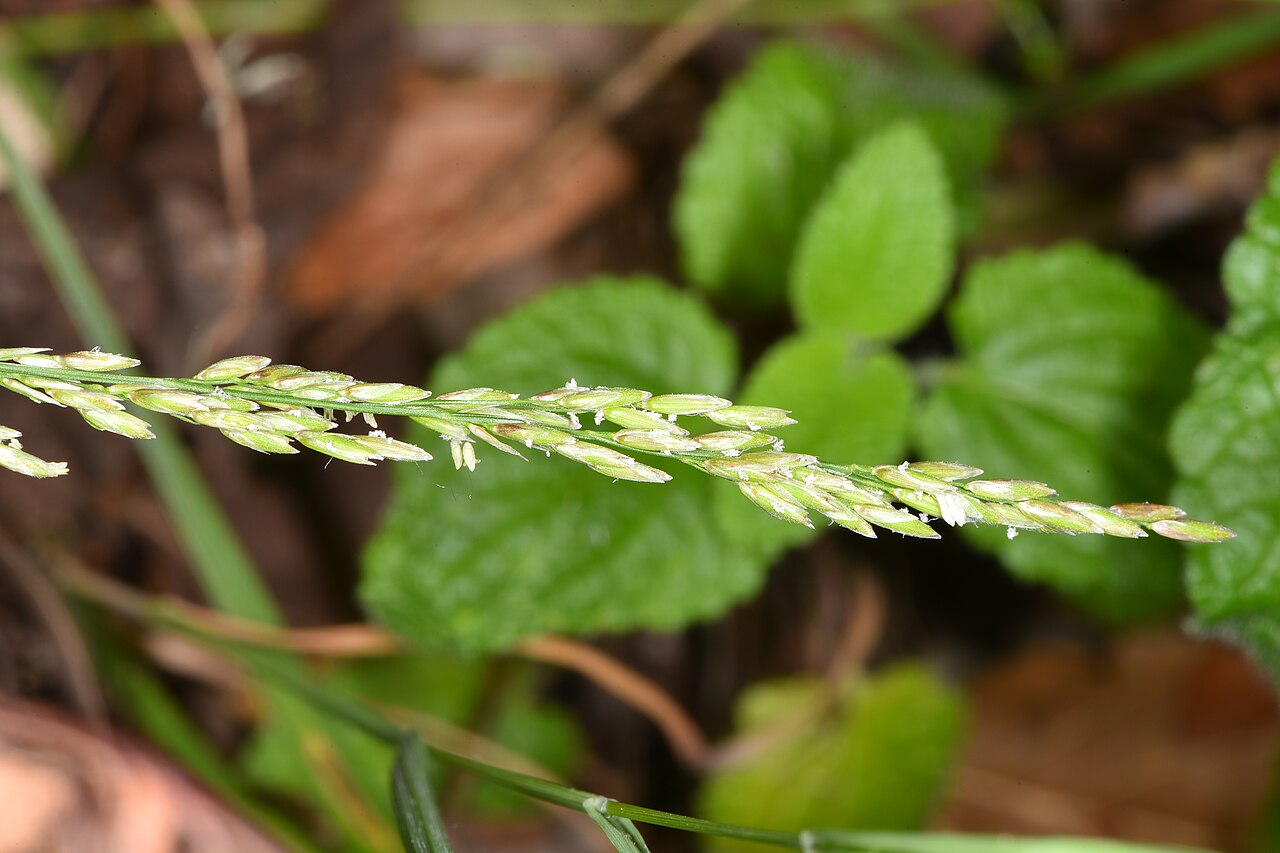
Melica torreyana, commonly called Torrey’s melic or Torrey’s melicgrass, is a fine-textured, clump-forming perennial bunchgrass endemic to California, named for the 19th-century American botanist John Torrey. It grows naturally in the central Coast Ranges and Sierra Nevada foothills, where it is a characteristic member of the shaded understory in oak woodlands, mixed-evergreen forests, and chaparral margins. Its slender habit, shade tolerance, and modest size make it a useful but often overlooked native grass for woodland gardens seeking authentic California plant communities rather than showy ornamental effect.
Torrey’s melic forms small, loose tufts of narrow leaves from which slender flowering stems rise in spring, each bearing a narrow, somewhat nodding panicle of small spikelets. It is easily mistaken for its more widespread relative, coast melic (Melica imperfecta), but tends to favor shadier, moister woodland and forest settings rather than open chaparral and desert-edge habitats. Like other California Melica species, it goes dormant through the dry summer months and resumes growth with the return of fall and winter rains.
Because of its preference for shaded, humus-rich woodland soils, Torrey’s melic is particularly useful for gardeners trying to recreate the native understory beneath California oaks, bays, and conifers — a niche where few showy native grasses perform well. It asks for little beyond the conditions it already prefers in the wild: dappled shade, organic soil, and a dry summer rest.
Identification
Torrey’s melic is a slender, clump-forming perennial grass, generally reaching 1 to 2 feet (30–60 cm) tall in flower, with an overall delicate, understated appearance typical of woodland-floor grasses.
Stems & Leaves
The plant forms small, loosely tufted clumps from a compact base, with narrow, flat leaf blades typically less than ¼ inch (6 mm) wide and a soft green color that can take on a slightly glossy sheen in shaded settings. Stems are thin and smooth, often leaning or arching slightly, especially where the plant grows among leaf litter or taller companion vegetation that provides some structural support.
Flowers (Inflorescence)
The flowering panicle is narrow and somewhat one-sided or nodding, 2 to 6 inches (5–15 cm) long, bearing relatively few spikelets on short branches. Each spikelet contains one or two fertile florets plus the small, club-shaped sterile floret characteristic of the genus Melica. Flowering occurs primarily in spring, from March through May, somewhat earlier than many of its chaparral-dwelling relatives, timed to the forest understory’s brief window of favorable light and moisture before the summer dry season sets in.
Fruit & Seeds
Seed is produced in modest quantity within the persistent floral bracts and sheds as the plant cures to tan through late spring and early summer. Torrey’s melic reproduces primarily by seed and forms slowly expanding clumps over time rather than spreading aggressively, making it well suited to naturalistic woodland plantings where a non-weedy grass is essential.
Quick Facts
| Scientific Name | Melica torreyana |
| Family | Poaceae (Grass) |
| Plant Type | Perennial Bunchgrass |
| Mature Height | 1–2 ft (30–60 cm) in flower |
| Mature Spread | 6–12 in (15–30 cm) |
| Growth Rate | Slow to moderate |
| Sun Exposure | Part Shade to Full Shade |
| Water Needs | Low to moderate once established |
| Soil Type | Humus-rich, well-drained woodland soil |
| Soil pH | 6.0–7.0 (slightly acidic to neutral) |
| Bloom Time | March – May |
| Flower Color | Pale green to straw-colored spikelets |
| Fall Color | Tan as it goes summer-dormant |
| Fruit | Small grain within persistent bracts |
| Deer Resistant | Mostly (low preference forage) |
| USDA Hardiness Zones | 8–10 |
Native Range
Torrey’s melic is endemic to California, found primarily in the central Coast Ranges and the Sierra Nevada foothills, with scattered occurrences in nearby hill and mountain habitats across central California. Unlike its wider-ranging relative coast melic, Torrey’s melic has a more restricted distribution, concentrated in the counties surrounding the San Francisco Bay Area and extending south through the central Coast Ranges and into the Sierra Nevada foothill belt.
Within its range, Torrey’s melic grows in shaded to partly shaded settings: oak woodland and mixed-evergreen forest understories, chaparral margins, and other hillside and mountain habitats, typically from near sea level up to roughly 4,000 feet elevation. It favors the humus-rich, organically enriched soils found under tree canopies, in contrast to the more open, mineral soils favored by many chaparral and desert grass species. It is often found growing alongside other shade-tolerant woodland species, including native ferns, woodland wildflowers, and understory shrubs.
Because Torrey’s melic is more habitat-specific than coast melic, it is best suited to gardens that can offer genuine dappled or filtered shade and organically rich soil — conditions that mimic its native oak woodland and forest-margin habitat rather than open, sunny chaparral slopes.
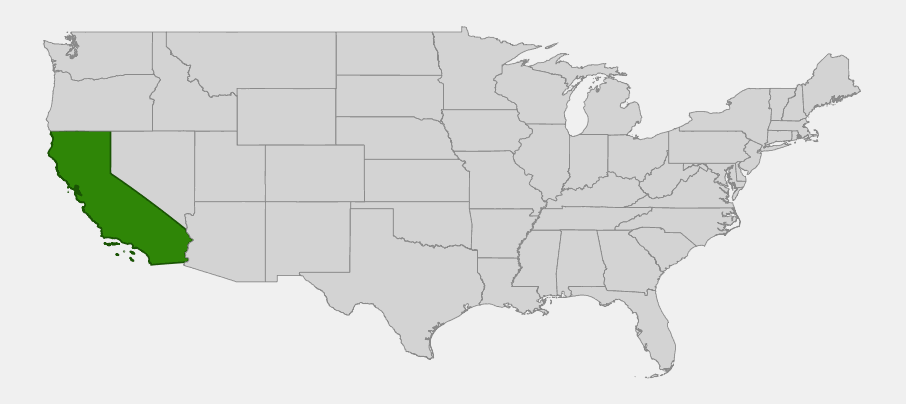
📋 Regional plant lists featuring Torrey’s melic: California & Nevada
Growing & Care Guide
Torrey’s melic rewards gardeners who can offer it the cool, shaded, organically rich conditions of its native woodland habitat — it is not a grass for hot, open, sun-baked sites.
Light
Part shade to full shade suits Torrey’s melic best, mirroring its native oak woodland and forest understory habitat. In cooler coastal gardens it can tolerate more sun, but in hot interior locations it should be planted where it receives protection from intense afternoon sun.
Soil & Water
Provide humus-rich, well-drained soil, ideally amended with leaf litter or compost to mimic the organic forest floor it favors in the wild. Water regularly through the first growing season to establish roots, then reduce to occasional deep watering through the dry season — established plants tolerate some summer drought but look better and persist longer with a little supplemental moisture in hot interior gardens, unlike the more drought-tolerant coast melic.
Planting Tips
Plant from container stock in fall, tucking plants beneath the canopy of existing oaks, bays, or other shade trees where they will receive the dappled light and leaf-litter mulch they prefer. Space plants 10 to 15 inches apart for a naturalistic woodland-floor drift. Avoid planting in open, exposed sites with reflected heat or intense afternoon sun.
Pruning & Maintenance
Little maintenance is required: trim back dried foliage in late summer or early fall if a tidier appearance is desired, or simply leave it through the dormant season for texture and wildlife cover. Torrey’s melic has no significant pest or disease problems and needs no fertilizer when grown in appropriately organic woodland soil.
Landscape Uses
Torrey’s melic fills a specific but valuable niche in native landscaping:
- Oak woodland and forest understory restoration plantings
- Shaded native gardens beneath established trees
- Woodland-edge plantings paired with ferns and shade-tolerant wildflowers
- Naturalistic habitat gardens focused on authentic California plant communities
- Erosion control on shaded slopes where open-ground grasses fail
Wildlife & Ecological Value
As one of the relatively few native grasses adapted to California’s shaded woodland floors, Torrey’s melic plays a quiet but important role in maintaining the structure and diversity of oak woodland and forest-margin plant communities.
For Pollinators
Like other grasses, Torrey’s melic is wind-pollinated and does not provide floral resources for pollinators, but its foliage and flowering stems offer structural habitat and shelter for beneficial insects living within the woodland leaf-litter and herbaceous layer.
For Birds
Small woodland birds, including native sparrows and towhees, forage through the leaf litter and herbaceous layer where Torrey’s melic grows, benefiting indirectly from the seed and insect life its presence helps support within a diverse, native understory.
For Mammals
Small mammals of the forest floor, such as native mice and voles, use grass clumps like Torrey’s melic for cover and foraging within the broader woodland leaf-litter habitat, though the species itself is not a significant food source for larger mammals.
Ecosystem Role
Torrey’s melic is part of a shrinking guild of native perennial understory grasses that once dominated California’s oak woodland floors before widespread conversion to non-native annual grasses. Its presence in a woodland understory is often read by botanists and restoration ecologists as a sign of relatively intact, low-disturbance habitat, since it does not persist well where soils have been heavily compacted, grazed, or invaded by aggressive non-native species. Maintaining and replanting species like Torrey’s melic supports the broader diversity and resilience of California’s oak woodland ecosystems.
Cultural & Historical Uses
Torrey’s melic has no significant documented history of use for food, fiber, or medicine among California’s Indigenous peoples, reflecting both its modest seed yield and its relatively localized distribution compared to more widespread and useful native plant resources. Its value has always been primarily ecological rather than utilitarian.
The species commemorates John Torrey (1796–1873), one of the most influential American botanists of the 19th century, whose extensive work describing and classifying North American flora — often in collaboration with explorers and survey expeditions — shaped the foundations of American botanical science. Numerous California plants bear his name, reflecting his central role in documenting the state’s flora during the era of westward expansion and early botanical exploration.
In recent decades, Torrey’s melic has gained modest attention within the California native plant and restoration communities as awareness has grown of the ecological losses suffered by native woodland understories. Specialty native plant nurseries and restoration projects increasingly include it among the suite of native grasses recommended for authentic oak woodland and forest-margin plantings.
Frequently Asked Questions
How can I tell Torrey’s melic apart from coast melic?
Torrey’s melic tends to favor shadier, moister woodland habitats and has a narrower, more one-sided flowering panicle, while coast melic (Melica imperfecta) tolerates both sun and shade and has a broader range extending into chaparral and desert-edge habitats. In the garden, Torrey’s melic generally wants more shade and richer soil than coast melic.
Does Torrey’s melic need rich soil?
It performs best in humus-rich, organically enriched soil similar to a natural forest floor. While it can tolerate leaner soils, growth and vigor are noticeably better with some organic matter and leaf-litter mulch.
Can Torrey’s melic grow in full sun?
It is not ideal. Torrey’s melic is adapted to shaded woodland understories and generally struggles in full, hot sun, especially in interior California gardens. Reserve full-sun spots for coast melic or other sun-tolerant native grasses instead.
Is Torrey’s melic hard to find at nurseries?
It is less commonly offered than some other California native grasses, owing to its more specific habitat requirements and localized native range. Specialty native plant nurseries, particularly those in the central Coast Ranges and Bay Area, are the most likely sources.
Does Torrey’s melic spread or become weedy?
No. It is a slow-growing, clump-forming bunchgrass that increases gradually through seed rather than aggressive spreading, making it a safe and well-behaved choice for native woodland gardens.

Looking for a nursery that carries Torrey’s melic?
Browse our native plant nursery directory: California