Coast Melic (Melica imperfecta)
Melica imperfecta, known as coast melic or small-flowered melic, is a delicate, clump-forming perennial bunchgrass in the Poaceae family, native to California and adjacent Baja California. It is one of the most widespread and adaptable of California’s native Melica species, found from the Coast Ranges to the Sierra Nevada foothills and out into the western Mojave Desert. Gardeners and restoration practitioners value it for its airy, see-through form, its tolerance of dry shade, and its modest size, which lets it slot into native gardens and woodland understories where larger bunchgrasses would overwhelm the space.
Coast melic forms loose, fine-textured tufts of narrow green leaves topped in late winter and spring by slender, open flowering stalks that sway readily in the slightest breeze. Unlike many showier native grasses, its appeal is understated — it reads as a soft, airy accent rather than a bold specimen, which is exactly why it pairs so well with California wildflowers, oaks, and chaparral shrubs in naturalistic plantings. It is also remarkably shade-tolerant for a grass, thriving in the dappled light under oak canopies where few other native grasses perform well.
As a true California native, coast melic requires no summer irrigation once established and goes dormant or semi-dormant through the dry months, resuming growth with the fall and winter rains. This makes it an excellent low-water companion plant for oak woodland restoration, chaparral gardens, and any native planting where a fine-textured, well-behaved bunchgrass is needed without the bulk of larger grass species.
Identification
Coast melic is a modest, clump-forming perennial grass, typically growing 1 to 2½ feet (30–75 cm) tall when in flower, with a fine, wispy texture that distinguishes it from coarser native bunchgrasses.
Stems & Leaves
The plant forms small, loose tufts from short rhizomes or a compact base, with narrow, flat to slightly inrolled leaf blades generally ⅛ to ¼ inch (2–6 mm) wide and a dull to grayish-green color. Basal leaves predominate, with the foliage mass staying low and fine-textured even as flowering stems rise well above it. Stems are slender, smooth, and wiry, often arching slightly under the weight of the flowering panicle.
Flowers (Inflorescence)
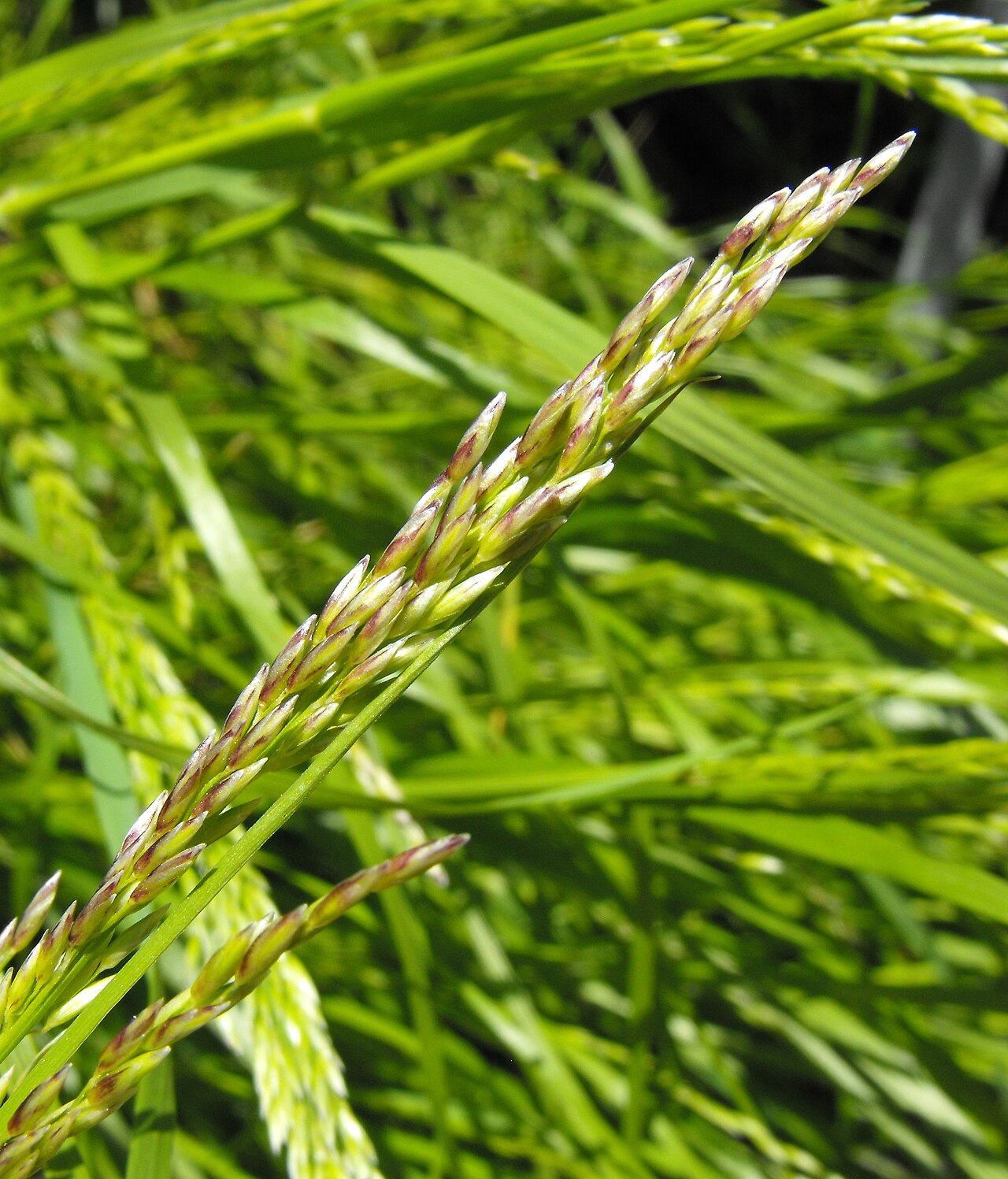
Coast melic flowers in an open, narrow panicle 2 to 8 inches (5–20 cm) long, with few, widely spaced branches bearing small, purplish-tinged spikelets. Each spikelet holds one or two fertile florets along with a characteristic sterile, club-shaped structure at the tip — a diagnostic feature of the genus Melica that distinguishes it from superficially similar grasses. Bloom occurs from March through June, and the open, airy panicle structure catches light beautifully, especially backlit in late-day sun.
Fruit & Seeds
The fruit is a small grain enclosed within the persistent floral bracts, shed from the panicle as it dries through late spring and summer. Seed production is modest but reliable, and coast melic will self-sow lightly in favorable garden conditions, slowly forming small colonies without becoming aggressive or weedy.
Quick Facts
| Scientific Name | Melica imperfecta |
| Family | Poaceae (Grass) |
| Plant Type | Perennial Bunchgrass |
| Mature Height | 1–2½ ft (30–75 cm) in flower |
| Mature Spread | 8–14 in (20–35 cm) |
| Growth Rate | Moderate |
| Sun Exposure | Part Shade to Full Sun |
| Water Needs | Low once established |
| Soil Type | Well-drained; tolerates rocky, clay, or sandy soils |
| Soil pH | 6.0–7.5 (slightly acidic to neutral) |
| Bloom Time | March – June |
| Flower Color | Purplish-green spikelets |
| Fall Color | Tan as it goes summer-dormant |
| Fruit | Small grain within persistent bracts |
| Deer Resistant | Mostly (occasionally grazed, low preference) |
| USDA Hardiness Zones | 8–10 |
Native Range
Coast melic is native to California, where it is widespread across the central and southern Sierra Nevada foothills, the Santa Cruz Mountains, the South Coast Ranges, and much of Southern California, extending into the western Mojave Desert and south into Baja California, Mexico. Despite the common name, it is not limited to coastal areas — it grows equally well in interior foothill chaparral and desert-edge woodlands as it does near the coast.
Within this range, coast melic is a common component of chaparral, oak woodland, and coastal sage scrub understories, typically growing from near sea level up to around 5,000 feet in elevation. It tolerates both open, sunny slopes and the dappled shade beneath oaks and other woodland trees, making it one of the more habitat-flexible native bunchgrasses in California. It is frequently found growing alongside purple needlegrass, California brome, and various native wildflowers in intact grassland and woodland understory communities.
Because coast melic occurs across such a broad span of California’s interior and coastal habitats, it is an easy match for most Southern and Central California native gardens, provided the basic requirement of good drainage and a dry summer rest period is respected.
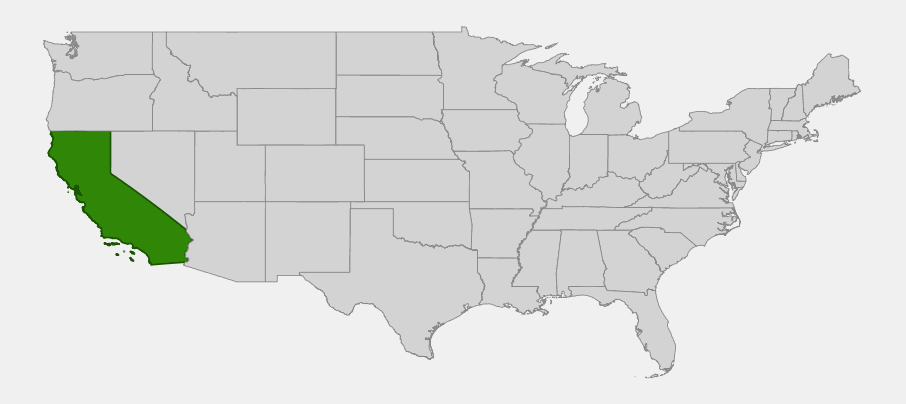
📋 Regional plant lists featuring coast melic: California & Nevada
Growing & Care Guide
Coast melic is one of the easier native California grasses to establish, forgiving of a range of soils and light conditions as long as it is not kept consistently wet through the summer.
Light
Coast melic tolerates full sun along the coast and in cooler areas, but generally performs best with part shade in hotter interior gardens — it is notably more shade-tolerant than most California native bunchgrasses, making it a good choice for the dappled light beneath oaks.
Soil & Water
This grass adapts to a wide range of soils, from rocky clay to sandy loam, provided drainage is reasonably good. Water regularly the first year to establish a deep root system; after that, coast melic needs little to no supplemental irrigation and should be allowed to go summer-dormant. Occasional deep watering during extended drought will keep foliage looking fresher, but is not required for survival.
Planting Tips
Plant from container stock in fall or early winter so roots can establish before the dry season. Space plants 12 to 18 inches apart for a naturalistic drift, or tuck individual clumps between shrubs and perennials where a light, airy texture is wanted. Coast melic is well suited to planting beneath existing oaks, where it tolerates root competition and dry shade better than most companion grasses.
Pruning & Maintenance
Cut back dried foliage in late summer or fall before new growth resumes, or simply leave the dried tan clumps through summer for texture and to shelter overwintering insects. Coast melic needs no fertilizer and is rarely bothered by pests or disease. Light self-sowing can occur; unwanted seedlings are easy to pull.
Landscape Uses
Coast melic’s fine texture and shade tolerance make it useful in several settings:
- Oak woodland understory plantings where few other grasses thrive
- Dry shade gardens beneath established trees and large shrubs
- Chaparral and foothill restoration projects
- Naturalistic meadow plantings mixed with native wildflowers
- Transition zones between formal garden beds and wild or native areas
Wildlife & Ecological Value
As a native perennial bunchgrass, coast melic contributes quietly but meaningfully to California’s chaparral and woodland ecosystems, offering food and structural habitat that non-native annual grasses cannot replicate.
For Pollinators
Coast melic is wind-pollinated like other grasses and does not offer floral nectar, but its fine foliage and flowering stems provide structural habitat and overwintering sites for beneficial insects, including predatory and parasitic species that help control garden pests.
For Birds
Small birds forage the grass’s seed heads, and the open, airy structure of mature clumps provides cover for ground-foraging species such as native sparrows and towhees, particularly in woodland and chaparral edge habitats.
For Mammals
Small mammals use the base of established clumps for shelter, and the foliage provides minor forage value, though coast melic is not a primary browse species for deer or other larger herbivores.
Ecosystem Role
As one of relatively few native perennial grasses still persisting in many California chaparral and oak woodland understories — habitats heavily invaded by non-native annual grasses — coast melic helps maintain the structure and function of native plant communities. Its deep, perennial root system supports soil stability and water infiltration far better than the shallow-rooted annual grasses that have displaced native grasslands across much of the state, and its presence is often used by restoration ecologists as an indicator of relatively intact understory conditions.
Cultural & Historical Uses
Coast melic, like most small native bunchgrasses, has no significant recorded history of use for food, fiber, or medicine among California’s Indigenous peoples — its modest seed yield and fine stature made it far less useful than larger-seeded grasses and other plant resources that were actively cultivated or harvested. Its ecological and cultural significance today is tied instead to its role as a living remnant of California’s native grassland and understory flora.
In the 20th and 21st centuries, coast melic has become increasingly valued in the native plant horticulture and restoration movements that grew out of growing awareness of California’s lost grassland heritage. As land managers and home gardeners alike have sought to reduce reliance on non-native, fire-prone annual grasses, coast melic and its relatives have been promoted by native plant societies and specialty nurseries as low-water, fire-smart, ecologically appropriate alternatives for California landscapes.
The genus name Melica derives from an old Italian word for a type of grass or sorghum, while the species name imperfecta references the incomplete or imperfect nature of some of its florets — a detail of its taxonomic history rather than any trait relevant to its garden performance.
Frequently Asked Questions
Does coast melic go dormant in summer?
Yes. Like most California native grasses adapted to a Mediterranean climate, coast melic goes semi-dormant through the dry summer months, with foliage fading to tan, and resumes active growth with fall and winter rains.
How is coast melic different from other Melica species in California?
California is home to several native Melica species, including Torrey’s melic (Melica torreyana) and California melic (Melica californica). Coast melic is distinguished by its broad geographic range, tolerance of both sun and shade, and its somewhat shorter, more delicate flowering panicles compared to some of its relatives.
Will coast melic spread aggressively in my garden?
No. Coast melic is a well-behaved, clump-forming bunchgrass that may self-sow lightly in favorable conditions but does not spread by aggressive rhizomes or become weedy. Any unwanted seedlings are easy to remove by hand.
Can coast melic handle clay soil?
Yes, coast melic tolerates clay soils reasonably well as long as the site does not stay waterlogged through summer. Good surface drainage is more important than soil texture itself.
Is coast melic deer resistant?
Coast melic is generally low on the preference list for deer, though light grazing can occur, especially on young growth. It is rarely damaged seriously enough to affect its overall health or appearance once established.

Looking for a nursery that carries coast melic?
Browse our native plant nursery directory: California