
White Indigoberry (Randia aculeata)
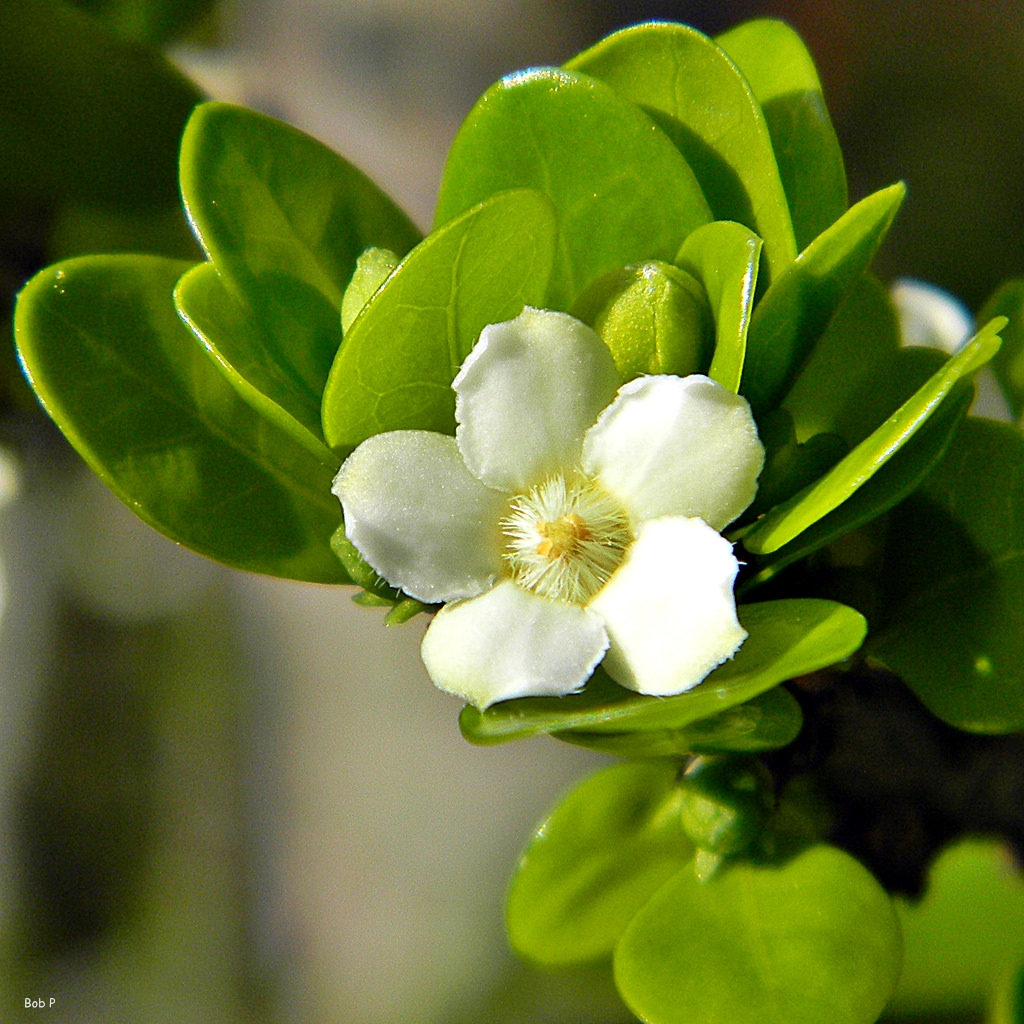
Randia aculeata, known as White Indigoberry (also indigo berry, box briar or inkberry), is a tough, small-leaved evergreen shrub of the coastal hammocks and dunes of south and central Florida and the Caribbean. It belongs to the coffee family (Rubiaceae). Its stiff, twiggy branches carry clusters of small, glossy leaves, often with short paired spines, and through much of the year it bears small, fragrant, white, starry flowers. These are followed by round white berries filled with a deep blue-black pulp, the “indigo” of its name.
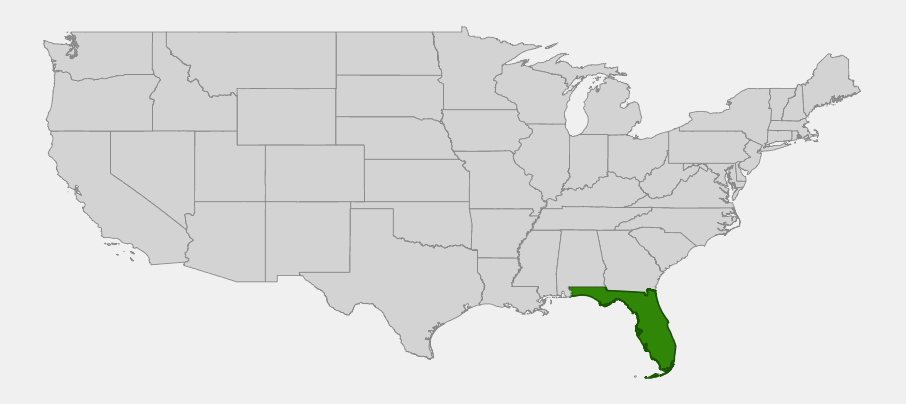
White indigoberry is native in the United States only to Florida, according to USDA PLANTS and the Atlas of Florida Plants, and it also grows in Puerto Rico, the U.S. Virgin Islands, the Bahamas, the Greater and Lesser Antilles and from Mexico to northern South America. In Florida it is found mostly near the coast, from the central peninsula south through the Keys, in coastal hammocks, shell mounds, coastal strand and the edges of pinelands.
For South Florida gardeners, it is one of the most adaptable native shrubs for small spaces: salt-tolerant, drought-tolerant once established, slow-growing and easy to keep compact. This guide covers how to identify it, where it grows, how to grow it in the landscape, and its value for birds, butterflies and other wildlife. Older references sometimes list a spineless form as Randia mitis or R. aculeata var. mitis.
Identification
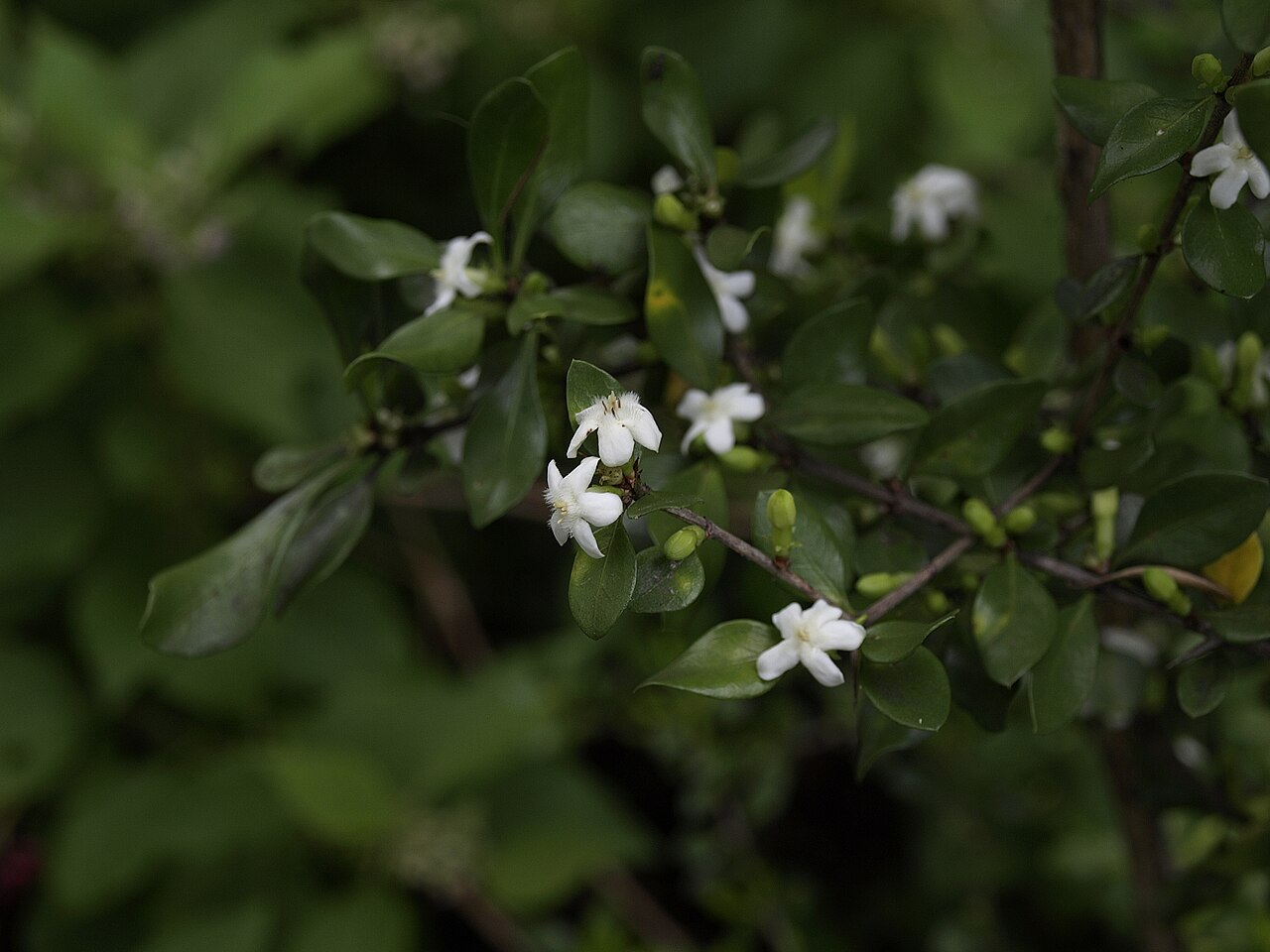
White indigoberry is a variable shrub. In exposed coastal sites it may be a low, dense mound only a few feet tall, while in sheltered hammocks it can grow into an open, small tree. The clustered small leaves, paired spines and white berries with dark pulp make it distinctive.
Habit & Stems
It is an evergreen shrub, usually 3 to 10 feet tall, occasionally reaching 15 feet as a small tree in protected hammocks. The branches are stiff and grow at wide angles, giving the plant a dense, twiggy, often layered look. The bark is gray and smooth to slightly rough. Many plants carry short, sharp spines, usually in pairs at the nodes, but some forms are nearly or entirely spineless.
Leaves
The leaves are opposite but appear crowded in clusters on short side shoots at the nodes. Each is small, usually ½ to 2 inches long, obovate to nearly round, with a rounded or blunt tip and a narrow base. They are glossy dark green above, paler beneath, smooth-edged and somewhat leathery, especially in sunny coastal sites. Small stipules sit between the leaf bases, as in other members of the coffee family.
Flowers
The flowers are small, about ½ inch across, white, with four or five pointed, spreading lobes on a short tube. They grow singly or in small clusters at the ends of the short shoots, among the leaves, and they are fragrant. In Florida they can appear in almost any month, but the Lady Bird Johnson Wildflower Center lists January to May as the main flowering season. Many plants bear mainly male or mainly female flowers, so not every shrub sets fruit.
Fruit & Seeds
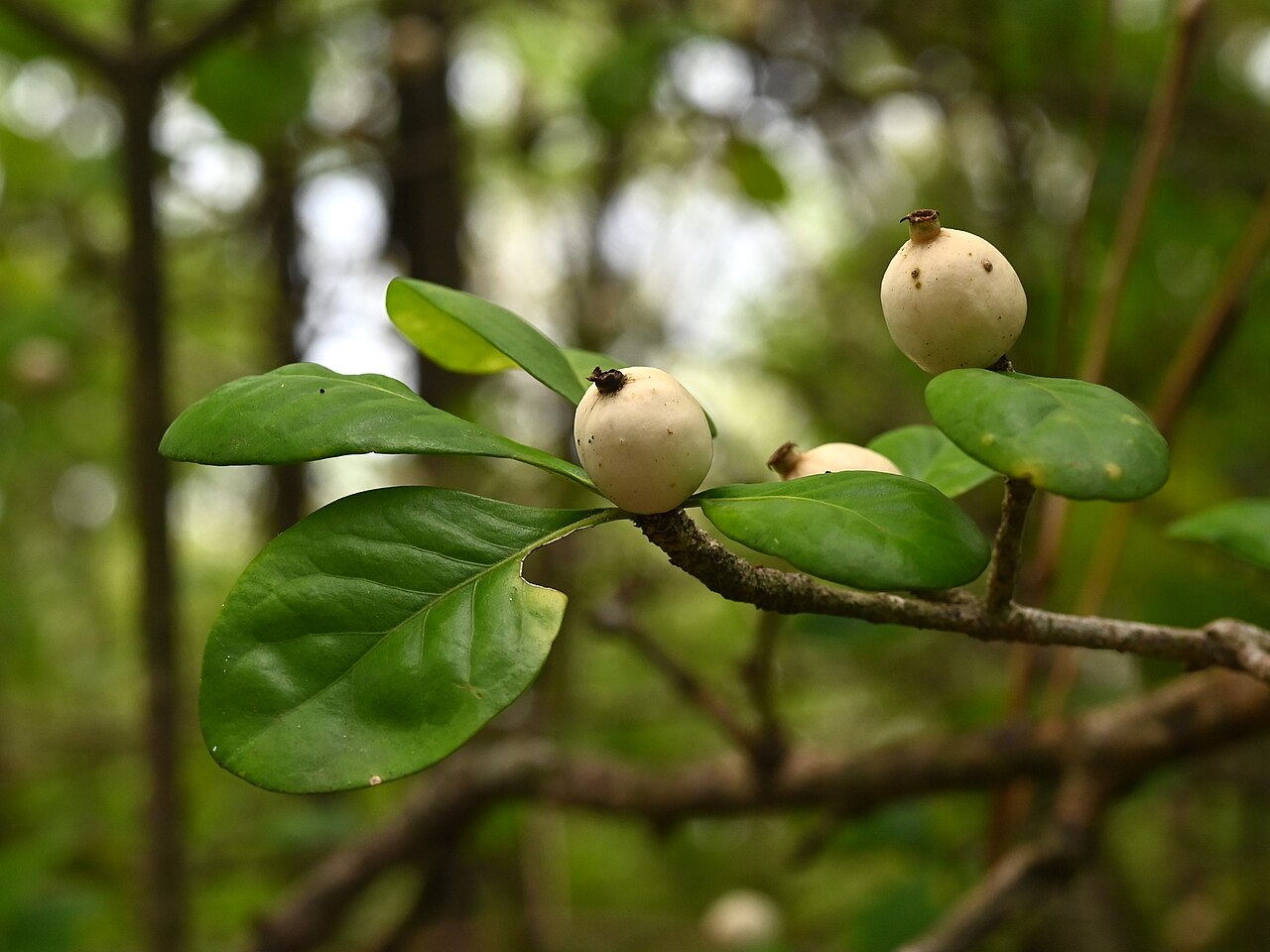
The fruit is a round berry about ½ inch across, green at first and ripening to white or cream. When broken open, it reveals a soft, dark blue to blue-black pulp that stains fingers and contains several flat seeds. Fruits ripen over a long season and can hang on the plant for weeks.
Quick Facts
| Scientific Name | Randia aculeata (syn. R. mitis, R. aculeata var. mitis) |
| Family | Rubiaceae (coffee family) |
| Plant Type | Evergreen shrub or small tree |
| Mature Height | 3–10 ft (occasionally to 15 ft) |
| Mature Spread | 3–8 ft |
| Growth Rate | Slow to moderate |
| Sun Exposure | Full sun to partial shade |
| Water Needs | Low to moderate; drought tolerant once established |
| Soil Type | Well-drained sand, shell or limestone-based soils |
| Soil pH | About 6.5–8.5 (tolerates alkaline soils) |
| Bloom Time | Year-round in south Florida; mainly January–May |
| Flower Color | White |
| Fall Color | None; evergreen |
| Fruit | Round white berry with dark blue-black pulp |
| Deer Resistant | Moderately; spiny stems discourage browsing |
| USDA Hardiness Zones | 10–11 (9b with protection) |
Native Range
White indigoberry is a tropical species that reaches its northern limit in Florida. USDA PLANTS lists it as native to the lower 48 states (Florida only), Puerto Rico and the U.S. Virgin Islands, and the Lady Bird Johnson Wildflower Center records it only from Florida within the continental United States. Outside the U.S. it ranges through the Bahamas, Cuba, Hispaniola, Jamaica and the Lesser Antilles, and from Mexico through Central America to northern South America.
In Florida it grows mainly in the coastal counties of the central and southern peninsula and throughout the Florida Keys, where it is common in hammocks. Typical habitats are coastal and tropical hardwood hammocks, shell mounds, coastal strand and the stabilized dunes behind beaches, rockland hammocks and the edges of pine rocklands. It is cold-sensitive, and freezes limit how far north it can grow.
It is not listed as threatened or endangered in Florida, but much of its coastal habitat has been lost to development. Planting it in coastal South Florida landscapes helps restore a key component of the native hammock and strand understory.
📋 Regional plant lists featuring White Indigoberry: North & South Florida
Growing & Care Guide
White indigoberry is sold by many native plant nurseries in South Florida and is one of the easiest native shrubs to grow in coastal yards. It tolerates salt spray, poor sandy soil, limestone and drought, and it grows slowly enough to stay in scale with small gardens.
Light
It grows well in full sun to partial shade. In full sun the plant is denser and flowers more heavily; in shade it becomes more open and treelike, with larger, thinner leaves.
Soil & Water
Plant it in well-drained sand, shell or rocky limestone soil. It handles alkaline soils and moderate salt spray, which makes it useful on coastal properties. Water regularly for the first few months until established, after which it needs supplemental water only during long dry spells. It rarely needs fertilizer.
Planting Tips
Plant container-grown shrubs any time of year in South Florida, ideally at the start of the rainy season. Space plants 3 to 5 feet apart for a hedge or screen. Because many plants bear mostly male or female flowers, plant several shrubs together if you want a good crop of fruit. Keep spiny forms back from walkways.
Pruning & Maintenance
White indigoberry needs little care. It can be shaped or sheared lightly into a dense hedge, but heavy shearing reduces flowering and fruiting. Wear gloves when pruning spiny plants. It has few pest problems; scale insects occasionally appear but rarely do serious harm.
Propagation
Propagate from fresh seed cleaned from ripe fruit and sown promptly; germination can take several weeks to a few months. Semi-hardwood cuttings can also be rooted, though they root slowly. Buy nursery-grown plants rather than digging them from hammocks or dunes.
Landscape Uses
- Coastal landscapes: a salt-tolerant shrub for second-row dune and strand plantings in South Florida
- Informal hedges and screens: dense, twiggy growth and spines make a natural barrier
- Wildlife gardens: fragrant flowers for pollinators and fruit and cover for birds
- Hammock restoration: an understory shrub for coastal and tropical hardwood hammock plantings
- Small gardens and containers: slow growth keeps it compact for patios and courtyards
Wildlife & Ecological Value
White indigoberry is a small shrub, but in the coastal hammocks of South Florida it provides food and shelter for many animals.
For Pollinators
The fragrant white flowers attract small bees, butterflies and moths with their sweet scent. It blooms over a long season, which makes it a dependable nectar source in coastal gardens.
For Birds
Birds such as mockingbirds, catbirds and other songbirds eat the fruits and disperse the seeds. The dense, often spiny branches provide safe nesting and roosting cover for small birds.
For Mammals
Small mammals eat fallen fruits, and the thickets provide shelter. The spines discourage browsing by deer, though tender new growth may be nibbled.
Ecosystem Role
As an understory shrub of coastal hammocks and strand, it helps stabilize sandy soils and adds structure to the thicket layer. Its long flowering and fruiting season supports insects and birds through much of the year, including in winter, when many migratory birds pass through the Florida Keys.
Cultural & Historical Uses
The common name “indigoberry” refers to the dark blue-black pulp of the fruit, which has been used in the Caribbean and Latin America as a dye and as a writing ink. The name “inkberry” has the same origin, although it is also used for unrelated plants such as Ilex glabra.
The genus Randia was named by Linnaeus in honor of Isaac Rand, an 18th-century London apothecary and director of the Chelsea Physic Garden. Aculeata means “prickly,” a reference to the spines. Linnaeus described the species in 1753, and spineless plants were later named Randia mitis, a name now treated as a synonym.
In parts of its tropical range, the plant has been used in traditional medicine, and the fruit pulp has been eaten in small amounts. These uses are not well documented, and gardeners should treat the plant as ornamental only.
Frequently Asked Questions
Is white indigoberry native to Florida?
Yes. It is native to central and south Florida, mainly in coastal areas and the Keys, and also to the Caribbean, Mexico, Central America and northern South America.
Does white indigoberry have thorns?
Many plants have short, sharp spines in pairs at the nodes, but some forms are almost spineless. Ask your nursery which form they grow if you plan to plant it near a walkway.
Why doesn’t my white indigoberry have fruit?
Many plants produce mainly male or mainly female flowers, so a single shrub may set little fruit. Planting several shrubs together usually improves fruiting.
Is the fruit edible?
The fruit pulp has reportedly been eaten in small amounts in parts of the tropics, but its safety is not well documented. Treat it as wildlife food and an ornamental, not as a food plant.
Can white indigoberry grow in north Florida?
It is a tropical shrub that tolerates only brief, light frosts. It grows best in USDA zones 10 and 11 and may survive in protected spots in zone 9b, but it is not suited to north Florida.

Looking for a nursery that carries White Indigoberry?
Browse our native plant nursery directory: Florida