
Organic Pest Control for Asters: Effective Strategies for Healthy Blooms
Last updated: August 28, 2026
Asters are those classic garden flowers that everyone seems to love, but honestly, pests like aphids and spider mites love them too. Left unchecked, these bugs can really mess up those vibrant blooms.
Effective pest control matters if you want healthy asters and a garden that’s still safe for bees, birds, and everything else that visits.
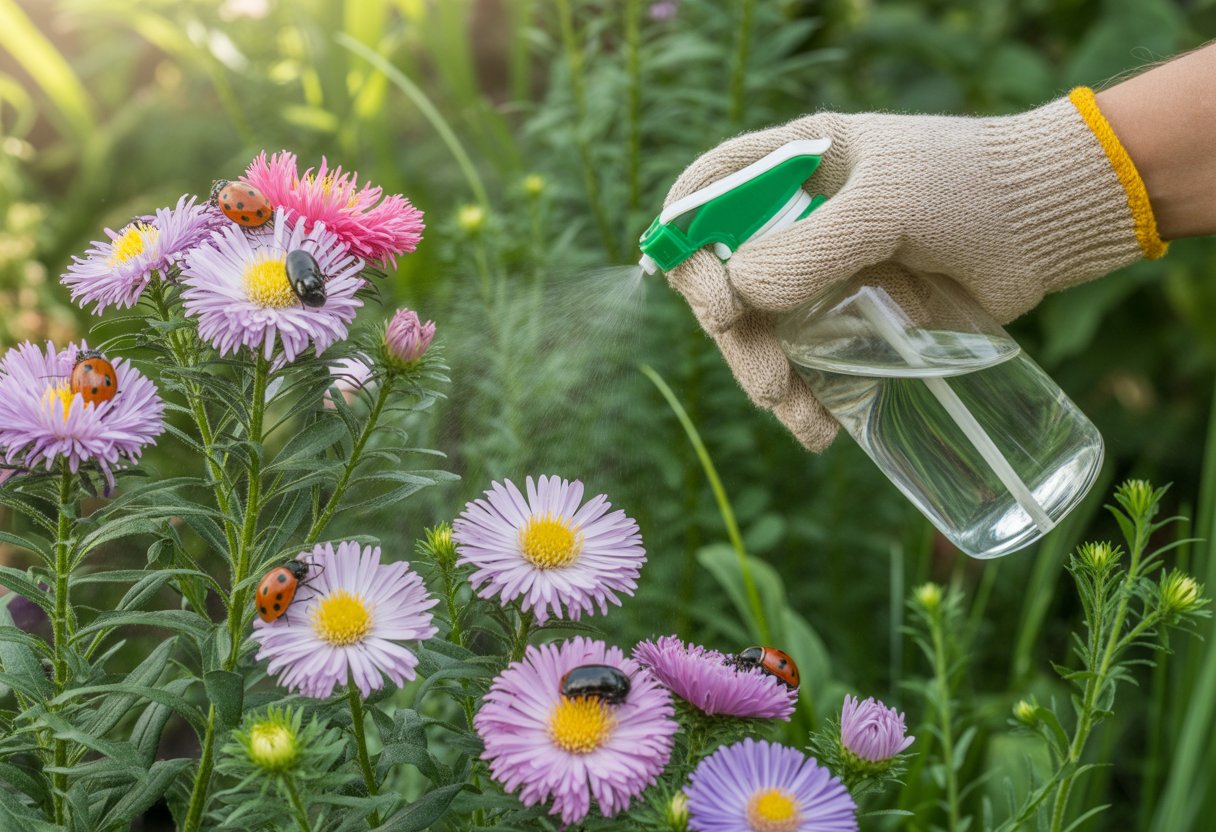
Organic pest control for asters leans on natural methods like beneficial insects, neem oil, and insecticidal soaps. These options help you avoid harsh chemicals and keep your garden’s ecosystem in balance.
When you pick natural pest control, you’re not only protecting your asters—you’re also giving pollinators and soil life a fighting chance. You’ll need to keep an eye on things and act quickly when you spot trouble, but that’s just part of the deal.
Identifying Common Aster Pests And Problems
Asters run into all sorts of problems—bugs, fungus, even weird weather—that can mess with their growth. Spotting the right pest or issue early makes a huge difference.
Common Insect Pests Affecting Asters
Aphids show up a lot on asters. They suck sap, twist leaves, and leave behind a sticky mess.
Leafhoppers feed on the plants too, spreading diseases and turning leaves yellow or stunted. Spider mites are tiny, almost invisible, but you’ll spot their fine webs and the speckled or bronzed leaves they leave behind.
Caterpillars like armyworms and hornworms chew through leaves and stems, sometimes stripping plants bare before you even notice. If you catch these pests early and remove them by hand, you can usually avoid needing sprays at all.
Recognizing Symptoms Of Aster Damage
Yellow leaves might mean aphids or leafhoppers are feeding, but it could also point to root problems or missing nutrients. Wilting stems often signal root trouble or maybe a bad bug infestation.
If your asters just aren’t growing, spider mites or root-eating bugs might be to blame. Sticky honeydew on leaves usually comes from aphids, while holes and ragged edges suggest caterpillars have moved in.
Knowing what to look for helps you pick the right fix and stop things from getting worse.
Fungal And Environmental Issues
Powdery mildew pops up a lot on asters, leaving white, powdery spots all over leaves and stems. Too much water or lousy drainage can cause root rot, which leads to wilting and yellowing leaves.
Sometimes, overdoing fertilizer or dealing with wild weather just makes everything worse. Good watering habits, the right amount of food, and plenty of airflow go a long way to keeping fungus and stress at bay.
Organic Control Strategies For Pests And Diseases
Organic management for asters means building up their natural defenses and using fewer chemicals. Mixing several methods usually works better and keeps your plants happier.
Biological Controls And Beneficial Insects
Bringing in ladybugs and lacewings can really knock down aphid and mite numbers. These little predators target pests but leave your plants and other good bugs alone.
If you plant a mix of flowers around your asters, you’ll attract more helpful insects. Giving them spots to hang out—like with flowering plants—makes it easier for them to stick around.
Keep an eye on your plants so you can release these bugs when you need them. Skip the broad-spectrum insecticides if you want to hang onto your helpful bug army.
Organic Sprays And Treatments
Insecticidal soaps and neem oil both work well against soft-bodied bugs like aphids and whiteflies. Use them properly, and you won’t harm the good insects.
Neem oil doubles as a mild fungicide, so it can help with powdery mildew and other fungal stuff. You’ll want to spray it regularly, especially if it’s humid and things get out of hand.
Spray early or late in the day to avoid hurting bees and other pollinators. Using slow-release or compost-based fertilizers can toughen up your asters, so you don’t have to spray as much.
Physical Barriers And Cultural Practices
Floating row covers block bugs from getting to your asters but still let in sunlight and rain. They’re especially handy early in the season before the flowers open up.
Space your asters out so air can move around them, which cuts down on fungal diseases. Plant them in well-drained soil to keep roots healthy and avoid rot.
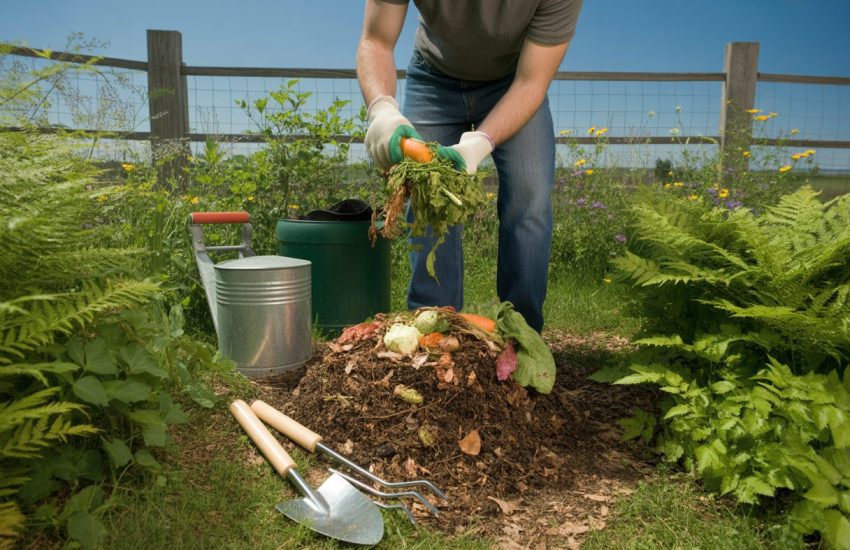
If you pull off sick leaves and rotate where you plant asters, you’ll break up pest and disease cycles. Tossing compost into your soil not only feeds your plants but helps keep them strong.
Enhancing Aster Health Through Companion Planting
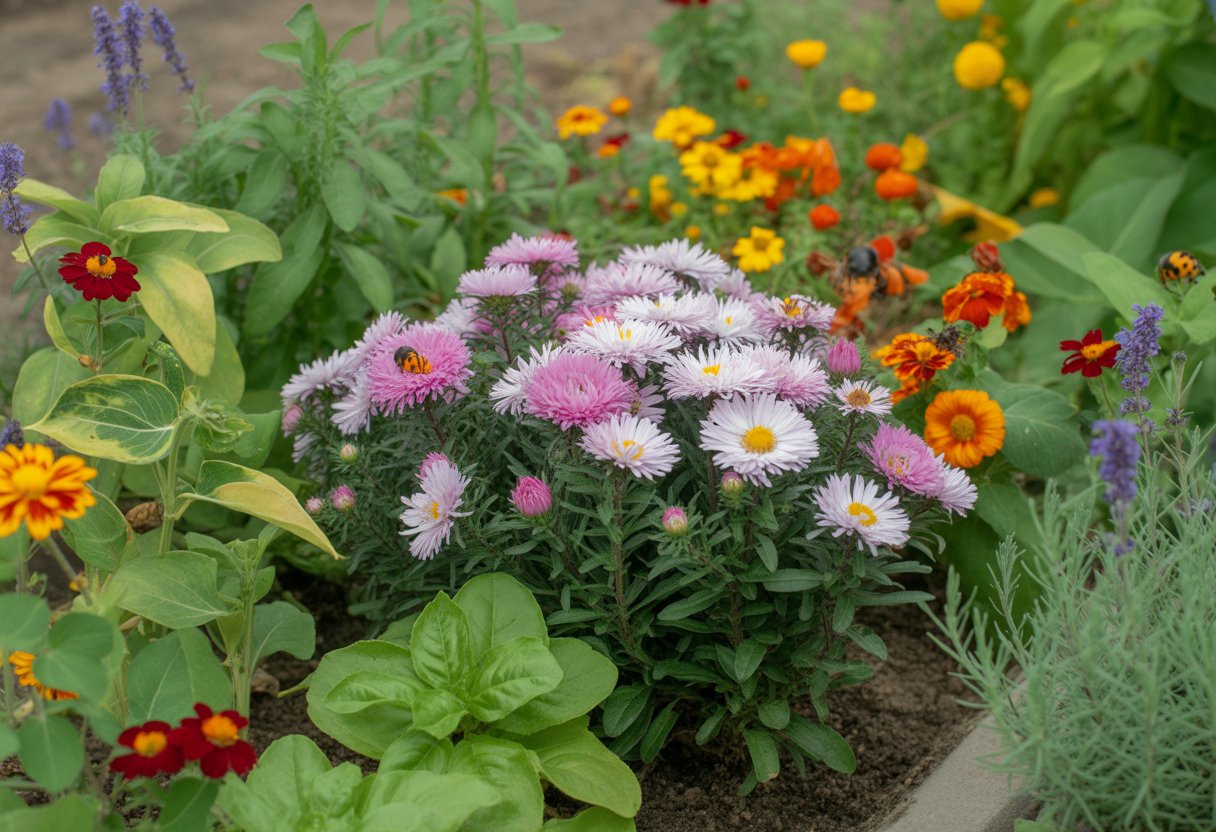
Companion planting can make a big difference for asters. By mixing in certain plants—like marigolds or some herbs—you boost garden diversity and naturally keep pests away.
Pick the right neighbors, and your asters will probably stand up better to bugs, all without reaching for chemicals.
Effective Companion Plants For Pest Prevention
Marigolds work well with asters because they repel nematodes and aphids. Their scent tends to confuse pests and lowers infestation risks.
Garlic and basil both give off strong odors that keep common aster pests like spider mites and whiteflies away. You might notice fewer bugs lingering when these herbs are nearby.
Mint and celery bring in helpful insects such as ladybugs and predatory wasps. These beneficial bugs actually feed on harmful pests, so you’re getting a natural defense system.
Carrots and lettuce offer some nice ground cover, helping the soil hold onto moisture and keeping weeds down. That little bit of extra support can make a real difference for asters.

Wish I’d found this before I made some mistakes last season. Live and learn I guess!
Thanks Mark! Let us know how it goes. -Plant Native Team