
Woolgrass (Scirpus cyperinus)
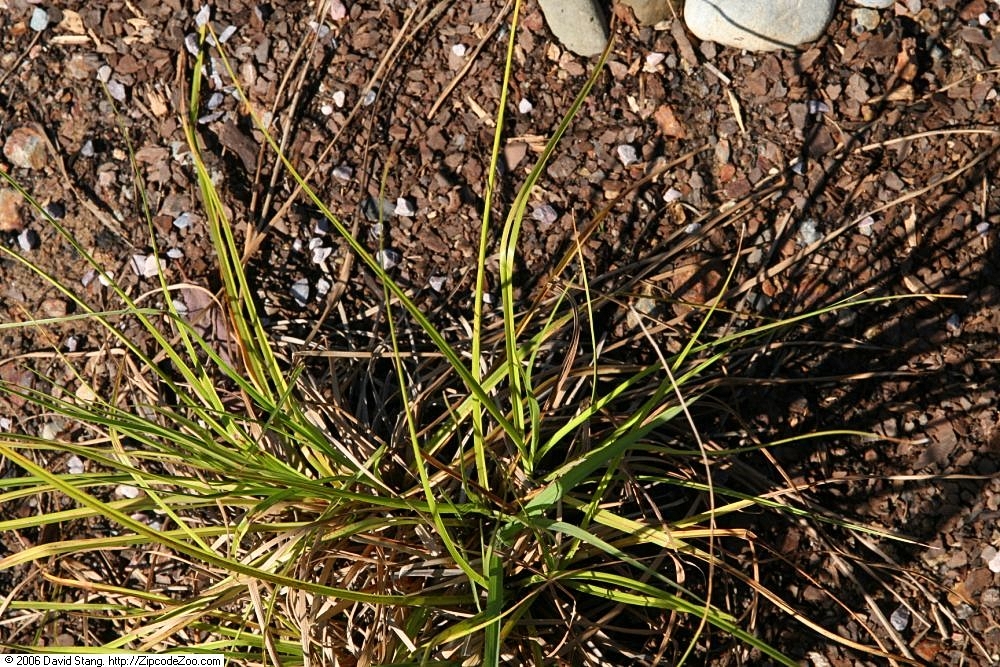
Scirpus cyperinus, commonly known as Woolgrass, is a robust, clump-forming native sedge (family Cyperaceae) renowned for its extraordinary seed heads — large, open clusters of nodding spikelets covered in long, silky, reddish-brown to coppery hairs that give the plant the appearance of a puff of soft wool atop tall, arching stems. Growing 3 to 5 feet in height in freshwater wetlands, marshes, and wet meadows across North America (including Hawaii), Woolgrass is one of the most visually distinctive native wetland plants available and combines exceptional ornamental appeal with outstanding ecological value.
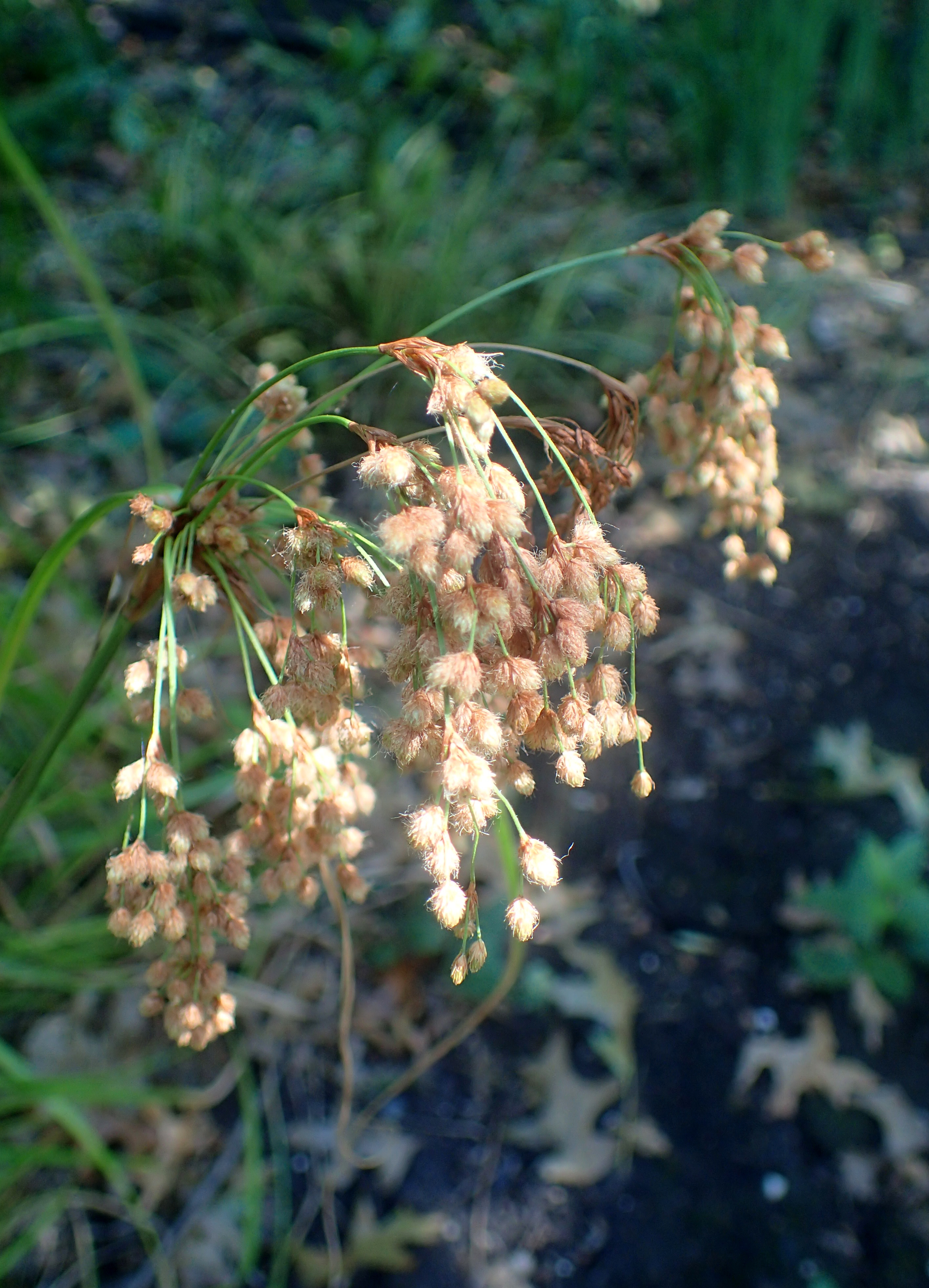
The common name “Woolgrass” perfectly captures the plant’s most dramatic feature — the shaggy, wool-like inflorescences that develop in late summer and persist into winter, creating a naturalistic display that is beautiful in the landscape and provides critical food for wetland wildlife. These woolly seed clusters are technically spikelets surrounded by long, soft bristles that catch the light and create a glowing, bronze-copper hue in afternoon sun — an effect that landscape designers increasingly recognize as one of the most attractive features any native wetland plant can offer in a fall garden.
In Hawaii, Woolgrass is a native component of freshwater wetland ecosystems, providing habitat structure and food resources in the wetland plant communities that support endangered Hawaiian waterbirds. Like the native rushes it often grows alongside, Woolgrass is an important element of native Hawaiian freshwater wetland restoration plantings, helping to recreate the dense, diverse wetland vegetation that supports the recovery of the Hawaiian stilt, Hawaiian coot, Hawaiian moorhen, and Hawaiian duck. Its large size and dense root system make it particularly effective for stabilizing wetland margins and filtering runoff.
Identification
Woolgrass is a large, coarse sedge that grows as a dense clump of arching, triangular stems reaching 3 to 5 feet (90–150 cm) in height. Like most sedges, it has three-angled (triangular in cross-section) stems, which immediately distinguishes it from the round stems of true rushes. The plant spreads by rhizome and can form extensive colonies in wet areas over time. It is most dramatically identified by its large, open, lax inflorescences of woolly spikelets that appear in late summer.
Stems & Leaves
The stems of Woolgrass are solid, triangular in cross-section, and medium to dark green. They are surrounded at the base by long, flat, grass-like leaves (1/4 to 1/2 inch wide, 2 to 4 feet long) that droop and arch gracefully. Additional shorter leaves grow along the stems, alternating from each side. The overall impression of the foliage is a lush, arching fountain of long green blades similar to a large ornamental grass but with the characteristic flat-sided sedge stems. The leaves remain attractive throughout the growing season before turning tan-golden in fall.
Flowers & Seed Heads
The inflorescence of Woolgrass is its showpiece — a large, open, drooping cluster of numerous small spikelets (individual seed-bearing units) that are covered in long, silky bristles giving them a conspicuously woolly or hairy appearance. The entire inflorescence can be 6 to 12 inches (15–30 cm) wide, with numerous nodding branches bearing the woolly spikelets. As the season progresses from late summer through fall, the spikelets turn from olive-green to deep reddish-brown to coppery-bronze, and the silky bristles catch the light in a way that makes the plant appear to glow. The seeds (technically nutlets enclosed by bristles) are tiny but produced in enormous quantities, providing abundant food for seed-eating wildlife. The dried seed heads remain attractive through the winter months.
Quick Facts
| Scientific Name | Scirpus cyperinus |
| Family | Cyperaceae (Sedge) |
| Plant Type | Perennial Sedge / Wetland Grass-like Plant |
| Mature Height | 3–5 ft |
| Sun Exposure | Full Sun to Part Shade |
| Water Needs | Moderate to High |
| Bloom Time | August – October |
| Flower Color | Reddish-brown to coppery-bronze (woolly seed heads) |
| USDA Hardiness Zones | 3–9 |
Native Range
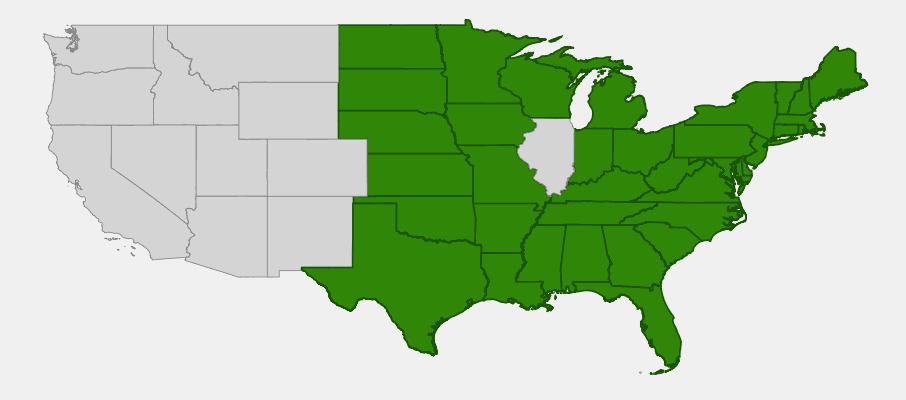
Woolgrass is native across a broad swath of North America, from eastern Canada south through the eastern and central United States, extending westward to the Great Plains and south to the Gulf Coast and northern Florida. It is also native to Hawaii, where it occurs in freshwater wetland habitats — a distribution that reflects the remarkable dispersal ability of small, wind-carried wetland sedge seeds across vast oceanic distances. In the continental United States, Woolgrass is native in most states east of the Rocky Mountains and in parts of the Pacific Coast states as well.
Within its range, Woolgrass occupies the higher, less-flooded margins of freshwater wetlands — wet meadows, the edges of marshes and swamps, seasonally flooded lowland areas, and the banks of slow-moving streams and rivers. It grows in moist to wet soils and tolerates brief flooding but is not typically found in permanent standing water like some other sedge species. It thrives in both full sun and partial shade, making it adaptable to settings beneath riparian trees and shrubs as well as open, sunny wetland margins.
In Hawaii, Woolgrass occupies similar freshwater wetland niches, growing alongside Soft Rush, native sedges, and other wetland plants in the islands’ limited but ecologically crucial freshwater ecosystems. Hawaiian freshwater wetland systems have been dramatically reduced by development, invasive plant species, and changes in hydrology, making the conservation and restoration of native wetland vegetation — including Woolgrass — an important priority for the recovery of endangered Hawaiian waterbirds and the broader freshwater ecosystem.
📋 Regional plant lists featuring Woolgrass: Hawaii
Growing & Care Guide
Woolgrass is a highly rewarding native plant that is easy to grow once its moisture requirements are understood. Its spectacular woolly seed heads, attractive arching foliage, and excellent wildlife value make it one of the most ornamentally and ecologically valuable native wetland plants for larger rain garden and wetland restoration settings.
Light
Woolgrass grows best in full sun, where it develops the most vigorous clumps and the most abundant, most colorful seed heads. It tolerates partial shade well — a valuable quality for riparian plantings beneath trees — and grows acceptably in dappled shade with 4 to 6 hours of direct sun. In deeper shade, the plant remains healthy but produces fewer seed heads and the clumps are less dense.
Soil & Water
Consistently moist to wet soil is essential for Woolgrass. It thrives in seasonally flooded areas, rain gardens, wet meadow margins, stream banks, and the drier (less flooded) zones of freshwater marshes. Unlike some sedges, it does not prefer permanent standing water and grows best in soils that are wet but not permanently submerged. Brief flooding is tolerated but prolonged inundation (more than a few weeks) is stressful. Soil type is not critical — clay, loam, or sandy loam soils that remain moist are all suitable. In Hawaiian wetland gardens, it performs well in the characteristic clay-loam soils of Hawaiian valley floors and the margins of lo’i kalo systems.
Planting Tips
Plant Woolgrass in spring or early fall. Choose a moist to wet site in full sun for best performance. Space plants 2 to 3 feet apart — they spread gradually by rhizome and will fill in the gaps over 3 to 5 years, creating the dense, naturalistic stand that is most ecologically valuable. Mulching between plants during establishment helps retain soil moisture and suppress invasive wetland weeds while the Woolgrass spreads to take over the space. Water thoroughly after planting and keep the soil consistently moist throughout the first growing season.
Pruning & Maintenance
Cut Woolgrass to the ground in late winter or early spring before new growth begins. This prevents dead stem accumulation, allows the woolly seed heads (which may have already dispersed their seeds to wildlife) to be cleared, and encourages vigorous new growth. The dead stems can be left in place through winter to provide additional wildlife cover and to display the attractive dried seed heads. Divide clumps every 4 to 6 years to prevent overcrowding and to propagate new plants for expansion. Woolgrass is essentially pest- and disease-free in appropriate conditions.
Landscape Uses
- Rain garden specimen — the woolly seed heads are a showstopper in fall
- Wet meadow or prairie restoration planting for the wettest zones
- Pond and stream bank stabilization with ornamental appeal
- Native freshwater wetland restoration in Hawaii and across the U.S.
- Wildlife habitat planting for wetland-dependent birds
- Large-scale naturalistic wetland garden — plant in masses for best effect
- Cut and dried flower arrangements — the woolly seed heads dry beautifully
Wildlife & Ecological Value
Woolgrass is a keystone species in freshwater wetland food webs, providing food and habitat for an impressive diversity of wetland wildlife across its range.
For Birds
The tiny seeds of Woolgrass (produced in enormous quantities in those woolly seed heads) are a highly preferred food for a wide range of seed-eating and wetland birds. In mainland North America, waterfowl including Mallard, Teal, and Wood Duck actively forage in stands of Woolgrass. Rails, Sora, and Virginia Rail pick seeds from the stems and from the water surface as seeds fall. Swamp and Song Sparrows, Goldfinches, and other seed-eating songbirds harvest seeds from the standing seed heads throughout fall and winter. In Hawaii, native waterbirds including the Hawaiian coot and Hawaiian stilt forage in Woolgrass stands for seeds and the invertebrates that shelter among the dense stems. The large clumps also provide excellent nesting cover for ground- and low-nesting wetland birds.
For Mammals
Muskrats actively harvest Woolgrass stems and rhizomes for both food and construction material. Where muskrats are present, their harvesting creates open water channels within Woolgrass stands — a disturbance that actually increases habitat diversity by creating a mosaic of open water and dense vegetation. Beavers use the stems in dam and lodge construction. Various small mammals use the dense stem clumps as thermal cover and predator refuges in the wet-meadow and wetland-margin habitats where Woolgrass grows.
For Pollinators and Invertebrates
Woolgrass and other sedges are important host plants for several specialist moth species whose caterpillars feed on sedge foliage and stems. The upright stems provide perching and emerging sites for dragonflies and damselflies. Various beetles, true bugs, and leaf-mining insects use Woolgrass as host vegetation. The aquatic invertebrate community in and around Woolgrass root zones — including amphipods, isopods, chironomid midges, and various aquatic insect larvae — forms the base of the food web that supports fish, frogs, and ultimately the waterbirds that feed on them.
Ecosystem Role
Woolgrass is an important ecosystem engineer in the wet meadow and marsh-edge communities it inhabits. Its dense root and rhizome network stabilizes moist and saturated soils, reducing erosion and maintaining bank integrity along streams and pond edges. The abundant above-ground biomass that decomposes each year contributes significantly to the organic matter content of wetland soils, fueling the microbial communities that support the entire wetland food web. In runoff filtration and water quality improvement, Woolgrass plays a valuable role similar to Soft Rush — its roots absorb excess nutrients, and its dense stems slow water flow and encourage sediment deposition.
Cultural & Historical Uses
Woolgrass and other large native sedges (Scirpus and related genera) have been used by indigenous peoples throughout North America for weaving, basketry, and mat making. The long, flat leaves of Woolgrass are particularly useful for coarse weaving applications, and they were harvested, dried, and woven into mats, baskets, and bags by many tribal groups within the plant’s range. In the Great Lakes region, Anishinaabe and other nations used large bulrush and sedge mats as the covering material for wigwams, layering them on the exterior of the structure for both weather protection and insulation.
In Hawaii, native sedge species including Woolgrass were part of the rich tradition of plant-based material culture that supported daily life in pre-contact Hawaiian communities. The leaves of large sedges were used in weaving mats (‘ie’ie and other plant weaving), making containers, and thatching temporary structures. Hawaiian weavers developed sophisticated techniques for working with native plant fibers, and the integration of native wetland plants into the managed lo’i kalo systems meant that useful plants like Woolgrass grew in abundance close to settlements where they were harvested and processed.
Today, Woolgrass is primarily valued as an ecological restoration plant, a rain garden and bioswale performer, and an ornamental plant for naturalistic wetland gardens. Its large, dramatic woolly seed heads have attracted increasing attention from landscape architects and garden designers seeking native plants with distinctive ornamental character for sustainable landscapes. Dried Woolgrass seed heads are used in floral arrangements and wreaths, providing a long-lasting, naturalistic decorative material that connects people to the wetland landscapes these plants inhabit. The increasing use of Woolgrass and other native wetland plants in designed landscapes represents a positive trend toward greater ecological awareness and the integration of native plant communities into human-managed spaces.
Frequently Asked Questions
Is Woolgrass a grass, a rush, or a sedge?
Woolgrass is a sedge — a member of the family Cyperaceae. Despite its common name (“woolgrass”), it is not a true grass. The easiest way to distinguish sedges from grasses: sedge stems are typically triangular in cross-section and solid, while grass stems are round and hollow. The old botanist’s mnemonic applies: “Sedges have edges, rushes are round, grasses have nodes from the top to the ground.” Woolgrass has clearly three-angled (edged) stems, confirming its identity as a sedge.
How large does Woolgrass get?
In favorable conditions (full sun, consistently moist to wet soil), Woolgrass typically reaches 3 to 5 feet in height. The seed heads on their arching stems can extend even higher, and the overall spread of a mature clump can reach 3 to 4 feet in diameter. In shadier or drier conditions, plants are smaller and less vigorous. Individual clumps expand slowly by rhizome, and in rich, moist conditions may eventually merge with adjacent plants to form extensive colonies.
Can I cut Woolgrass for dried flower arrangements?
Yes — the woolly seed heads of Woolgrass make excellent dried material for floral arrangements. Cut stems with seed heads in late summer when the seeds are fully formed but before they begin to disperse. Stand the cut stems in a vase without water and allow them to dry in a warm, well-ventilated location. The dried seed heads retain their attractive shape and texture for months. Note that cutting stems for arrangements removes food from wildlife, so it’s best to harvest only a portion of the available seed heads and leave the rest for birds.
Does Woolgrass spread aggressively?
Woolgrass spreads at a moderate rate by rhizome and also self-seeds. In a rain garden or pond-edge planting where you want it to naturalize, this spreading behavior is desirable. In a more contained setting, you may want to divide clumps every few years to control the spread. It is not considered invasive in North America and does not spread aggressively enough to be a management problem in most garden settings.
What is the best companion planting for Woolgrass in a Hawaiian wetland restoration?
Woolgrass pairs naturally with Soft Rush (Juncus effusus), Canada Rush (Juncus canadensis), and native Hawaiian sedges (Cyperaceae) in freshwater wetland plantings. For taller structure, native cattails (Typha) can be included but should be managed carefully as they can become dominant. For color interest, Cardinal Flower and native Hawaiian wetland flowering plants complement Woolgrass at the drier margins of the planting. The combination of rushes, sedges, and native wetland forbs creates the multi-species, multi-layered vegetation structure that best supports Hawaiian waterbird recovery and wetland biodiversity.

Looking for a nursery that carries Woolgrass?
Browse our native plant nursery directory: Hawaii