Yellowray Goldfields (Lasthenia glabrata)
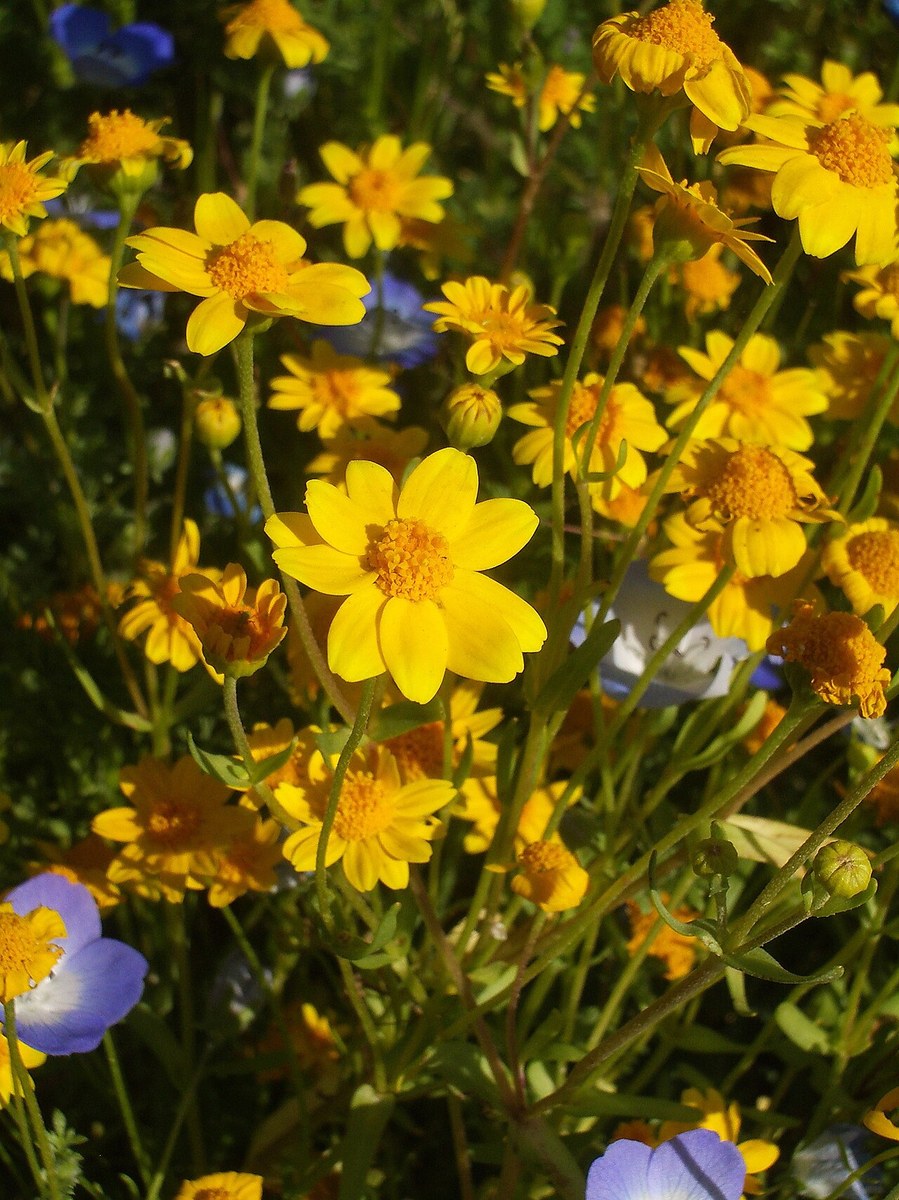
Lasthenia glabrata, known as yellowray goldfields or yellow-rayed lasthenia, is a California-endemic annual wildflower in the sunflower family (Asteraceae) that paints vernal pools, moist grasslands, and alkaline flats in brilliant gold each spring. It belongs to the goldfields group of Lasthenia species famous for carpeting California’s valley floors in solid sheets of yellow during wet years, a phenomenon early travelers through the Central Valley described as fields that looked dusted with gold.
This species is a true California endemic, found nowhere else in the world, and it is closely tied to seasonally wet habitats: the edges and basins of vernal pools, alkaline seeps, salt marsh margins, and moist low spots in grasslands that pool with winter rain and dry out by early summer. Its daisy-like flower heads, with bright yellow rays surrounding a darker yellow-orange disc, open low on branching stems that rarely exceed knee height, often blooming in dense, locally abundant stands rather than as scattered individuals.
Yellowray goldfields is best suited to a specialty native garden that can replicate its seasonally wet-then-dry habitat, such as a vernal pool restoration, a rain garden with a hardpan or clay base, or a low spot that naturally collects winter runoff. It is not a general-purpose garden annual, but where conditions suit it, it offers an authentic, ecologically important slice of California’s vanishing vernal pool flora.
Identification
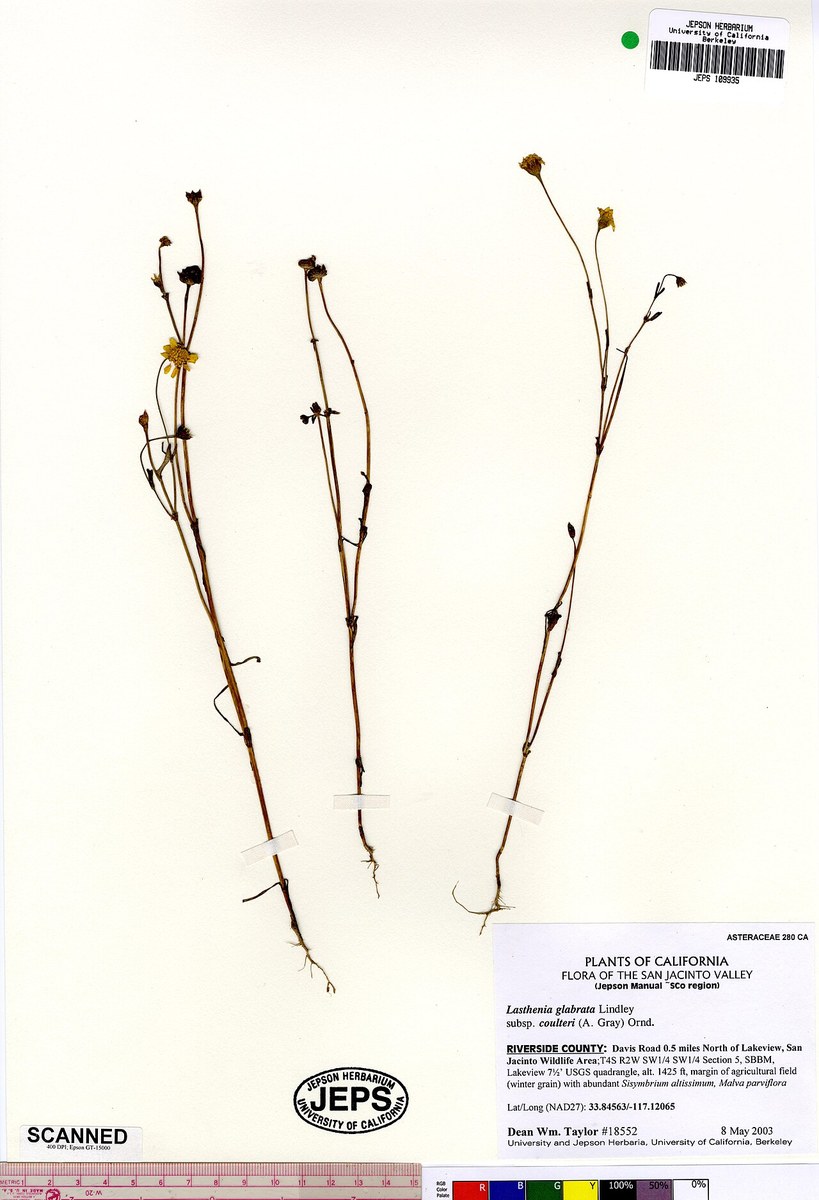
Yellowray goldfields is a low, branching annual herb, typically growing 4 to 20 inches tall depending on soil moisture and competition, with slender, somewhat fleshy stems that can be hairless to lightly hairy.
Leaves
Leaves are opposite, narrow, and linear to lance-shaped, 1 to 3 inches long, usually untoothed or with a few shallow lobes near the base. Foliage is thin-textured and often slightly succulent, an adaptation shared by several plants of seasonally saturated, sometimes saline soils.
Flowers
Each flower head is a small sunflower-family composite ½ to 1 inch across, with 6 to 13 bright yellow ray florets surrounding a cluster of deeper yellow to orange disc florets at the center. Flower heads are borne singly at the tips of branching stems, opening from February through June depending on local rainfall and elevation, typically peaking in March and April in most of its range.
Fruit & Seeds
Flowers mature into small, dry, single-seeded fruits (achenes) that lack the showy pappus bristles of some composite relatives, or bear only short scales. Seed is shed as the plant dries and dies back with the arrival of the dry season, completing its annual cycle entirely within the wet months.
Quick Facts
| Scientific Name | Lasthenia glabrata |
| Family | Asteraceae (Sunflower) |
| Plant Type | Annual Wildflower |
| Mature Height | 4–20 in |
| Mature Spread | 6–12 in |
| Growth Rate | Fast (annual) |
| Sun Exposure | Full Sun |
| Water Needs | High in winter/spring; none in summer dormancy |
| Soil Type | Heavy clay or hardpan; seasonally saturated, alkaline or saline tolerant |
| Soil pH | 6.5–8.5 (tolerates alkaline soils) |
| Bloom Time | February – June |
| Flower Color | Bright yellow rays, yellow-orange disc |
| Fall Color | None (plant is dormant/dead by fall) |
| Fruit | Small dry achenes |
| Deer Resistant | Generally yes |
| USDA Hardiness Zones | 8–10 (grown as a cool-season annual) |
Native Range
Yellowray goldfields is endemic to California, meaning it grows naturally nowhere else. Within the state it occurs from the Sacramento Valley and San Francisco Bay Area south through the Central Valley, the Central Coast, and into the coastal valleys and interior basins of Southern California, including Riverside, San Bernardino, and San Diego counties.
Throughout this range, the species is closely tied to seasonal wetlands: vernal pools and their surrounding swales, alkali meadows and sinks, salt marsh edges, and other low-lying sites that flood with winter rain and dry completely by early summer. These habitats historically covered vast areas of the Central Valley and coastal lowlands but have been reduced dramatically by agricultural conversion and urban development, making intact vernal pool and alkali meadow habitat — and the plants dependent on it — a conservation priority across much of the state.
Because yellowray goldfields depends on this specific wet-then-dry hydrology, it is a strong indicator of vernal pool and seasonal wetland habitat. Gardeners wanting to grow it successfully should look to mimic these conditions rather than treating it as an ordinary dryland wildflower.
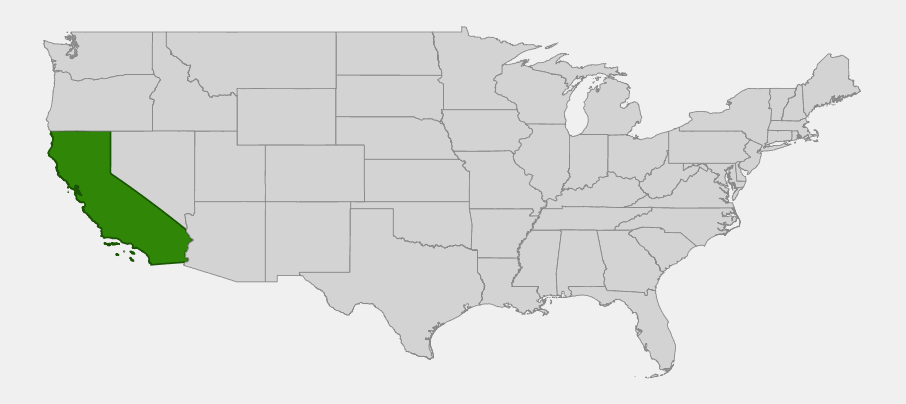
📋 Regional plant lists featuring yellowray goldfields: California & Nevada
Growing & Care Guide
Yellowray goldfields is a specialty plant for gardeners working with seasonally wet, low-lying ground rather than a typical border annual. Success depends on recreating its natural wet-winter, dry-summer rhythm.
Light
Full sun is required for good flowering, matching the open, unshaded vernal pool and grassland sites where it grows naturally.
Soil & Water
This species wants heavy, slow-draining soil — clay or a hardpan layer that holds winter rain in a shallow pool or saturated zone — and it tolerates alkaline or mildly saline conditions better than most garden annuals. Keep the site consistently wet through winter and early spring, matching natural rainfall, then allow it to dry out completely by early summer; constant irrigation through the dry season will kill the plant outside its natural dormancy pattern. This makes it a good match for a rain garden basin with a clay liner or natural hardpan, rather than a conventional well-drained bed.
Planting Tips
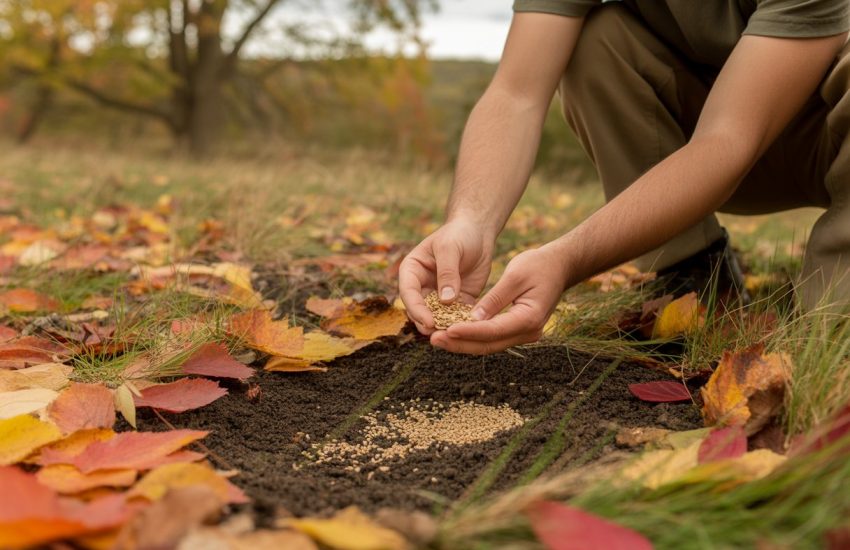
Sow seed directly in fall onto bare, saturated or soon-to-be-saturated soil, since the species germinates in response to the first substantial rains. Avoid amending the planting area with compost or mulch, which can improve drainage and work against the saturated conditions the plant needs. This is best attempted as part of a dedicated vernal pool or seasonal wetland planting rather than mixed into a standard dry meadow.
Pruning & Maintenance
No pruning is needed; the plant completes its life cycle and dies back on its own each year. Allow seed to mature and shatter naturally to maintain the planting, since yellowray goldfields depends entirely on self-seeding to persist from year to year.
Propagation
Propagate only from seed, collected as flower heads dry and seed begins to shed. Store seed cool and dry until fall sowing; no stratification is typically needed since the seed naturally germinates with the onset of the rainy season in its native range.
Landscape Uses
- Vernal pool and seasonal wetland restoration plantings
- Rain garden basins with a clay or hardpan base
- Alkali meadow habitat gardens in the Central Valley and coastal basins
- Conservation and native seed banking projects for vernal pool flora
Wildlife & Ecological Value
As a dominant spring bloomer of California’s vernal pool and alkali meadow habitats, yellowray goldfields plays an outsized ecological role relative to its small size.
For Pollinators
The flower heads attract a range of small native bees, syrphid flies, and other pollinating insects during their bloom window, providing an important nectar and pollen source in habitats that can otherwise be sparse in flowering plants outside the brief wet season.
For Birds
Seed-eating birds forage on the small achenes as plants dry out in late spring, part of the broader seed resource provided by vernal pool annuals as they complete their life cycle.
For Mammals
Small mammals in grassland and vernal pool margins incidentally forage on seed and foliage, though this species is not a primary browse plant for larger herbivores.
Ecosystem Role
Yellowray goldfields is one of several goldfields species whose synchronized, dense blooming is a defining visual and ecological feature of California’s vernal pool grasslands. Its presence is often used by botanists and land managers as an indicator of intact vernal pool hydrology, and its seed bank persistence allows populations to rebound after dry years once favorable rainfall returns — a resilience strategy shared broadly among vernal pool specialist plants.
Cultural & Historical Uses
Goldfields species as a group, including Lasthenia glabrata, were part of the spectacular spring wildflower displays that struck early American and European visitors to California’s Central Valley, where observers in the 19th century described entire valley floors appearing solid gold or orange with blooming composites during wet years. These displays, along with related vernal pool wildflowers, became emblematic of the California landscape before large-scale agricultural conversion dramatically reduced the extent of vernal pool and seasonal wetland habitat statewide.
Yellowray goldfields does not have a documented history of use as a food, medicine, or fiber plant by Indigenous peoples of California, and no historical utilitarian use is recorded for the species. Its significance has been primarily ecological and, more recently, as a conservation and restoration indicator species for vernal pool habitats that remain a focus of wetland protection efforts in California.
In recent decades the species has drawn growing interest from habitat restoration practitioners and native seed producers working to reestablish vernal pool plant communities on protected and restored wetland sites across its range.
Frequently Asked Questions
Can I grow yellowray goldfields in a normal flower bed?
It is unlikely to thrive in a typical well-drained garden bed. This species depends on seasonally saturated, slow-draining soil through winter and spring, followed by complete summer dryness — conditions best matched by a dedicated rain garden basin, clay-lined depression, or vernal pool restoration area rather than an ordinary border.
Is yellowray goldfields the same as the “goldfields” seen covering California hillsides in photos?
It is one of several related Lasthenia species called goldfields, and it specifically favors wetter, often alkaline sites such as vernal pools and alkali meadows, rather than the drier upland slopes where some other goldfields species, such as Lasthenia californica, are more typical.
Is yellowray goldfields endangered?
It is not currently listed as threatened or endangered, but the vernal pool and alkali meadow habitats it depends on have been heavily reduced across California, making intact populations and their habitat a conservation concern in many parts of the state.
How can I tell yellowray goldfields apart from other similar yellow daisies?
Habitat is the best first clue — it grows in seasonally wet, often alkaline low spots, unlike many look-alike composites of drier upland sites. Close examination of the narrow, mostly untoothed opposite leaves and the small flower heads with 6 to 13 rays is needed to confirm identification among related Lasthenia species.
Does yellowray goldfields need fertilizer?
No. It grows naturally in lean, often alkaline soils and does not require or benefit from fertilizer; focus instead on matching its seasonal moisture pattern.

Looking for a nursery that carries yellowray goldfields?
Browse our native plant nursery directory: California