
Shade Loving Ground Covers Georgia: Best Varieties for Low-Light Gardens
Last updated: October 30, 2026
Gardening in Georgia can throw you some curveballs, especially in those shady corners where most plants just give up. Picking shade-loving ground covers that actually want to be there can totally change these spots into good-looking, easy-care spaces.
The best groundcovers for shade in Georgia are ones that handle low light and don’t mind the state’s climate—think pachysandra, ajuga, and sweet woodruff.
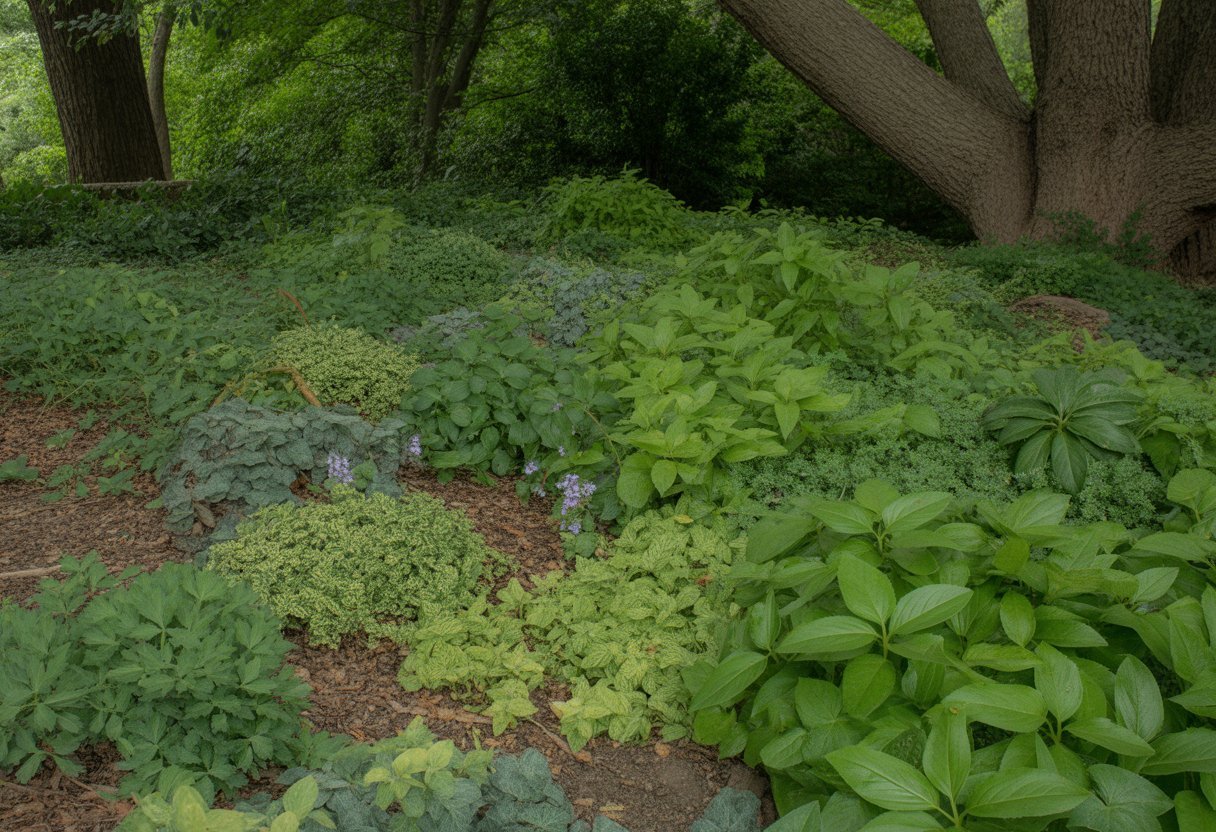
These tough plants help stop erosion, keep weeds down, and bring some texture and color to those dimmer corners. Once they settle in, you barely have to fuss over them, which is a win for anyone who’d rather spend time enjoying the garden than working in it.
Knowing which groundcovers actually work in Georgia’s shade probably saves you a ton of headaches. It’s honestly pretty satisfying to see a garden thrive even without much sunlight.
Top Shade Loving Ground Covers for Georgia
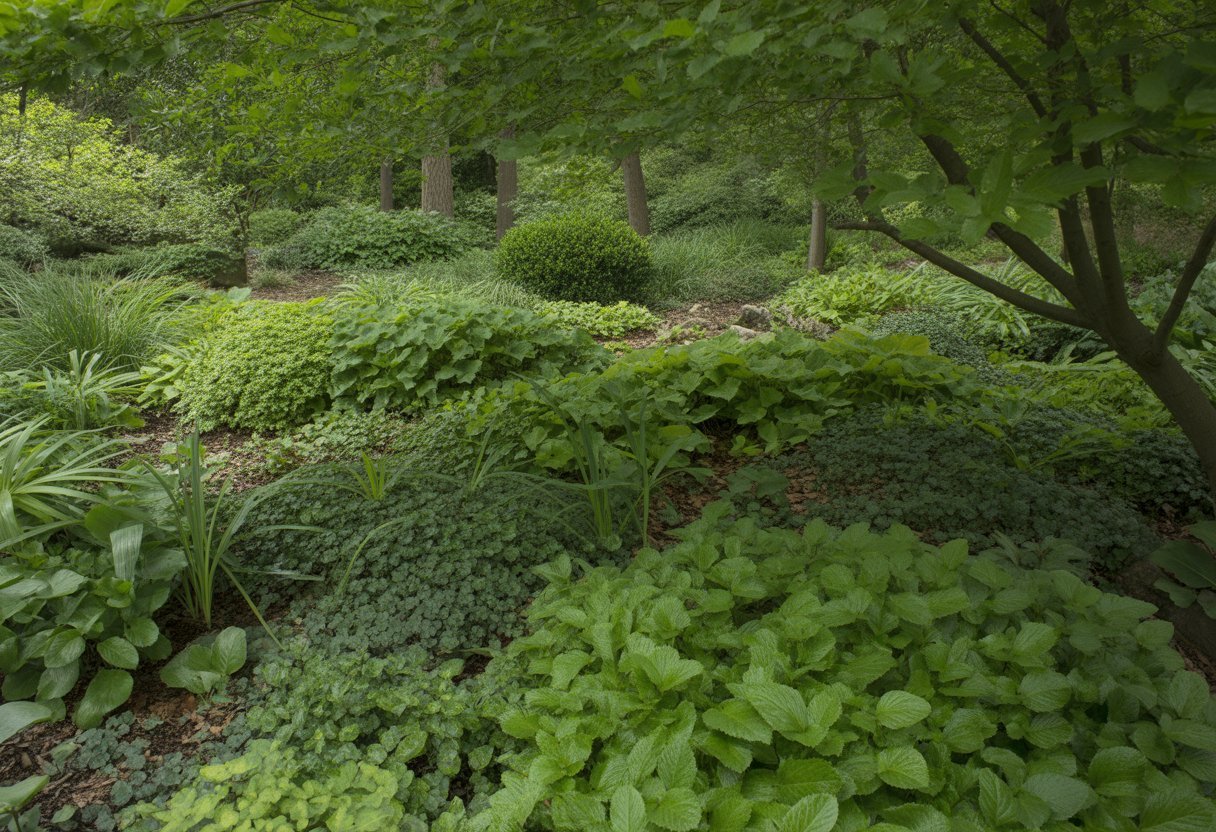
Ground covers that handle shade in Georgia need to cope with all kinds of soil and moisture, plus the competition under big trees. The best ones look good, don’t need much attention, and keep things interesting all year.
Native Shade Ground Covers
Native ground covers just “get” Georgia’s climate and soil, so they’re usually a safe bet for shade. Pachysandra procumbens (Allegheny spurge) stands out, throwing down dense mats of glossy leaves and tiny white flowers in spring. It likes its soil well-drained and a bit acidic.
Packera aurea (Golden ragwort) doesn’t mind wet, shady spots and puts out bright yellow flowers in early spring that pull in pollinators. Native ferns are another go-to—lots of texture, zero drama.
Sweet woodruff (Galium odoratum) spreads fast and smells great when you brush against it. Little white flowers pop up in spring, and it’s great at keeping weeds away.
Popular Non-Native Choices
Some non-natives cover ground faster and bring in cool foliage colors, though you have to watch for the invasive ones. Pachysandra terminalis (Japanese pachysandra) is a classic for shade, stays green all year, and fills space quickly if the soil stays moist.
Vinca minor (Periwinkle) gives you shiny leaves and violet-blue flowers from spring into early summer. It handles dry shade better than most and spreads like it means it.
Ajuga reptans (ajuga) shows off blue or purple flower spikes and, in some types, really striking leaves. It’s tough, even if you walk on it a bit, so it works along shady paths.
Flowering Shade Ground Covers
If you want some color in the shade, flowering ground covers can really help. Woodland phlox and creeping phlox (Phlox subulata) both burst into clusters of scented flowers in spring, loving partial shade and giving a wild, woodland look.
Foamflower (Tiarella) brings delicate white flower spikes that pollinators like. It likes moist, well-drained soil and has leaves that mix things up visually.
Coral bells (Heuchera) are good for both their leaves and their airy flower stems. They handle shade well and show off a surprising range of leaf colors—from deep purple to bright lime.
Candytuft (Iberis sempervirens) isn’t picky about a bit of shade and puts out white flowers that make those darker spots pop in spring.
Vining and Spreading Options
For fast coverage or steep spots, vining and spreading plants get the job done. English ivy covers ground like nothing else, but you’ll need to keep an eye on it so it doesn’t take over.
Liriope (and dwarf mondo grass) grows in thick clumps that look like grass, plus it sends up purple flower spikes. It’s not fussy about soil.
Lamium (spotted deadnettle) spreads fast, has variegated leaves, and little pink or white flowers. It shrugs off dry shade and deer, which is always a bonus.
Creeping Jenny (Lysimachia nummularia) lights up shady edges with its yellow-green leaves and trails along, but you might have to rein it in if the soil stays wet.
Selecting the Right Ground Cover for Shade in Georgia
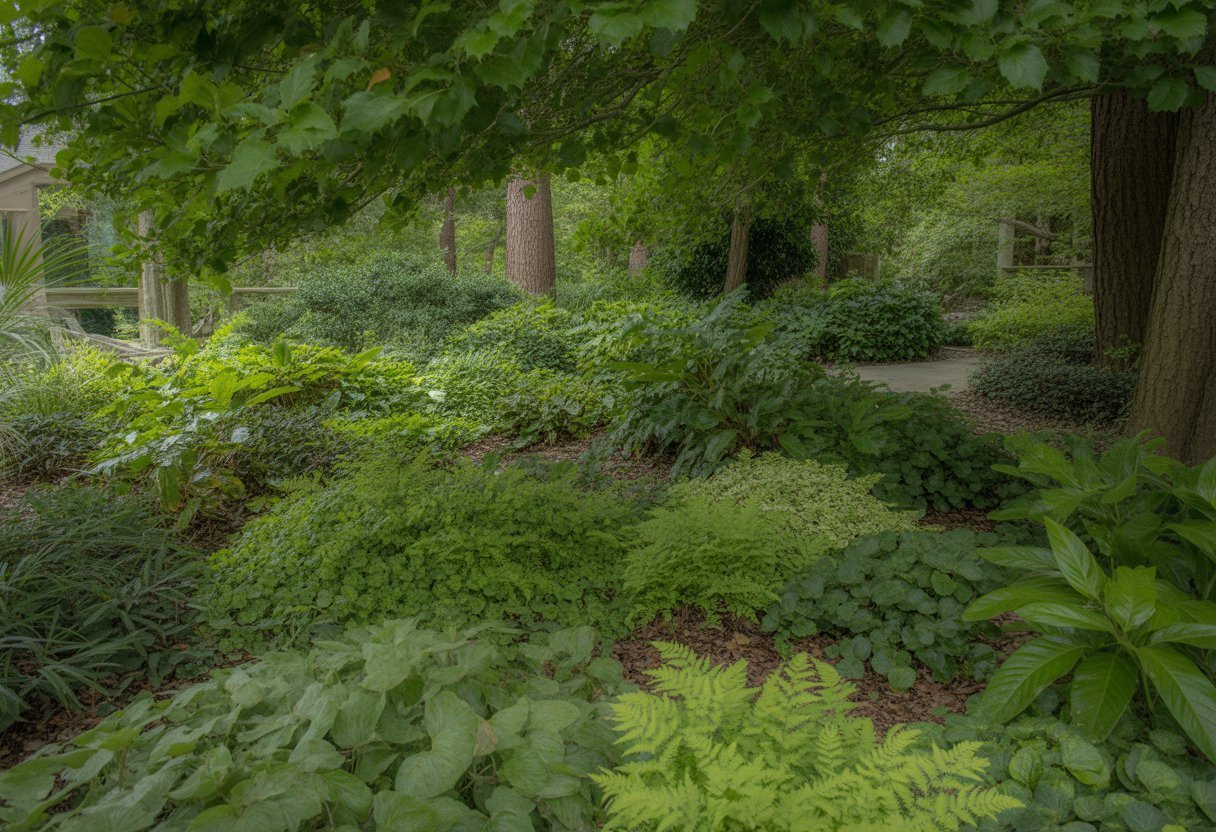
Picking the right ground cover for shade in Georgia means knowing your light, soil, and how wet things get. You’ll want to think about leaf color, shape, and how it fits with the rest of your garden too.
Light Requirements: Shade, Part Shade, Part Sun
You’ve got to match the plant to the light it’ll get. Full shade is less than two hours of sun a day, usually under thick trees—Asarum canadense is happy there. Part shade is three to six hours of sun, while part sun is six or more hours but not the full blast.
Some ground covers can handle a little more sun, but most want dappled light. Pachysandra terminalis does fine from full shade to part shade. If you pick the wrong plant for your light, you’ll end up with crispy leaves or sad, leggy growth.
Soil and Moisture Needs
Shade-loving ground covers want soil that drains well and stays fertile with steady moisture. Georgia’s clay soil can be tricky, so mixing in organic stuff helps a lot. Don’t let things get too dry—plants like Ajuga reptans don’t like it—but soggy soil will rot their roots.
On slopes where water runs off fast, erosion can be a real pain. Choose plants that can handle those conditions and you’ll have less to worry about. Testing your soil’s pH isn’t glamorous, but it pays off since most shade plants want it a bit acidic (around 5.5–6.5).
Foliage Color and Texture
Mixing up leaf color and texture keeps shady gardens from looking flat. Deep green is classic, but variegated types like Lamium maculatum give nice contrast. Some leaves are shiny, some are fuzzy, and that variety makes a difference.
Consider how the plant grows—does it creep, mound, or spread? Some don’t flower much but look good just for their leaves, which is perfect if you’re swapping out lawn in the shade. Match the plant’s look and upkeep to your style.
Landscape Design with Shade Ground Covers
When you use ground covers well, you get a garden that looks neat and needs less weeding. They’re great for keeping slopes in place and making a smooth green carpet, or you can use them as a bold accent. Mixing them with shade-tolerant shrubs and trees gives you layers and depth.
Ground covers can step in where grass gives up in deep shade. Toss in a few standout plants to keep things interesting. Leave enough space when planting so everything has room to grow—overcrowding just invites pests and problems.
Companion Plants for Shade Gardens in Georgia
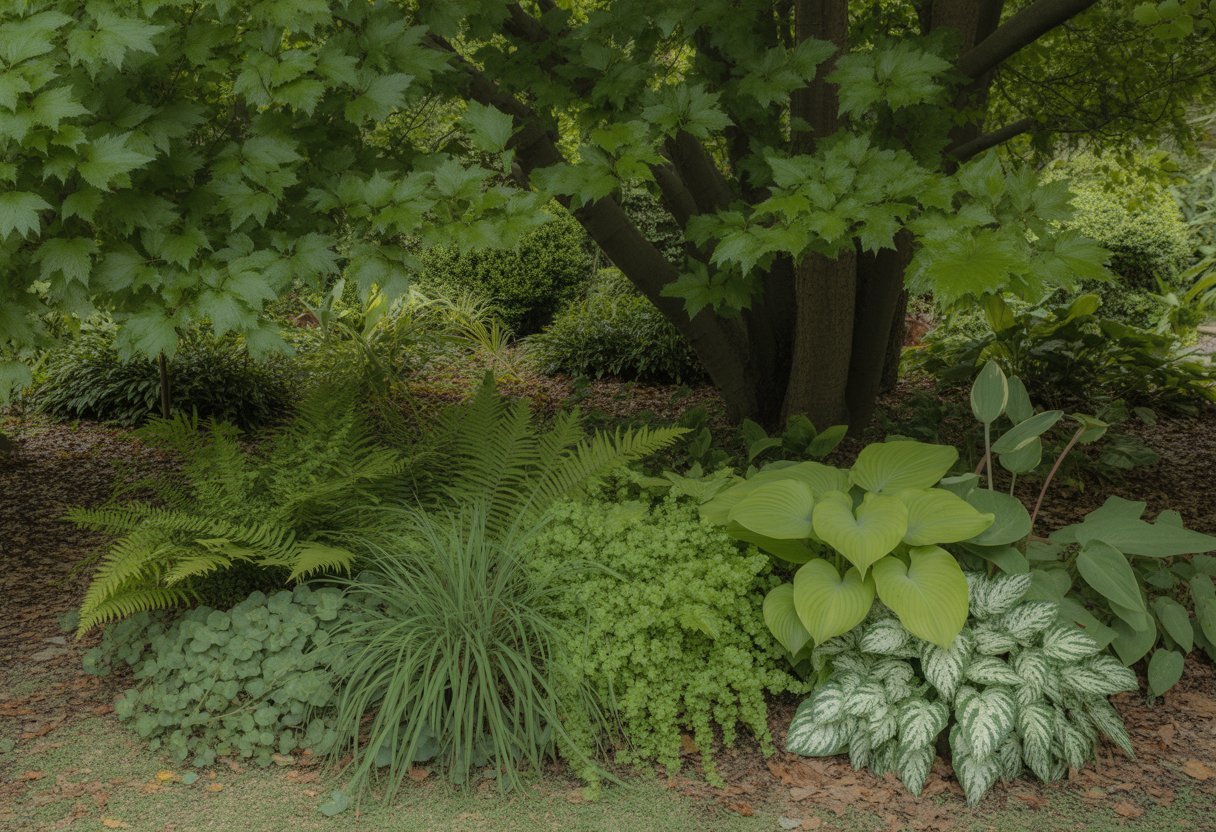
Choosing plants that get along in the shade brings structure and interest through the seasons. Mixing ground covers with shrubs, small trees, and perennials makes for a healthy, good-looking garden in Georgia’s shady spots.
Pairing with Shrubs and Small Trees
Shrubs like azaleas, mountain laurel, and rhododendrons pair well with ground covers, adding layers and bursts of color. Deciduous small trees like flowering dogwood let in dappled sunlight and give you seasonal flowers beneath their branches.
Conifers—think dwarf yews or red cedars—make a steady green backdrop that sets off your ground covers. When you’re picking companion plants, double-check that they want the same soil and moisture. Most shade-loving shrubs and trees in Georgia like well-drained, acidic soil, which lines up with favorites like pachysandra or ajuga.
Give everything enough space so air can move and leaves don’t crowd. That way, you dodge disease problems and keep your garden in balance.
Integrating with Perennials and Specimens
Perennials like hostas, ferns, and foamflower make excellent companions. They handle shade well and bring all sorts of interesting foliage to the mix.
You get seasonal texture and a pop of color from these plants, and they don’t hog space or nutrients. That’s always a relief in a crowded garden bed.
Specimen plants—think Japanese forest grass or heuchera—draw the eye thanks to their striking foliage or bold colors. It’s hard not to stop and look when you see one nestled among the ground covers.
These specimens boost visual interest and still play nicely with shade. Honestly, it’s a win for anyone hoping to avoid a boring, monotone garden.
When you mix perennials with ground covers, you get a natural weed blocker. The soil stays put, too, which is crucial if you hate erosion as much as I do.
It’s important to pick plants that want the same amount of moisture and light. If you get that right, everything just seems to click, and your shade garden in Georgia feels like it belongs there.

