Tools Every South Carolina Gardener Needs for Efficient Year-Round Growth
Last updated: October 6, 2026
Gardening in South Carolina means working with a warm climate and all sorts of soil quirks. If you know which tools to pick, you’ll have a much easier (and honestly, more fun) time keeping your garden healthy.
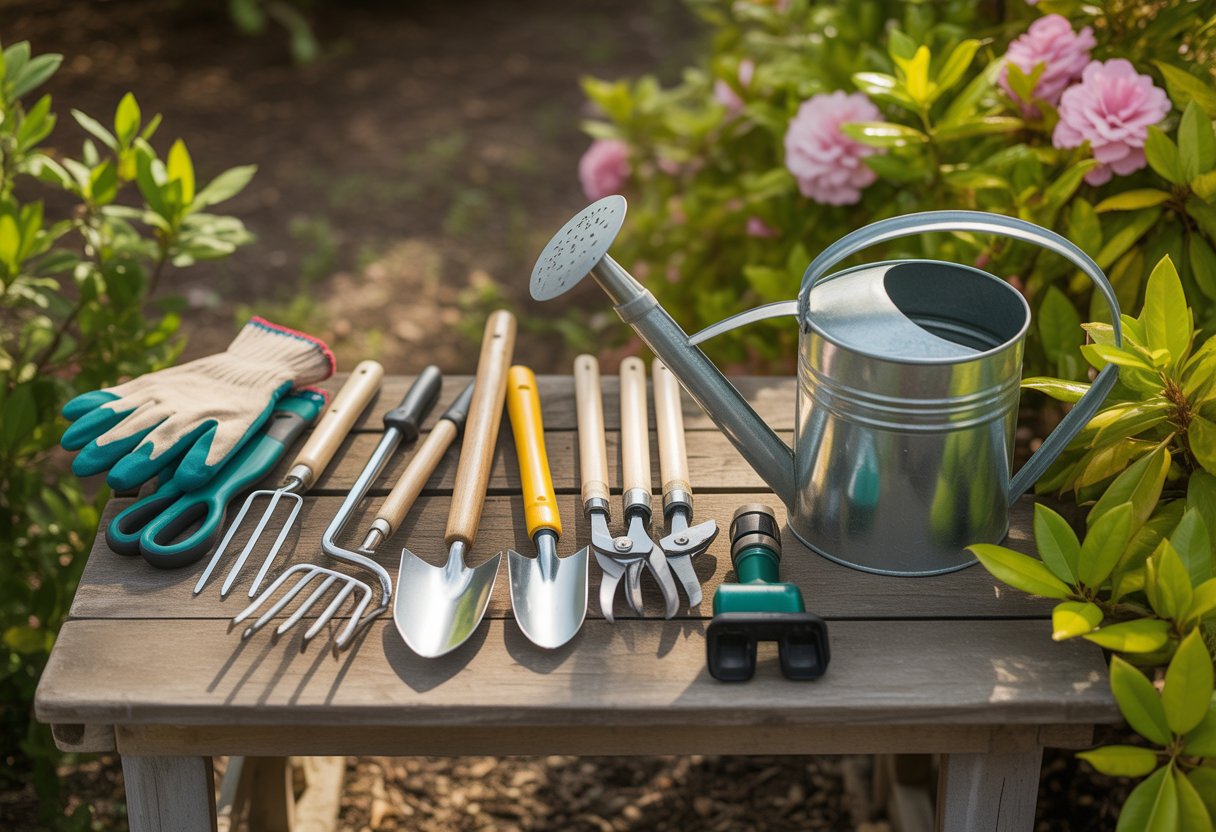
You’ll want sturdy pruning shears, a reliable hoe for soil cultivation, and a watering system that won’t quit during those brutal summer days. These basics help you keep growth in check, prep your soil, and make sure your plants don’t dry out when the sun’s relentless.
When you pick gear that’s made for South Carolina, you spend less time fighting your tools and more time actually growing stuff. Honestly, that’s what makes gardening here worth it.
Essential Gardening Tools for Every South Carolina Gardener
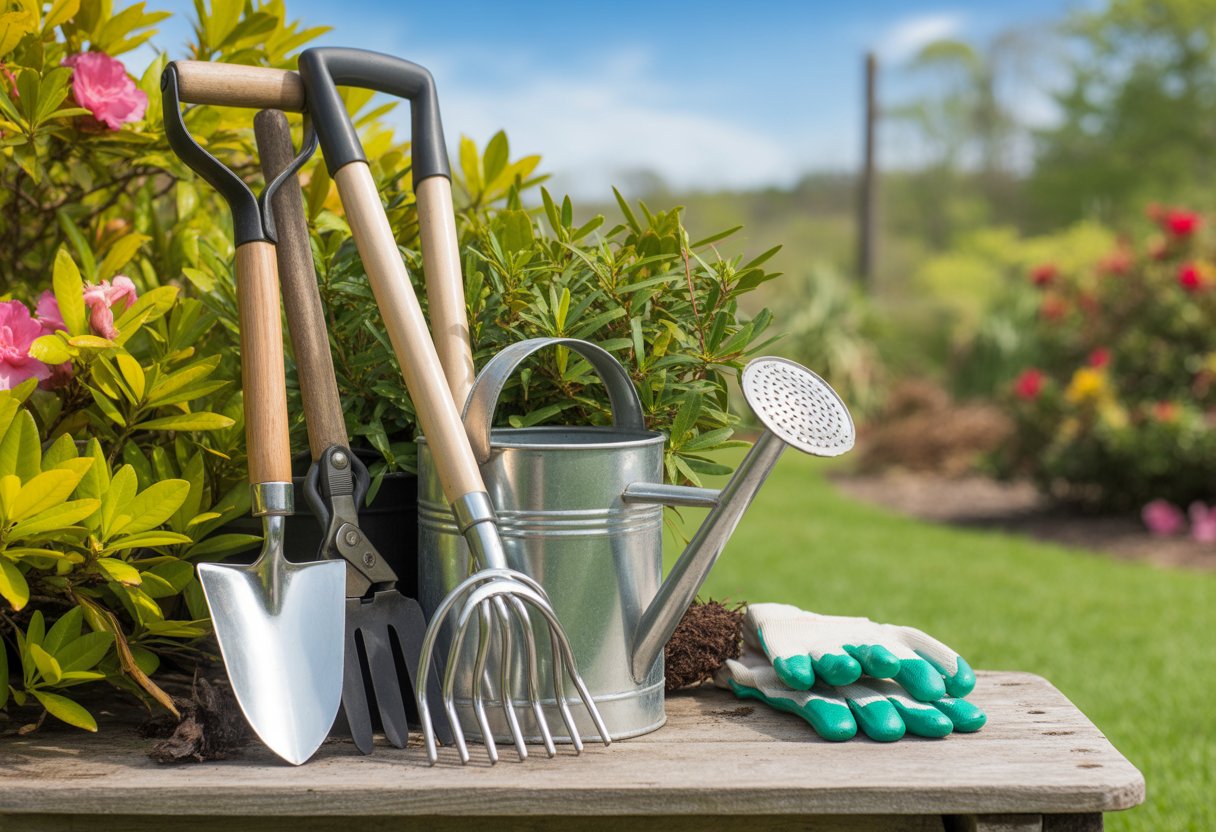
A good South Carolina gardener arms themselves with tools that can handle unpredictable weather and tricky soils. You’ll need tough hand tools, sharp pruners, gloves that actually protect, and watering gear that can keep up.
Hand Tools You Can’t Live Without
You can’t dig or plant much without a solid trowel. A hand fork comes in handy for loosening up dirt and yanking out weeds.
Snips are perfect for those tiny, precise cuts when big tools just get in the way.
If you’re choosing materials, go for stainless steel—rust is a real issue in this state’s humidity. Ergonomic handles matter more than you’d think, especially if you’re out there for hours.
A compact hand cultivator helps aerate the soil without messing up your plants’ roots.
High-Quality Pruning Equipment
Pruning keeps plants healthy and actually encourages more growth. Bypass shears give you clean cuts on live branches, which helps prevent disease.
For thicker branches, loppers give you the extra muscle you need. South Carolina’s climate means you should look for pruning tools with sharp, rust-resistant blades.
Keep those blades sharp—dull tools just make a mess. You’ll want a pair of pruning snips for delicate trimming around herbs or flowers.
Garden Gloves for Proper Protection
Gloves save your hands from thorns, bugs, and whatever else is lurking in the dirt. Pick breathable gloves with reinforced fingertips—comfort and safety are both non-negotiable.
It gets hot here, so gloves that wick away sweat are a must. If your gloves fit well, you’ll have way more control, especially with smaller tools.
Watering and Irrigation Essentials
Plants get stressed fast in the South Carolina heat, so watering isn’t optional. A hose nozzle with adjustable spray settings helps you control how much water you use, and keeps the soil where it belongs.
A sturdy watering can lets you target roots without splashing everywhere. Drip irrigation systems are a lifesaver for water conservation and healthy roots.
Go for hoses and nozzles that can handle relentless sun and heat—cheap stuff just cracks and leaks.
Maintaining Healthy Soil and Plants
If you want healthy soil and thriving plants, you need to measure and fertilize carefully. Tossing on random amounts of fertilizer can do more harm than good.
Effective Use of Measuring Cups for Garden Care
Measuring cups make it easy to apply fertilizers and soil amendments safely. You can portion out liquids or granules exactly as the label suggests.
Standard measuring cups marked in milliliters, ounces, or tablespoons help you stay consistent. For liquid fertilizers, clear or color-coded cups prevent you from going overboard.
Wash your measuring cups after every use so you don’t mix up chemicals or contaminate your soil. Always stick to recommended measurements—it’s tempting to eyeball it, but that’s risky.
Choosing and Applying Fertilizers
Pick fertilizers based on what your soil actually needs—get it tested first. Look for the N-P-K ratio on the bag so you know what you’re giving your plants.
Organic options like compost and manure slowly improve soil structure and feed your plants over time. Synthetics work fast but need careful measuring.
How often you fertilize depends on your plants and the product. Usually, you’ll spread granular fertilizers around the base, while liquids get diluted and poured in when watering.
Measuring cups help you avoid overdoing it. Too much fertilizer can burn leaves, wreck roots, or mess up your soil, so accuracy really matters.
Integrated Pest Management and Protection
Managing pests means knowing what you’re up against, picking the right control methods, and using chemicals safely if you have to. South Carolina gardeners need to recognize local pests and use the right tools to protect both their plants and the environment.
Identifying and Addressing Common Pests
Common pests here include aphids, spider mites, whiteflies, and Japanese beetles. Check your plants regularly—look for yellowing, holes, sticky stuff, or bugs on leaves and stems.
If you spot trouble early, you can treat it before it spreads. Sometimes, just picking off beetles or trimming infested branches does the trick.
Bringing in beneficial insects like ladybugs or lacewings helps control aphids and scale naturally. Knowing when pests are most active can make your efforts way more effective.
Pest Control Tools and Strategies
You’ll need hand sprayers, insect traps, and fine mesh covers to block pests without resorting to chemicals. Sticky traps catch flying nuisances like whiteflies and gnats.
Garden forks and rakes disturb soil pests hiding below the surface. Rotating crops, keeping things tidy, and watering properly help prevent outbreaks in the first place.
Mulch cuts down on weeds that shelter bugs. A magnifying glass comes in handy for spotting tiny insects early.
Pair these tools with natural predators to cut down on chemical controls. Sometimes, a little patience and observation go further than you’d expect.
Using Insecticides and Pesticides Safely
Sometimes, you really do need insecticides or pesticides. When that happens, pick products labeled for the exact pest and plant you’re dealing with.
Neem oil, insecticidal soap, and pyrethrin sprays come up a lot as common choices. Double-check those label instructions—especially for how much to use and when.
Gloves and masks go a long way to cut down on exposure. Skip spraying on windy days or when pollinators are buzzing around, since you don’t want to harm the good bugs.
Store all chemicals somewhere kids and pets can’t get to them. And when you’re done, make sure you toss containers the right way—South Carolina has rules for that, and it’s worth following them to keep the environment safe.