
Top 5 Commercial-Grade Commercial Soil Mixer to Consider for Eco-Conscious Growers in 2026
We independently select all products and services. If you click through links we provide, Plant Native may earn a commission with no extra cost to you.
Last updated: November 8, 2026
Soil mixers are a must-have for growers who want well-balanced, aerated soil blends. These machines combine compost, peat, perlite, and other ingredients so plants can grow stronger and healthier.
For commercial growers, the efficiency and capacity of a soil mixer really matter. You need to handle big volumes without sacrificing soil quality.
Commercial-grade soil mixers usually have bigger capacities, powerful motors, and tougher components than the stuff you’d use at home. Eco-conscious growers also benefit from mixers that handle organic matter gently, which helps preserve all that good microbial life and supports sustainable practices.
Picking the right mixer can cut down on labor and keep your soil consistent. That’s huge for plant health.
When you’re shopping for a commercial soil mixer, think about size and mixing capacity first. The scale of your operation will drive that decision.
Material durability, energy use, and how easy it is to clean all make a difference too—especially if you’re aiming for hygienic, sustainable practices.
We put several commercial-grade soil mixers to the test to find the top models for eco-conscious growers.
Top 5 Commercial-Grade Soil Mixers for Eco-Conscious Growers
We picked these commercial-grade soil mixers for their performance, durability, and environmental impact. Each one has features that support sustainable growing without sacrificing efficiency or quality.
Our top pick
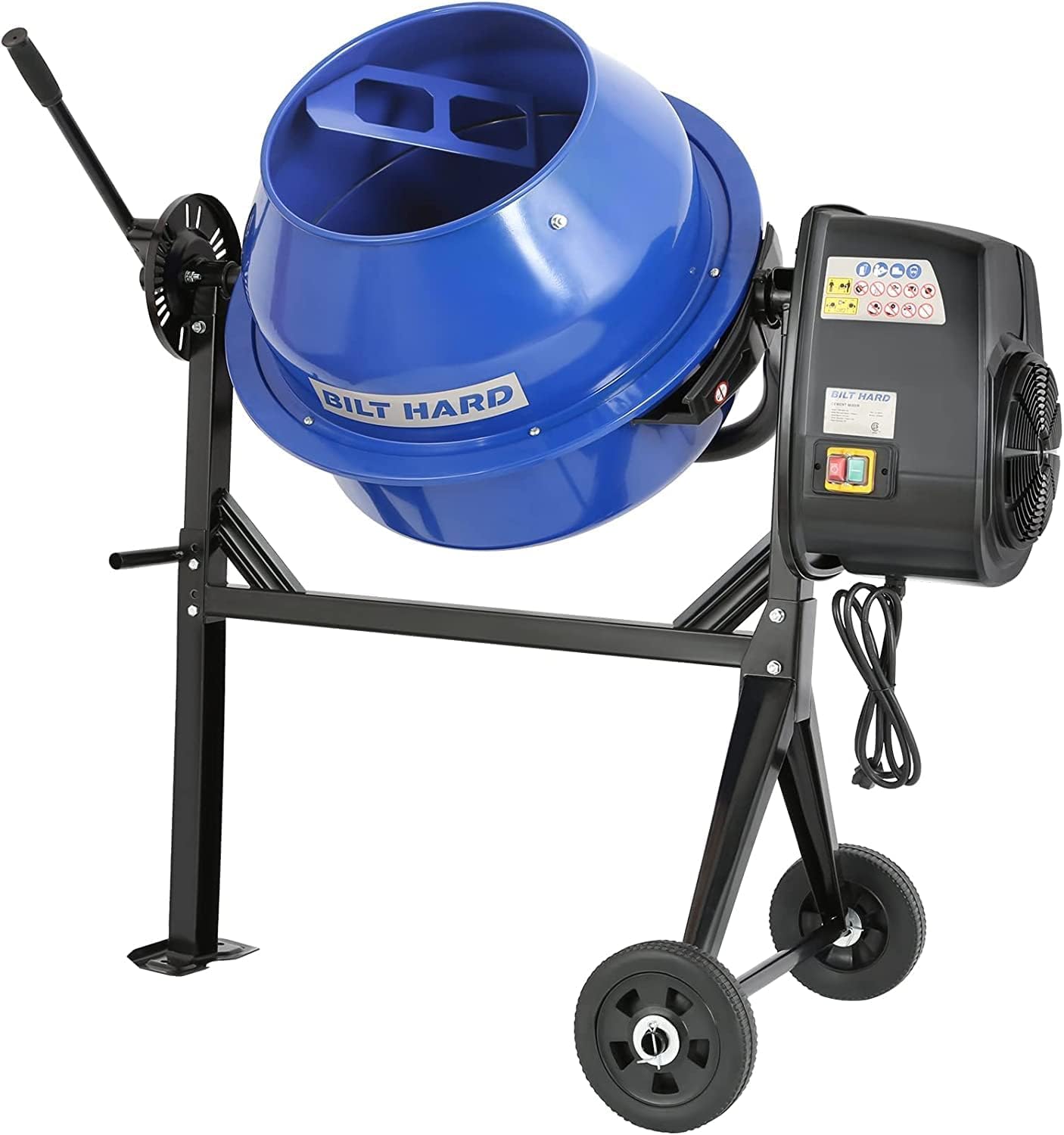
- Powerful 550W motor handles thick mixes smoothly
- Durable metal frame with powder-coat finish resists wear
- Portable design with sturdy wheels for easy movement
Cons
- Requires assembly before first use
- Steel drum needs cleaning promptly to prevent rust and buildup
- Motor noise may not suit quiet, shared spaces
Motor noise is worth keeping in mind for shared spaces or early-morning mixing. With a 4 cu ft drum and a steel frame, the BILT HARD mixer is built for heavy-duty mixing jobs like soil amendments or organic compost blends, making it our top pick for larger batches.
Best aluminum option
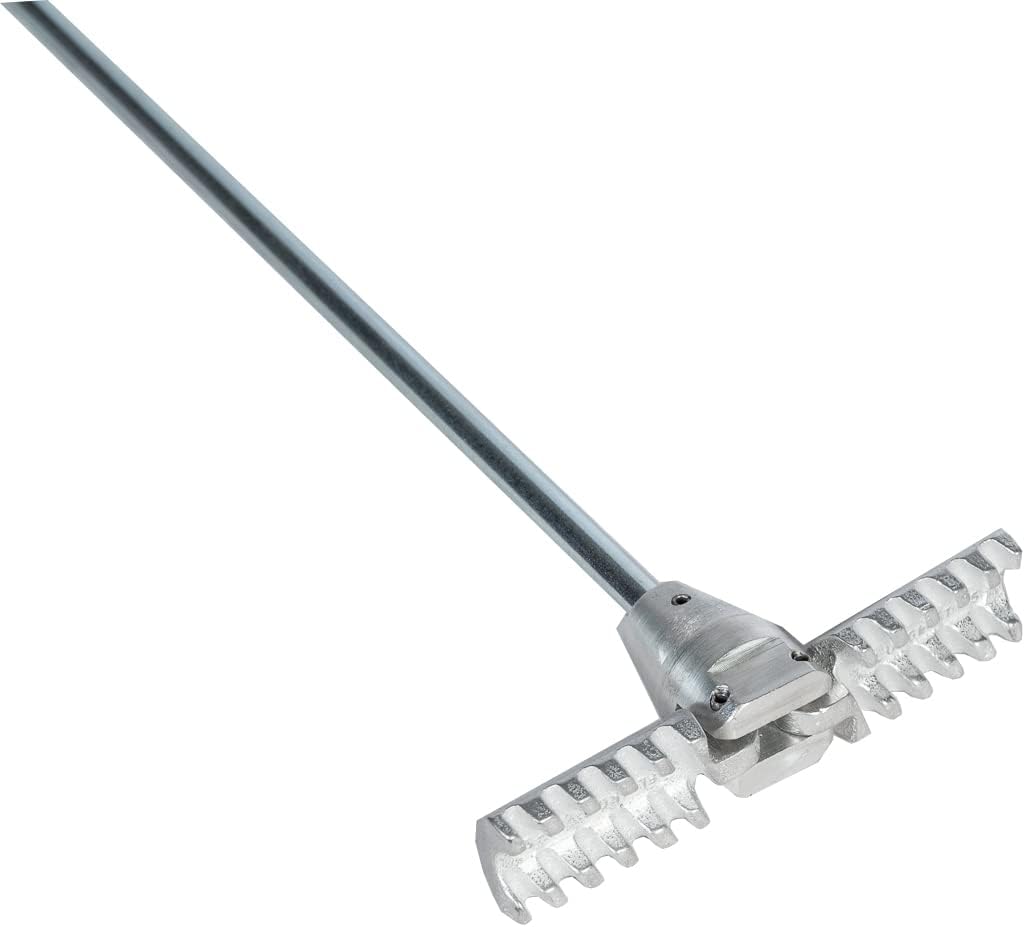
- Mixes liquids without removing container lids
- Durable aluminum mixing head with steel shaft
- Works with standard portable drills or mixing motors
Cons
- Only mixer included; container and motor sold separately
- Limited to 5-gallon sealed containers with pour spouts
- Shaft length and diameter may limit deep mixing in larger tanks
This helps preserve shelf life, which is a significant advantage if you’re working with sensitive organics or chemicals. If you’re managing small liquid batches in 5-gallon containers, the T-5 can save you time and reduce waste. It’s not for big soil blends, but it does its job for sealed pail mixing—efficient and eco-friendly.
Best for large areas
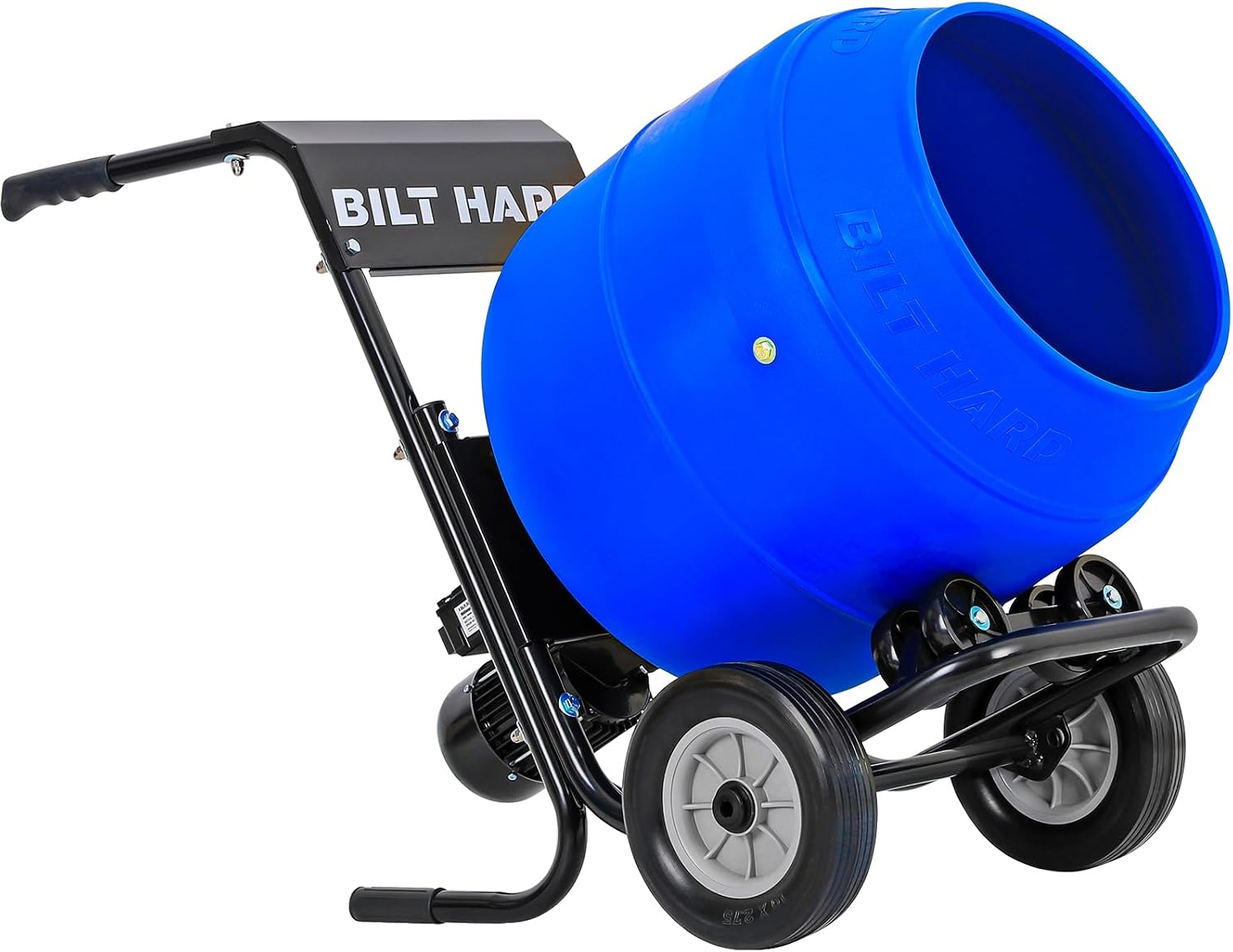
- Strong motor handles various mixes including mortar and feed.
- Durable poly drum resists damage and cleans up easily.
- Large, no-flat tires improve transport across job sites.
Cons
- 2.3 cu ft mixing capacity is smaller than the drum size suggests.
- Requires assembly before first use.
- Pricier than the steel-drum BILT HARD model.
The 500W motor has plenty of power for consistent mixing, whether you’re working with mortar or agricultural mixes like feed or seed inoculants. The powder-coated steel frame is built for regular use, which matters if you’re running a commercial operation or sustainable farm. Still, it’s a solid machine—good balance of power, durability, and eco-conscious practicality.
Best zinc option
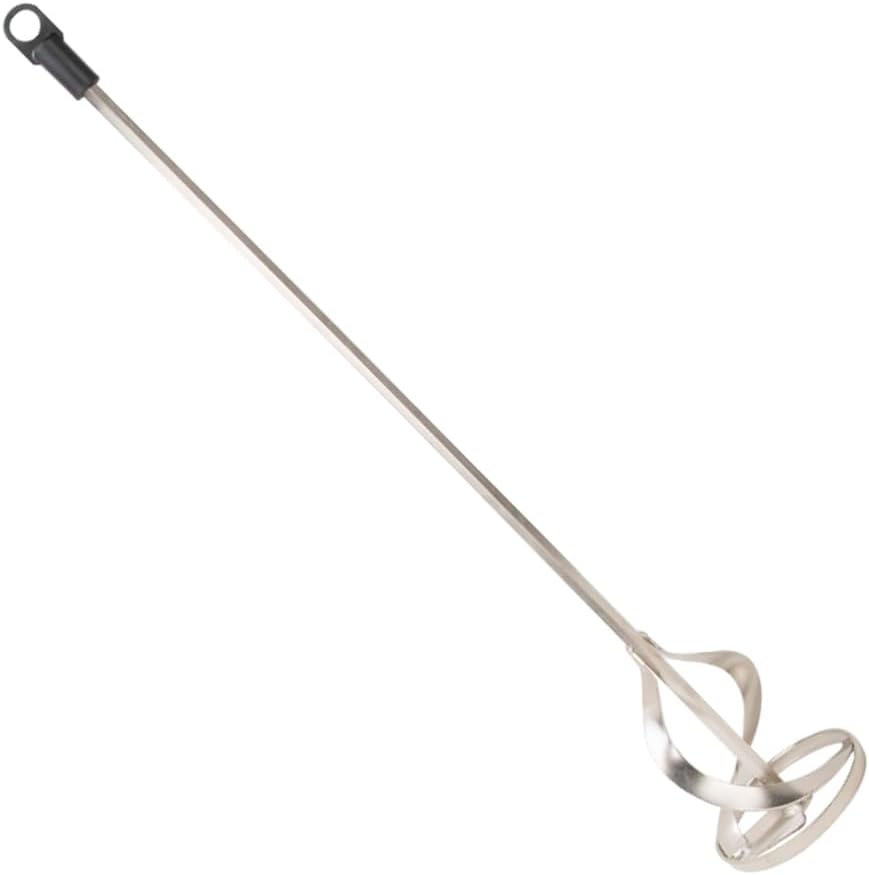
- Rust-resistant zinc-plated steel blade that cleans up with little effort
- Long 24-inch shaft keeps hands clear of the mess
- Industrial grade build with a non-slip hex head design
Cons
- Not made from stainless steel as some might expect
- Cleaning the plated blade can require extra attention to avoid corrosion
- Needs a power drill (designed for 1/2” drills) — not a standalone mixer
The Edward Tools Mud Mixer works great for mixing soil , compost, and amendments without lugging around a big standalone mixer. If you already have a compatible drill and want an affordable, industrial-style mixer, this is worth a look. The lifetime warranty adds some confidence too.
Best concrete option
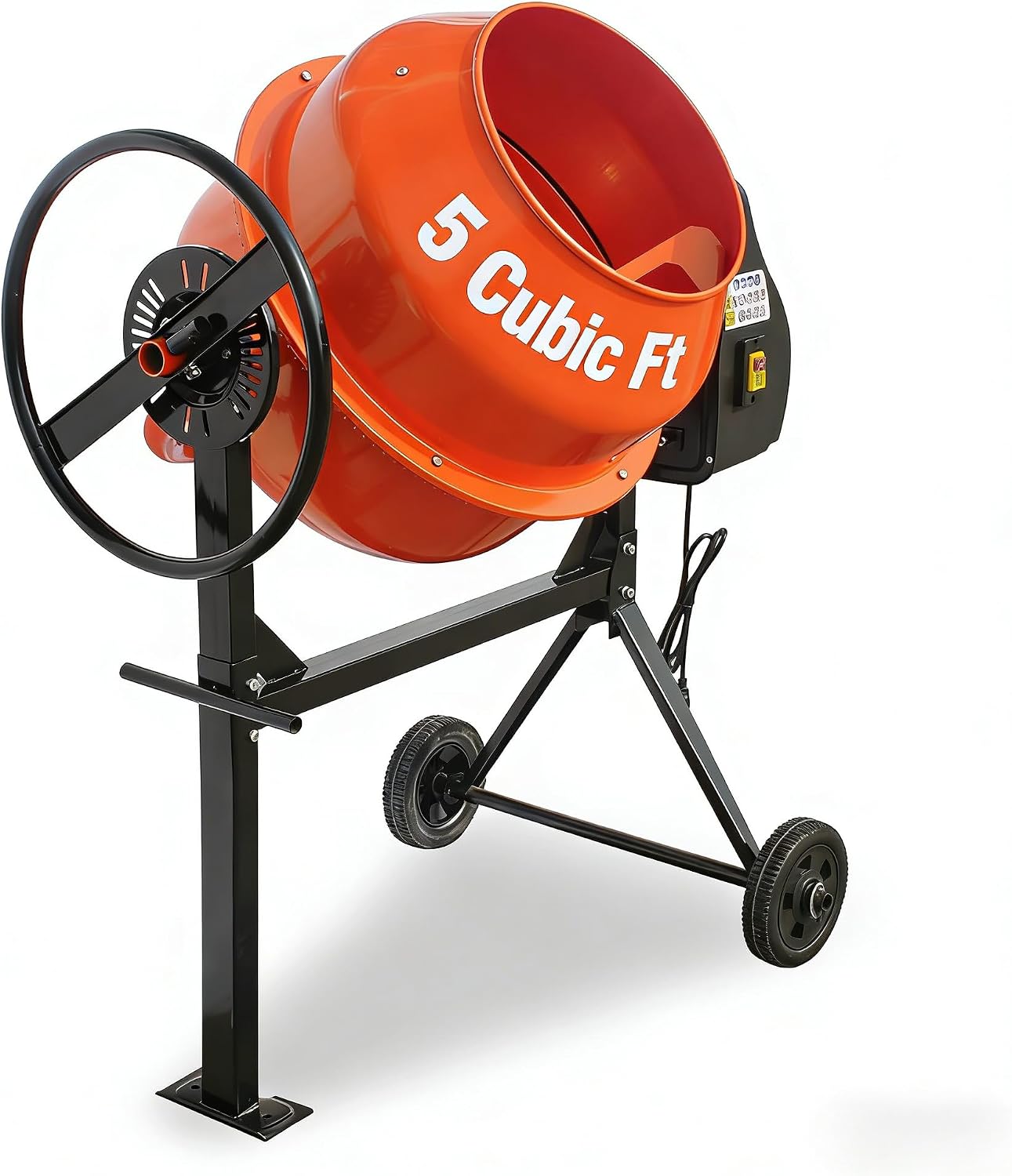
- Efficient motor delivers quick mixing
- Durable steel construction with rust resistance
- Portable design with wheels for easy movement
Cons
- Assembly instructions are unclear and incomplete
- Missing some hardware parts on arrival reported
- 220-pound load limit means several batches for big projects
If you’re handy, you’ll get through it, but it could frustrate several reviewers. The Oarlike mixer has the largest drum on this list and a 550W motor rated up to 2800 RPM. It delivers exactly what it promises, and that counts for a lot.
Buying Guide
When I’m picking out a commercial-grade soil mixer, a few things always jump out at me. Capacity is probably the first.
I check how much soil it can handle per batch, since that needs to fit the scale of the operation. If the mixer holds more, I can get away with fewer mixing cycles and use less energy.
Power source? That’s a big one. I lean toward electric or hybrid models—let’s be honest, they’re better for the planet and usually quieter. Gas mixers might pack more punch, but they’re not exactly eco-friendly.
Durability and material quality really matter for long-term use. I tend to look for corrosion-resistant metals or sustainable parts, since I want something that won’t give up after a tough season.
Ease of maintenance can’t be ignored. If it’s a pain to clean or swap out parts, it just eats up time and patience, and who wants that?
| Feature | What to Consider | Why It Matters |
|---|---|---|
| Capacity | Batch size in cubic feet or liters | Matches workload and reduces cycles |
| Power Source | Electric, hybrid, or gas | Impacts eco-friendliness and costs |
| Material Quality | Stainless steel or similar | Ensures durability and resistance |
| Maintenance | Accessibility of parts and cleaning | Minimizes downtime and expenses |
Mixing speed and adjustability are on my mind, too. If I can tweak the speed, I get more control over the soil texture, which is handy since not every plant likes the same mix.
I’m always weighing efficiency, environmental impact, and how easy notably to use. It’s a balancing act, but it’s worth the trouble for a solid, sustainable setup.
We independently select all products and services. If you click through links we provide, Plant Native may earn a commission with no extra cost to you. As an Amazon Associate I earn from qualifying purchases.

Thanks for putting this together.