
Top 5 Energy-Efficient Greenhouse Fans for Optimal Climate Control
We independently select all products and services. If you click through links we provide, Plant Native may earn a commission with no extra cost to you.
Last updated: November 14, 2026
Greenhouse fans play a crucial role in maintaining optimal growing conditions for plants. They help regulate temperature, humidity, and air circulation, which are essential for healthy plant growth.
Energy-efficient greenhouse fans have become increasingly popular as growers seek to reduce operational costs and minimize their environmental impact.
When selecting an energy-efficient greenhouse fan, it’s important to consider factors such as airflow capacity, power consumption, and noise levels. The size of your greenhouse and the types of plants you’re growing will also influence your choice.
Look for fans with variable speed settings and automatic temperature controls to optimize energy usage.
We researched and tested numerous greenhouse fans to identify the top energy-efficient models that provide excellent performance while minimizing electricity consumption. Our selections offer a balance of power, efficiency, and value for various greenhouse sizes and applications.
Top Energy-Efficient Greenhouse Fans
We’ve researched and selected the best energy-efficient greenhouse fans to help maintain optimal growing conditions while minimizing electricity costs. Our top picks offer powerful airflow, quiet operation, and eco-friendly features to keep your plants thriving year-round.
Our top pick

- 5,800 CFM vertical airflow evens out top-to-bottom temperatures
- Corrosion-resistant body with plastic blades
- Prepared hanging points for ceiling mounting
Cons
- Only a handful of Amazon ratings so far
- Expensive; sized for larger greenhouses
- Short 6.5 ft power cord
Vertical airflow fans push warm air down from the roof and pull cool air up, which reduces temperature stratification and gives plants a more uniform environment. The VF500 is built for full-size greenhouses and hangs from its prepared mounting points. It’s the total package, plain and simple.
Most versatile
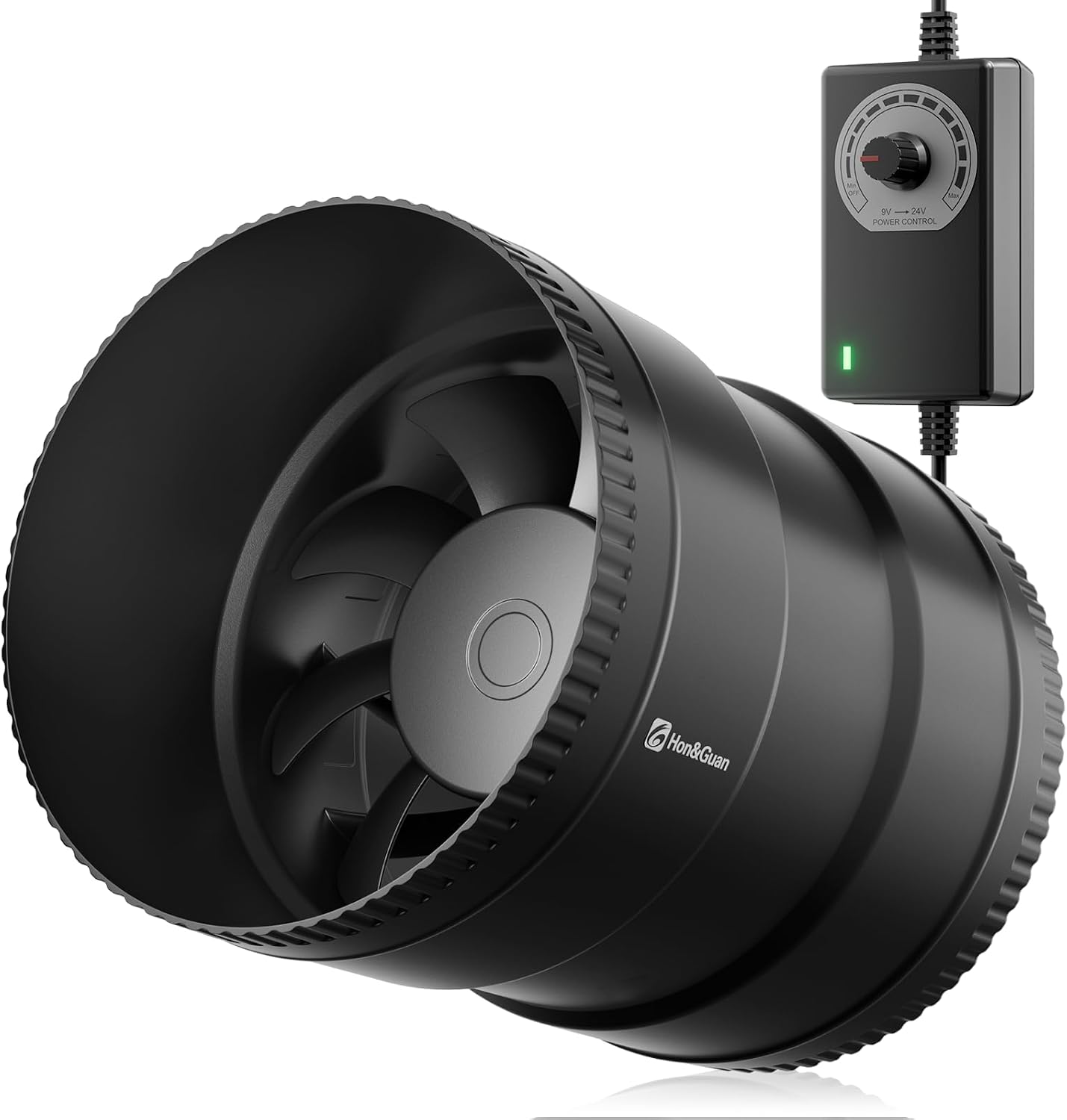
- 345 CFM on just 19.2 W
- Variable speed controller included
- Quiet 32 dBA DC motor
Cons
- Needs 6-inch ducting to install
- Plastic housing and blades
An energy-efficient way to exhaust warm, humid air from grow tents, small greenhouses and other indoor spaces. The speed controller lets you trade airflow for quiet, and the plastic body comes apart for cleaning. If you want one tool that does it all, this comes closest.
Also great

- 320 CFM at a quiet 33 dB(A)
- 10 speeds and a natural-wind mode with the GrowHub app
- IP54-rated for humid grow spaces
Cons
- Only 5 speeds without the app and GrowHub controller
- Pricier than basic clip fans
A smart choice for indoor growing. The local controls give 5 speeds and a timer, and pairing with a VIVOSUN GrowHub unlocks 10 speed levels and app control. The clamp grips round or square poles. It does what it promises and then some — a solid pick all around.
Best for professionals
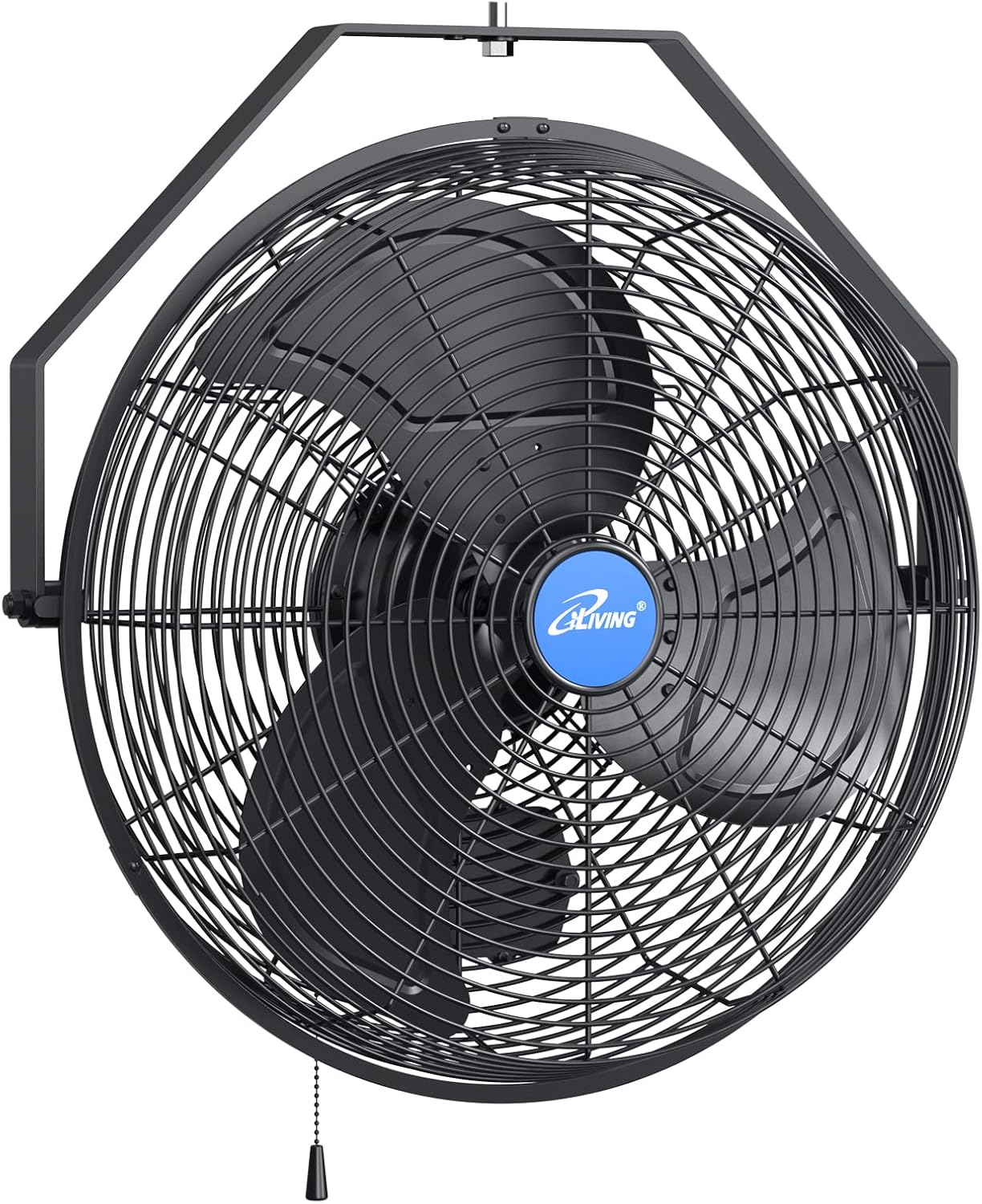
- Sealed, permanently lubricated motor for wet, hot conditions
- Corrosion-resistant finish; UL/cUL listed
- Adjustable wall-mount bracket and 10 ft cord
Cons
- Pull-chain speed control only
- Misting kit sold separately
A weatherproof workhorse for moving air across a greenhouse bench or potting area. The sealed motor and corrosion-resistant finish handle humidity, and at 66 W it is inexpensive to run all season.
Best for small spaces
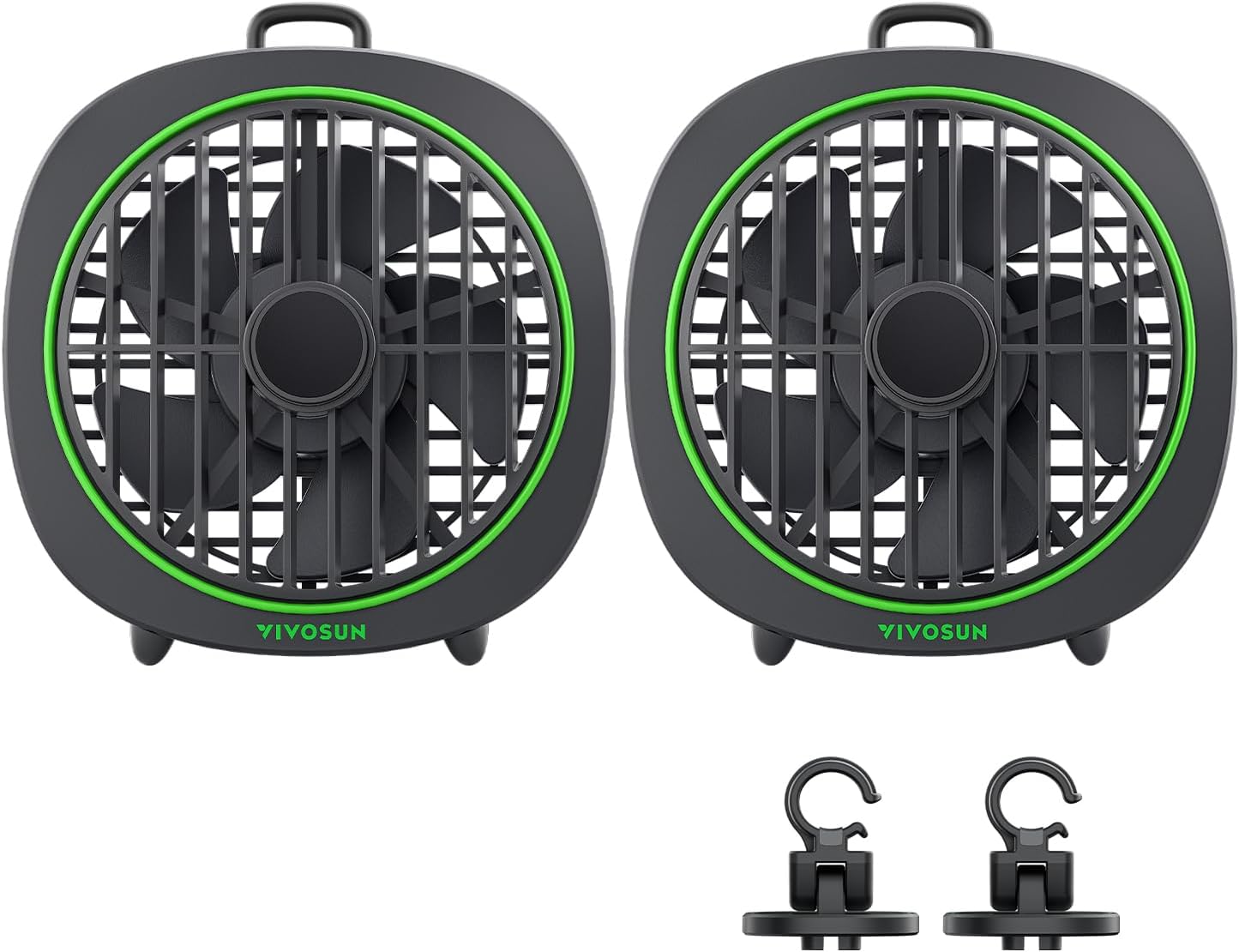
- Quiet operation (35 dBA max)
- Adjustable airflow from wide-span to focused
- Four mounting options: flat, clamp, hanging or magnetic
Cons
- Small 4-inch fans for tents and seedling shelves only
- Iron plate for magnetic mounting not included
The adjustable airflow angle lets you direct air where your plants need it most, and speed memory keeps the setting after a power cut. Two fans in a pack cover both sides of a small tent or shelf.
Buying Guide
When selecting an energy-efficient greenhouse fan, several key factors should be considered. We’ve compiled a list of important features to evaluate:
Airflow Capacity
Look for fans with sufficient cubic feet per minute (CFM) ratings to adequately ventilate your greenhouse space. A higher CFM indicates greater air movement capability.
Energy Efficiency Ratio
The energy efficiency ratio (EER) measures cooling output relative to power input. Opt for fans with higher EER ratings for better energy performance.
Noise Level
Check the decibel (dB) rating of fans. Lower dB levels ensure quieter operation, which can be crucial in greenhouse environments.
Durability and Materials
Choose fans made from corrosion-resistant materials like stainless steel or powder-coated metal to withstand humid greenhouse conditions.
Control Options
Consider fans with variable speed settings or smart controls for customizable airflow management.
Size and Mounting Options
Ensure the fan dimensions are suitable for your greenhouse layout. Look for versatile mounting options to fit your specific setup.
Warranty and Support
A solid warranty and reliable customer support can provide peace of mind for your investment.
We recommend creating a comparison table to evaluate different models based on these criteria.
This approach will help identify the best energy-efficient greenhouse fan for your needs.
Remember to factor in your greenhouse size, climate, and specific plant requirements when making your selection.
By carefully considering these aspects, you’ll be well-equipped to choose an optimal energy-efficient fan for your greenhouse.
We independently select all products and services. If you click through links we provide, Plant Native may earn a commission with no extra cost to you. As an Amazon Associate I earn from qualifying purchases.


Appreciate the honest feedback, Amanda! You make a fair point — every garden situation is unique, and there’s always more nuance to dig into. We’ll keep that in mind for future updates. If you have specific tips from your own experience, we’d love to hear them — real-world knowledge from fellow gardeners is invaluable.
I tried something similar last spring and it worked out pretty well. Glad to see others recommending it too.
Thank you for reading, Michael! Happy planting! -Plant Native Team
Some good points here. I’ve had mixed results personally but worth trying again.
You’re right that soil prep is crucial — we should probably expand on that. Thanks for the feedback! -Plant Native Team
How much do these fans help with humidity as opposed to just temperature in a greenhouse?
Good general info. I’d recommend also talking to your local extension office for area-specific advice.