
When to Fertilize Sedges in Arizona Best Practices for Optimal Growth and Yield
Last updated: October 12, 2026
Sedges in Arizona need fertilization mostly during the growing season. This usually runs from early spring to late summer.
The best time to fertilize sedges is between March and August. That’s when the plants wake up and can actually use the nutrients you give them.
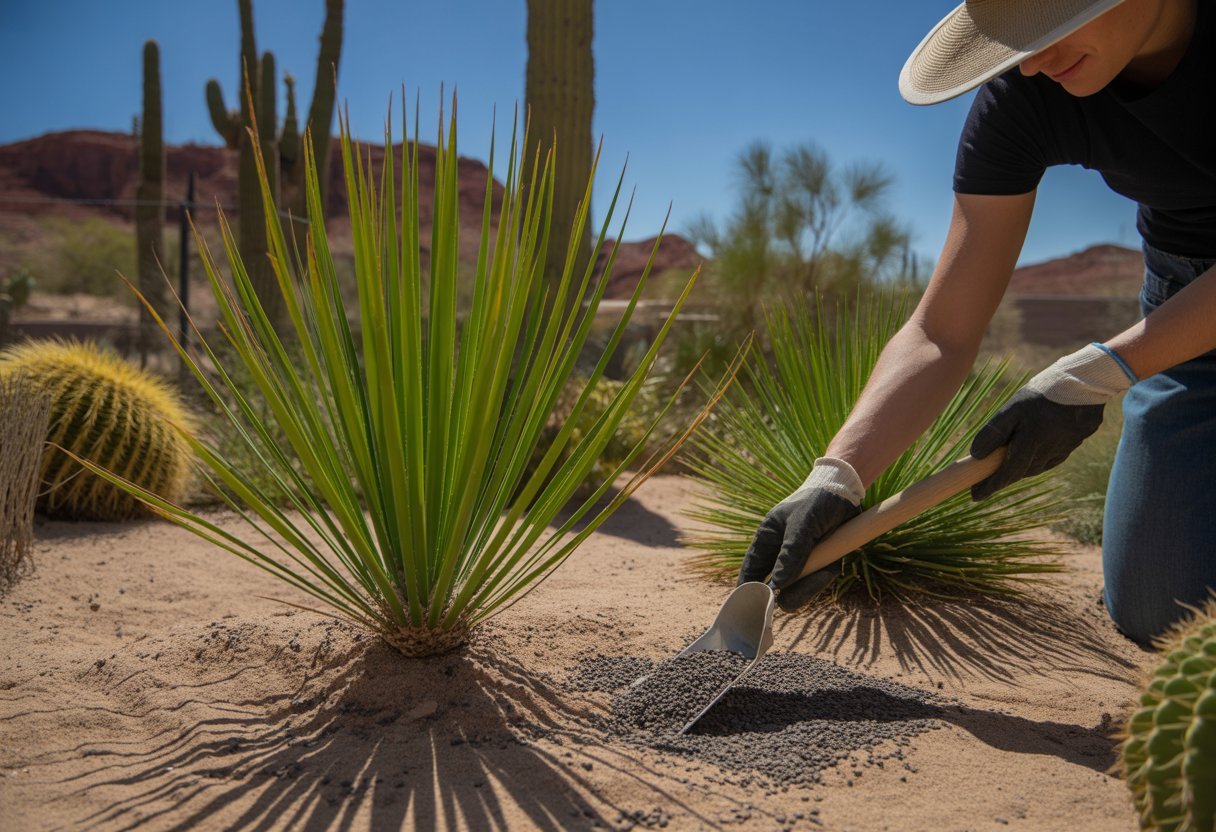
If you fertilize outside this window—especially in fall or winter—you risk wasting your effort or even harming the sedges. During dormancy, they just aren’t pulling nutrients from the soil.
Good timing helps keep growth healthy and prevents you from tossing money (and fertilizer) away.
Water and soil play a part in when to fertilize. With Arizona’s dry climate, it’s smart to fertilize right before regular irrigation or a rare rain, so the nutrients actually soak in.
Ideal Timing for Fertilizing Sedges in Arizona
Fertilizing sedges at the right time can make a big difference in their health and growth. The best timing depends on the season and your specific local climate.
Early Spring Fertilization
Early spring works best for fertilizing sedges as they come out of dormancy in Arizona’s hardiness zones. Sedges start growing once soil temperatures rise above 50°F, usually around March or April.
A slow-release, balanced fertilizer like 10-10-10 works well at this stage. It helps roots get established and clumps expand.
Don’t get carried away with fertilizer, though. Too much can make leaves grow fast but roots weak. A light touch in early spring helps sedges handle Arizona’s heat later on.
Late Summer and Early Fall Considerations
Late summer or early fall fertilization gets tricky. Arizona’s heat can push sedges into a semi-dormant state, so they don’t take up nutrients as well.
If you fertilize now, go easy on the nitrogen. Instead, focus on phosphorus and potassium to build stronger roots and prep for cooler weather.
If the soil’s dry, hold off on fertilizer. Sedges need some moisture to actually use the nutrients.
Growing Season Adjustments
During Arizona’s main growing season, it’s better to watch your plants than stick to a rigid schedule. Soil tests tell you if extra feeding is needed.
If the sedges start looking pale or thin, a little balanced fertilizer every 6-8 weeks can help. Just don’t forget to water after fertilizing.
Adjust how much you use based on the size and look of your sedge clumps. Too much fertilizer can do more harm than good—and nobody wants runoff problems.
Soil, Light, and Water Requirements
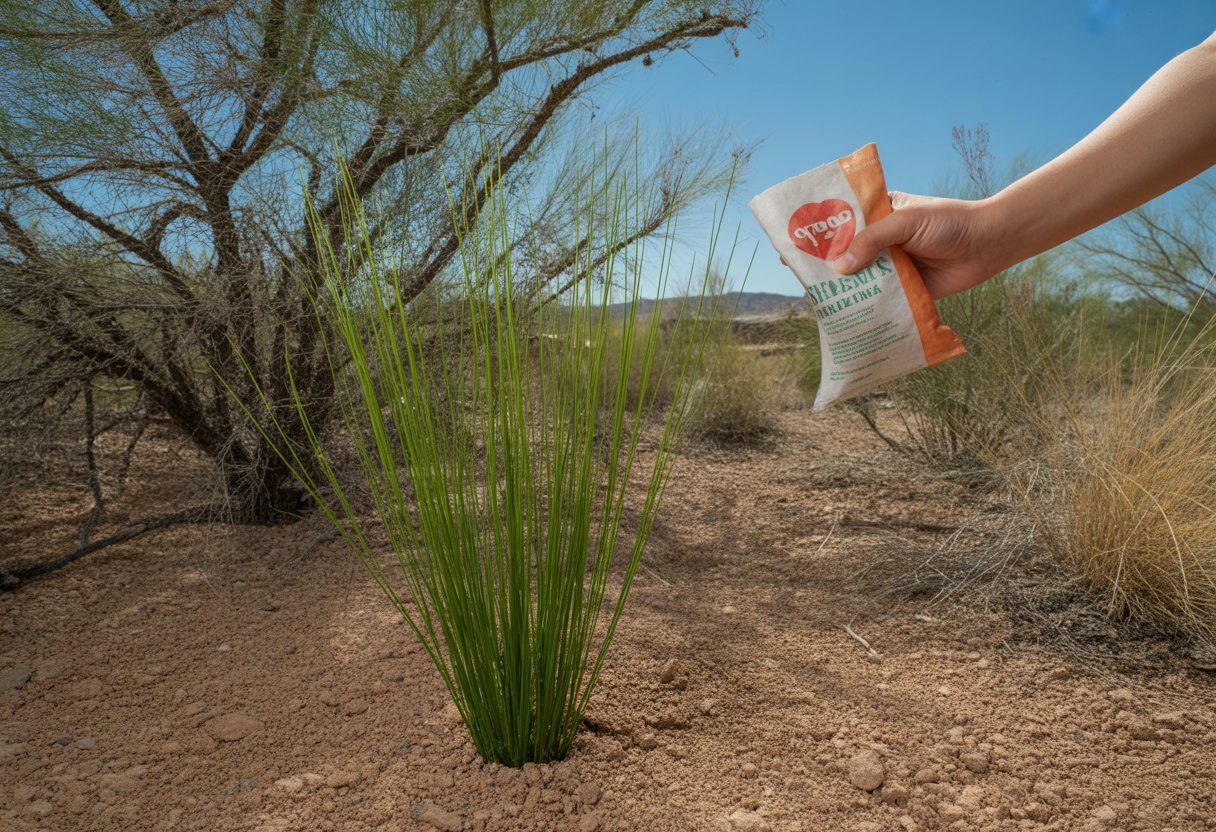
Getting fertilization right means paying attention to soil, sun, and water. Sedges in Arizona have their preferences for all three.
You’ll want soil that drains well, a certain pH, and just the right amount of sun. Watering schedules matter, too—roots don’t like sitting in soggy ground.
Soil Type and Well-Drained Soil Importance
Sedges thrive in loamy or sandy soils that let water drain quickly. Heavy clay holds too much water and can rot the roots.
It’s really important that the soil lets excess water escape soon after you irrigate. If you’re stuck with heavy soil, mixing in organic matter can help with drainage and air flow.
Better drainage means healthier sedges and makes fertilizer work more effectively.
Soil pH and Nutrient Needs
Sedges like soil pH between 5.5 and 7.0—that’s a bit acidic to neutral. In this range, roots can actually get to the nutrients in the soil.
If your soil’s too acidic or too alkaline, the plants might still look hungry no matter how much you fertilize. Regular pH tests help you stay on track.
Use fertilizer blends that fill in any nutrient gaps your soil test shows. Balanced N-P-K ratios keep sedges growing strong.
Sunlight and Partial Shade Preferences
Arizona sedges can handle full sun, but honestly, they usually look better with a bit of partial shade. The midday sun is brutal and can dry them out fast.
If you can, give them around 4-6 hours of direct sun and some shade during the hottest part of the day. That helps them stay green and healthy.
Partial shade also cuts down on leaf scorch, which is always nice to avoid.
Maintaining Healthy Arizona Sedges
Keeping sedges happy in Arizona takes a bit of vigilance. Watching for problems and giving nutrients when needed can head off a lot of issues.
Identifying Plant Problems and Nutrient Deficiencies
If you spot yellowing leaves, stunted growth, or thinning patches, your sedges might be missing something. Nitrogen shortage usually means pale or yellow leaves; phosphorus issues can turn leaves dark green or purple; potassium shortage shows up as brown edges.
Sometimes, it’s hard to tell what’s wrong just by looking. A plant doctor or a soil test can help you sort it out.
Keep an eye out for uneven growth or weird color changes. Catching these early makes it easier to fix with targeted fertilizer.
Preventing Diseases, Common Pests, and Plant Issues
Arizona sedges sometimes get fungal leaf spots or root rot, especially if you overwater or have bad drainage. Look for spots, wilting, or mushy roots.
Aphids and spider mites like to snack on sedges, too. Insecticidal soap or organic sprays usually keep them in check.
Don’t crowd your plants, and try to keep things tidy. Removing dead or sick leaves and cleaning your tools can help stop disease and pests from spreading.
Supplemental Elements: Iron and Copper
If you see yellowing between the veins of young leaves, your sedges might need iron—especially in Arizona’s high pH soils. Chelated iron can fix this pretty quickly.
Copper’s less likely to be an issue, but it’s still important for healthy growth and disease resistance. Low copper might twist or discolor leaves.
Only add these extras if you see symptoms or a soil test says you need to. Too much can actually hurt the plants.
Ornamental and Ecological Value of Sedges
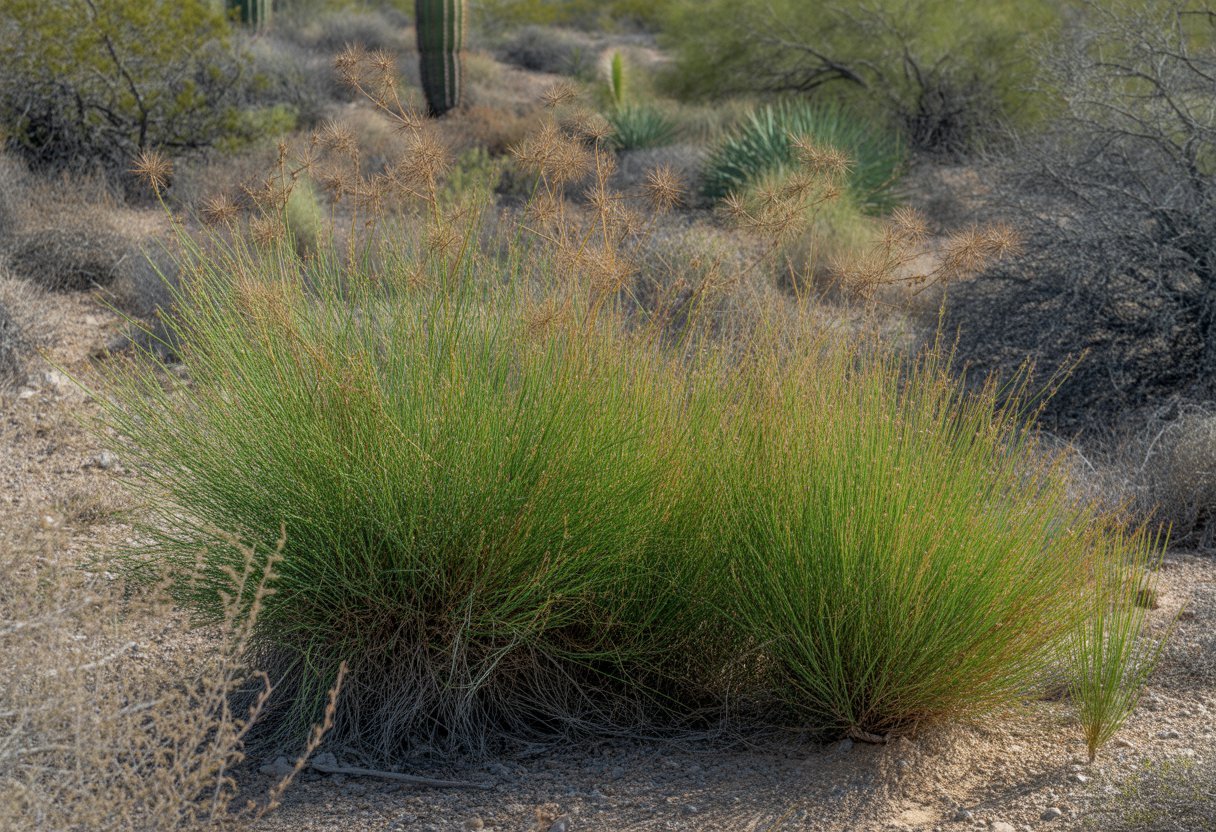
Sedges aren’t just practical—they look great and offer real environmental perks in Arizona gardens. They add texture and help with soil stability and wildlife habitat.
Use as Ornamental Grasses and Ground Cover
Gardeners love sedges as ornamental grasses or ground cover. Their texture stands out, and some species stay green all year, while others change color with the seasons.
Flowering stalks and bracts add subtle accents, especially when mixed with other forbs or meadow plants. Fox sedge, for instance, puts up cool flower spikes that catch the eye.
Sedges work well in both sun and shade, so they’re pretty flexible in landscape design. They’re also great for low-maintenance ground cover that keeps weeds down and adds soft, fine texture—much different from typical turf grasses.
Role in Erosion Control and Wetland Environments
Sedges play a big part in erosion control, especially in wet spots or along streambanks. Their roots grab onto soil and help stop runoff in marshes or ditches.
They thrive where other grasses and forbs might fail, like soggy or saturated soils. This makes them key to holding these environments together.
By anchoring soil and filtering water, sedges help maintain clean wetlands and support wildlife that need stable, plant-filled banks. They really punch above their weight—both as landscape plants and as ecosystem helpers.
Diversity: Fox Sedge and Native Types
The world of sedges is surprisingly broad. You’ll find species like fox sedge, which calls many regions of Arizona home and seems pretty well adapted to the local quirks.
Fox sedge stands out for its upright growth and those flowering spikes that show up in late spring.
Native sedges come in all sorts of variations—leaf color, texture, even height. Some thrive in moist soil, while others don’t mind things a bit drier.
If you’re into landscaping or ecological projects, native sedges give you plenty of choices. They help out regional biodiversity, too, and seem to shrug off a lot of pests and diseases.
Some sedges go dormant and lose their leaves, but others hang on and stay green, even when the weather turns rough. So, they’re not just practical—they add a bit of seasonal personality to the garden.
I’ve been dealing with this exact issue in my garden. Going to try some of these suggestions this weekend.
Thank you for reading, Peggy! Happy planting! -Plant Native Team