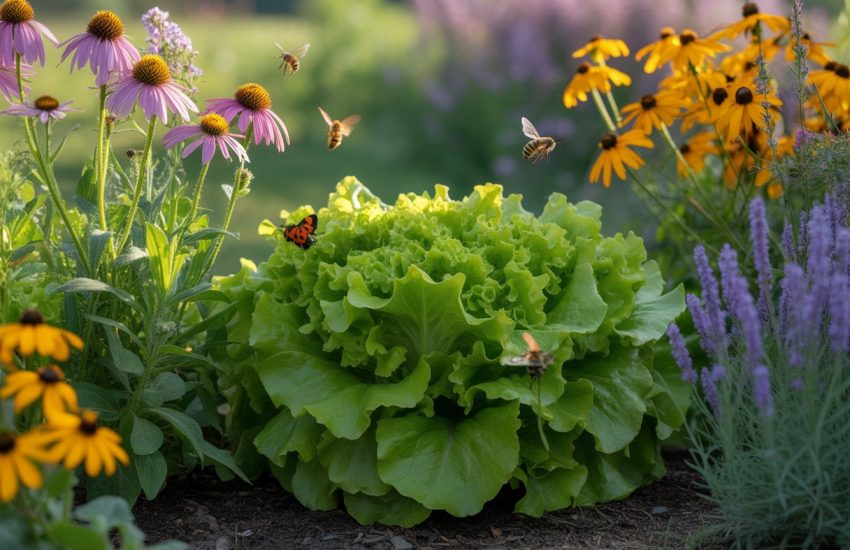
When to Sow Wildflower Seeds for Optimal Growth and Blooming
Last updated: November 9, 2026
Knowing when to sow wildflower seeds really matters for their success. Usually, the best time is early spring or fall, but it depends on your climate.
These seasons give seeds the right mix of temperature and moisture for sprouting and getting established.
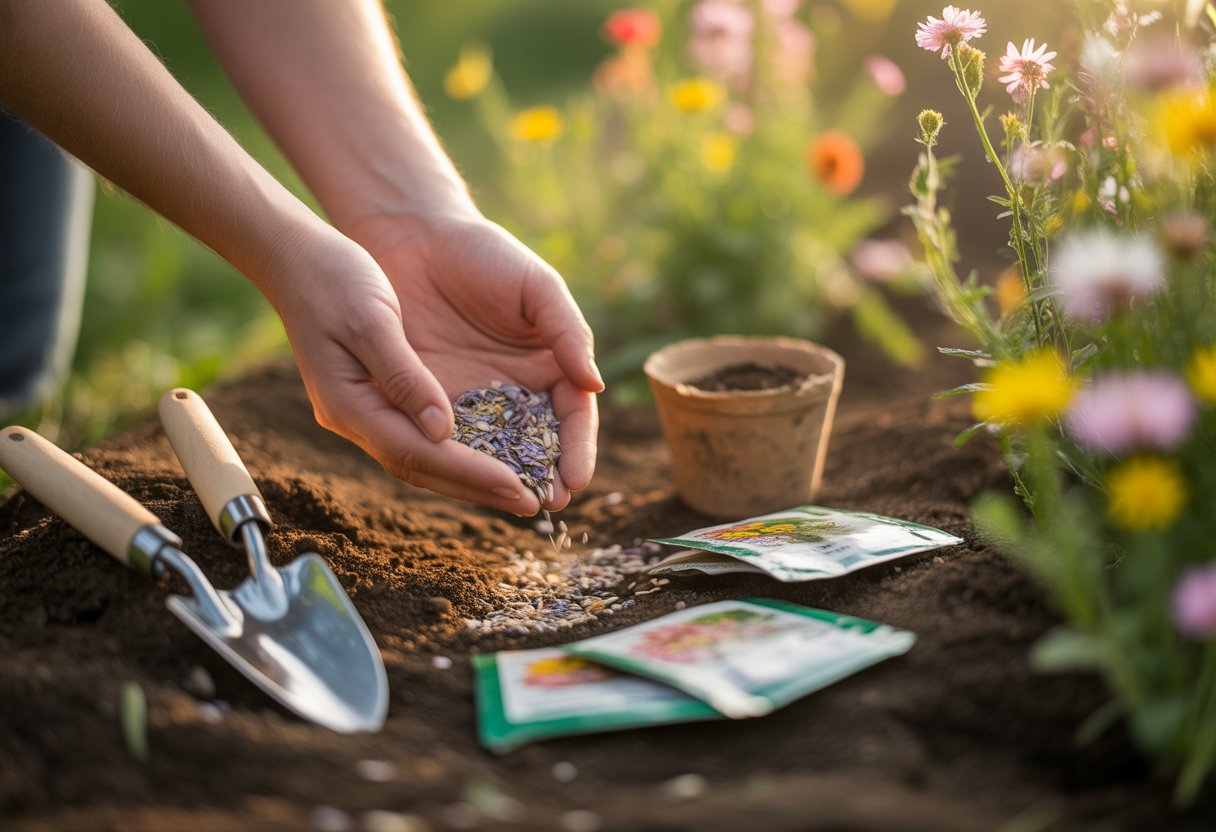
If you live somewhere with cold winters, sowing in early spring helps seeds catch the warming soil and spring rain. Folks in milder areas might have better luck sowing in fall, letting seeds chill out over winter and wake up naturally.
The exact timing can shift with each wildflower type and whatever weather’s happening that year. Paying attention to these details definitely boosts your odds of a lush, lively wildflower patch.
Best Times to Sow Wildflower Seeds
When you sow seeds can make or break germination and how well plants settle in. You’ll want to consider your local climate, what seeds you’re using, and how much time you want before harsh weather returns.
Spring Sowing
Early spring sowing tends to work in most temperate zones. As the soil starts to warm up, seeds get the signal to sprout while days are getting longer.
Cold, damp soil might slow things down, but it also stops seeds from sprouting too soon and getting zapped by frost. Wait until the ground thaws and you can dig in—usually sometime from March to May.
Sowing in spring gives wildflowers a long stretch to put down roots and grow. This is especially good for annuals and some perennials that need a full season to bloom.
Late Fall Sowing
Late fall sowing is kind of like copying what nature does. A lot of wildflowers drop seeds at this time, letting them chill through winter and wake up strong in spring.
You’ll want to sow after the first frost but before the ground freezes hard. That’s usually late October to early December, but it varies.
Planting in late fall means you’ll dodge a lot of spring weeds and give seeds a cozy mulch or leaf blanket for winter. Some wildflowers actually need that cold period to crack open and get growing.
Timing for Native Wildflowers
Native wildflowers usually follow the local rhythm, sprouting when the weather cues them. Many do best with either late fall or early spring sowing, depending on what their ancestors got used to.
If you know a native species needs a cold nap before sprouting, fall’s your friend. Others wait for warm spring soil.
Regional guides or local extension services can help you nail down the best timing. Matching your planting to the wildflowers’ natural cycle gives them a much better shot.
Selecting and Preparing the Planting Site
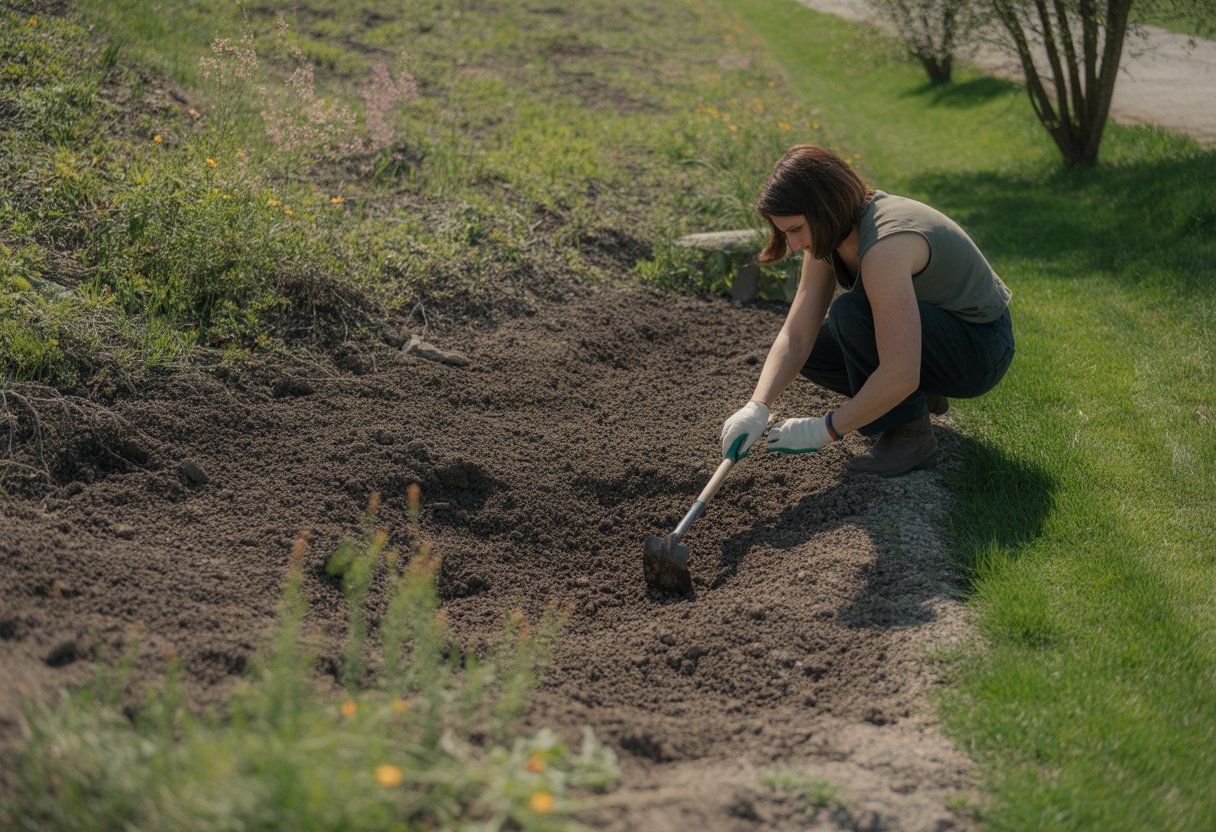
Picking the right spot and getting the soil ready is huge for wildflowers. They need good drainage, plenty of sun, and loose soil to get started.
Assessing Location and Drainage
Try to find a spot that gets at least 6 hours of direct sunlight a day. Most wildflowers aren’t big fans of shade.
Stay away from places where water just sits after rain. If you’re not sure, dig a hole about 10 inches down, fill it with water, and check it the next day. If it’s still soggy after 24 hours, you might want to move or fix the soil.
A gentle slope or a little rise in the yard can help water drain off. Compacted or heavy clay soils? Not ideal, but you can work with them if you have to.
Soil Preparation and Tilling
Loosen the soil to about 2-4 inches deep before sowing. Light tilling breaks up the top but try not to dig too deep, or you’ll bring weed seeds up.
Clear out rocks, roots, and any old plants. If your soil’s not great, mix in some peat moss to help it hold water without getting swampy.
For sandy spots, a little sawdust can help keep moisture, but go easy—too much can mess with nitrogen. Skip heavy fertilizers; wildflowers like leaner soil.
Improving Seed to Soil Contact
Getting seeds snug with the soil is key. After loosening things up, press seeds in gently but firmly.
You can rake a thin layer of soil—about 1/8 inch—over the seeds to keep them from drying out or blowing away, but don’t bury them too deep.
A roller or even a flat board works to press everything down lightly. Water right after planting to help settle the seeds and kick off germination.
Wildflower Seed Selection and Sowing Techniques
Choosing the right seed mix and sowing the right way really shapes how your wildflowers grow. The seeds should fit your local conditions, and how you sow them matters a lot.
Choosing Wildflower Seed Mixes
Seed mixes come in all kinds, with different species for different soils, climates, and bloom times. If you can, go for mixes with natives like coreopsis, poppies, and cornflowers—they usually do best.
Check the label for your region, and look at the purity and germ rates. A mix of annuals and perennials will keep flowers coming year after year.
Skip any mix that’s heavy on aggressive growers—they’ll crowd out the rest. Adding sunflowers? That’s always a win for pollinators.
Sowing Methods for Optimal Germination
Clear weeds and loosen the top inch or so of soil. Scatter seeds by hand or with a spreader, mixing them with sand if you want to spread them more evenly.
Press seeds in or rake them lightly, but don’t bury them deeper than their size—most wildflowers need a little light to sprout. Usually, a quarter inch or less is plenty.
Don’t stomp the soil down too hard afterward; you want air to get in. For big seeds like sunflowers, plant them one by one or in small clumps.
Watering and Early Care
After sowing, water gently but thoroughly to help seeds nestle in. Keep the soil moist but not soaked while they sprout.
If you’re in a dry place, water daily for the first couple of weeks, then back off as seedlings get their roots down. Cornflowers and poppies, in particular, hate drying out early on.
Too much water can wash seeds away or cause fungus, so go easy. Once plants hit 2-3 inches, water less often but deeper to push roots down.
Creating a Thriving Wildflower Garden Ecosystem
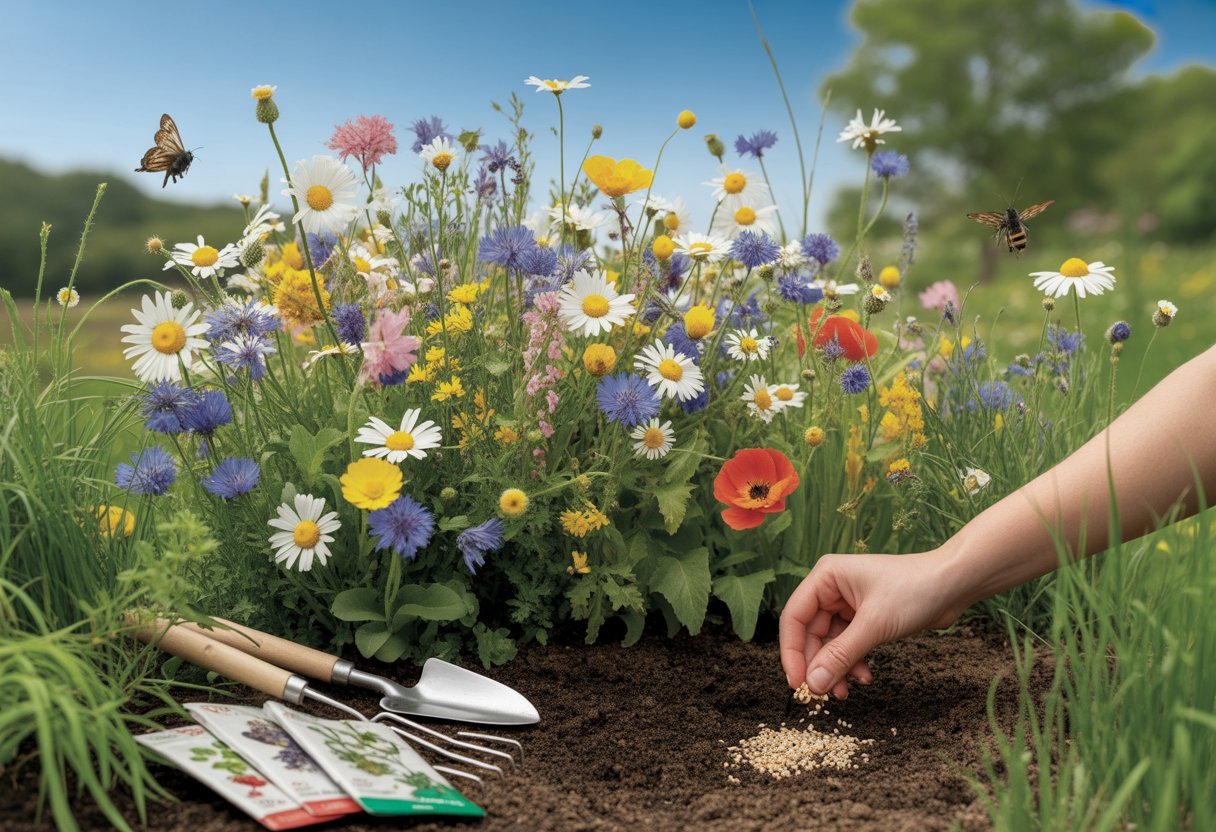
A wildflower garden isn’t just about the flowers—it’s about the whole ecosystem. Attracting local wildlife and focusing on native plants keeps things healthy and interesting.
Attracting Butterflies and Local Wildlife
Butterflies are awesome pollinators and make any wildflower patch more lively. To bring them in, plant a mix of nectar-rich flowers that bloom at different times.
Stuff like milkweed, coneflowers, and black-eyed Susans keep the buffet open all season. Give butterflies places to bask—flat rocks or low shrubs work great.
Ditch the pesticides, or you’ll lose more than you gain. A shallow dish with pebbles gives butterflies and bees a safe drink.
Diversity is the name of the game. More native wildflowers means more bees, birds, and good bugs, and that’s how you get a balanced, thriving garden.
Supporting Biodiversity with Native Plants
Native plants thrive in local climates and soils. They’re pretty much made for the wildlife around them, so they’re key if you want a wildflower meadow that’s actually buzzing with life.
These plants offer food and shelter to native insects and animals. It’s honestly the best way to support local biodiversity.
If you pick a mix of native wildflowers that bloom at different times, you’ll keep food available for pollinators all season long. Deep roots in native plants also help the soil stay healthy and cut down on erosion.
Adding native grasses to the mix? That bumps up the habitat complexity, so more critters find a home or a hiding spot. It’s worth taking the time to look up which native species grow best in your region—it’s not a one-size-fits-all kind of thing.