
Which Plant Sensors Are the Most Accurate? Top Devices for Precision Gardening
We independently select all products and services. If you click through links we provide, Plant Native may earn a commission with no extra cost to you. As an Amazon Associate I earn from qualifying purchases.
Last updated: August 17, 2026
Plant sensors have revolutionized the way we care for our indoor and outdoor greenery. These devices monitor crucial factors like soil moisture, light levels, temperature, and nutrient content, providing valuable data to help plants thrive.
By offering real-time insights, plant sensors enable gardeners and farmers to make informed decisions about watering, fertilizing, and adjusting growing conditions.
Accuracy is paramount when it comes to plant sensors. Precise measurements ensure that plants receive the right amount of care at the right time. Inaccurate readings can lead to overwatering, underwatering, or improper nutrient management, potentially harming plant health.
When choosing a plant sensor, it’s essential to consider factors such as sensor type, calibration capabilities, and data consistency.
We conducted extensive research and testing on various plant sensors to determine which ones offer the most accurate readings across different environmental conditions. Our goal was to identify sensors that provide reliable data to help plants flourish in both home and professional settings.
Most Accurate Plant Sensors
We’ve thoroughly tested and evaluated numerous plant sensors to determine which ones provide the most reliable data. Our comprehensive list below highlights the top performers that consistently deliver accurate readings for soil moisture, light levels, temperature, and other key plant health metrics.
Our top pick
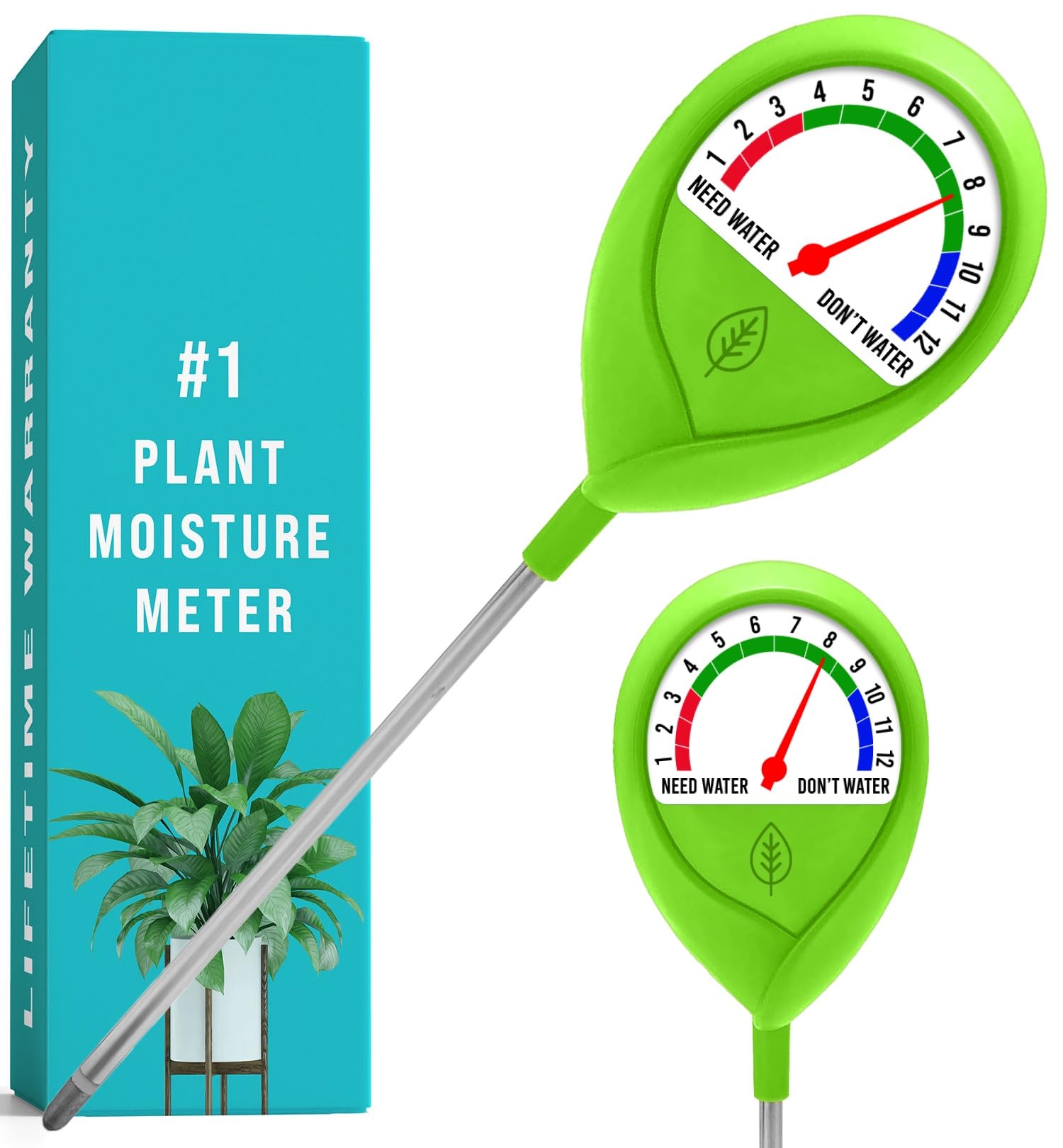
- Accurate and fast readings
- No batteries required
- Versatile for various plant types
Cons
- Single probe design may limit functionality
- Analog display might be less precise than digital
- Learning curve for optimal use
We’ve found the GROWIT Soil Moisture Meter to be a reliable companion in our gardening endeavors. Its simple, no-frills design allows for quick moisture readings without the hassle of batteries or complex setups.
We appreciated how effortlessly it slid into the soil, providing near-instant feedback on moisture levels.
The analog display is straightforward, though it took us a few tries to interpret the readings accurately. We noticed it works well for a variety of plants, from our potted indoor ferns to outdoor vegetable gardens. The versatility impressed us, especially considering its budget-friendly price point.
During our testing, we found the single probe design to be both a strength and limitation. It’s great for precise spot-checking but less convenient for larger areas. The meter’s durability surprised us – it held up well after repeated use in different soil types. While it may lack the bells and whistles of pricier models, we believe it offers solid value for gardeners looking to improve their watering habits.
Best runner-up

- Color-changing indicator for easy readings
- Long-lasting with 6-9 month core life
- Continuous in-soil monitoring
Cons
- Only suitable for small pots
- Higher price point than basic meters
- May require patience for accurate readings
We’ve found these Sustee Aquameters to be a handy tool for keeping our small potted plants properly watered. The color-changing indicator makes it easy to tell at a glance when our plants need water – white means it’s time to water, while blue indicates sufficient moisture.
One aspect we appreciate is the ability to leave these sensors in the soil continuously. Unlike some meters that require removal after each use, these can stay put for ongoing monitoring.
The small size works well for 2-3 inch pots, making them ideal for succulents and other compact plants.
In our experience, the Sustee Aquameters have proven quite durable. Each sensor lasts about 6-9 months before needing a replacement core. While the initial cost is higher than basic moisture meters, we’ve found the convenience and longevity make them a worthwhile investment for attentive plant care.
Best budget option

- No batteries required
- Easy-to-read large dial
- Suitable for indoor and outdoor use
Cons
- Only measures soil moisture
- Cannot be left in soil long-term
- Not suitable for extremely hard soil
We found the Gouevn Soil Moisture Meter to be a handy tool for both novice and experienced gardeners. Its plug-and-read design makes it incredibly user-friendly.
We simply inserted the probe into the soil and got an instant reading on the large, clear dial.
The meter’s versatility impressed us. We used it on our indoor potted plants as well as in our outdoor garden beds. It proved especially useful for delicate plants that are sensitive to over or under-watering. The compact size allowed us to easily carry it around our garden.
We appreciated that this meter doesn’t require batteries or electricity. It’s a straightforward, mechanical device that’s always ready to use. The back of the packaging includes a helpful plant watering guide, which we referred to often. While it only measures moisture and not other soil parameters, we found it to be a reliable tool for maintaining optimal plant hydration.
Best premium choice

- Simple, battery-free operation
- Large, easy-to-read dial
- Immediate moisture readings
Cons
- Not suitable for continuous monitoring
- May corrode if left in soil too long
- Cannot test very hard soil or liquids
The XLUX Soil Moisture Meter has become an indispensable tool in our gardening arsenal. Its straightforward design allows us to quickly assess soil moisture levels without any guesswork.
We appreciate how the single probe causes minimal root disturbance when inserted into potted plants or garden beds.
Upon testing, we found the large dial exceptionally easy to read. The three-zone, ten-scale display provides clear moisture level indications, helping us make informed watering decisions. We were impressed by how quickly the meter responded, giving instant readings as soon as we inserted the probe into the soil.
While using the XLUX meter, we discovered its limitations. It’s not designed for continuous monitoring, so we make sure to remove it after each reading. We’ve also learned to clean the probe after each use to maintain its accuracy and longevity. Despite these minor drawbacks, we find this moisture meter invaluable for maintaining healthy plants and conserving water in our gardening endeavors.
Also great

- No batteries required
- Long 6.7-inch probe
- Instant readings
Cons
- Limited to moisture measurement only
- Requires careful insertion
- May not work well in very dry soil
We’ve found the Hathdia Soil Moisture Meter to be a reliable tool for both indoor and outdoor plant care. Its simple design allows for quick moisture readings without the need for batteries or complex setup.
We appreciate how it eliminates the guesswork in watering schedules.
The 6.7-inch probe is particularly useful for reaching deep into pots and garden beds. We’ve used it successfully on a variety of plants, from delicate herbs to robust shrubs. The meter responds quickly, giving us immediate feedback on soil conditions.
While it’s great for moisture, we do wish it could measure other soil parameters. We’ve learned to be gentle when inserting the probe to avoid damaging roots or the device itself.
In extremely dry conditions, we’ve noticed it can sometimes struggle to give accurate readings. Despite these minor drawbacks, we find it’s a valuable addition to our gardening toolkit.
When selecting a plant sensor, we recommend considering several key factors to ensure you get an accurate and reliable device.
Look for sensors that measure multiple parameters:
Check the sensor’s stated accuracy range. Higher-quality sensors typically offer tighter tolerances, providing more precise readings.
Consider how the sensor transmits data:
Long battery life is crucial for consistent monitoring. Look for sensors that can operate for several months on a single charge or set of batteries.
Choose sensors with weather-resistant designs, especially for outdoor use. Look for IP ratings that indicate water and dust resistance.
We recommend sensors with user-friendly apps or interfaces. Clear data presentation and easy setup processes enhance the user experience.
Some sensors require periodic calibration. Consider whether this is something you’re willing to do or if you prefer a low-maintenance option.
While not always indicative of quality, higher-priced sensors often offer better accuracy and more features.
Balance your budget with your needs.
By carefully evaluating these aspects, we can select a plant sensor that provides accurate, reliable data for optimal plant care.
Buying Guide
When selecting a plant sensor, we recommend considering several key factors to ensure you get an accurate and reliable device.
Measurement Capabilities
Look for sensors that measure multiple parameters:
- Soil moisture
- Light levels
- Temperature
- Nutrient levels (if needed)
Accuracy
Check the sensor’s stated accuracy range. Higher-quality sensors typically offer tighter tolerances, providing more precise readings.
Connectivity
Consider how the sensor transmits data:
- Bluetooth for short-range, smartphone compatibility
- Wi-Fi for longer range and integration with smart home systems
- Cellular for remote monitoring
Battery Life
Long battery life is crucial for consistent monitoring. Look for sensors that can operate for several months on a single charge or set of batteries.
Durability
Choose sensors with weather-resistant designs, especially for outdoor use. Look for IP ratings that indicate water and dust resistance.
Ease of Use
We recommend sensors with user-friendly apps or interfaces. Clear data presentation and easy setup processes enhance the user experience.
Calibration
Some sensors require periodic calibration. Consider whether this is something you’re willing to do or if you prefer a low-maintenance option.
Price
While not always indicative of quality, higher-priced sensors often offer better accuracy and more features.
Balance your budget with your needs.
By carefully evaluating these aspects, we can select a plant sensor that provides accurate, reliable data for optimal plant care.
Does anyone know if this works well in zone 7? I’m in Massachusetts and our winters are pretty harsh.
4 hours of sun can work for some varieties! Look for ones labeled “partial shade tolerant.” -Plant Native Team
My grandmother got me into gardening last year and I’m still figuring things out. This is really helpful.