5 Best Modular Raised Bed Systems for Custom Gardens: Flexible Solutions for 2026
We independently select all products and services. If you click through links we provide, Plant Native may earn a commission with no extra cost to you. As an Amazon Associate I earn from qualifying purchases.
Last updated: September 17, 2026
Modular raised bed systems offer gardeners flexibility and convenience for creating custom garden layouts.
These versatile structures allow you to design and expand your growing space according to your needs and available area. Raised beds provide better soil drainage, reduce back strain, and can be placed on various surfaces like concrete or grass.
When choosing a modular raised bed system, consider the material durability, ease of assembly, and compatibility with your garden’s aesthetic.
The height of the beds is crucial for accessibility and soil depth requirements. Some systems offer stackable components, allowing you to adjust the height as needed.
We researched and tested numerous modular raised bed systems to find the best options for creating custom gardens. Our selections balance quality, versatility, and value to help you build the perfect raised bed setup for your space.
Best Modular Raised Bed Systems
We’ve researched and tested numerous modular raised bed systems to bring you our top picks for custom gardens.
These versatile options allow gardeners to create unique layouts tailored to their space and needs. Our selections offer durability, ease of assembly, and expandability for gardeners of all skill levels.
Our top pick
- Optimized blend promotes excellent drainage and root development
- Pre-mixed formulation saves time compared to sourcing individual amendments
- Rich in organic matter to feed plants throughout the growing season
Cons
- Heavier bags can be difficult to transport without a cart or wheelbarrow
- Premium mixes come at a higher cost per cubic foot than basic topsoil
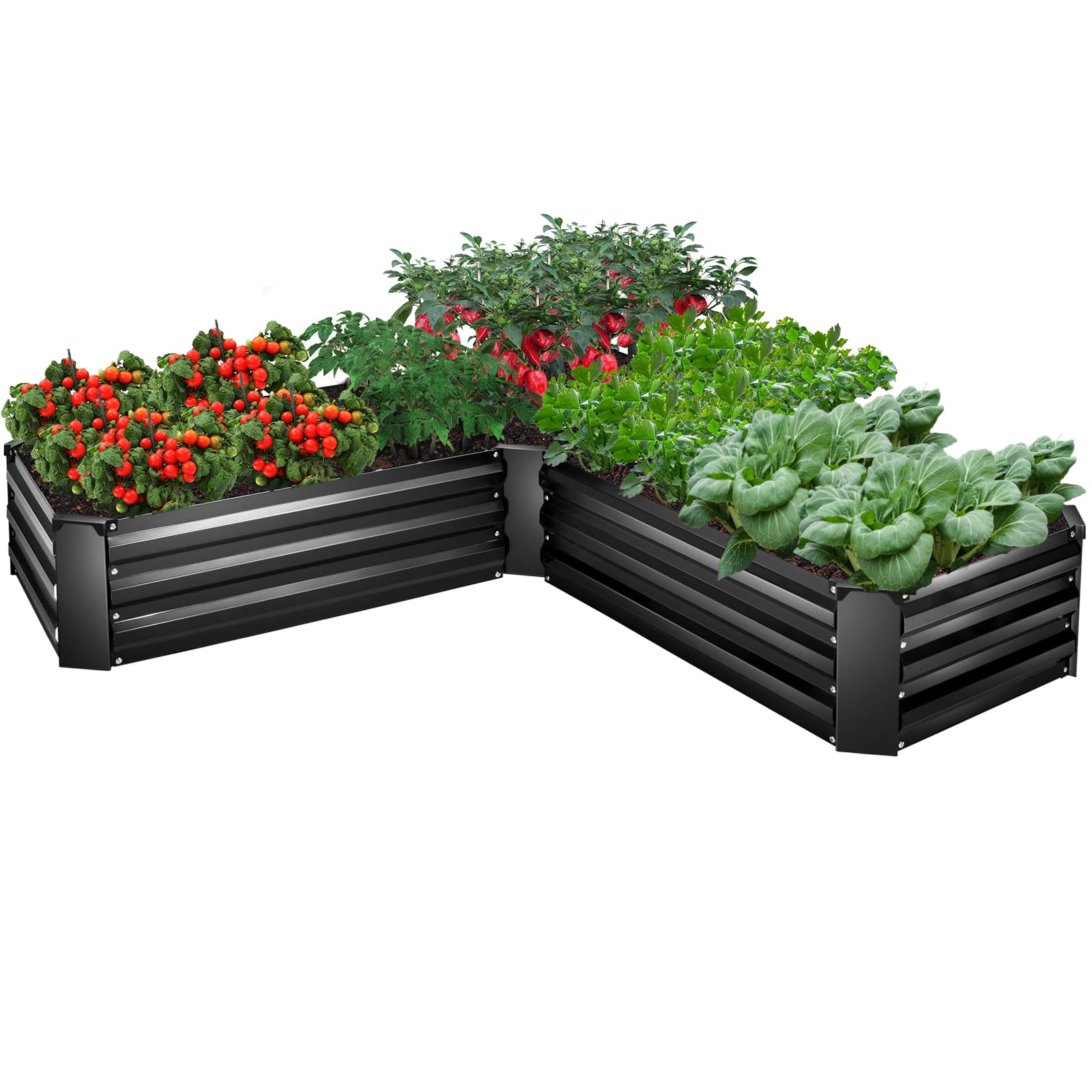
We found it resistant to rust and corrosion, ensuring longevity in outdoor settings. The included instructions were clear, but we noticed a few nuts were missing from our package. Assembly was straightforward, though we recommend wearing gloves to avoid any potential cuts from sharp edges.
Best heavy-duty option
- Optimized blend promotes excellent drainage and root development
- Pre-mixed formulation saves time compared to sourcing individual amendments
- Rich in organic matter to feed plants throughout the growing season
Cons
- Heavier bags can be difficult to transport without a cart or wheelbarrow
- Premium mixes come at a higher cost per cubic foot than basic topsoil
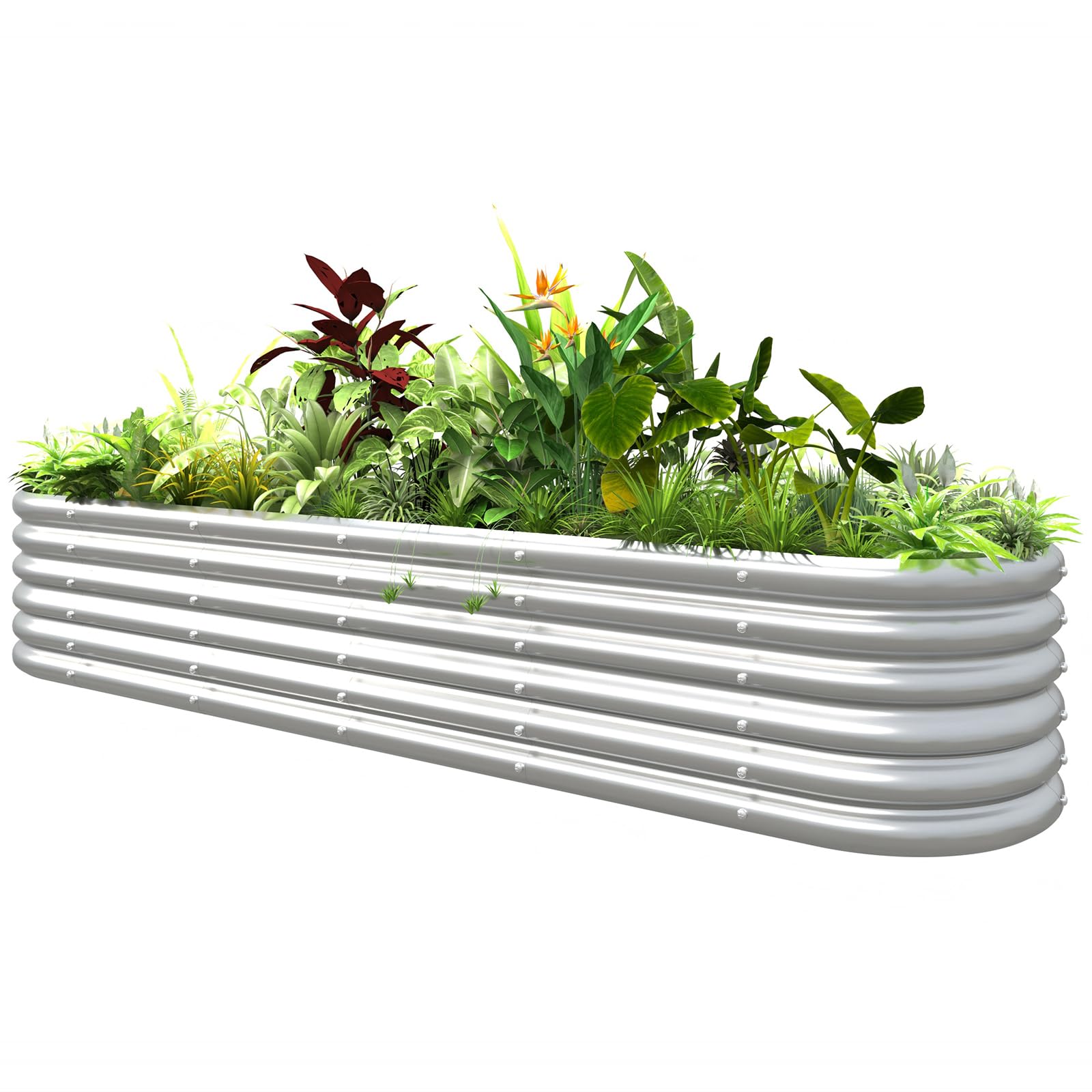
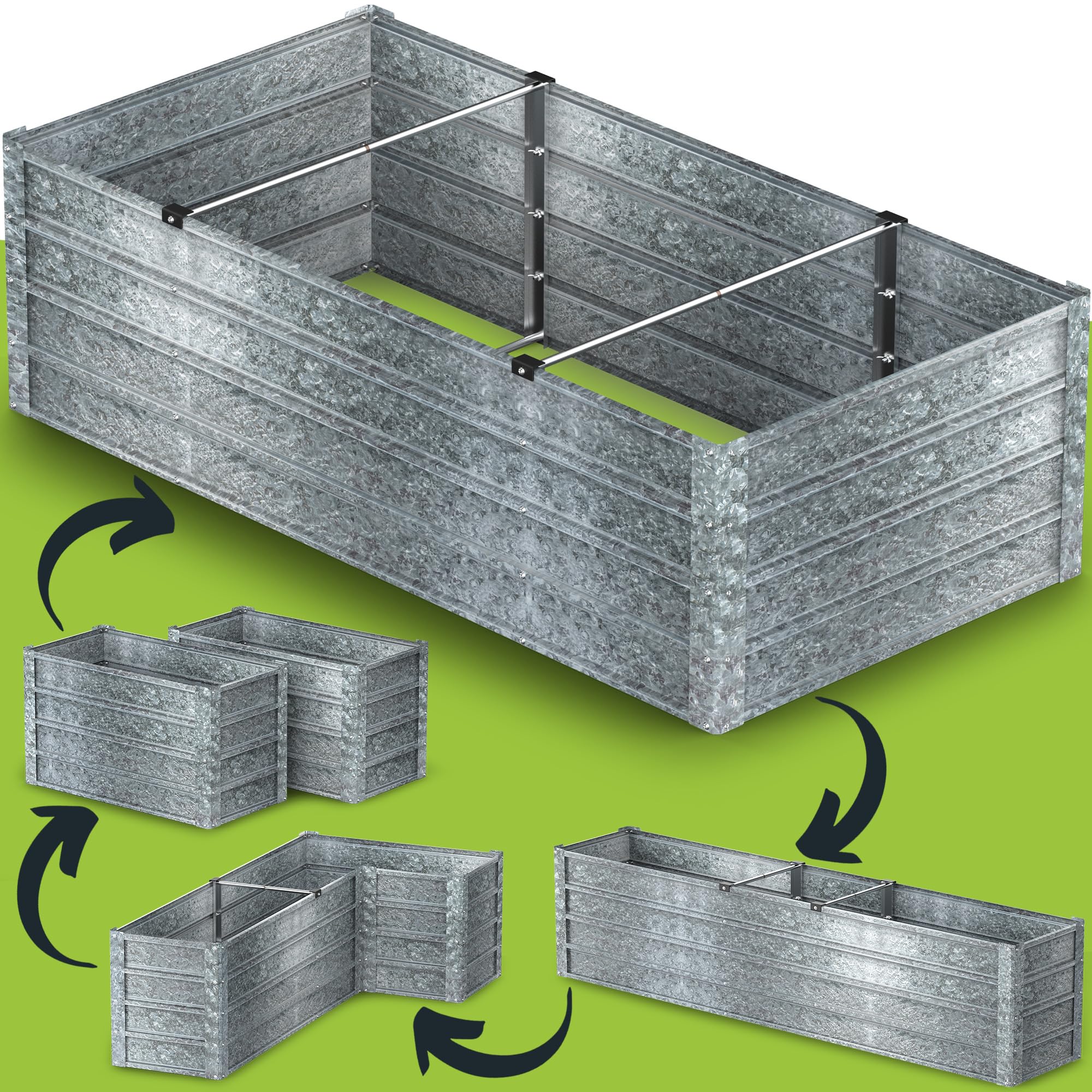
We found the 12-in-1 design allowed us to create various layouts, from a compact 6’x4′ to an expansive 8’x2′ configuration. This adaptability makes it perfect for different garden spaces and needs. When the stakes are high and the work is heavy, this delivers.
Best metal option
- Includes essential tools in one convenient package for immediate use
- Ergonomic handles reduce hand fatigue during extended gardening sessions
- Compact size makes storage easy in small spaces or apartments
Cons
- Individual tools may not match the quality of standalone professional-grade options
- Limited selection may require purchasing additional specialty tools separately
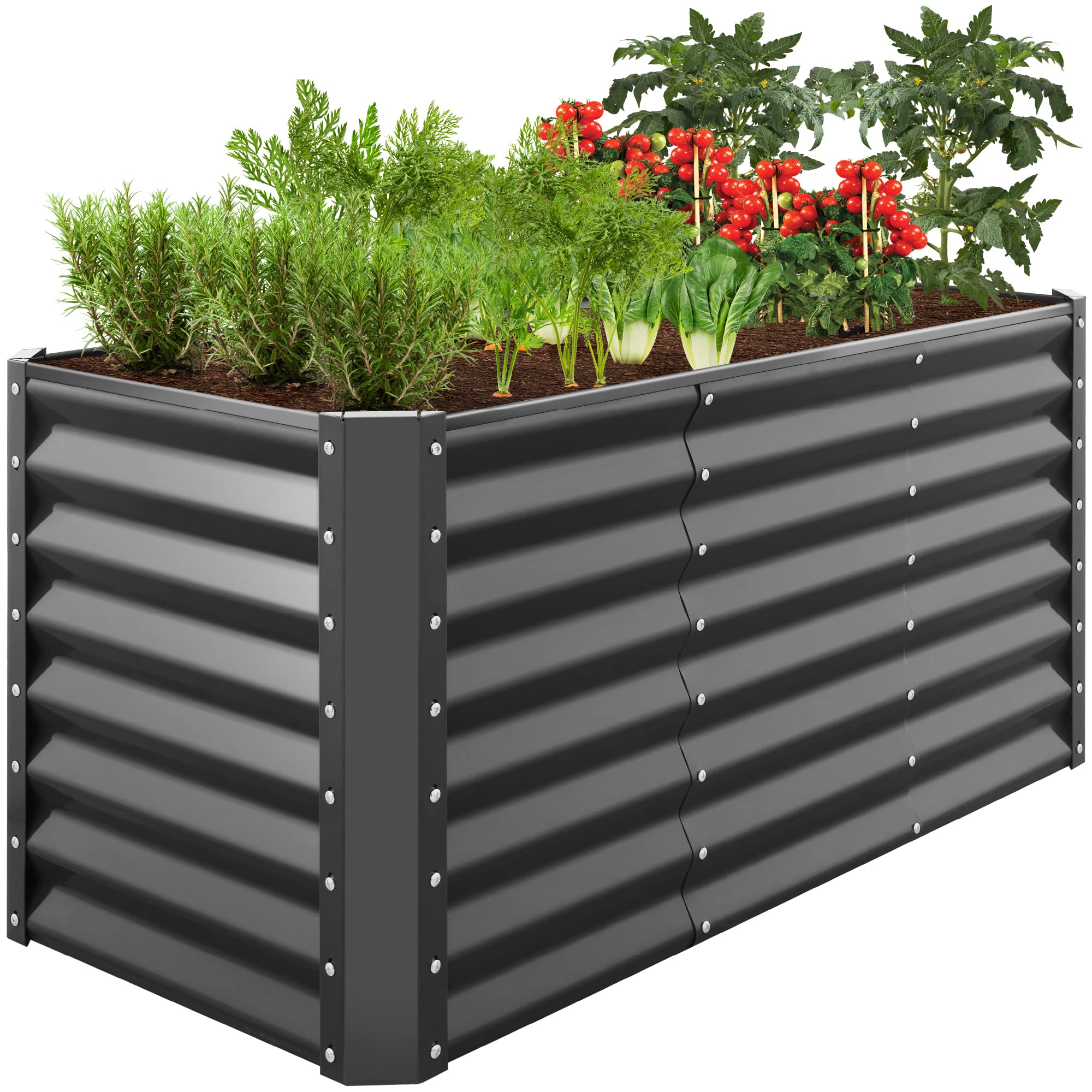
The included wingnuts and bolts made the process tool-free, which we appreciated. We were impressed by the bed’s 119-gallon capacity, which allowed us to create a diverse garden in a compact 4×2 foot space. In its niche, nothing else we tested came this close to getting everything right.
Most versatile
- Optimized blend promotes excellent drainage and root development
- Pre-mixed formulation saves time compared to sourcing individual amendments
- Rich in organic matter to feed plants throughout the growing season
Cons
- Heavier bags can be difficult to transport without a cart or wheelbarrow
- Premium mixes come at a higher cost per cubic foot than basic topsoil
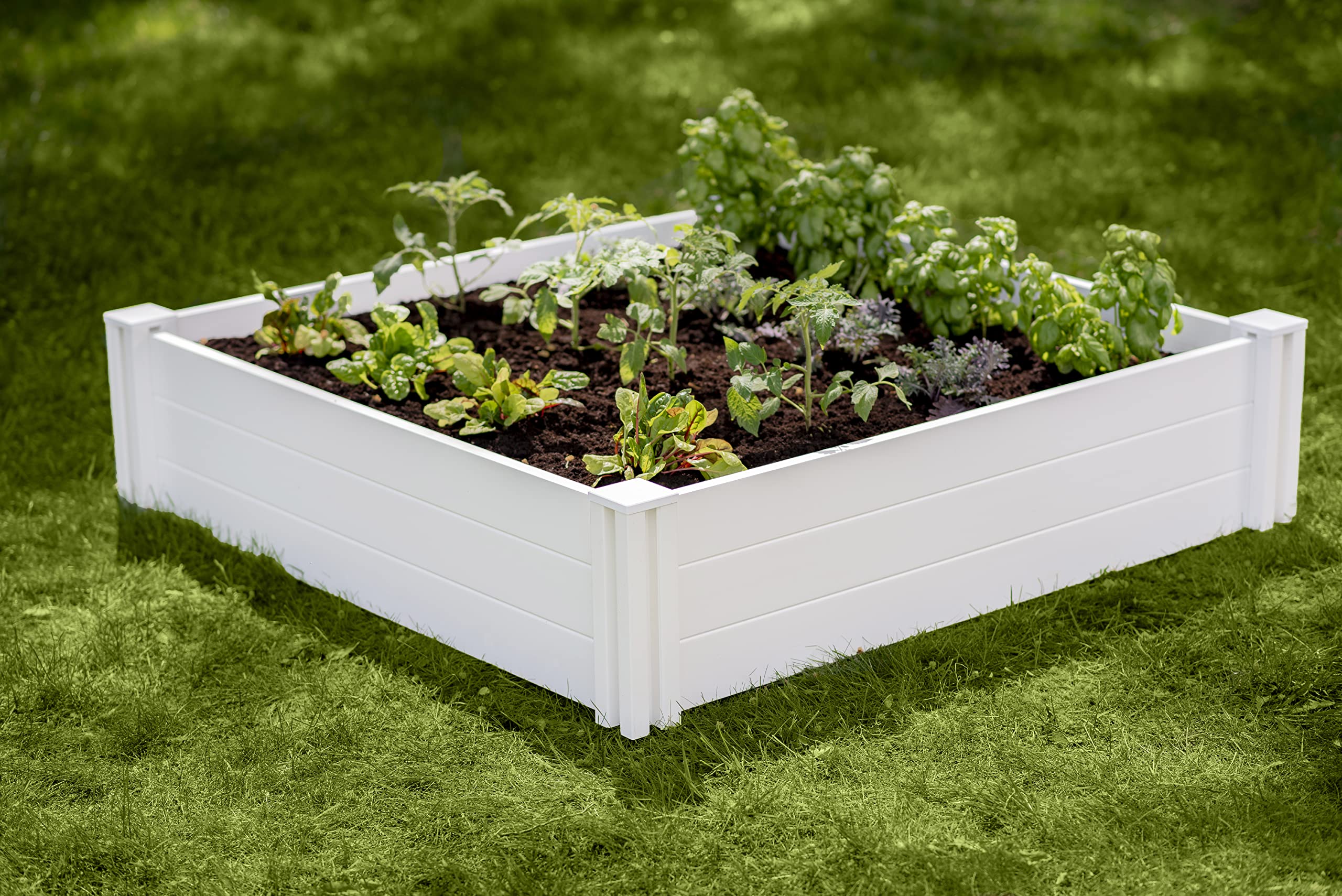
We found the food-grade, BPA-free vinyl to be an excellent choice for growing vegetables and herbs safely. When connecting multiple units, we noticed some expansion, which required minor adjustments to maintain a perfect fit. It adapts to whatever you throw at it, which is rare at any price.
Most ergonomic
- Optimized blend promotes excellent drainage and root development
- Pre-mixed formulation saves time compared to sourcing individual amendments
- Rich in organic matter to feed plants throughout the growing season
Cons
- Heavier bags can be difficult to transport without a cart or wheelbarrow
- Premium mixes come at a higher cost per cubic foot than basic topsoil
We noticed the panels were thicker than expected, providing a solid foundation for our plants. Despite this minor setback, we found the resulting bed to be well worth the effort. For this particular need, it’s the clear winner.
Buying Guide
Materials
Look for durable, weather-resistant materials like:
- Cedar or redwood
- Recycled plastic
- Powder-coated steel
- Composite wood
These options withstand the elements and last for many growing seasons.
Size and Customization
Select a system that offers flexibility in sizing and configuration. Modular designs allow you to:
- Expand your garden over time
- Create unique layouts
- Fit beds into oddly-shaped spaces
Ease of Assembly
We suggest opting for systems with:
- Tool-free assembly
- Pre-drilled holes
- Clear instructions
This ensures a quick and hassle-free setup process.
Soil Depth
Consider the crops you plan to grow. Root vegetables need deeper beds, while leafy greens can thrive in shallower ones. Look for:
- Adjustable height options
- Stackable components
Accessories
Some systems offer useful add-ons like:
- Trellises for climbing plants
- Cold frames for season extension
- Irrigation systems
These can enhance your gardening experience and crop yield.
Cost
Compare prices, but remember that quality materials often come with a higher price tag. We advise balancing cost with durability for the best long-term value.
By weighing these factors, you’ll be well-equipped to choose the modular raised bed system that best suits your gardening needs and space.