Plants That Look Like Sage: A Guide to Identifying Similar Species
Last updated: September 2, 2026
Plants that resemble sage are often sought after by gardeners and culinary enthusiasts alike. Sage is a versatile herb that is commonly used in cooking, making it a staple in many herb gardens. However, there are several other plants that look like sage and can be used in similar ways, both for culinary and ornamental purposes.
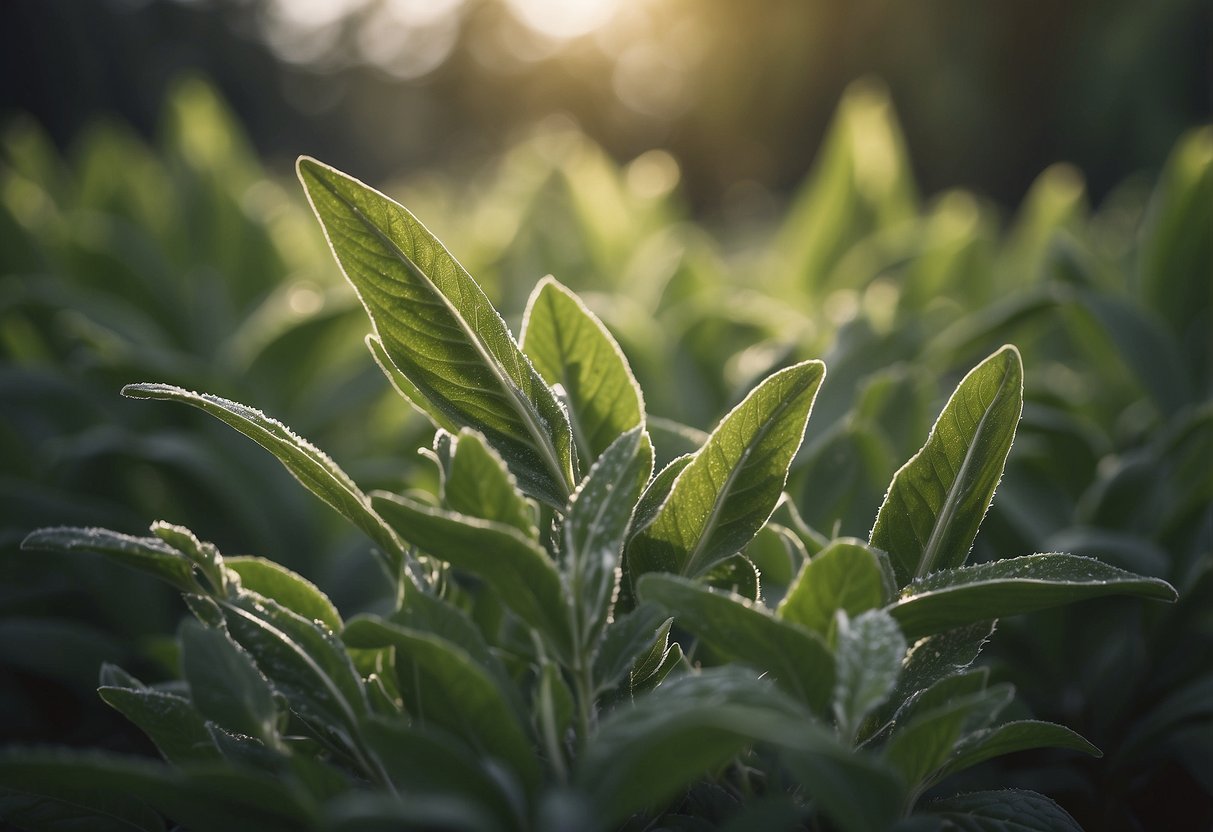
Some plants that look like sage include Russian sage, lavender, and Mexican bush sage. These plants have similar foliage, flowers, and growth habits to sage plants. However, it is important to note that not all plants that resemble sage are edible. Some ornamental plants may look like sage but are not safe for consumption. Therefore, it is essential to know how to distinguish between edible and non-edible plants that look like sage.
Whether you are looking to add some variety to your herb garden or want to enhance the aesthetic appeal of your landscape, plants that look like sage can be an excellent choice. With a little research and careful consideration, you can find the perfect sage-like plant to suit your needs. In this article, we will explore some of the most popular plants that resemble sage, including their characteristics, growing requirements, and uses.
Identifying Sage Lookalikes

Visual Characteristics of Sage Relatives
Sage plants are part of the Lamiaceae family, which includes a wide variety of aromatic plants. Some of these plants may look similar to sage, making it difficult to distinguish between them. However, there are some visual characteristics that can help identify sage lookalikes.
One distinguishing feature of sage relatives is their square stems. This is a common trait shared by many species in the Lamiaceae family. Another characteristic is the clusters of flowers that bloom on the plants. The flowers can come in a range of colors, including pink, purple, red, white, and blue.
Popular Sage Varieties and Their Doppelgangers
Garden Sage and Scarlet Sage
Garden sage, also known as common sage, is a popular culinary herb with gray-green leaves and purple-blue flowers. Scarlet sage, on the other hand, is an annual with bright red flowers and green leaves. While the two plants may look similar at first glance, scarlet sage has more delicate foliage and a slightly different growth habit.
Blue Sage and Pineapple Sage
Blue sage has blue-green leaves and produces fragrant blue flowers. Pineapple sage, on the other hand, has bright green leaves and produces bright red flowers that are shaped like tubes. While the two plants may look similar from a distance, their foliage and flowers are quite distinctive up close.
White Sage and Mexican Bush Sage
White sage, also known as Salvia apiana, is a perennial shrub with silvery-gray leaves and white flowers. Mexican bush sage, on the other hand, has green leaves and produces purple flowers. While the two plants may look quite different, they are both members of the Salvia genus and share some similar characteristics.
Clary Sage and Autumn Sage
Clary sage is a biennial or perennial with large, fuzzy leaves and clusters of pink or purple flowers. Autumn sage, on the other hand, is a perennial with small, glossy leaves and clusters of red, pink, or purple flowers. While the two plants may look somewhat similar, they have distinct differences in their foliage and flower spikes.
Sonoma Sage and Greek Sage
Sonoma sage is a perennial with gray-green leaves and clusters of lavender flowers. Greek sage, on the other hand, is a perennial with green leaves and clusters of pink or purple flowers. While the two plants may look similar from a distance, their foliage and flower spikes are quite different up close.
Grape-scented Sage and Cleveland Sage
Grape-scented sage has green leaves and clusters of lavender flowers that smell like grapes. Cleveland sage, on the other hand, has gray-green leaves and clusters of blue-purple flowers. While the two plants may look similar from a distance, they have distinct differences in their foliage and flower spikes.
In conclusion, while there are many plants that look like sage, there are also many distinctive characteristics that can help identify them. By paying attention to the size, appearance, foliage, and flower spikes of these plants, it is possible to distinguish between them and identify the true sage plant.
Cultivation and Uses of Sage and Its Lookalikes
Growing Conditions and Plant Care
Sage and its lookalikes are relatively easy to grow and care for, making them a popular choice for both culinary and ornamental purposes. They are members of the mint family and share many of the same growing conditions and care requirements.
Most sage plants are perennials that thrive in full sun and well-drained soil. They are drought-tolerant and do not require a lot of water, making them an ideal choice for landscapes with limited water resources. However, they also grow well in containers, making them a great choice for those with limited garden space.
Sage and its lookalikes are hardy plants that can withstand a range of temperatures and weather conditions. They typically bloom in late spring or summer and attract pollinators such as butterflies, bees, and hummingbirds.
Culinary and Ornamental Applications
Sage is a popular culinary herb that is often used in stuffing, sauces, and other dishes. It has a strong, aromatic flavor that is both hot and slightly bitter. Its lookalikes, such as lavender and rosemary, also have culinary applications and can be used to add flavor and fragrance to a variety of dishes.
In addition to their culinary uses, sage and its lookalikes are also popular ornamental plants. They have fragrant leaves and flowers that add color and texture to landscapes. They can be used as borders, ground covers, or accent plants, and are often grown for their attractive foliage and flowers.
Sage and its lookalikes can also be used to make tea, which is said to have a variety of health benefits. The tea is made by steeping the leaves in hot water and can be enjoyed hot or cold.
Overall, sage and its lookalikes are versatile plants that are easy to grow and care for. Whether you are looking for a culinary herb or an ornamental plant, these plants are a great choice for any garden.