Turn a Favorite Native Plant Into a Garden Plan: A Site-Matching Worksheet
Last updated: November 7, 2026
Most native gardens start with one plant. You see it in a friend’s yard or in a plant profile, and you want it.
The trouble is that “I want this plant” isn’t a plan. A favorite plant in the wrong light or soil sulks, spreads where it shouldn’t, or dies in its first summer.
This worksheet turns a favorite plant into a plan in four parts. Record what the plant needs, measure what your site offers, score the match, then build the planting around the result.
Plan at a Glance
| Site | Any spot you’re considering for a plant you already love |
| Size | One plant to a small group with companions |
| Sun | Measured, not guessed: you’ll count hours of direct sun |
| Soil | Tested with a simple drainage check |
| Maintenance | About an afternoon of observation and one drainage test |
| Best regions | Works anywhere; the example plants are eastern and central U.S. natives |
Part A: Record What the Plant Needs
Start with at least two independent sources, such as a state extension plant database and the Lady Bird Johnson Wildflower Center. Write down each answer as a range, not a single number.
Worksheet Part A: Plant Needs
- Botanical name: genus and species
- Native range: states or regions from your sources
- Light: full sun, part shade, or shade, and any notes like “intolerant of deep shade”
- Moisture: dry, moist, or wet, and any drought or flood tolerance
- Soil and drainage: texture, pH notes, “needs good drainage” warnings
- Mature size: height and width ranges
- Habit: clumping, suckering, self-seeding, climbing
- Special needs: pollination partners, pruning timing, male and female plants
- Seasonal features: bloom and fruit timing
Worked example: American beautyberry
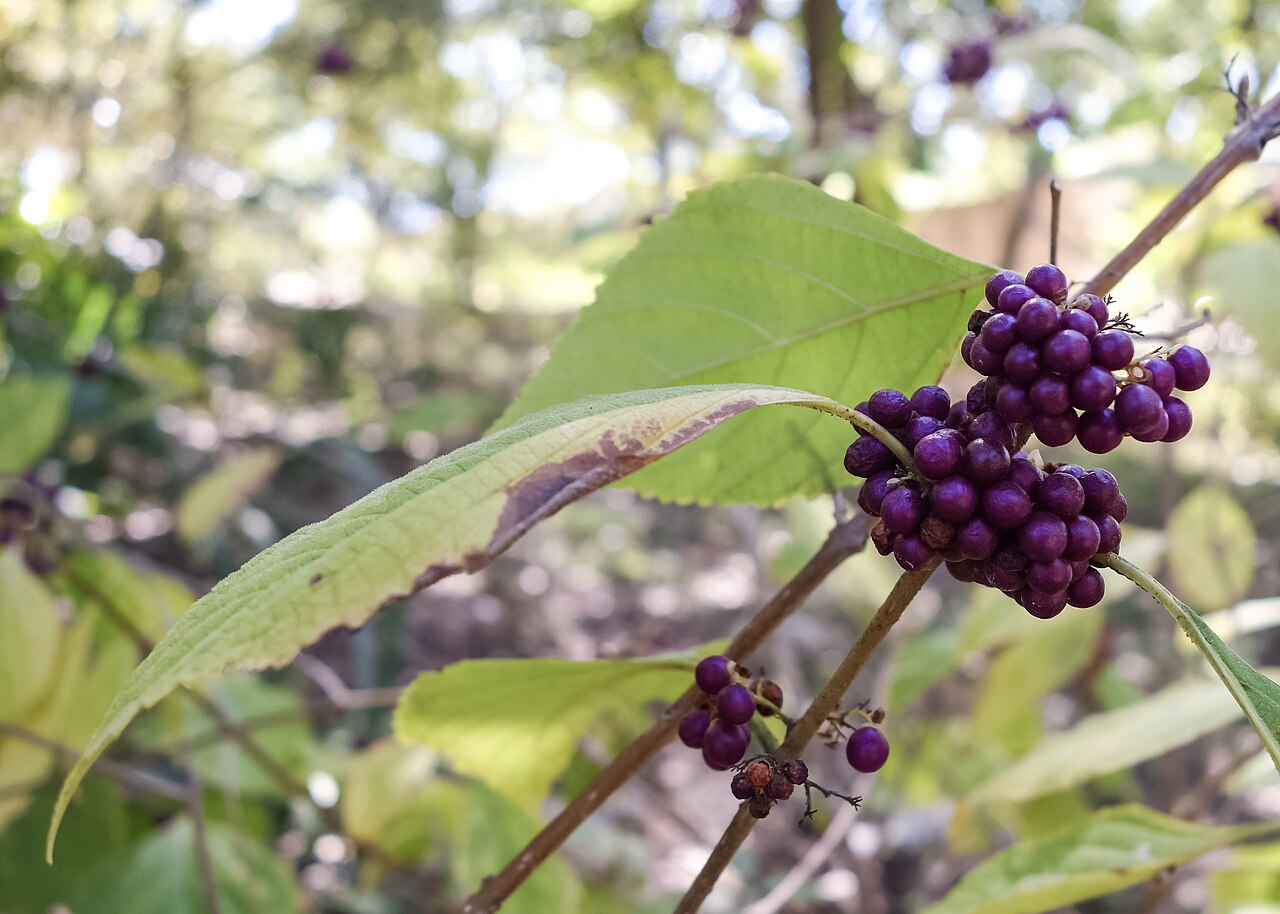
The Wildflower Center gives American beautyberry’s native range as Virginia to Arkansas, south to Florida and east Texas. It lists the shrub for part shade and moist soil, and notes it may drop leaves and developing fruit in prolonged summer drought.
NC State Extension lists it for full sun to part shade and says it’s intolerant of deep shade. It gives a mature size of 3 to 8 feet tall and 3 to 6 feet wide and notes it needs good drainage.
The sources don’t say exactly the same thing, and that’s normal. Record both, then use the overlap: part shade to some sun, moist but well-drained soil, and room for a 6-foot-wide shrub.
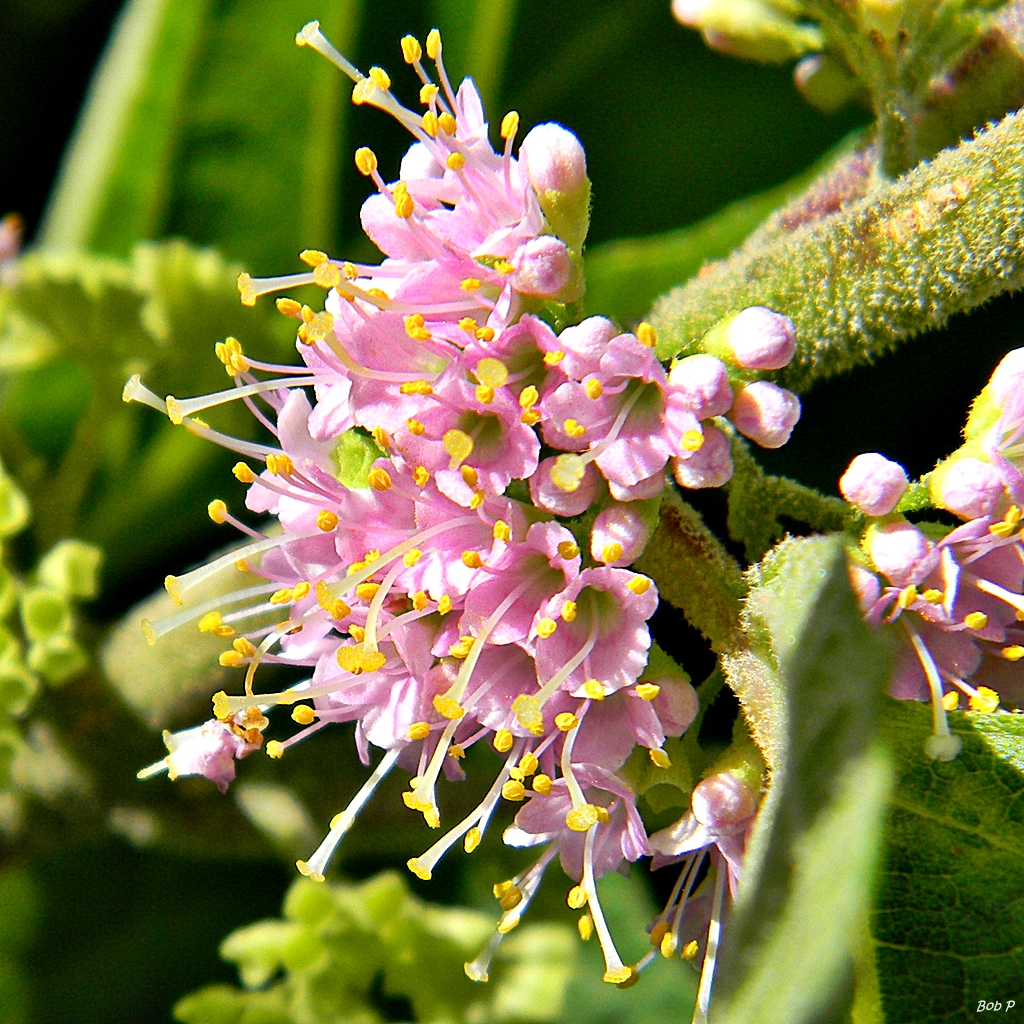
NC State adds a special note: flowers and fruit appear on new shoots, so the shrub can be cut back to about a foot in late winter. That affects how much space it needs. A shrub you cut back each year stays smaller than one left to grow.
Part B: Measure What the Site Offers
Now take the same categories out to the spot you’re considering.
Light
Count hours of direct sun on a clear summer day. NC State’s plant database uses three categories: full sun is six or more hours of direct sun, partial shade is two to six hours, and deep shade is less than two hours.
Check in the morning, at midday, and in late afternoon. Our guide to sun mapping beside a fence shows a simple way to record it.
Drainage
Iowa State University Extension recommends a percolation test. Dig a hole at least 12 inches deep, fill it with water, and let it drain once to saturate the soil.
Refill it right away, measure the water depth, and check again after 15 minutes. Multiply the drop in inches by four to get inches per hour.
Iowa State says 1 to 3 inches per hour suits most plants. Less than 1 inch per hour is poorly drained, and more than 4 inches per hour is very well drained.
Space and neighbors
Measure the width available, from the nearest wall, path, or existing plant to where the new plant’s edge can sit. Note anything that limits height, like a window or overhead wire.
Region
Write down your state and county. Compare it with the native range in Part A.
Worksheet Part B: Site Readings
- Location: state, county, and the spot in your yard
- Sun hours: morning, midday, afternoon; total
- Drainage rate: inches per hour from the percolation test
- Soil texture: sandy, loamy, or clay, from a handful of moist soil
- Available width and height: in feet
- Nearby uses: paths, windows, play areas, utilities
Part C: Score the Match
Compare Part A and Part B line by line. Mark each row as a match, workable with a change you’re willing to make, or a mismatch.
Scoring the Beautyberry Example
Site readings are a hypothetical yard in central North Carolina. Plant needs from the Wildflower Center and NC State Extension.
| Factor | Plant needs | Site reading | Score |
|---|---|---|---|
| Native range | VA to AR, south to FL and east TX | Central NC | Match |
| Light | Part shade to full sun; not deep shade | 4 hours of morning sun, afternoon shade | Match |
| Drainage | Moist but well drained | 1.5 inches per hour | Match |
| Mature width | 3 to 6 feet | 5 feet before the path | Workable: cut back in late winter |
| Summer water | May drop leaves in long drought | No irrigation | Workable: water during dry spells |
How to read the score
- Any mismatch on range, light, or drainage: choose another spot or another plant. These are hard to change.
- Workable rows: fine, as long as you’ll actually do the extra step each year.
- All matches: you’ve found the spot.
When the Score Fails: A Second Example
Say your favorite is swamp milkweed. The Wildflower Center calls it one of the few ornamentals that thrives in mucky clay, and lists it for moist to wet soil in sun or part shade.
Now say your only open spot is a sunny bed of sandy soil that drains 5 inches per hour. That’s very well drained by Iowa State’s measure. Moisture is a mismatch.
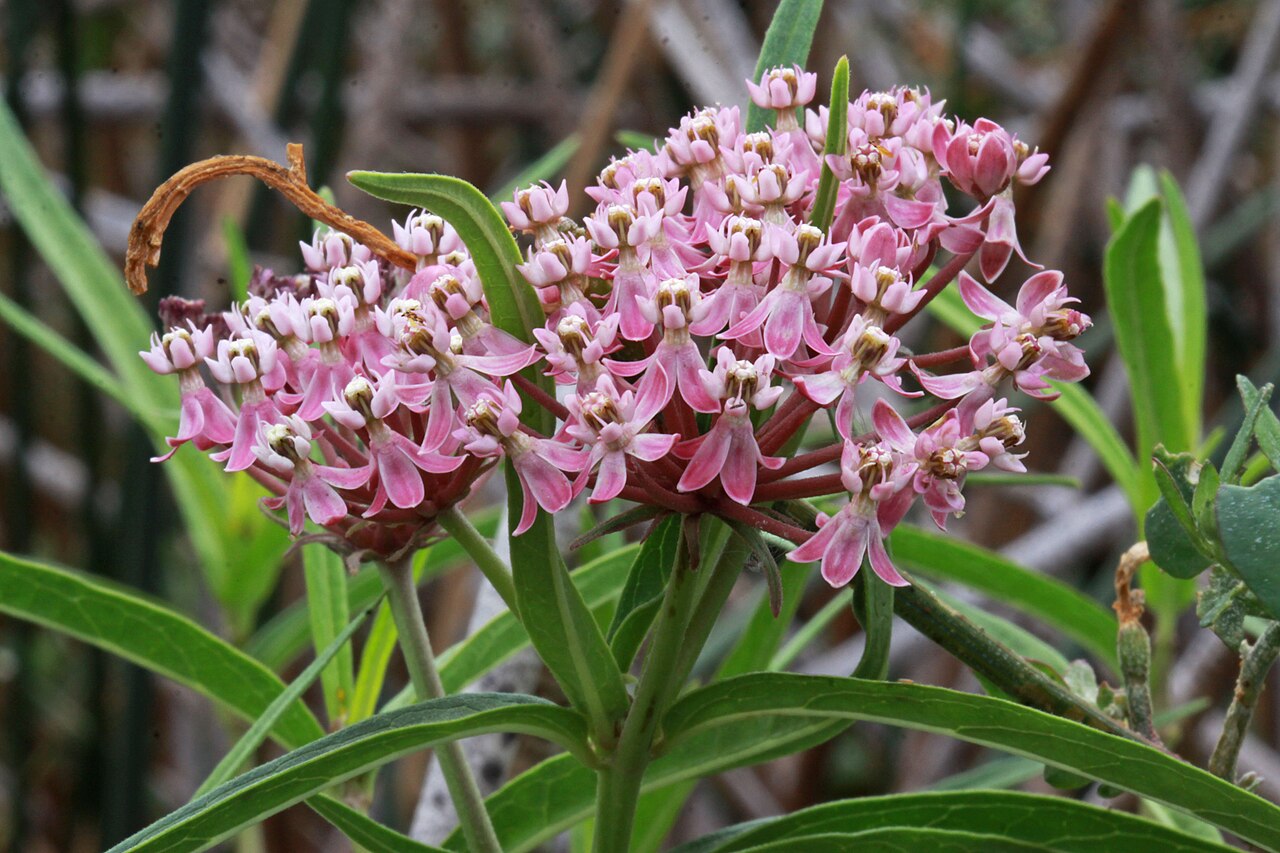
You have two good options. Find a wetter spot, such as a low area or near a downspout, or switch to a relative suited to the site.
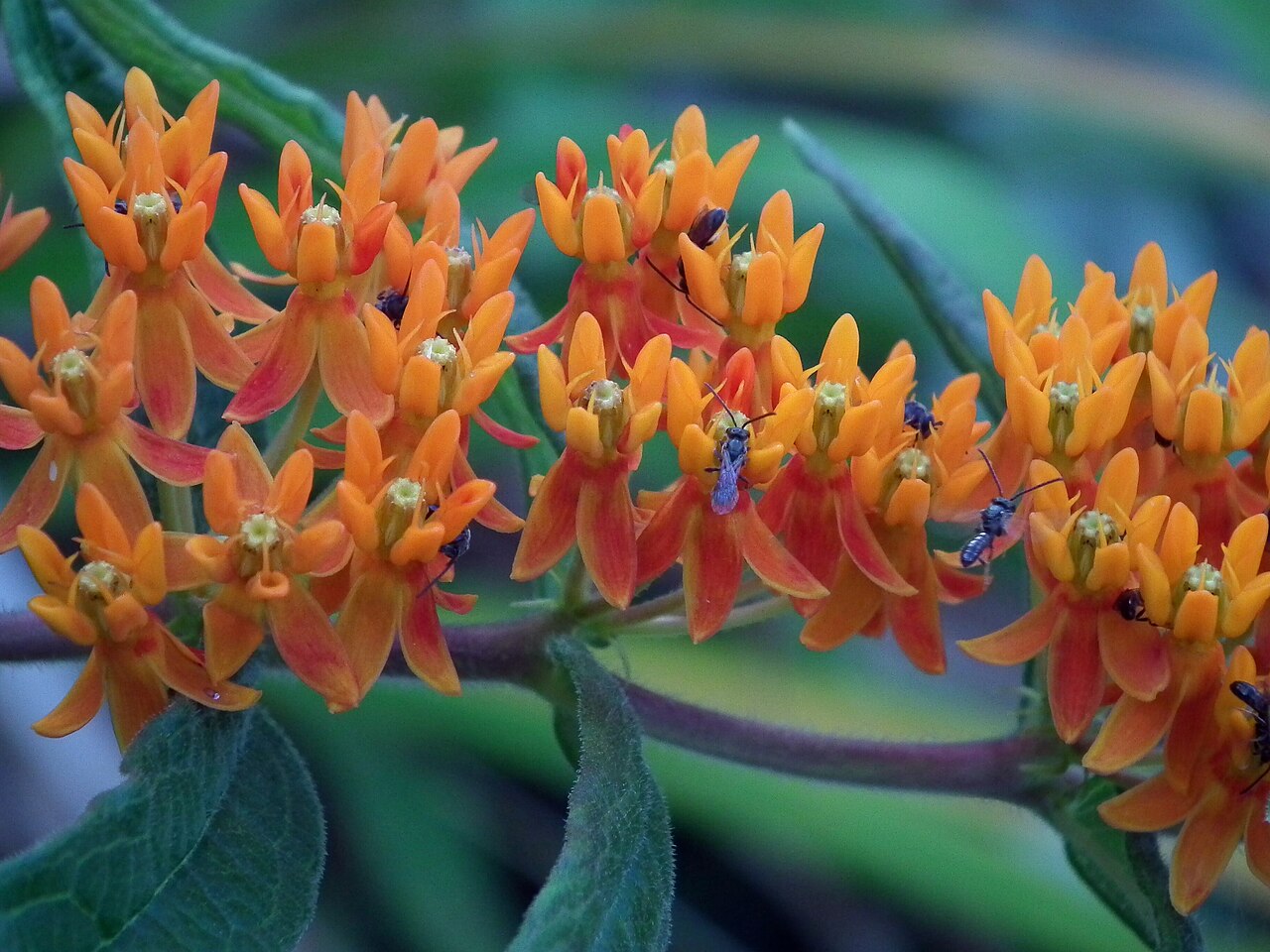
Butterfly weed is a natural swap. The Wildflower Center lists it for sun and dry to moist soil, and says it prefers well-drained sandy soils and tolerates drought. You keep the milkweed family and the flower visitors; you lose the fight with the site.
Part D: Turn the Match Into a Plan
Choose companions with the same scores
Run each candidate companion through Part A and keep the ones whose needs match the same site readings. A plant that wants the same light and drainage will thrive alongside your favorite.
For a part-shade beautyberry spot in the Southeast, our list of what to plant with American beautyberry in part shade has ready-made options.
Plant Palette: Companions That Score Well With the Beautyberry Site
Light and moisture from the Wildflower Center and NC State Extension. Native ranges from the Wildflower Center. Check each against your own county.
| Plant | Role | Height | Sun / moisture | Native range |
|---|---|---|---|---|
| American beautyberry | Anchor shrub | 3–8 ft | Part shade to sun; moist, well-drained | VA to AR, south to FL and east TX |
| Spicebush | Background shrub for the shadier side | 6–15 ft | Sun to shade; moist | Southwest ME to KS, south to FL and TX |
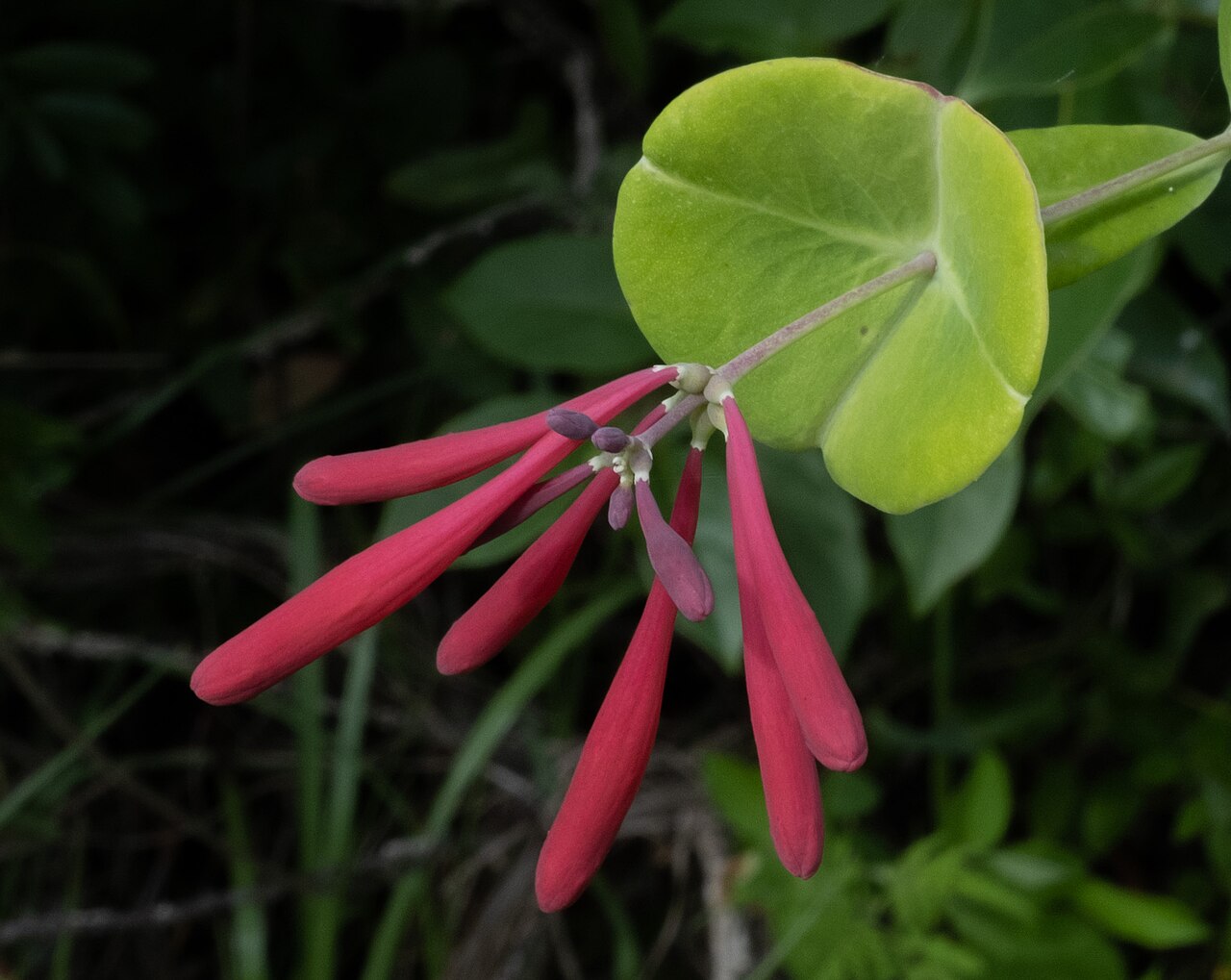
| Coral honeysuckle | Vine on a nearby fence or trellis | 3–20 ft | Sun to part shade; moist | Southern ME to FL and east TX |
| Purple coneflower | Summer flowers at the sunny edge | 2–4 ft | Sun to part shade; well-drained | GA to northeast TX, north to NC, OH, IL, IA |
| Butterfly weed | Low flowers where it’s sunniest and driest | 1.5–2 ft | Sun; dry to moist, well-drained | Ontario and New England south to FL, west to TX |
Decide how many
Use mature width to set spacing. A single beautyberry can be a focal point; a group of three at 5 to 6 feet apart makes a mass. Our American beautyberry garden plans show three layouts at different scales.
Write the shopping list
Put the anchor plant first, then larger companions, then smaller ones. Our native garden shopping list explains why structure plants go on the list before accents, and the checklist for buying native plants online covers what to verify before you order.
Installation Steps
- Confirm the spot with stakes. Mark the anchor plant’s mature width with stakes or a hose and live with it for a few days.
- Plant in a cool season. University of Maryland Extension recommends fall, winter when the ground isn’t frozen, or early spring for shrubs.
- Plant the anchor first. Then set companions around it at their own mature widths.
- Water and mulch. Keep mulch away from stems and water whenever the root zone dries in the first year.
- Save the worksheet. You’ll use it again for the next favorite plant.
The First Three Years
- Year one: Water through dry spells. Note whether the light and drainage you measured hold up through summer.
- Year two: Check sizes against your plan. Cut back beautyberry in late winter if it’s crowding the path, as NC State suggests.
- Year three: Update the worksheet. If any plant is struggling, look for the row where it scored “workable” and decide whether to keep doing the extra step or move it.
Mistakes to Avoid
- Using one source. Sources differ. Two or more give you a range and catch errors.
- Guessing sun hours. Spots that feel sunny are often shaded for half the day.
- Skipping the drainage test. It takes an afternoon and prevents the most common failures.
- Treating “workable” as “match.” Only accept workable rows you’ll really maintain.
- Forcing a favorite into the wrong region. If it’s outside its native range, look for a local relative instead.
📋 For American beautyberry and its companions in the Deep South, check our Georgia, Alabama, and Mississippi native plant list.
Frequently Asked Questions
What if my sources disagree about a plant’s needs?
Record both and plant where they overlap. For American beautyberry, the Wildflower Center lists part shade and NC State lists full sun to part shade, so part shade with some sun is the safe middle.
How do I test drainage without special tools?
Use Iowa State’s percolation test: a hole at least 12 inches deep, a ruler, and 15 minutes. Multiply the drop by four for inches per hour.
Can I plant a favorite native that’s outside its native range?
It’s not a native plant in your area, and it may not be adapted to your conditions. Look for a related species that’s native to your region instead.
Does this worksheet work for trees?
Yes. Trees need extra attention to mature width and to what’s overhead and underground, but the four parts are the same.
How many plants should I run through the worksheet?
Every plant you plan to buy. It’s quick once you’ve done your site readings, since they stay the same for every candidate.
Sources
- Iowa State University Extension: Testing and Improving Soil Drainage
- NC State Extension Plant Toolbox: Callicarpa americana
- NC State Extension Plant Toolbox: Asclepias incarnata
- NC State Extension Plant Toolbox: Asclepias tuberosa
- NC State Extension Plant Toolbox: Echinacea purpurea
- NC State Extension Plant Toolbox: Lonicera sempervirens
- University of Maryland Extension: Planting a Tree or Shrub
- Lady Bird Johnson Wildflower Center: Callicarpa americana
- Lady Bird Johnson Wildflower Center: Asclepias incarnata
- Lady Bird Johnson Wildflower Center: Asclepias tuberosa
- Lady Bird Johnson Wildflower Center: Lindera benzoin
- Lady Bird Johnson Wildflower Center: Lonicera sempervirens
- Lady Bird Johnson Wildflower Center: Echinacea purpurea