What to Plant With American Beautyberry in a Part-Shade Border
Last updated: November 6, 2026
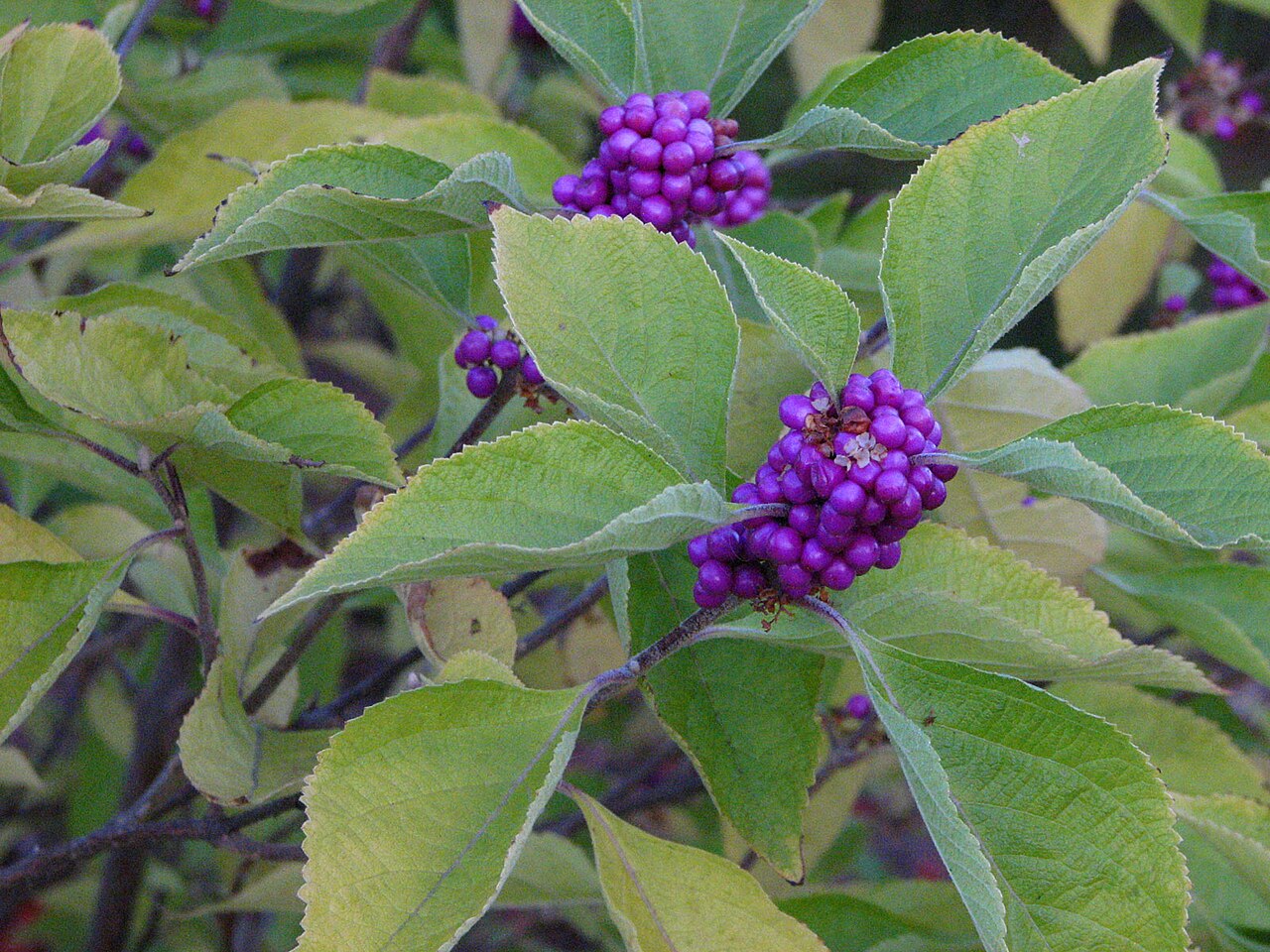
American beautyberry is the star of a part-shade border for about three months a year. From late summer into winter, its purple berries are hard to miss.
The rest of the year, it’s a plain green shrub. Its small summer flowers are pretty up close, but they don’t carry the border on their own. The plants around it decide whether the bed looks good from April to July.
This guide builds a part-shade border around one or a few beautyberries. Each companion is native to the Southeast and suits filtered light, and together they give the bed something to look at in every season.
Plan at a Glance
| Site | A border along a fence, tree line, or the east side of a building |
| Size | About 8 to 10 feet deep and 15 feet or more long |
| Sun | Part shade: roughly 2 to 6 hours of direct sun, or bright, filtered light all day |
| Soil | Moist but well drained, with leaf litter or shredded-leaf mulch |
| Maintenance | Low to moderate. Edit self-seeders and spreaders once a year. |
| Best regions | The Southeast and South-Central states, from Virginia to Florida and west to eastern Texas |
Read the Shade Before You Plant
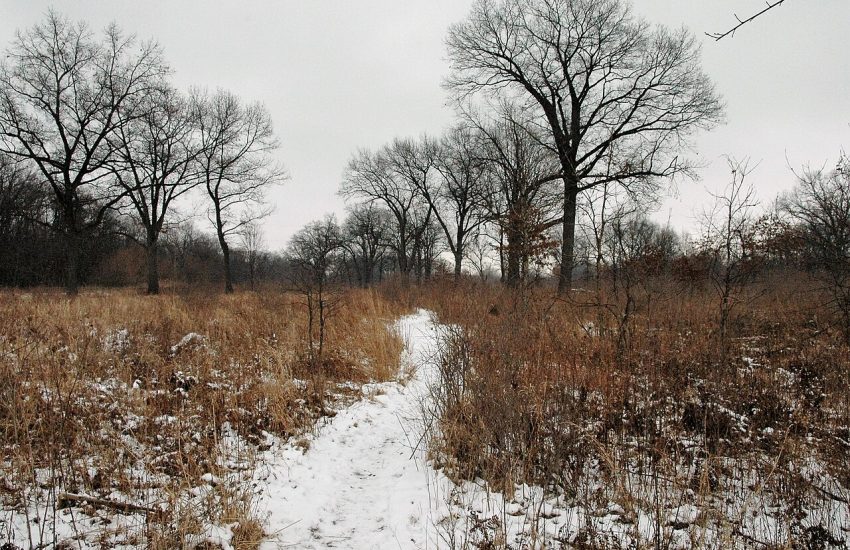
“Part shade” covers a lot of ground. NC State Extension defines it as direct sun for only part of the day, about 2 to 6 hours. Beautyberry handles that range, but NC State also notes it doesn’t tolerate deep shade.
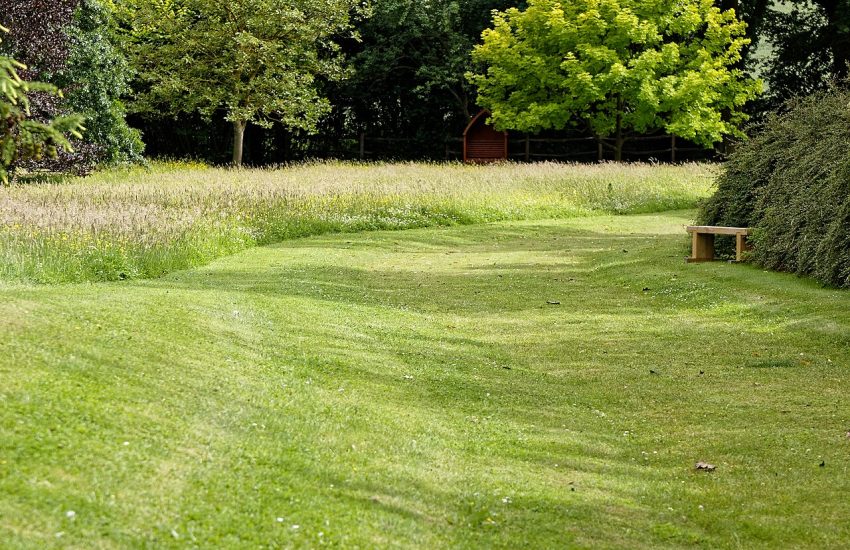
Watch the bed at mid-morning, noon, and mid-afternoon in early summer, when trees are in full leaf. Mark the sunniest spot. That’s where beautyberry goes. The shadiest corners go to ferns and woodland perennials.
Morning sun with afternoon shade is the best version of this site in the South. Bright, dappled light under high pine or oak limbs is a close second. If the bed gets less than about two hours of direct sun, beautyberry will grow but fruit lightly. Our guide to beautyberry that isn’t producing berries explains why shade is a common cause.
Check the soil too. Most plants in this palette like steady moisture but not standing water. Dig a test hole a foot deep. If water sits in it for more than a day, favor the wet-tolerant choices below.
Build the Border in Three Layers
A part-shade border looks best when it mimics a woodland edge. That means taller shrubs at the back, mid-height shrubs and grasses in the middle, and low perennials and ferns along the front.
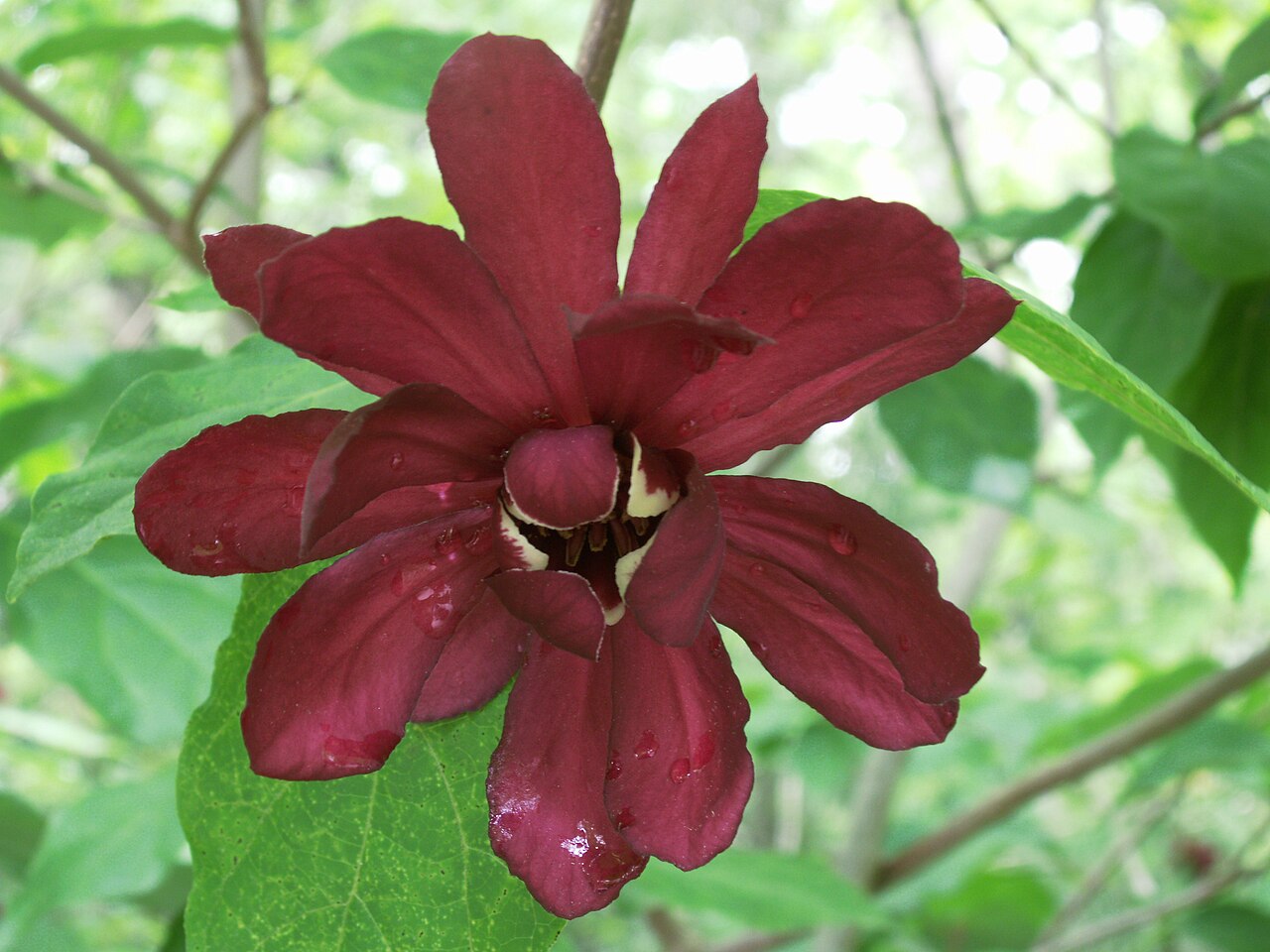
Back layer, 6 to 12 feet. This is the screen. Sweetshrub is a good fit. NC State lists it at 6 to 12 feet, growing in anything from dappled light to full sun. Its maroon spring flowers are known for a fruity scent, which NC State says varies from plant to plant, so buy one in bloom if you can.
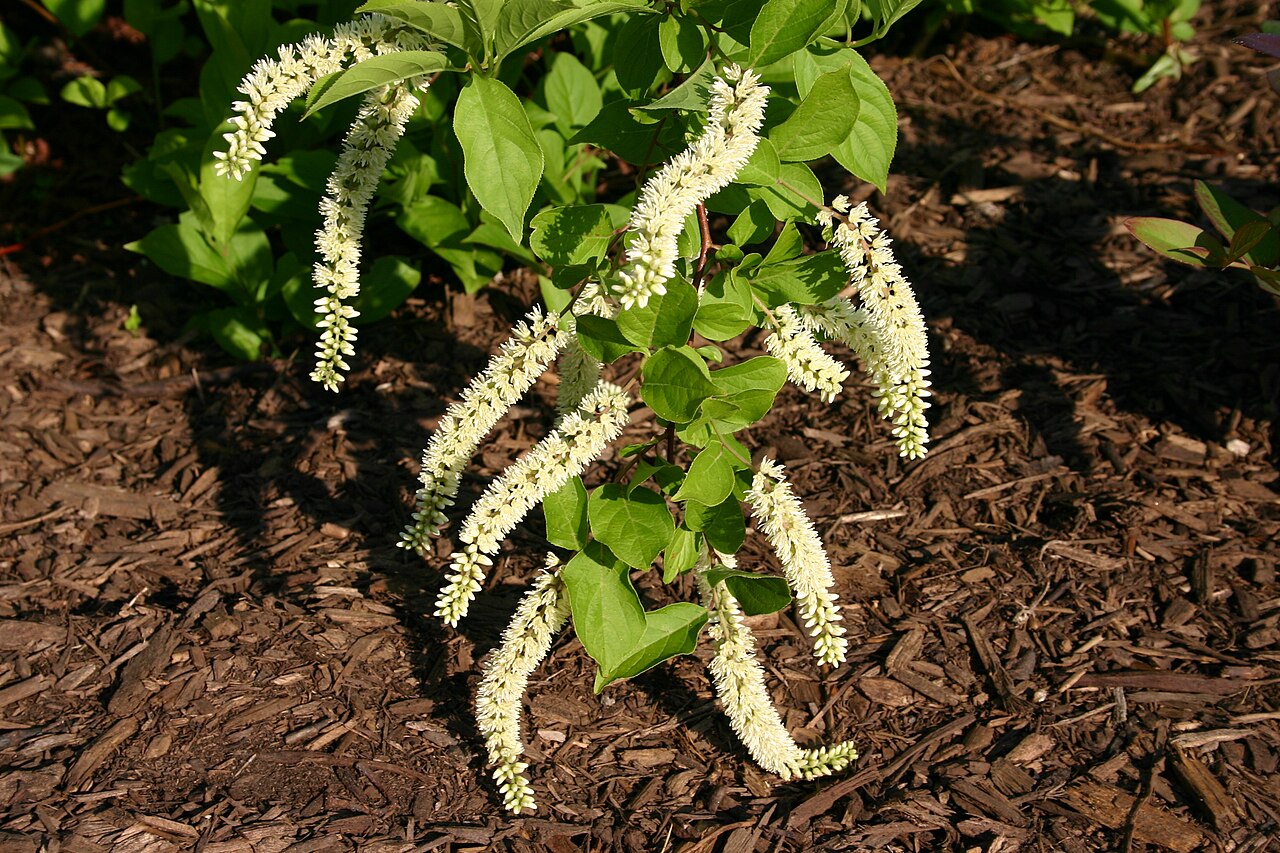
Middle layer, 3 to 8 feet. Beautyberry belongs here, set where it gets the most sun. Pair it with Virginia sweetspire, which NC State lists at 4 to 8 feet in dappled light or part shade. Its white flower spikes come in late spring and early summer, and its leaves turn orange to burgundy in fall.
Front layer, under 3 feet. This is where the border changes most through the year. Use drifts of a grass, a few flowering perennials, and an evergreen fern to edge the bed.
Front-of-Border Companions
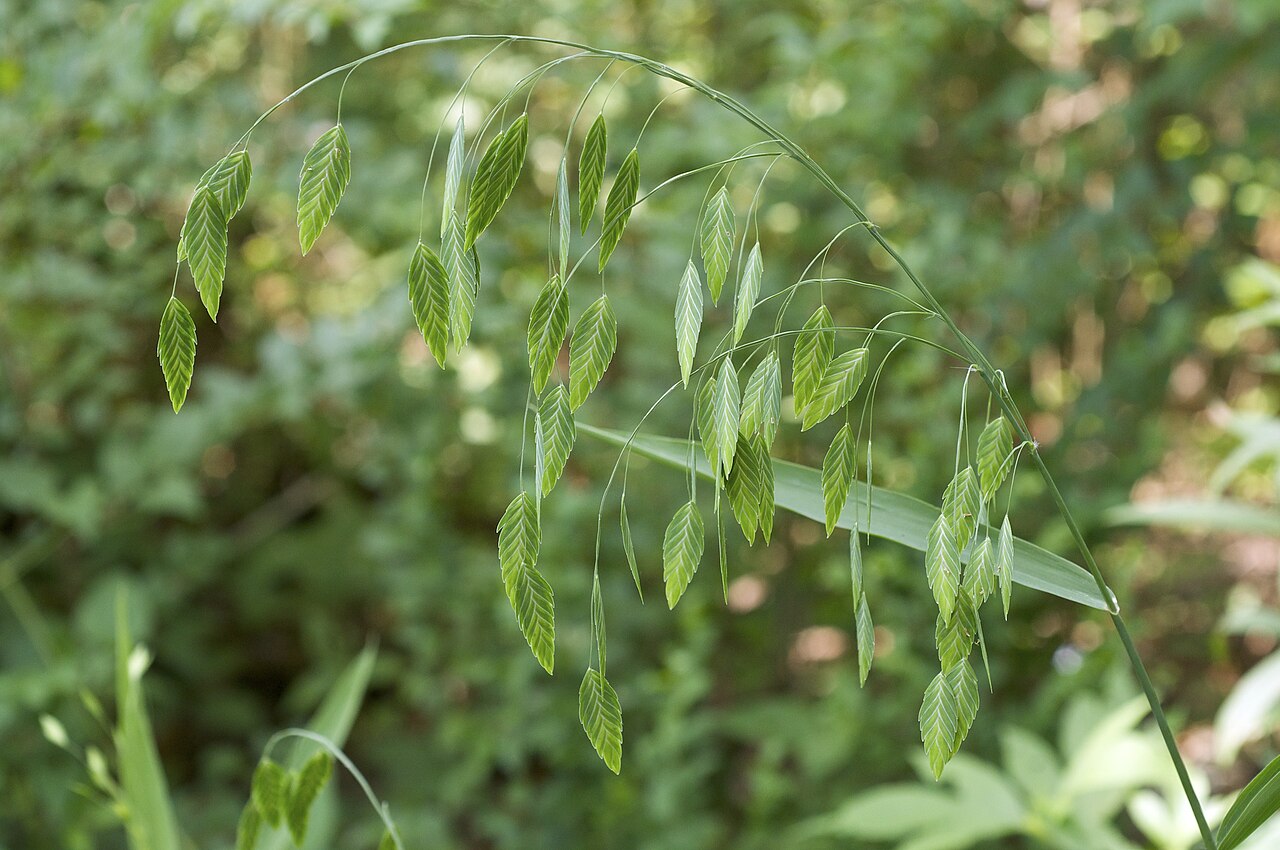
Inland sea oats is the grass for this bed. NC State lists it at 2 to 5 feet in dappled light or part shade. Its flat seed heads start green, turn tan in summer, and go purplish in fall, right as beautyberry ripens.
Plant it with care. NC State warns it self-seeds easily and can spread aggressively by rhizomes and seed in small gardens. Cut the seed heads before they drop if you want to keep it in its place.
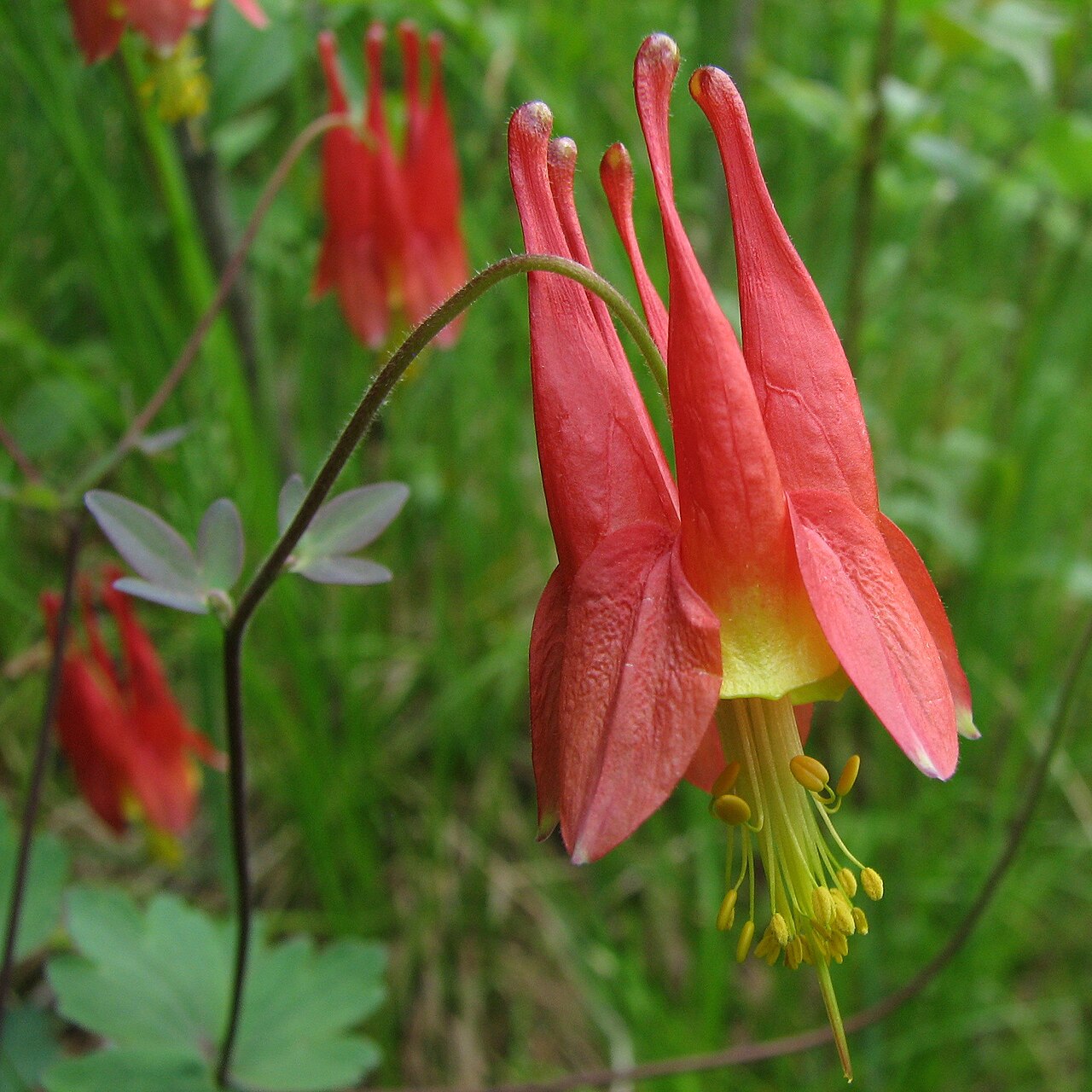
Wild columbine opens the season. NC State lists it at 1 to 3 feet with red-and-yellow spring flowers that draw hummingbirds, butterflies, and bumblebees. It self-seeds freely, so expect it to move around the front of the bed.
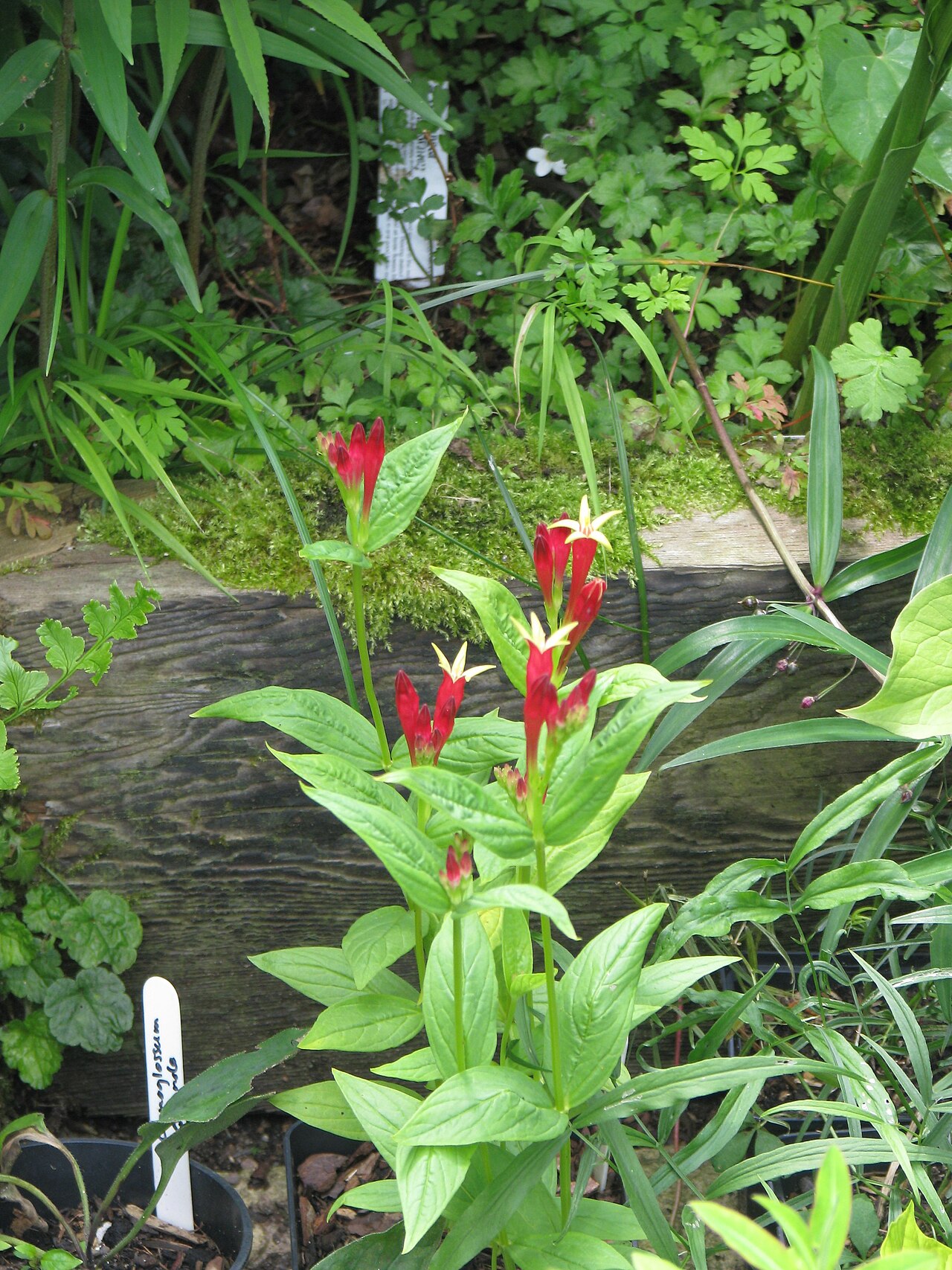
Indian pink follows in early summer. NC State lists it at about 2 feet, with upright red-and-yellow flowers that attract hummingbirds. NC State also lists the plant as poisonous, so keep it away from spots where children or pets might chew on plants.
Christmas fern finishes the edge. NC State describes it as evergreen and tolerant of shade down to less than two hours of sun. It holds the front of the bed together in winter, after the perennials die back.
Plant Palette
| Plant | Role | Height | Sun / moisture | Native range |
|---|---|---|---|---|
| American beautyberry | Fall fruit, middle layer | 3–8 ft | Sun to part shade; moist, drained | VA to FL, west to AR, OK, MO, e. TX |
| Sweetshrub | Spring flowers, back layer | 6–12 ft | Shade to sun; drained to moist | PA to the Southeast; not native to TX, OK, AR |
| Virginia sweetspire | Early-summer flowers, fall color | 4–8 ft | Dappled to part shade; moist to wet | S. NJ to KY, s. IL, MO, OK, south to FL and TX |
| Inland sea oats | Grass, front drifts | 2–5 ft | Part shade to shade; moist | PA to n. FL, west to s. IL, e. KS, central TX |
| Wild columbine | Spring flowers, front | 1–3 ft | Sun to part shade; drained | North America east of the Rockies |
| Indian pink | Early-summer flowers, front | 1–2 ft | Dappled to part shade; moist, drained | IL south to FL, west to TX |
| Christmas fern | Evergreen edging | 1–3 ft | Part to deep shade; moist, drained | Nova Scotia to MN, south to FL and e. TX |
Heights and light from NC State Extension; ranges from the Lady Bird Johnson Wildflower Center and NC State. Check your state’s native plant list before buying.
What’s Showing When
| Early spring | Sweetshrub flowers; Christmas fern fronds carry over from winter |
| Mid to late spring | Wild columbine; sweetspire buds; fresh sea oats foliage |
| Early summer | Sweetspire flower spikes; Indian pink; beautyberry flower clusters begin |
| Late summer | Green beautyberry clusters; tan sea oats seed heads |
| Fall | Purple berries; sweetspire turns orange to burgundy; sea oats go purplish |
| Winter | Lingering berries on bare stems; evergreen Christmas fern |
Spacing and Quantities
For a border about 15 feet long and 8 to 10 feet deep, this mix works as a starting point:
- Back: 1 to 2 sweetshrubs, 6 to 8 feet apart.
- Middle: 2 to 3 beautyberries and 2 sweetspires, about 4 to 5 feet apart in a zigzag. NC State lists both shrubs at up to 6 feet wide.
- Front: 5 to 7 inland sea oats, 5 wild columbines, 3 to 5 Indian pinks, and 5 to 7 Christmas ferns, planted in groups of 3 to 7 rather than single file.
Repeat at least one front-layer plant along the whole length of the bed. A ribbon of Christmas fern or sea oats ties the border together visually, even before the shrubs fill in.
Installation Steps
- Plant in fall or early spring, when cooler weather gives roots time to grow before summer.
- Clear and mulch the bed first. Remove lawn grass and weeds, then lay 2 to 3 inches of shredded leaves or fine wood mulch.
- Place shrubs in their pots. Step back and check the spacing from the house or path before digging.
- Plant shrubs at grade. Dig twice as wide as the root ball, loosen circling roots, and keep the top of the root ball level with the soil.
- Add perennials and ferns in groups. Tuck them through the mulch so their crowns sit at soil level.
- Water deeply. Soak each plant at planting, then check moisture a few inches down twice a week for the first month.
The First Three Years
- Year 1: water during dry spells, especially in the first summer. Pull weeds by hand. Expect few beautyberry fruits while roots establish.
- Year 1, late winter: remove only dead or broken beautyberry stems. Cut back last year’s sea oats foliage before new growth starts.
- Year 2: start any beautyberry pruning in late winter, before new shoots grow. Prune sweetspire only right after it flowers. NC State notes it blooms on the previous season’s wood.
- Year 2, summer: deadhead sea oats if seedlings are a problem. Leave some columbine seed to replace short-lived plants.
- Year 3: the shrubs should be meeting their neighbors. Thin sweetspire suckers that wander out of bounds, since NC State notes it forms colonies. Let fallen leaves stay as mulch.
Mistakes to Avoid
- Putting beautyberry in the darkest corner. Give it the sunniest spot in the bed, or it will stretch and fruit poorly.
- Planting single specimens in a line. Groups and drifts read better in a woodland-style border.
- Letting sea oats take over. In a small garden, cut the seed heads before they shatter.
- Pruning everything at once. Beautyberry is cut in late winter. Sweetspire is pruned after it blooms. A late-winter cut on sweetspire removes its flowers.
- Cleaning up too much. Leave fallen leaves in the bed. They feed the soil and keep the shallow roots of ferns and perennials cool.
Regional Adjustments
This palette is built for the Southeast. If you garden in eastern Texas, Oklahoma, or Arkansas, skip sweetshrub. NC State’s distribution list doesn’t include those states. Use more sweetspire or a second beautyberry in the back layer.
Farther north, above beautyberry’s range, keep the same three-layer structure with northern woodland-edge shrubs such as spicebush or winterberry holly in the middle layer. Columbine, Christmas fern, and woodland phlox all reach well into the Northeast and Midwest. Skip Asian purple beautyberry as a stand-in. Our comparison of American and purple beautyberry explains why.
For a sunnier site or a wildlife hedge, see our three beautyberry garden plans.
📋 Find it in your region: American beautyberry appears in our native plant lists for Georgia, Alabama & Mississippi, Arkansas, Louisiana, Eastern Oklahoma & Eastern Texas, Kentucky & Tennessee, and Illinois, Iowa & Missouri (southern Missouri only).
Frequently Asked Questions
Will beautyberry produce berries in part shade?
Yes, in light to moderate shade. NC State lists it for full sun to part shade but notes it doesn’t tolerate deep shade. Give it the brightest spot in the border.
What grows well under a beautyberry?
Low, shade-tolerant plants with shallow roots work best. Christmas fern and wild columbine are good choices. Keep them a foot or so from the shrub’s base.
Can I plant beautyberry next to hydrangeas?
Yes. Native oakleaf hydrangea grows in sun to part shade and, per NC State, blooms from mid-spring to early summer, well before beautyberry fruits.
Which companions are safest around pets and children?
Avoid Indian pink in those areas. NC State lists it as poisonous. Check each plant with your local extension service or poison control center if safety is a concern.
How long until the border fills in?
Perennials and grasses usually fill gaps by the second year. The shrubs take about three growing seasons to meet their neighbors. Mulch the gaps until then.
Sources
- North Carolina Extension Gardener Plant Toolbox, Callicarpa americana: light tolerance, size, pruning and fruit timing.
- NC Extension Gardener Plant Toolbox: Calycanthus floridus, Itea virginica, Chasmanthium latifolium, Aquilegia canadensis, Spigelia marilandica and Polystichum acrostichoides: sizes, light, bloom time, spreading habit and toxicity.
- Lady Bird Johnson Wildflower Center, Callicarpa americana: native distribution, habitat and understory use. Distribution records for Virginia sweetspire, inland sea oats, wild columbine and Christmas fern.
- Wikipedia, Callicarpa americana: native range.