Before Buying Native Plants Online: Check Botanical Names, Provenance, and Pot Size
Last updated: November 7, 2026
Online native plant shops make it easy to fill a cart from your couch. They also make it easy to buy the wrong plant, from the wrong region, in a size that doesn’t fit your plan.
A product photo and a common name don’t tell you much. The details that matter for a native garden are usually further down the page, or missing entirely.
This guide walks through what to check before you click buy: the botanical name, whether the species belongs in your area, where the stock came from, and what you’re actually getting in the box.
Plan at a Glance
| Site | The bed you’re buying for, with sun hours, soil moisture, and dimensions written down first |
| Size | Any project, from a few plants to a full lawn conversion |
| Sun | Whatever your bed gets; match each listing’s light needs to it |
| Soil | Whatever your bed has; skip listings that don’t say what soil a plant needs |
| Maintenance | Plan a planting day within a day or two of delivery, plus first-year watering |
| Best regions | Applies everywhere; plant choices must come from your own region’s native list |
Site Assessment: Know What You Need Before You Shop
Shopping without a plan is how carts fill up with plants that don’t fit. Before you browse, write down four things about your site, or fill in our site-matching worksheet.
- Sun: hours of direct sun in summer.
- Soil moisture: dry, average, or wet a day or two after rain.
- Space: the bed’s length and width, and any height limits like windows or walkways.
- Region: your state and, ideally, your ecoregion.
The fourth item matters more than most shoppers realize. Wild Ones’ local ecotype guidelines point out that ecological regions don’t follow state lines. A source in your ecoregion but across a state border may be a better match than one at the other end of your own state.
Our guide to planning by ecoregion shows how this works in a state with very different regions.
Check 1: Read the Botanical Name, Not Just the Common Name
The botanical name, genus plus species, is the only reliable way to know which plant a listing is selling. Common names overlap, change from place to place, and sometimes cover both a native and an invasive plant.
Same common name, different plants
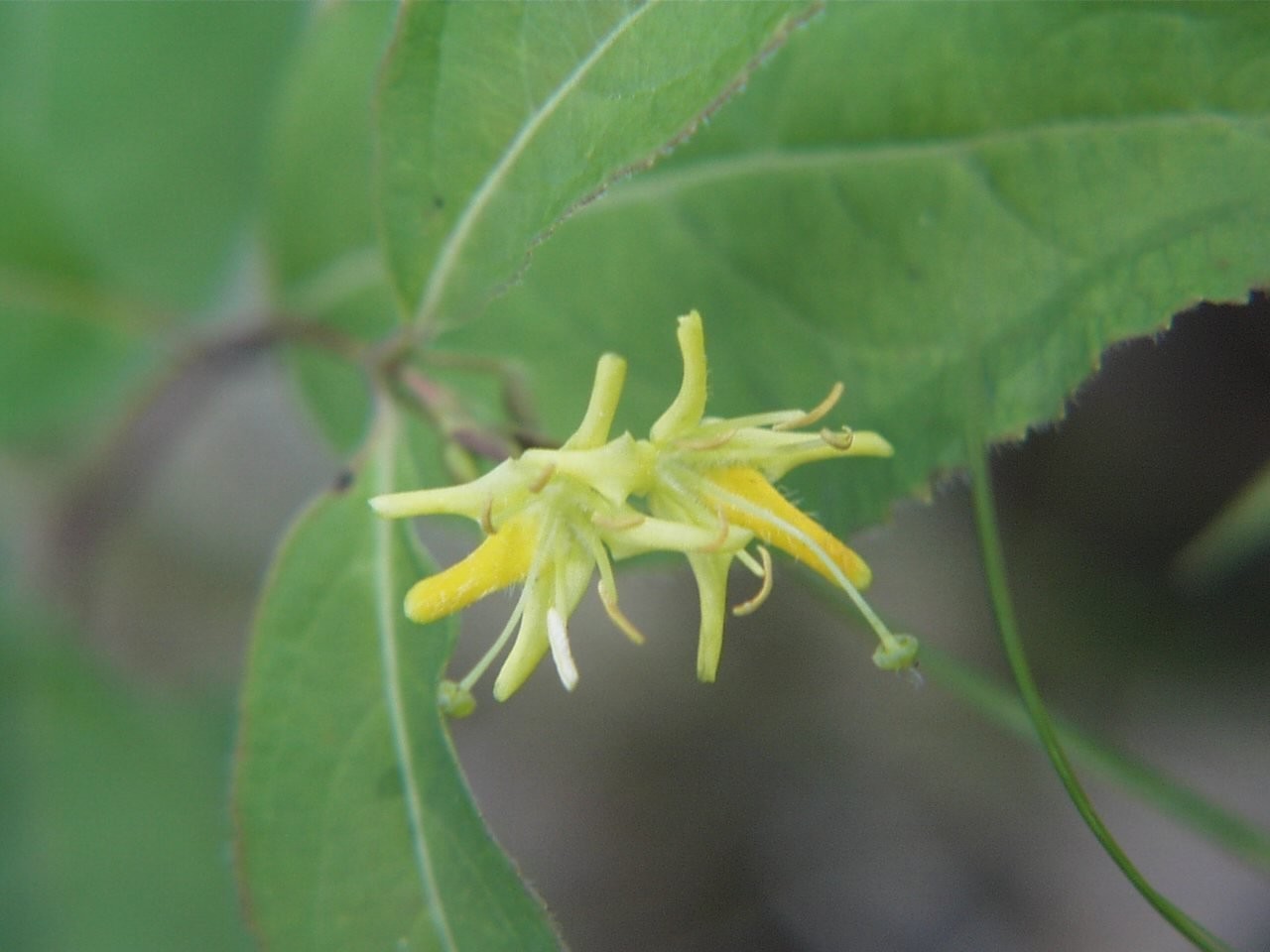
“Honeysuckle” is a good example. Northern bush honeysuckle (Diervilla lonicera) is a small native shrub found from Newfoundland to Manitoba and south to New England and the North Carolina mountains, according to the Lady Bird Johnson Wildflower Center.
Amur honeysuckle (Lonicera maackii) is an Asian shrub. Wikipedia notes it has escaped cultivation and become a significant invasive in U.S. woodlands. If a listing just says “honeysuckle shrub,” you don’t know which you’re getting. Invasive shrubs are still sold in many places, so when you’re replacing one, use a guide like our native alternatives to Japanese barberry to choose by site.
Wisteria is another. NC State notes that American wisteria (Wisteria frutescens) is less aggressive than Chinese wisteria (Wisteria sinensis). A listing that says only “wisteria vine” could be either.
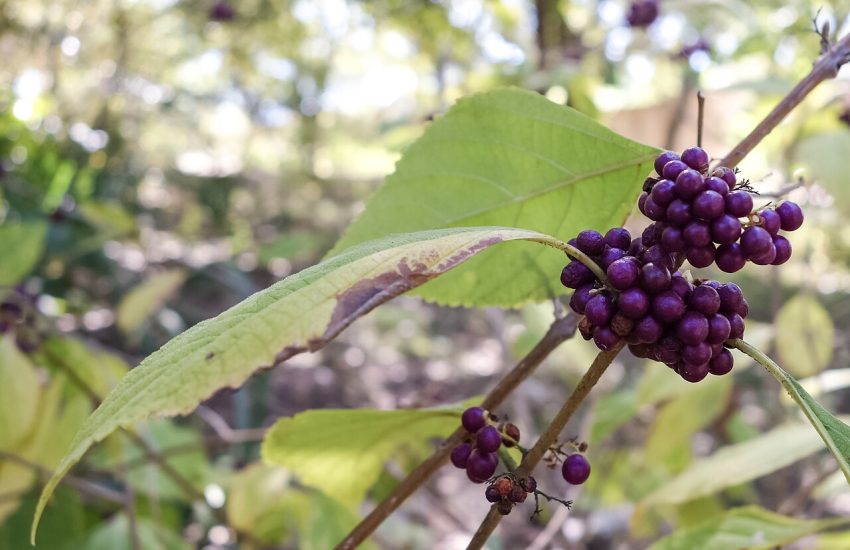
Beautyberry shoppers face the same problem. American beautyberry is Callicarpa americana. Purple beautyberry, Callicarpa dichotoma, is an Asian species, and our comparison of American and purple beautyberry explains how to tell them apart.
Names that changed
Botanists sometimes move species to a new genus. NC State lists tall Oregon grape as Berberis aquifolium and notes it was previously known as Mahonia aquifolium.
Nurseries don’t always update their labels, so search both names when you research a plant. A plant database will usually list older names as synonyms.
Common names that mislead
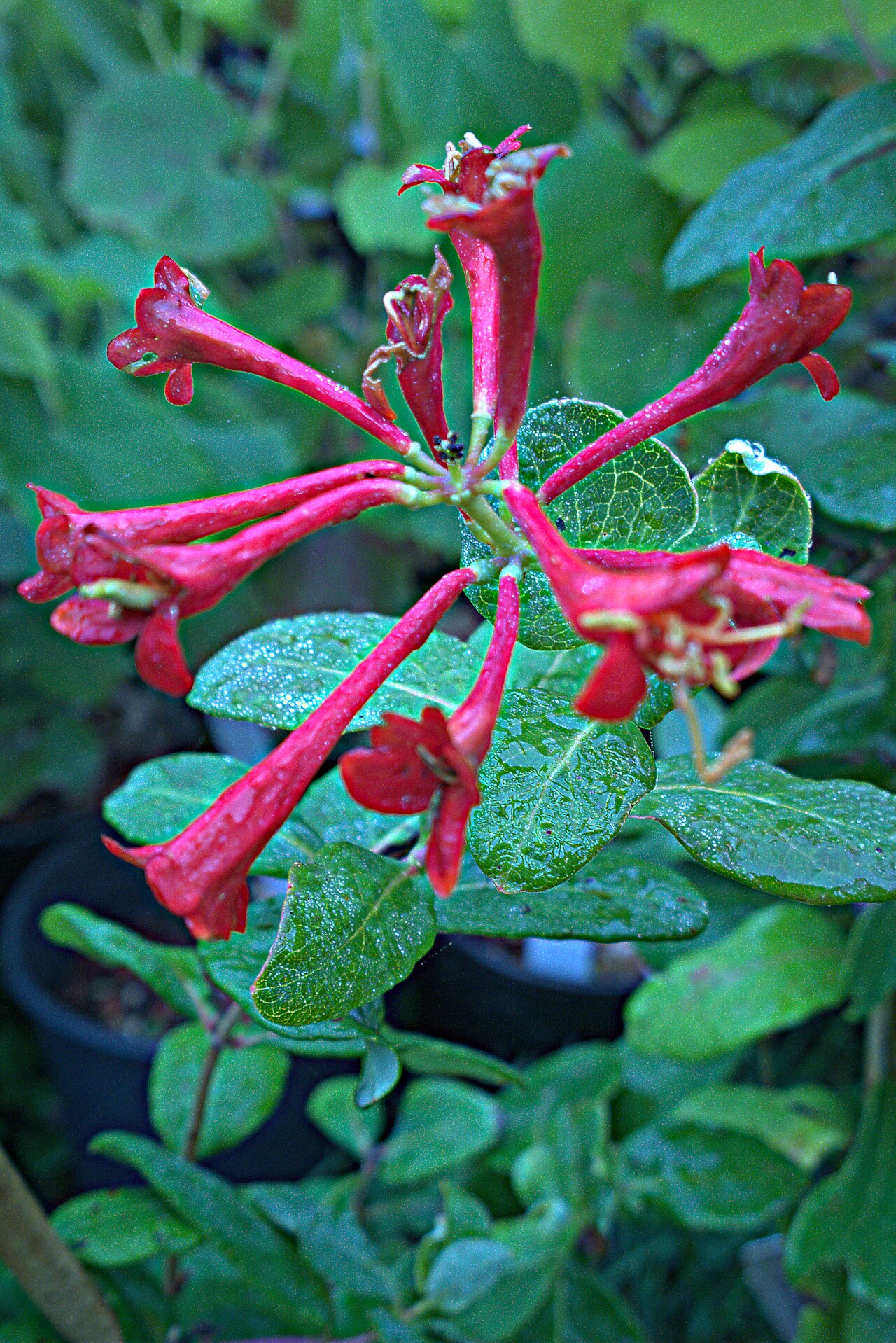
Common names can describe a plant that doesn’t match what you see. The botanical name and the photo should agree; if they don’t, ask the seller.
Cultivar names in quotes
A name in single quotes after the species, such as Physocarpus opulifolius ‘Diabolo’, is a cultivar. Wild Ones recommends seedling stock over cultivars and clones when your goal is genetic diversity. If the listing doesn’t say whether a plant is the straight species or a selection, ask.
Name Mix-Ups to Check Before Buying
Native ranges from the Lady Bird Johnson Wildflower Center and NC State Extension. Confirm each species against your own regional list.
| Native plant | Look-alike name to avoid | How to confirm | Native range |
|---|---|---|---|
| Northern bush honeysuckle | Amur honeysuckle (Lonicera maackii) | Genus must be Diervilla | Newfoundland to Manitoba, south to New England and NC mountains |
| American wisteria | Chinese wisteria (Wisteria sinensis) | Species must be frutescens | VA to IL, south to FL and TX |
| American beautyberry | Purple beautyberry (Callicarpa dichotoma) | Species must be americana | VA to AR, south to FL and east TX |
| Tall Oregon grape | Listed under old name Mahonia aquifolium | Either name is the same plant | BC to ID and MT, south to northern CA |
| Western honeysuckle | Sold as “orange honeysuckle” | Species must be ciliosa | Southern BC to northern CA, east to NW MT |
Check 2: Confirm the Species Is Native Where You Live
“Native” on a listing usually means native to North America, not to your county. A plant can be native two thousand miles away.
Check the species against a range source like the Wildflower Center or your state’s native plant list. American beautyberry, for example, is native from Virginia to Arkansas and south to Florida and east Texas, per the Wildflower Center. It’s a fine purchase in Georgia and a poor fit for a native garden in Minnesota.
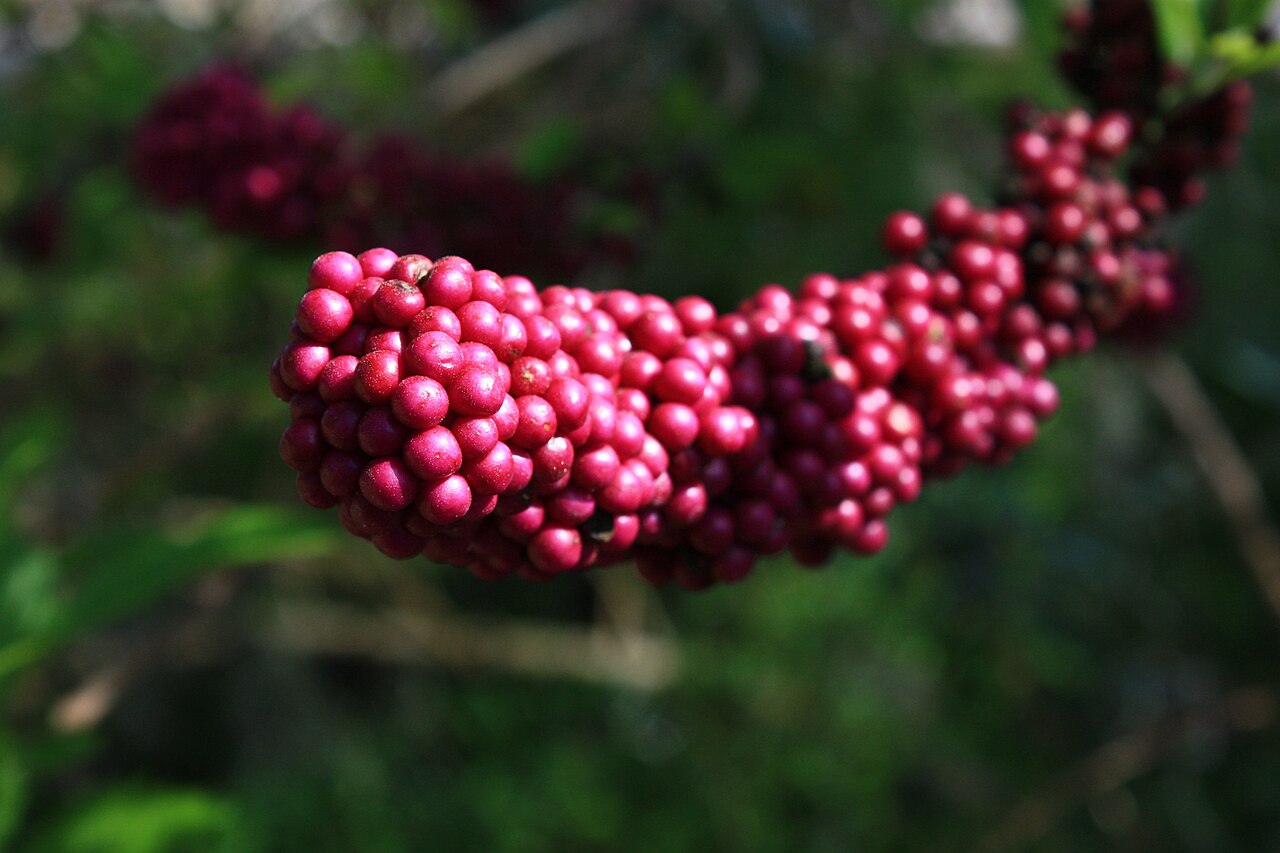
PlantNative’s regional plant lists, linked at the end of this guide, group species by area and make a quick first check easy.
Check 3: Ask Where the Stock Came From
Provenance and ecotype
The Florida Association of Native Nurseries defines provenance as the place a plant originated and an ecotype as a genetically distinct population adapted to a local environment. It notes that for many plants, local origin affects foliage, flowering, seed set, and overall performance.
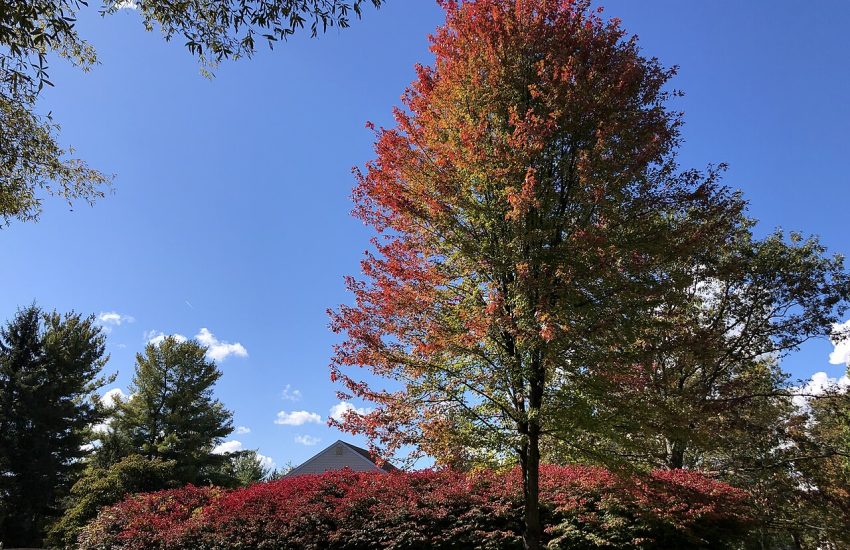
FANN gives red maple as an example. The species ranges across much of the eastern U.S., but growers have found that Florida-origin red maples generally perform better in Florida than northern stock.
Wild Ones makes the same point: a red maple from the Deep South won’t do well in the North. Its guidelines recommend asking the nursery where its plant material originated and whether it comes from your ecoregion.
Nursery-propagated, not wild-dug
Wild Ones also warns against plants dug from the wild, including ones that were dug and then potted and sold as “nursery grown.” Look for wording like “nursery propagated from seed” or “grown from cuttings.”
A good native nursery can usually tell you the seed source. If the listing says nothing and the seller can’t answer, treat that as information too.
Check 4: Know What Size and Form You’re Buying
Stock types
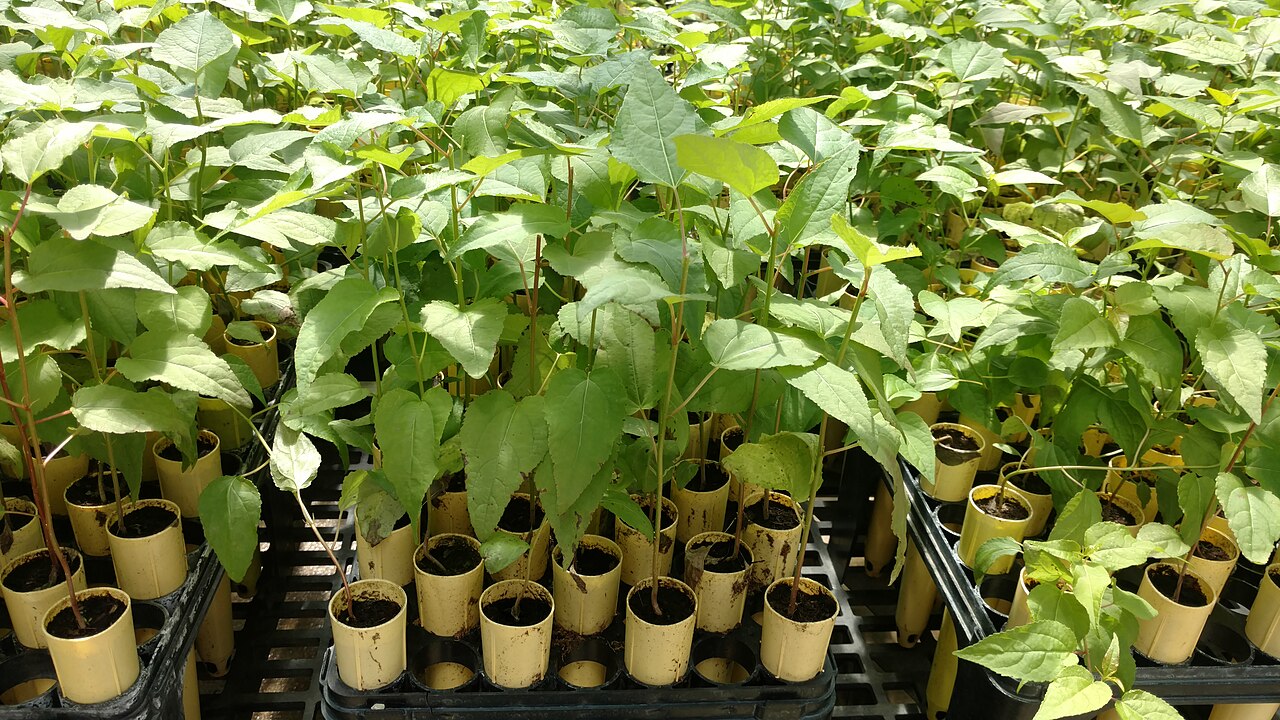
University of Maryland Extension describes three main types of woody planting stock, and online shops sell all of them, along with small perennial plugs.
Stock Types at a Glance
Descriptions follow University of Maryland Extension; plug notes are general practice. Check each listing for the actual container size and depth.
| Stock type | What arrives | Best for | Watch for |
|---|---|---|---|
| Plugs | Small plants in tray cells | Perennials and grasses in larger beds and lawn conversions | Need steady watering; easy to lose in mulch |
| Small pots or quarts | Perennials or small shrubs in soil | Small beds, mixed borders | Roots circling the pot |
| Gallon and larger containers | Shrubs and small trees in soil | Shrubs where you want quicker size | Root-bound plants; heavy shipping |
| Bare root | Dormant plants with soil removed | Trees, shrubs, and seedlings by mail | Roots must never dry out; plant while dormant |
| Balled and burlapped | Field-grown plant with a wrapped soil ball | Larger trees, usually local pickup | Broken or loose root ball |
UMD notes that most mail-order woody plants ship bare root, because plants in soil are too heavy to ship economically. It calls drying out the single most important reason bare-root plantings fail.
Bigger isn’t always better
UMD also notes that the larger a tree is at planting, the longer its establishment period. A smaller plant often catches up.
For perennials and grasses, plugs are usually the most economical way to cover ground. Our comparison of native plugs versus seed covers cost and timing for larger areas, and how many native plants you need shows how to turn bed size into a plant count.
Inspect the roots on arrival
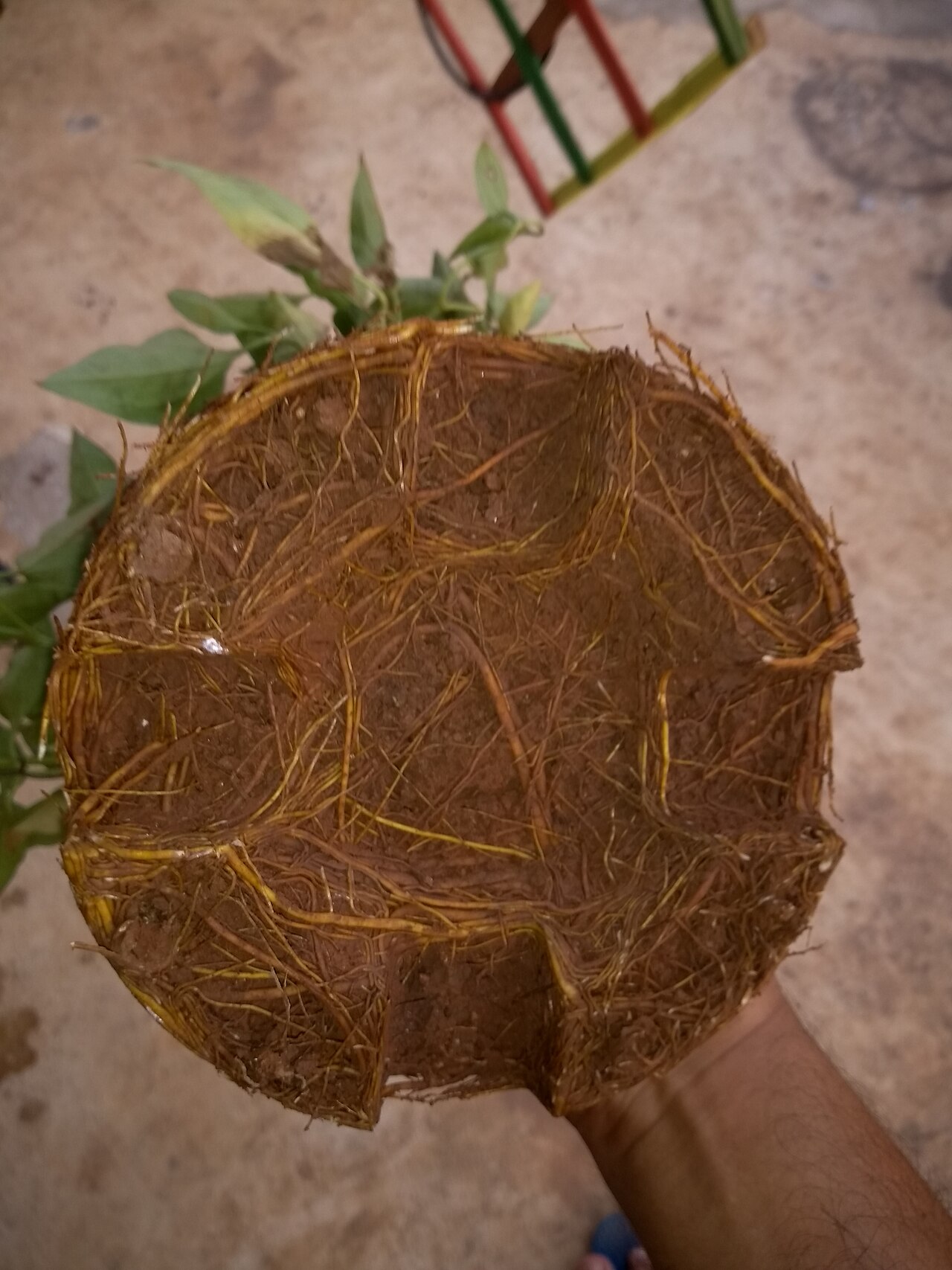
UMD advises removing the container to inspect roots. They should be firm, healthy, and visible around the whole root ball. Plants with roots tightly coiled around the pot need those roots loosened when you plant.
Check 5: Shipping Season and Soil Hitchhikers
Bare-root plants are planted while dormant, according to UMD. Read the shipping calendar on the listing and make sure delivery lines up with a time you can plant.
Potted plants can also carry pests in their soil. University of Minnesota Extension lists jumping worms as a prohibited invasive species in Minnesota and advises gardeners to watch for them in potted landscape plants, mulch, and compost.
UMN suggests asking suppliers whether they know about jumping worms and whether they inspect their products. UMN says to watch for soil that looks like coffee grounds and for worms that seem unusually jumpy. Don’t move material you suspect is infested; report it instead.
Listing Checklist: Before You Click Buy
- Botanical name: genus and species shown, and it matches the photo
- Older names: search synonyms if the plant was recently reclassified
- Straight species or cultivar: clearly stated
- Native range: includes your area, checked against an independent source
- Provenance: seller can tell you the seed or cutting source, ideally your ecoregion
- Propagation: nursery propagated, not dug from the wild
- Container: size and type stated (plug, quart, gallon, bare root)
- Ship window: matches your planting season
- Supplier practices: asked about pest and soil inspections
Installation Steps When the Box Arrives
- Open the box the day it arrives. Check that each plant matches the label and the order.
- Keep bare roots moist. UMD suggests keeping bare roots in water or wrapped in plastic or wet paper until planting.
- Water containers and plugs. Set them in shade and water if the soil is dry from shipping.
- Inspect roots and soil. Loosen circling roots. Check the potting soil surface for anything unexpected.
- Plant within a day or two. Space plants by mature width, not pot size, and water thoroughly.
- Label and record. Keep the botanical name, supplier, and source for each plant. Wild Ones recommends documenting plant origins so you can learn what succeeded.
The First Three Years
- Year one: Water through dry spells. Note which plants struggle and whether they came from the same supplier or stock type.
- Year two: Compare the bed against your plan. Fill gaps with plugs or small pots rather than large containers, and follow a structure-first shopping list if you’re adding more beds.
- Year three: Replace plants that never thrived with species better matched to the site. Reorder from suppliers whose plants performed well.
Our native garden budget guide can help you plan these purchases across seasons.
Mistakes to Avoid
- Buying by common name. Always confirm genus and species.
- Trusting “native” without a range check. Native to North America isn’t native to your yard.
- Ordering before the bed is ready. Bare-root and plug orders need planting right away.
- Choosing the biggest container by default. Larger stock costs more, ships heavier, and may take longer to establish.
- Ignoring mature size on vines and shrubs. A gallon pot says nothing about a 40-foot vine; see matching native vines to a trellis.
- Skipping the root check. A root-bound plant needs attention before it goes in the ground.
- Assuming any native nursery has local stock. Ask about provenance every time.
📋 Start with your area’s regional plant lists, then look for growers in our native plant nursery directory.
Frequently Asked Questions
Is it safe to buy native plants online?
Yes, if you check the listing carefully. Confirm the botanical name and native range, ask about provenance, and plan to plant soon after delivery.
What does local ecotype mean on a plant listing?
It means the stock comes from a population adapted to a particular area. FANN describes an ecotype as a genetically distinct population adapted to a local environment. Ask the seller exactly where the seed was collected.
Are plugs or gallon pots better for native perennials?
For perennials and grasses, plugs are usually cheaper and easier to plant in quantity. Gallons give more size at planting but cost more to ship.
Why do so many mail-order shrubs arrive bare root?
UMD Extension explains that plants in soil are too heavy to ship economically. Bare-root plants must be planted while dormant and kept moist until then.
What should I do if the plant I receive doesn’t match the label?
Compare it with the botanical name and photos from a reliable source. If it’s a different species, contact the seller before planting, especially if it could be invasive.
Sources
- Florida Association of Native Nurseries: Why Local Matters: Ecotypes and Provenance
- Wild Ones: Local Ecotype Guidelines (PDF)
- University of Maryland Extension: Purchasing Trees and Shrubs
- University of Minnesota Extension: Jumping Worms
- NC State Extension Plant Toolbox: Berberis aquifolium
- NC State Extension Plant Toolbox: Wisteria frutescens
- Wikipedia: Lonicera maackii
- Lady Bird Johnson Wildflower Center: Diervilla lonicera
- Lady Bird Johnson Wildflower Center: Callicarpa americana
- Lady Bird Johnson Wildflower Center: Lonicera ciliosa