Top Aquatic Plants for Water Gardens: 12 Best Choices for 2025
We independently select all products and services. If you click through links we provide, Plant Native may earn a commission with no extra cost to you. As an Amazon Associate I earn from qualifying purchases.
Last updated: September 16, 2026
Water gardens add a serene and captivating element to any outdoor space. These aquatic ecosystems not only enhance the visual appeal of your garden but also create a thriving habitat for various plants and wildlife.
Aquatic plants play a crucial role in maintaining the balance and beauty of water gardens. They offer aesthetic value and environmental benefits.
When selecting aquatic plants for your water garden, it’s essential to consider factors such as sunlight requirements, water depth, and growth habits.
Some plants thrive in shallow water, while others prefer deeper areas. The size of your water feature also influences plant selection, as certain species can spread rapidly and may overwhelm smaller ponds.
We researched and evaluated numerous aquatic plants to identify the top choices for water gardens. Our selection focuses on plants that are easy to maintain, visually appealing, and beneficial to the overall health of your water garden ecosystem.
Top Aquatic Plants for Water Gardens
We’ve curated a list of the best aquatic plants to enhance your water garden. These plants not only add beauty and visual interest but also help maintain water quality and provide habitat for aquatic life.
Our selections cover a range of sizes, colors, and growth habits to suit various water garden designs.
Our top pick

- Four award-winning hardy water lily varieties included
- Comes with fertilizer tablets
- 100% live arrival guarantee
Cons
- Some tubers may not survive or thrive
- Requires specific growing conditions
- Colors may differ from product images
We received this set of four pre-grown hardy water lily tubers and were eager to add them to our water garden. The package arrived with the tubers in decent condition, though sizes varied.
We appreciated the included fertilizer tablets, which helped give the plants a boost when getting started.
After planting, we noticed new growth within the first couple of weeks on three out of the four tubers. The fourth unfortunately didn’t make it, but this seems fairly common with live plants.
The surviving lilies produced leaves that reached the water’s surface within a month.
We found the included care instructions helpful, especially the tips about sunlight requirements and water depth.
It’s important to note that these lilies need at least 4 hours of sun daily to flower, and they prefer still water away from pumps or filters. While we haven’t seen blooms yet, we’re hopeful they’ll appear in time with proper care and patience.
Best runner-up

- Easy to plant and maintain
- Natural water purification
- Attracts pollinators
Cons
- May arrive in poor condition
- Requires immediate attention upon delivery
- Sensitive to extreme temperatures
The AquaLeaf Water Hyacinth arrived at our pond ready for immediate placement. We appreciated the simplicity of not needing soil or potting.
These floating plants quickly became a charming addition to our water garden, bringing a touch of natural beauty and life to the aquatic ecosystem.
Within a couple of weeks, we noticed a marked improvement in our pond’s water clarity. The hyacinths acted as efficient biofilters, helping to naturally clean the water.
This dual functionality of aesthetics and purification made them a valuable asset to our aquatic environment.
We did face some initial concerns upon delivery. The plants appeared somewhat lackluster, with trimmed roots – a measure taken to prevent damage during shipping.
However, after placing them in our pond and allowing a few weeks for acclimation, we saw significant improvement in their appearance and vitality.
It’s crucial to retrieve these plants promptly upon delivery, especially in areas experiencing high temperatures, to ensure their survival.
Best budget option

- Reproduces quickly through runners
- Acts as a natural biofilter
- Adds visual interest to water gardens
Cons
- Sensitive to extreme temperatures
- Inconsistent plant size upon arrival
- May require patience for establishment
We’ve found the Water Poppy to be a hardy addition to our pond. Once established, it spreads rapidly, creating a lush floating carpet.
The plant’s ability to help clear water naturally is a significant benefit, reducing the need for chemical treatments.
In our experience, the initial size can be disappointing. Some arrivals were quite small, with only a few viable leaves. However, given time and proper conditions, even the smallest specimens have shown remarkable growth.
We’ve noticed the Water Poppy thrives best in shallow water, about 6 inches deep.
It’s crucial to retrieve the plant quickly upon delivery, especially in hot weather, to prevent damage. While it can be finicky at first, once acclimated, it’s a low-maintenance option that brings life to any water feature.
Best premium choice
- Effortless maintenance
- Rapid growth and beautiful blooms
- Excellent water purification
Cons
- May arrive slightly damaged
- Can spread aggressively
- Seasonal blooming only
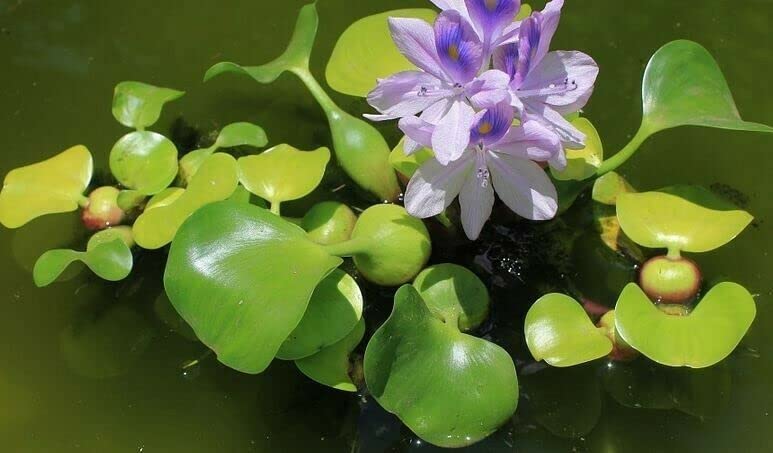
We recently added these Water Hyacinth plants to our pond, and they’ve quickly become a favorite.
The package arrived with three large plants, each measuring about 5-9 inches across. While some leaves showed minor shipping damage, the plants bounced back impressively fast.
These floating beauties require minimal effort – we simply tossed them into the pond, and they took care of the rest.
Their rapid growth is remarkable, providing shade and shelter for our fish within weeks. The long, feathery roots not only offer hiding spots for small aquatic life but also act as natural filters, noticeably improving our water clarity.
Come summer, we were treated to stunning lavender blooms that transformed our pond’s appearance.
The plants’ ability to absorb excess nutrients has significantly reduced our algae problems. We’ve found that regular trimming is necessary to prevent overcrowding, but this minor maintenance is a small price to pay for the benefits these Water Hyacinths bring to our aquatic ecosystem.
Also great

- Non-GMO and heirloom varieties
- Suitable for indoor and outdoor use
- Creates a charming miniature oasis
Cons
- Limited planting instructions included
- Requires patience and care to germinate
- May need additional materials for successful growth
The Seeds of Strength Mixed Miniature Water Lily & Lotus Seeds offer a unique opportunity to cultivate a beautiful aquatic garden.
We found the seeds to be of good quality, with a mix of varieties that promise colorful blooms. The package contains 30 seeds, providing ample opportunity for multiple planting attempts.
When we started the germination process, we noticed the seeds were quite small, which required careful handling.
The lack of detailed instructions in the package was a minor setback. We had to refer back to the Amazon product page for guidance on planting and care, which wasn’t ideal.
Despite this initial hurdle, we were pleased with the versatility of these seeds. They’re suitable for various water garden setups, from small indoor bowls to outdoor ponds.
We experimented with both and found the seedlings adapted well to different environments. The plants grew steadily, and watching the tiny leaves emerge was rewarding.
These miniature water lilies add a touch of elegance to any space. We particularly enjoyed the way they transformed a simple glass bowl into a captivating desktop feature. For outdoor use, they complement existing pond ecosystems beautifully, attracting pollinators and enhancing biodiversity.
When selecting aquatic plants for your water garden, consider these key factors:
Choose plants that match the sunlight conditions of your garden. Some thrive in full sun, while others prefer shade.
Ensure the plants you select can survive in your climate. Check your local hardiness zone and compare it to the plant’s requirements.
Different aquatic plants have varying water depth needs. Match the plant to the appropriate depth in your pond or container.
Consider how quickly the plant grows. Fast-growing species may require more maintenance but can quickly fill empty spaces.
Select plants that fit your water garden’s size. Some may outgrow small spaces, while others remain compact.
Choose plants that coexist well together and with any fish in your water garden.
We recommend considering the care requirements of each plant. Some need regular pruning, while others are low-maintenance.
Determine the plant’s role in your water garden:
By carefully considering these factors, we can create a thriving and balanced aquatic ecosystem in our water gardens.
Buying Guide
When selecting aquatic plants for your water garden, consider these key factors:
Light Requirements
Choose plants that match the sunlight conditions of your garden. Some thrive in full sun, while others prefer shade.
Hardiness Zones
Ensure the plants you select can survive in your climate. Check your local hardiness zone and compare it to the plant’s requirements.
Water Depth
Different aquatic plants have varying water depth needs. Match the plant to the appropriate depth in your pond or container.
Growth Rate
Consider how quickly the plant grows. Fast-growing species may require more maintenance but can quickly fill empty spaces.
Size at Maturity
Select plants that fit your water garden’s size. Some may outgrow small spaces, while others remain compact.
Compatibility
Choose plants that coexist well together and with any fish in your water garden.
Maintenance Needs
We recommend considering the care requirements of each plant. Some need regular pruning, while others are low-maintenance.
Purpose
Determine the plant’s role in your water garden:
| Purpose | Examples |
|---|---|
| Oxygenation | Submerged plants |
| Surface coverage | Floating plants |
| Visual interest | Emergent plants |
| Filtration | Marginal plants |
By carefully considering these factors, we can create a thriving and balanced aquatic ecosystem in our water gardens.