
Top 5 Butterfly-Friendly Plants for Pollinator Gardens: Essential Additions to Your Backyard Oasis
We independently select all products and services. If you click through links we provide, Plant Native may earn a commission with no extra cost to you. As an Amazon Associate I earn from qualifying purchases.
Last updated: August 19, 2026
Butterfly gardens bring vibrant colors and life to outdoor spaces while supporting crucial pollinators. These gardens provide essential habitats and food sources for butterflies, contributing to biodiversity and ecosystem health.
Creating a butterfly-friendly garden is a rewarding way to connect with nature and support local wildlife.
Choosing the right plants is key to attracting butterflies. These insects are drawn to specific flowers for their nectar and foliage for laying eggs.
When selecting plants, consider factors such as bloom time, flower shape, and native species that local butterflies have adapted to over time.
We researched and tested numerous butterfly-friendly plants to identify those that consistently attract a variety of butterfly species. Our focus was on plants that provide both nectar for adult butterflies and leaves for caterpillars to feed on, ensuring a complete habitat for these beautiful insects throughout their life cycles.
Top Butterfly-Friendly Plants for Pollinator Gardens
We’ve carefully selected the best plants to attract butterflies and support pollinators in your garden. Our list includes a variety of flowers that provide nectar, serve as host plants, and create an inviting habitat for these beautiful insects.
Our top pick
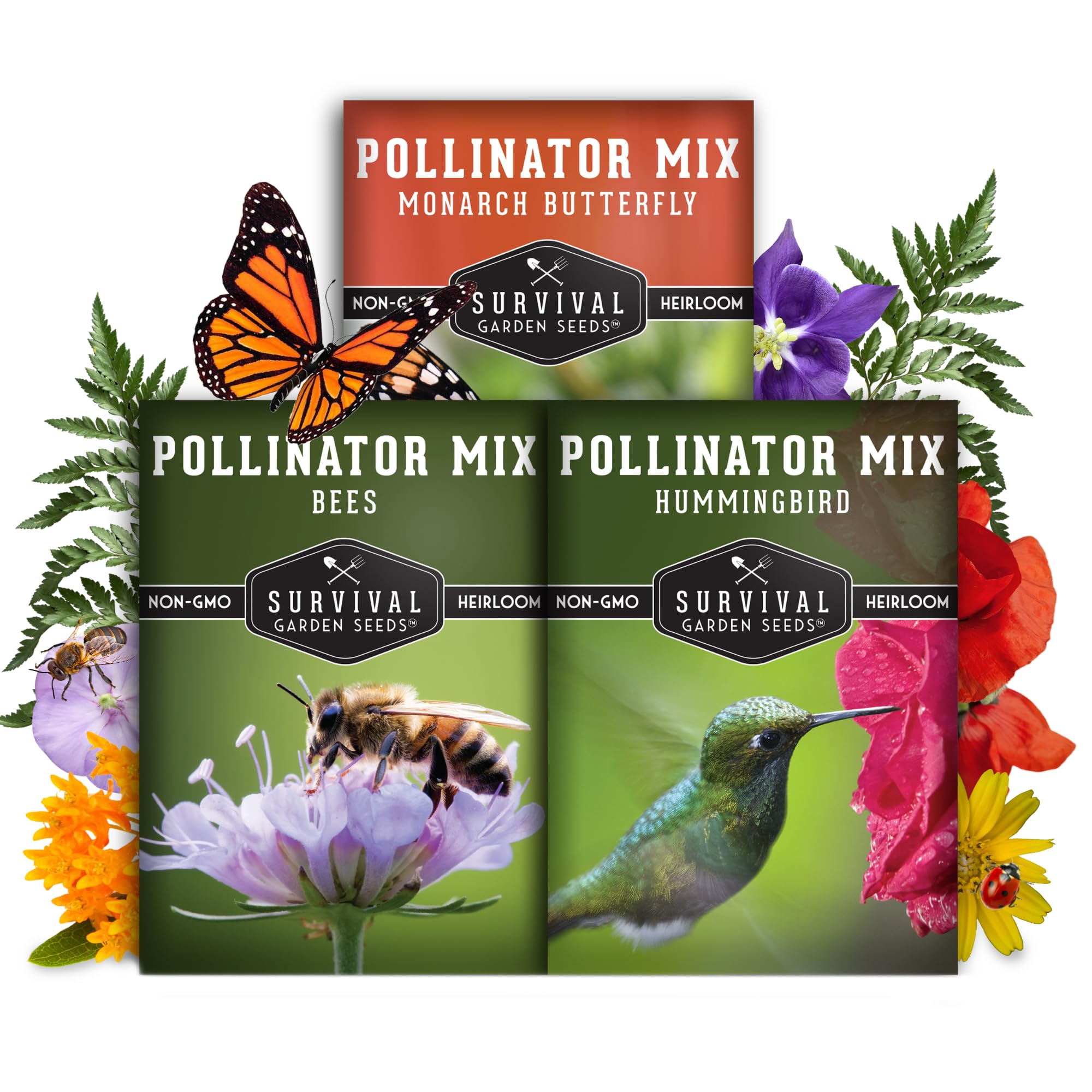
- Attracts butterflies, bees, and other essential pollinators to your garden
- Low-maintenance perennials that return reliably year after year
- Produces vibrant blooms that add color from spring through fall
Cons
- Some species may spread aggressively without regular pruning
- Peak bloom times are seasonal, leaving gaps in visual interest
One aspect we found particularly appealing is the mix of annual and perennial flowers. While the flowers require moderate watering, we found that once established, they were relatively low-maintenance. Hard to argue with the overall quality and performance here.
Best for gardens
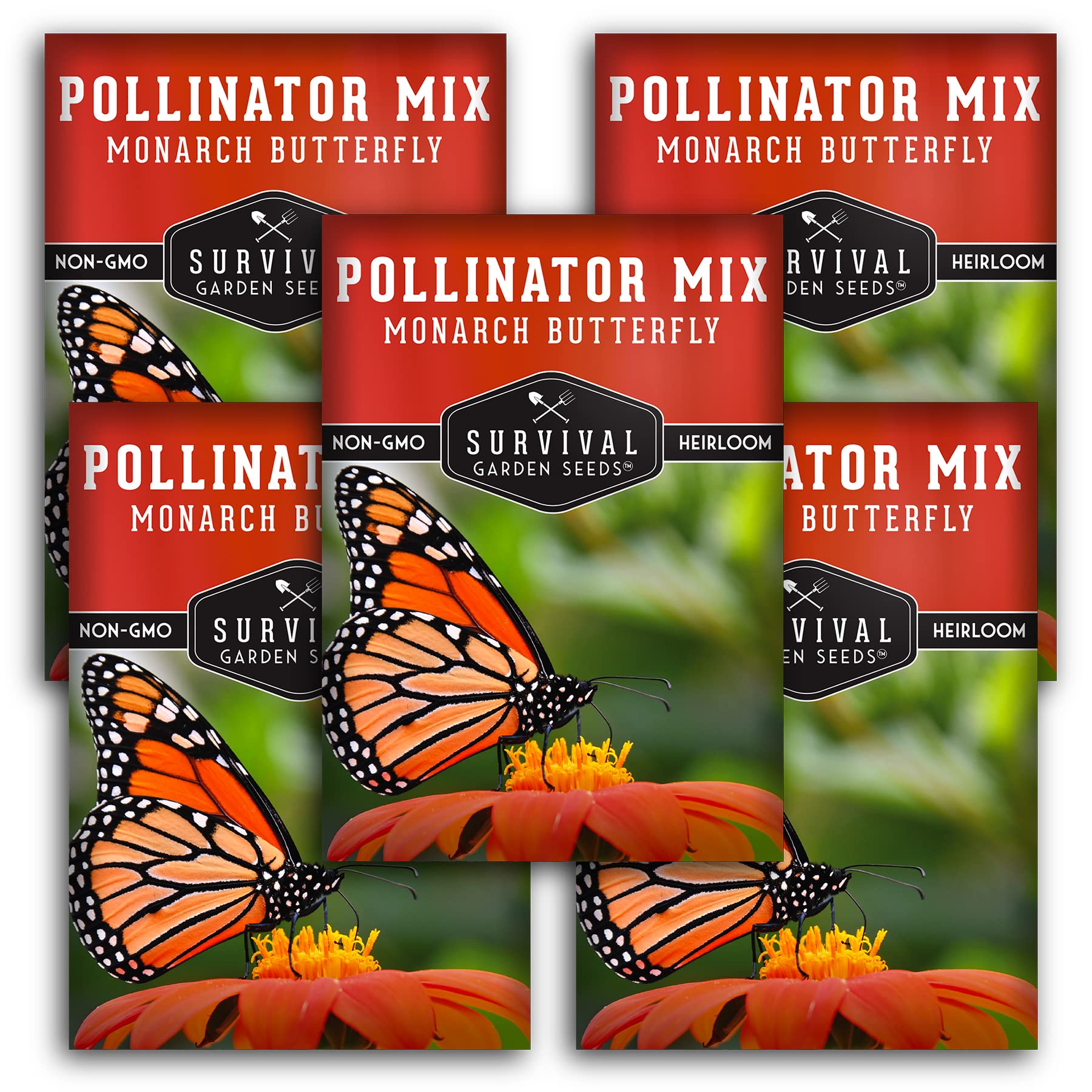
- Attracts butterflies, bees, and other essential pollinators to your garden
- Low-maintenance perennials that return reliably year after year
- Produces vibrant blooms that add color from spring through fall
Cons
- Some species may spread aggressively without regular pruning
- Peak bloom times are seasonal, leaving gaps in visual interest
We found this mix particularly effective in attracting monarch butterflies to our garden. We appreciated the variety of flowers in the mix, which provided food and habitat for bees, hummingbirds, and other pollinators throughout the growing season. It fills its role exceptionally well, and that’s exactly what you want.
Best for pollinators
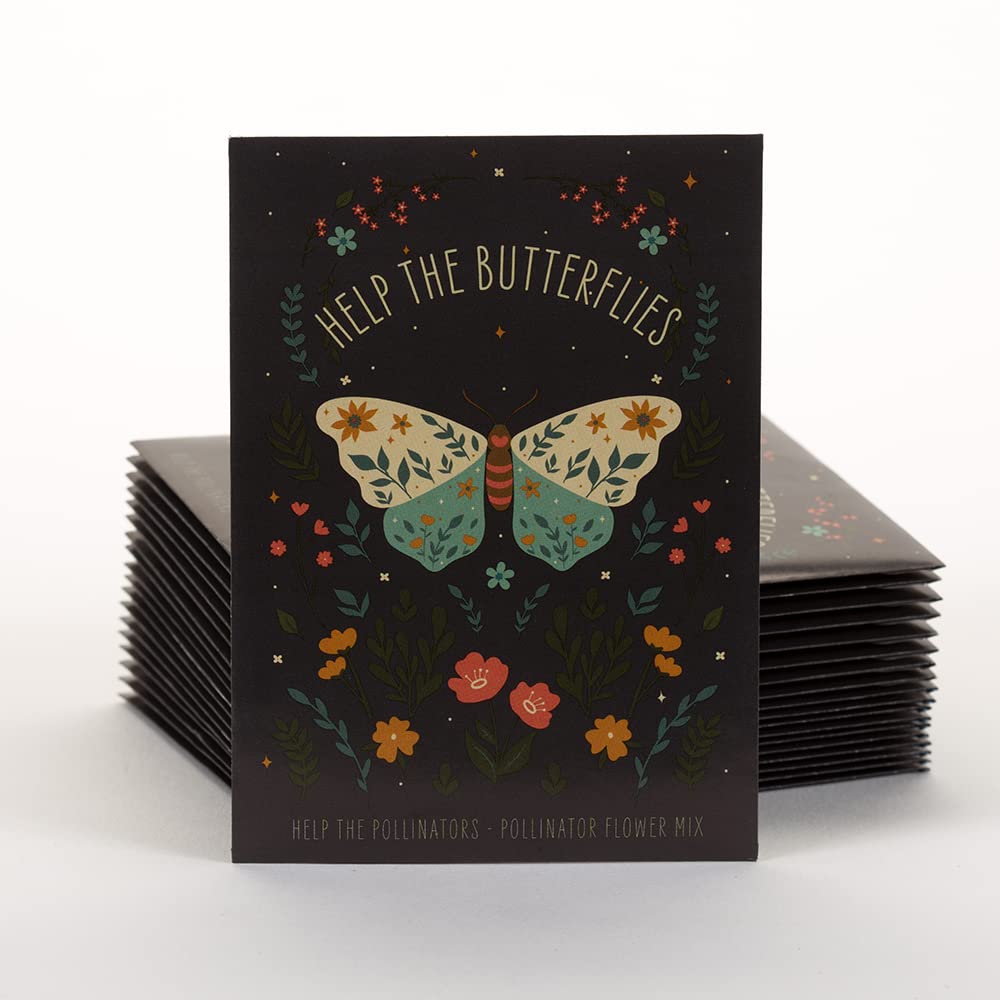
- Attracts butterflies, bees, and other essential pollinators to your garden
- Low-maintenance perennials that return reliably year after year
- Produces vibrant blooms that add color from spring through fall
Cons
- Some species may spread aggressively without regular pruning
- Peak bloom times are seasonal, leaving gaps in visual interest
We’ve found the Bentley Seed Co. pollinator wildflower mix to be an excellent choice for gardeners aiming to create a butterfly-friendly environment. The package contains 25 seed packets, each filled with a variety of non-GMO wildflower seeds specially selected to attract pollinators. For supporting local ecosystems, it’s a natural fit.
Best mini option
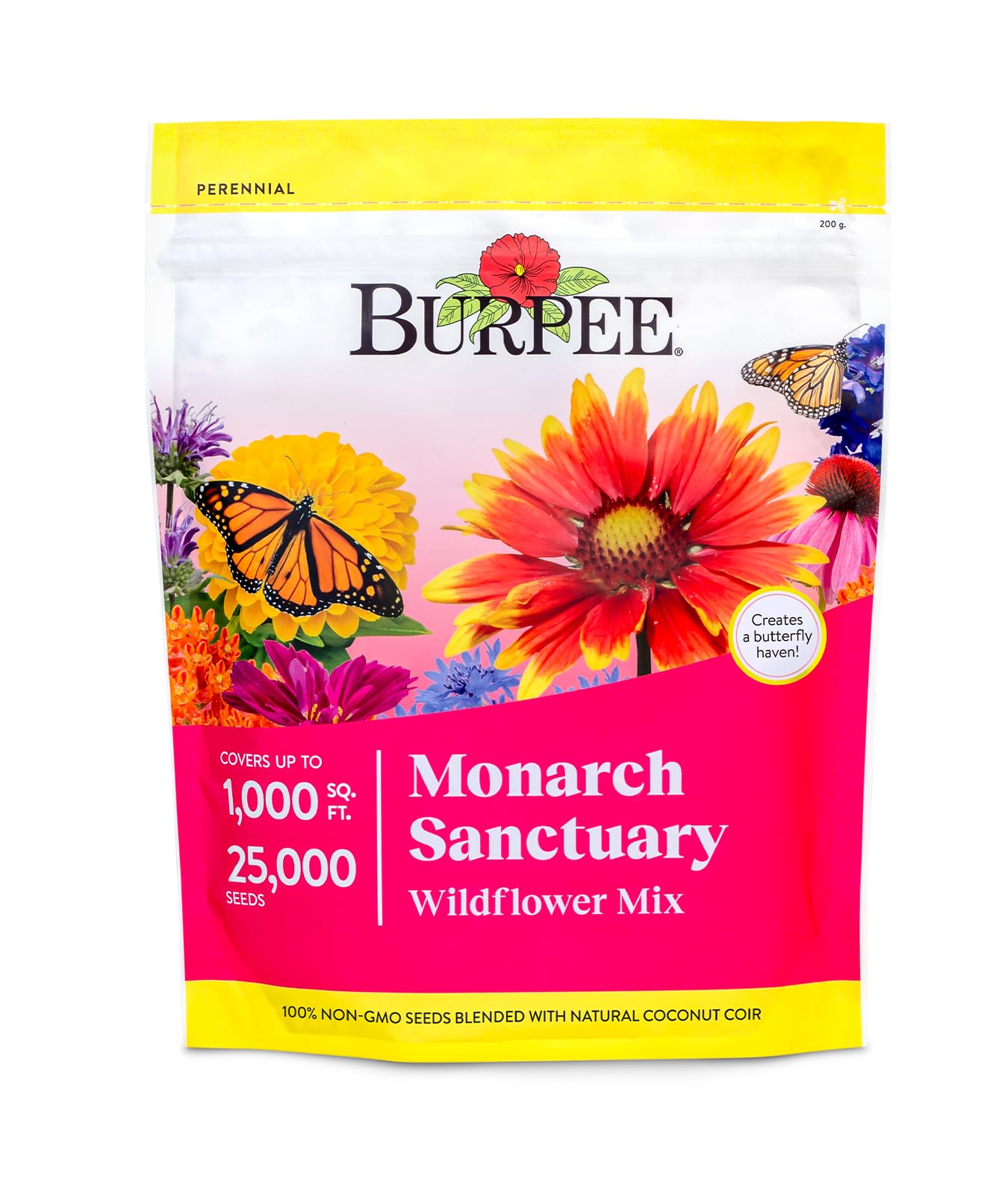
- Attracts butterflies, bees, and other essential pollinators to your garden
- Low-maintenance perennials that return reliably year after year
- Produces vibrant blooms that add color from spring through fall
Cons
- Some species may spread aggressively without regular pruning
- Peak bloom times are seasonal, leaving gaps in visual interest
We recently tried this Monarch Sanctuary mix in our own garden, and the results were impressive. The package contains a generous 25,000 seeds, including three types of butterfly weed along with cornflower, lupine, and echinacea. It does what it promises and then some — a solid pick all around.
Best for butterflies
- Attracts butterflies, bees, and other essential pollinators to your garden
- Low-maintenance perennials that return reliably year after year
- Produces vibrant blooms that add color from spring through fall
Cons
- Some species may spread aggressively without regular pruning
- Peak bloom times are seasonal, leaving gaps in visual interest
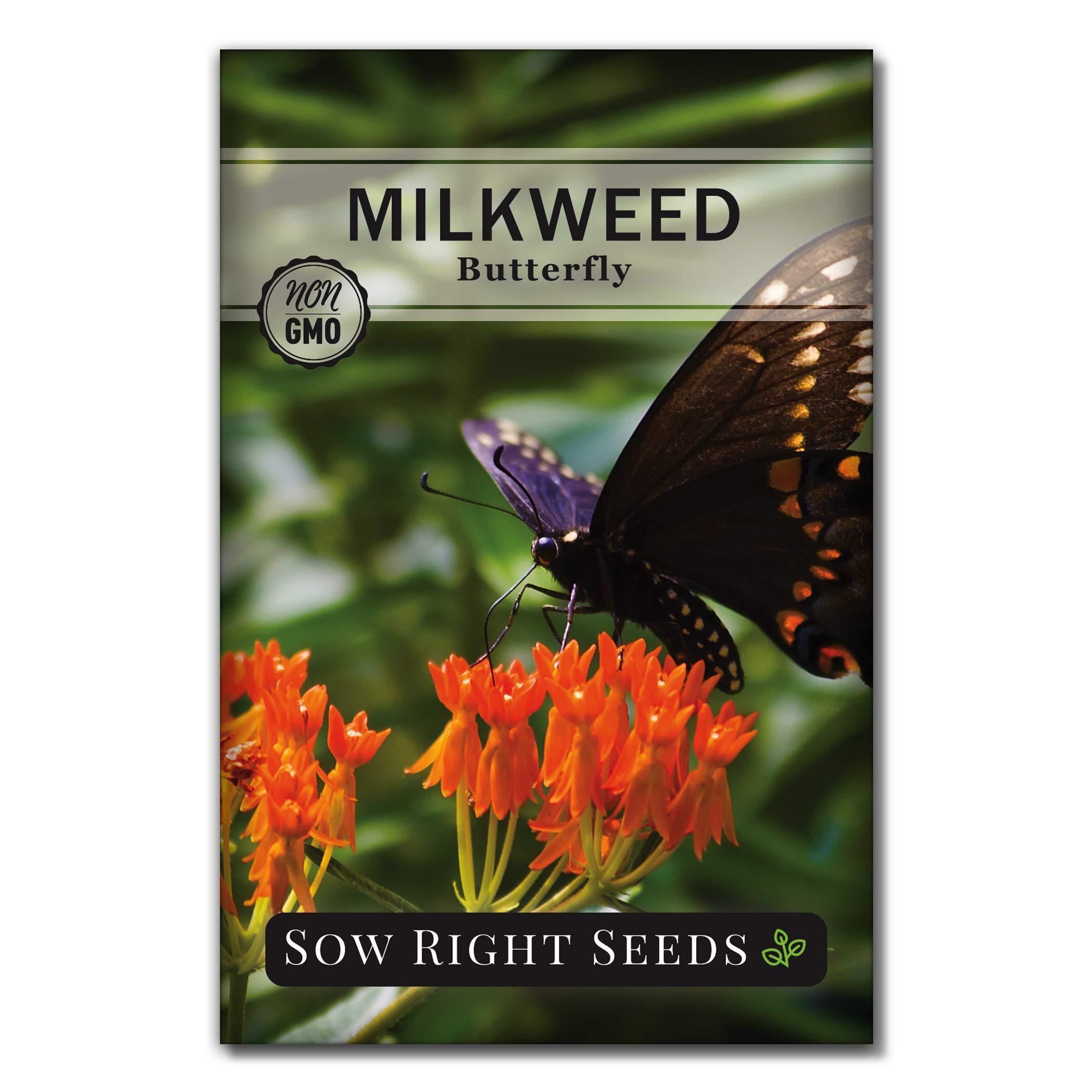
We noticed an increase in Monarch butterfly visits to our garden once the milkweed plants were established. Also, we found that cold stratification improved germination rates, so we recommend wrapping some seeds in a damp paper towel and refrigerating them for a few weeks before planting. When selecting butterfly-friendly plants for your pollinator garden, we recommend considering several key factors.
Buying Guide
When selecting butterfly-friendly plants for your pollinator garden, we recommend considering several key factors.
Plant Characteristics
Look for native species adapted to your local climate. Choose plants with bright, nectar-rich flowers in colors like purple, pink, yellow, and orange. Opt for varieties with flat or clustered blooms that provide easy landing pads for butterflies.
Bloom Times
Select a mix of plants that flower at different times throughout the growing season. This ensures a consistent nectar source from spring through fall.
| Season | Example Plants |
|---|---|
| Spring | Lilac, Phlox |
| Summer | Coneflower, Zinnia |
| Fall | Aster, Goldenrod |
Sun Exposure
Most butterfly-attracting plants thrive in full sun. Choose locations that receive at least 6 hours of direct sunlight daily.
Soil Requirements
Check the soil preferences for each plant species. Some may need well-draining soil, while others prefer moisture-retentive conditions.
Garden Layout
Plan for a variety of plant heights and shapes. Include both nectar plants for adult butterflies and host plants for caterpillars.
Pesticide-Free
Avoid using chemical pesticides. These can harm butterflies and other beneficial insects. Opt for organic gardening methods instead.
By considering these factors, we can create a habitat that supports a diverse butterfly population in our pollinator gardens.
Helpful, thank you.
Decent overview. If you’re just starting out this covers the basics well enough.