Wildflower Meadow Planting Utah: A Guide to Native Species and Best Practices
Last updated: October 17, 2026
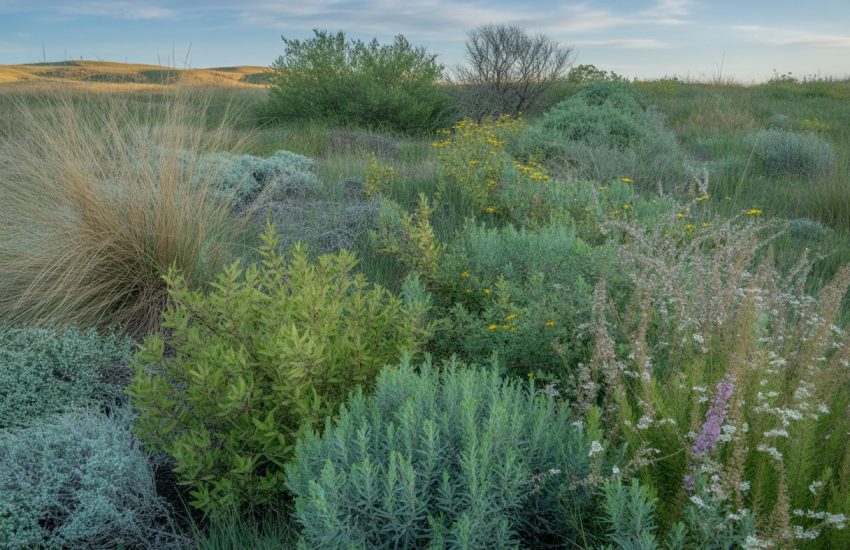
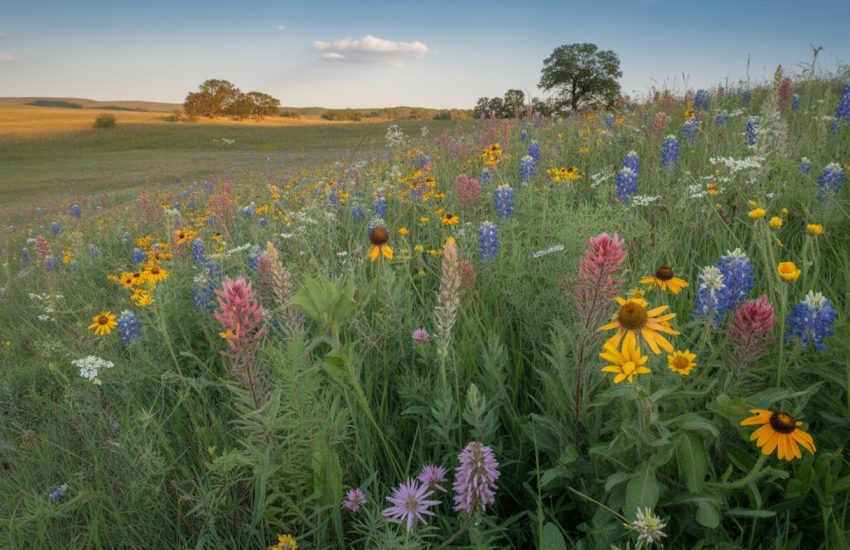
Planting a wildflower meadow in Utah means picking species that can handle its wild climate and tricky soils. Honestly, the best bet is to stick with drought-tolerant native wildflowers that just get Utah’s semi-arid vibe—otherwise, you’ll be fighting an uphill battle.
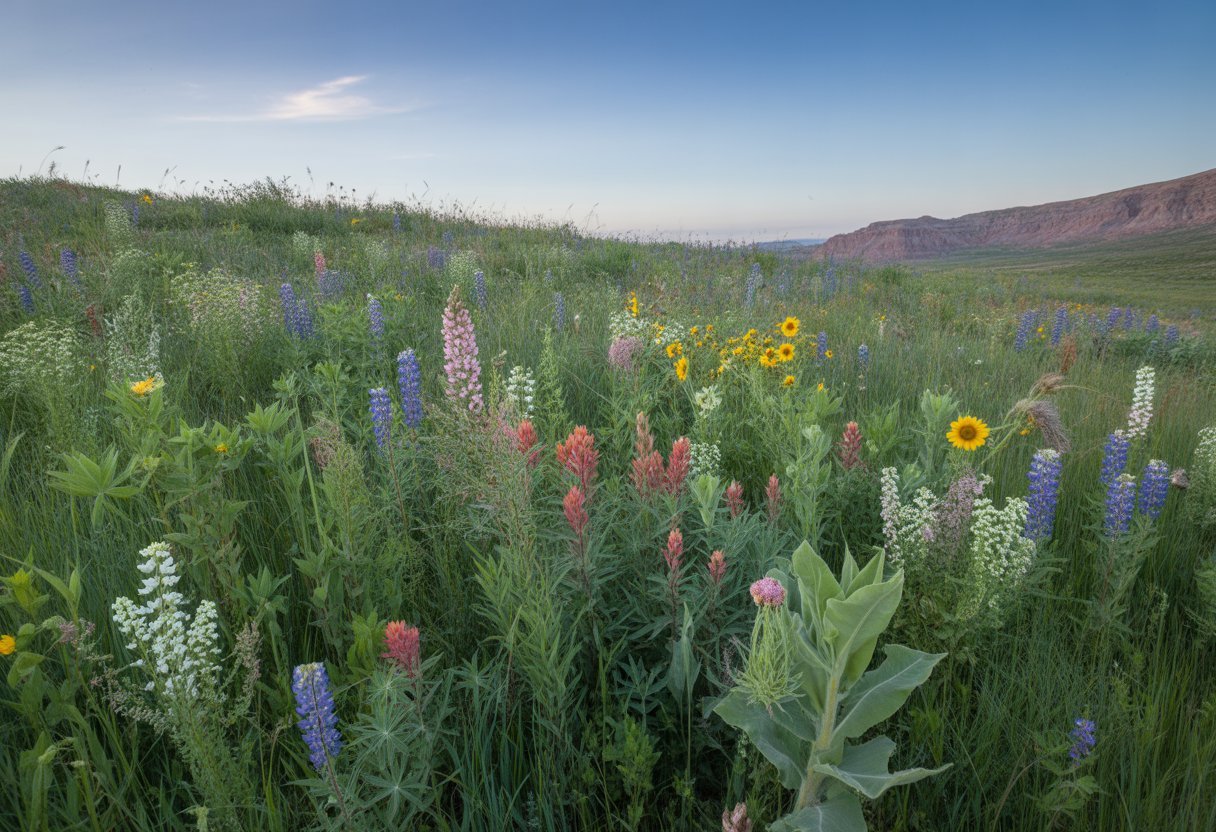
Wildflower meadows are more than just pretty—they help pollinators and cut back on water use. It’s smart to look at what already grows naturally in Utah if you want a meadow that’s both gorgeous and good for the local ecosystem.
Planning a Wildflower Meadow in Utah
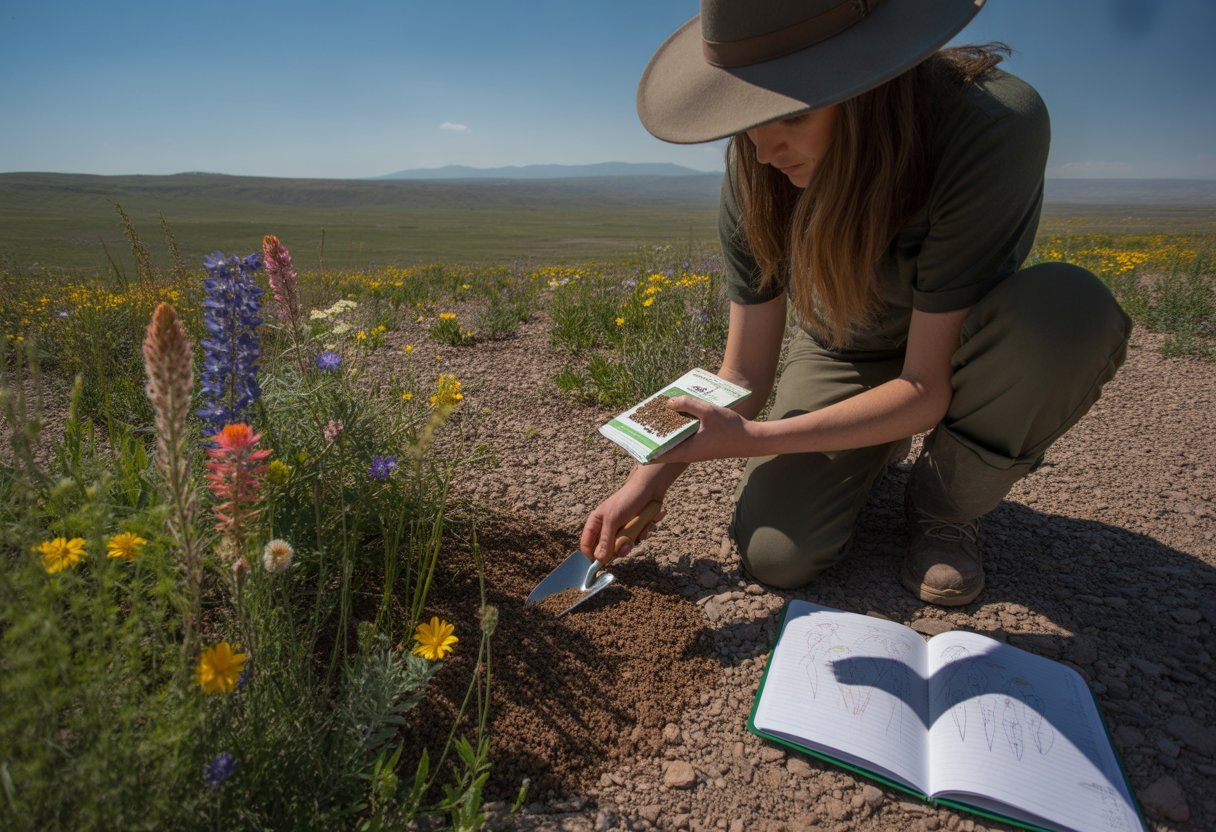
If you want a wildflower meadow that actually lasts in Utah, you’ll need to match your plants to the land. Picking the right seeds and paying attention to soil and weather goes a long way.
Selecting the Right Wildflower Mix
Don’t just grab any wildflower mix—Utah’s climate demands a little more effort. Look for seed blends with natives built for high desert and full sun.
Blue flax, plains coreopsis, and California poppy are all solid choices for handling drought and temperature swings.
Here’s what to keep in mind for your seed mix:
- Stick with native plants—they’re local heroes for a reason
- Mix in some grasses for balance
- Go for species that bloom at different times, so you get color all season
A mix like this gives you seedlings that can out-compete weeds and need less water.
Understanding Utah’s Climate and Soil
Utah’s got hot summers, freezing winters, and not much rain—especially in those high desert spots. Most wildflowers need to handle full sun and dry soil if they’re going to make it.
A lot of Utah soil is sandy or rocky, and honestly, not that rich. It helps to loosen the ground and maybe toss in some compost to hold moisture. Skip the fertilizer—otherwise, grasses might take over and crowd out your wildflowers.
Recommended Meadow Species for Utah
Some drought-tolerant natives just work here:
- Blue flax (Linum lewisii) for those soft blue flowers
- Plains coreopsis (Coreopsis tinctoria) with its bright yellow pop
- Goldenrod (Solidago missouriensis) if you want a bit of height
- Dalea candida and white prairie clover (Dalea and Dalea spp.) because they fix nitrogen and help the soil
These guys thrive in the sun and dry dirt, plus they bring in pollinators. Mixing in native grasses keeps the whole thing resilient, even when Utah gets tough.
Preparing and Planting Your Wildflower Meadow
Getting the ground ready and picking the right planting time can make or break your wildflower meadow in Utah. Good soil prep means your seeds actually touch dirt, and timing is everything for germination.
Preparing the Soil for Planting
Utah wildflowers want soil that drains well and isn’t too rich. Start by clearing out grass and weeds—till them up or use a non-selective herbicide a few weeks ahead.
After that, break up the top inch or two of soil with a rake or tiller. You want it loose so seeds nestle in and don’t just blow away. Fertilizer? Nah, skip it—otherwise, grasses will take over.
Find a spot that gets full sun. If your soil is heavy or packed, mix in sand or some organic matter to help with drainage.
When and How to Plant Wildflower Seed
Utah’s best planting windows are early spring (after frost risk) or late fall (before it freezes). Spring planting gets a jump on warmth, while fall lets seeds chill out and stratify naturally.
A seed spreader helps get even coverage. Usually, you’ll need about 5 to 10 pounds of seed per 1,000 square feet, but check your mix.
Mixing your seeds with sand—about four parts sand to one part seed—makes spreading less of a headache. Press seeds into the soil lightly (a roller works, or just walk over it), but don’t bury them deep.
Give the area a gentle but thorough watering right after planting. Keep it moist while those seeds get going.
Maintaining and Enjoying Your Wildflower Meadow
Keeping a wildflower meadow in Utah looking great takes some regular attention. Watering, weeding, and mowing all play a part.
And hey, you’re not just growing flowers—you’re giving a boost to bees, butterflies, and birds. That’s a win.
Watering, Weeding, and Mowing
Wildflowers need deep but infrequent watering, especially during their first couple of years. After that, rain usually does the trick unless there’s a serious drought.
Weed early and often, or weeds will crowd out your wildflowers. Hand-pulling or using light tools works best, especially when seedlings are getting established.
Once a year, mow the meadow in late fall after seeds have dropped. Keep the mower blade high—around six inches—so you don’t wreck roots or harm overwintering insects.
Wildflowers for Pollinators and Wildlife
Native wildflowers feed Utah’s pollinators all season. Blanketflower, Bee Balm, and Purple Coneflower are favorites for bees and butterflies.
Birds definitely notice too. They snack on wildflower seeds and use the thick growth for shelter and nests. Mixing up your plant choices keeps wildlife coming back year-round.
Regional Considerations for Wildflower Meadows
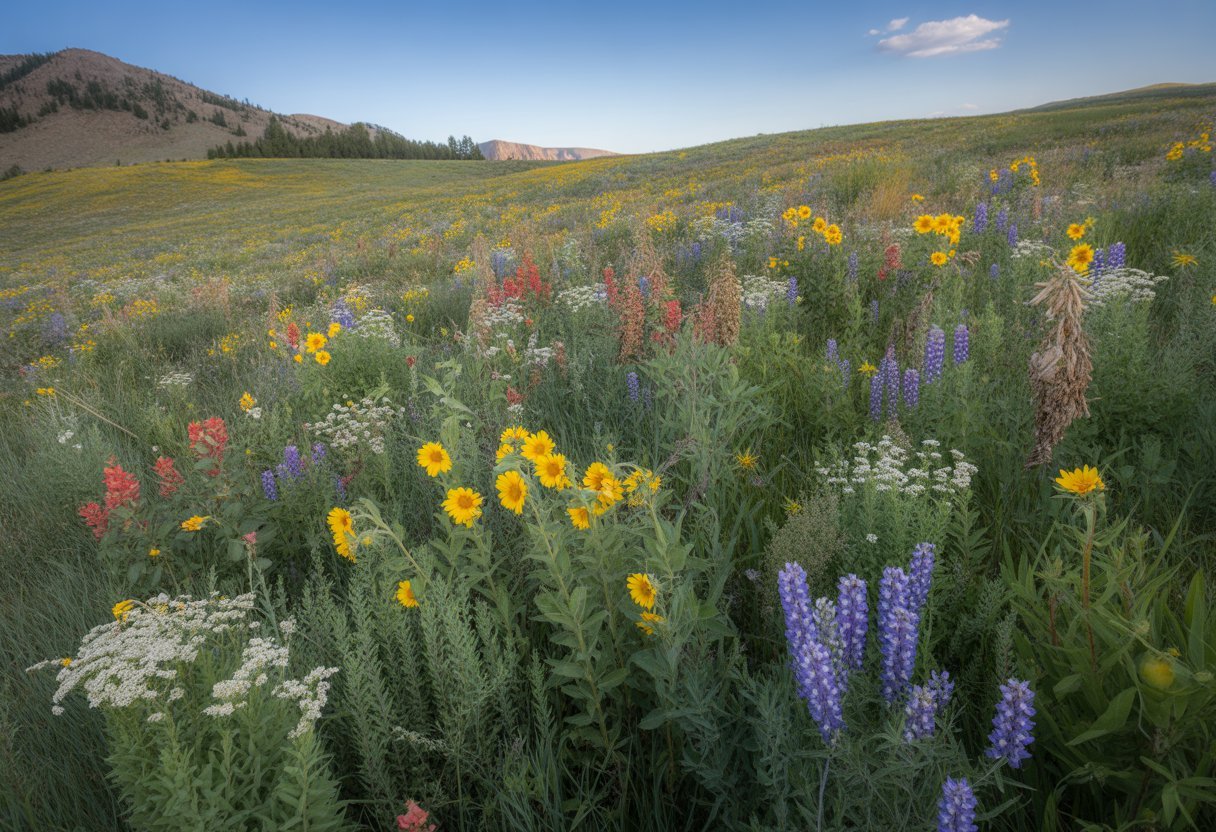
Wildflower meadows aren’t one-size-fits-all. Utah’s regions differ in climate, soil, and which species will actually thrive, so always tweak your seed mix and care routine to match your spot.
Successful Wildflower Meadows in Neighboring States
In Colorado and Wyoming, wildflower meadows really take off in well-drained, alkaline soils with plenty of sun. Rocky Mountain penstemon and Indian paintbrush pop up all over the place out there.
Winters get pretty cold, and the growing season’s on the short side, so folks lean on hardy perennial seeds.
Arizona and New Mexico? Meadows there have to put up with some serious dryness. You’ll see drought-tolerant wildflowers like Blanketflower and Desert marigold thriving in the heat.
The soil’s usually sandy or rocky, so gardeners often add amendments to help hold on to water.
Kansas, Oklahoma, and Texas bring something different with their prairie ecosystems. Loam or clay soils dominate, and wildflowers like Black-eyed Susan and Purple coneflower seem to love it.
These states enjoy longer growing seasons, though the rainfall can be all over the map. Periodic irrigation definitely helps get those meadows going.