5 Best Professional Post Hole Digger for Native Plant Nurseries: Reliable Tools for Efficient Planting
We independently select all products and services. If you click through links we provide, Plant Native may earn a commission with no extra cost to you. As an Amazon Associate I earn from qualifying purchases.
Last updated: November 7, 2026
Post hole diggers are must-have tools for planting, fencing, and landscaping. In native plant nurseries, they make precise, deep holes that protect fragile root systems and keep soil structure intact.
Unlike generic digging tools, professional post hole diggers bring durability, ergonomic handles, and efficient soil removal for frequent, heavy use. They usually have long handles and sharp blades to give you leverage and cut down on fatigue.
For nurseries, material, blade shape, and weight really matter. Lighter but sturdy materials make repetitive digging easier, and rust-resistant coatings help the tool last outdoors.
When picking a post hole digger, think about blade size and shape for your soil, handle length for comfort, and how easy it is to clean. Getting that balance right just makes planting less of a hassle.
We put several professional post hole diggers to the test to see which ones actually work best in a native plant nursery.
Best Professional Post Hole Diggers for Native Plant Nurseries
Here are our picks for the top post hole diggers that fit native plant nursery needs. These stand out for durability, precision, and just making life a bit simpler.
Our focus? Reliability, ease of use, and solid performance.
Our top pick
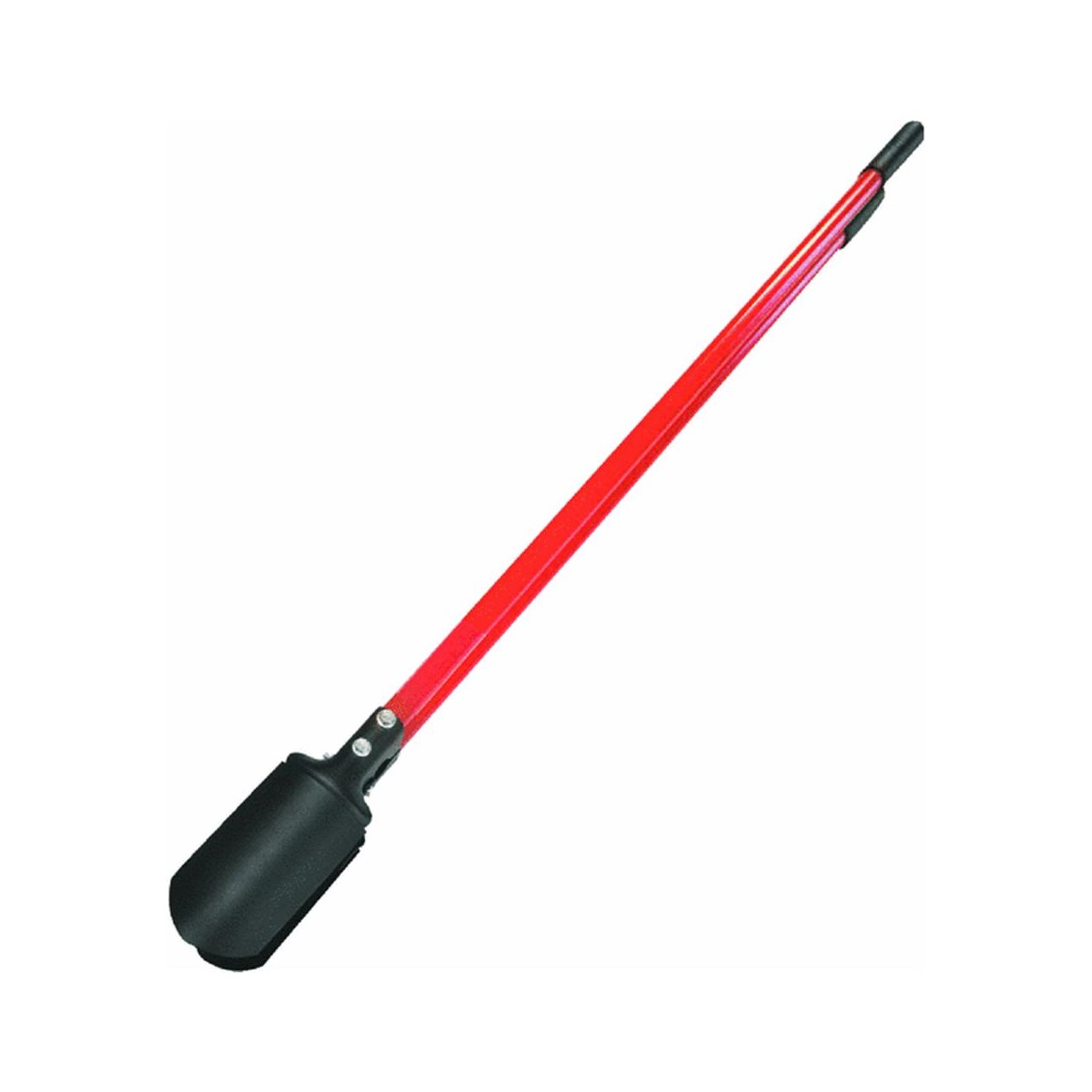
- Thick, durable 12-gauge steel blades cut through soil
- Fiberglass handles with triple-wall reinforcement
- Lifetime warranty for peace of mind
Cons
- Handles flex under heavy strain
- A bit heavy and can tire you out
- Assembly bracket might bend if you’re rough
We liked the thick steel blades—they tore through compacted native soil surprisingly fast. The steel and welds felt solid, even in tough ground.
The fiberglass handles held up during regular use but flexed a little in rocky or clay-heavy areas. We’d recommend using leverage carefully to keep the center bracket from bending.
If your soil isn’t extreme, it’s a strong pick for professionals who want something that’ll last. The limited lifetime warranty is a nice reassurance.
Best runner-up
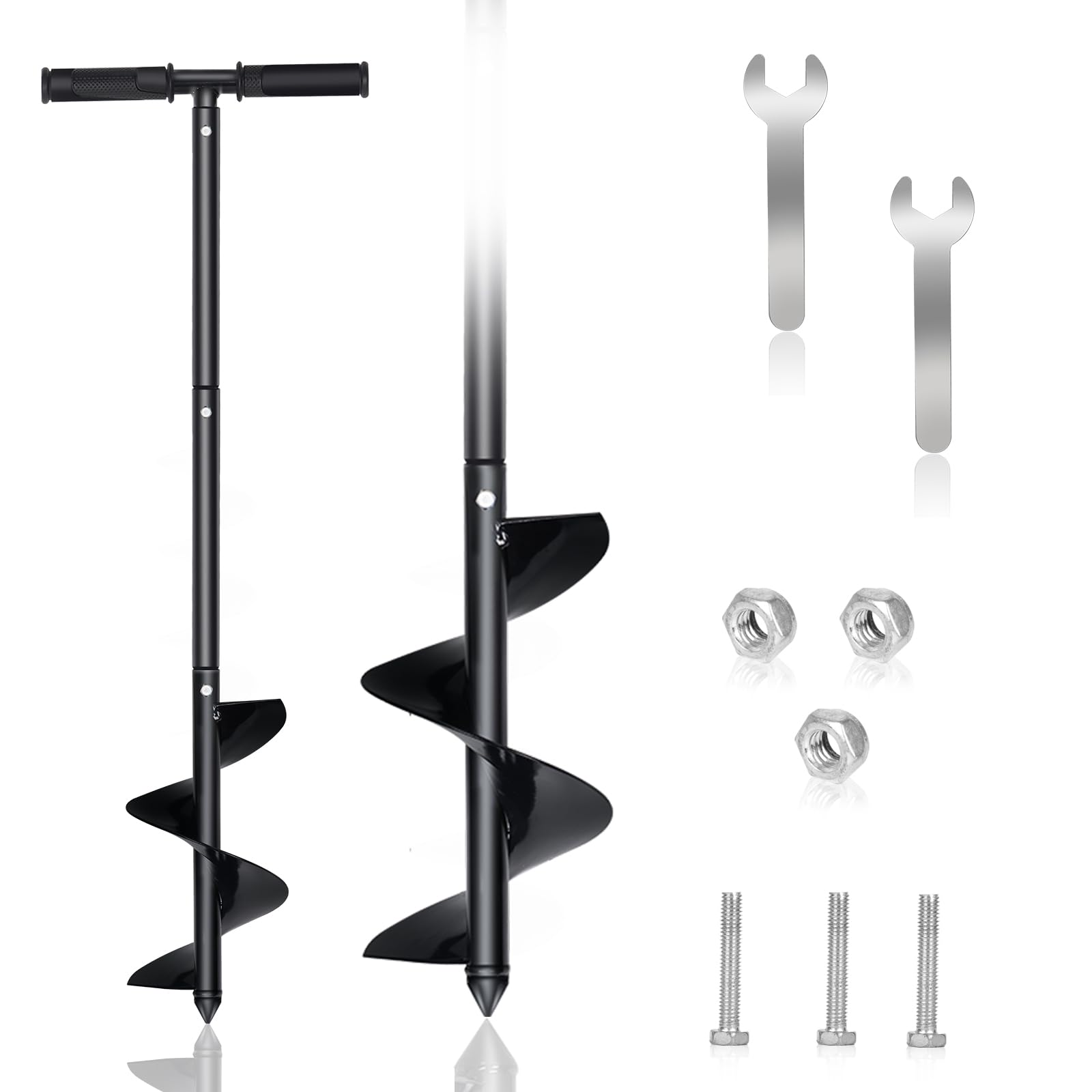
- 5.9” diameter digs wide holes fast
- Heavy-duty manganese steel lasts
- Rubber T-handle cuts down on hand fatigue
Cons
- Handle bolts loosen after a while
- Shaft design causes some wobble
- Needs assembly tools; some returns reported
We found the auger broke up tough ground, especially where shovels just don’t cut it—hard clay or rocky soil, for example. The bigger diameter made quick work of holes for fence posts or big bulbs.
The steel feels sturdy, and the glossy finish resists rust. But, those jointed sections do wobble a bit, so we had to re-tighten handle bolts to keep things steady.
It’s a good fit for medium-duty nursery projects if you’d rather use muscle than power tools. Just check the bolts now and then so you don’t get interrupted mid-dig.
Best budget option
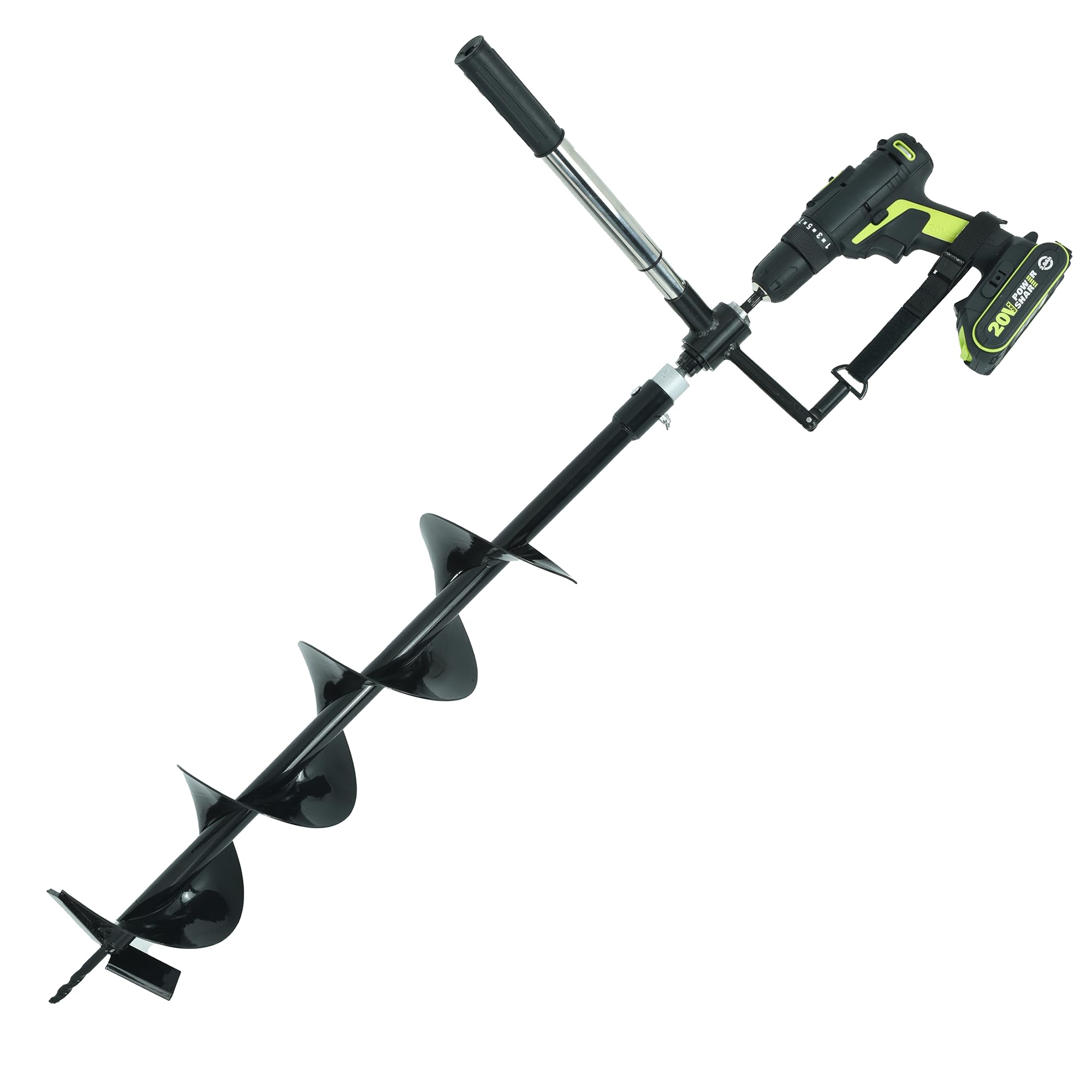
- Quick setup, attaches to most drills
- Ergonomic handle helps your wrist
- Works well in clay and most soils
Cons
- Not great with rocks or super hard soil
- Needs a strong drill
- Handle strap can feel loose
When we paired the MightyPhine with a beefy drill, it really made things easier. The ergonomic handle kept our wrists from aching, which is a relief if you’re planting a bunch of natives.
Setup was a breeze—no tools or fuss. In typical nursery soils, it dug holes fast and handled roots and compact dirt just fine. Rocks, though, slowed us down and required a gentler touch. The adjustable strap on the handle felt a bit wobbly, so we gripped the drill tightly.
If you want something between all-manual and gas-powered, this is a solid option. Just make sure your drill’s up for the job.
Best premium choice

- Works even in compacted soil
- Three drill bit sizes included
- Saves time using a power drill
Cons
- Can strain wrists in rocky ground
- Needs a 3/8″ (or bigger) power drill
- Not for large or deep post holes
With the VASGOR set, digging for bulbs or seedlings got way easier. The different bit sizes let us swap between jobs without missing a beat.
It’s a lifesaver for planting native roots or delicate plants in tough soil. The spiral design moves soil out fast, and it barely clogs.
You’ll want at least an 18V cordless drill for enough torque. Rocky spots are tricky—the bit can catch and twist, so we just slow down and stay alert. For small to medium planting, it really speeds things up.
Also great
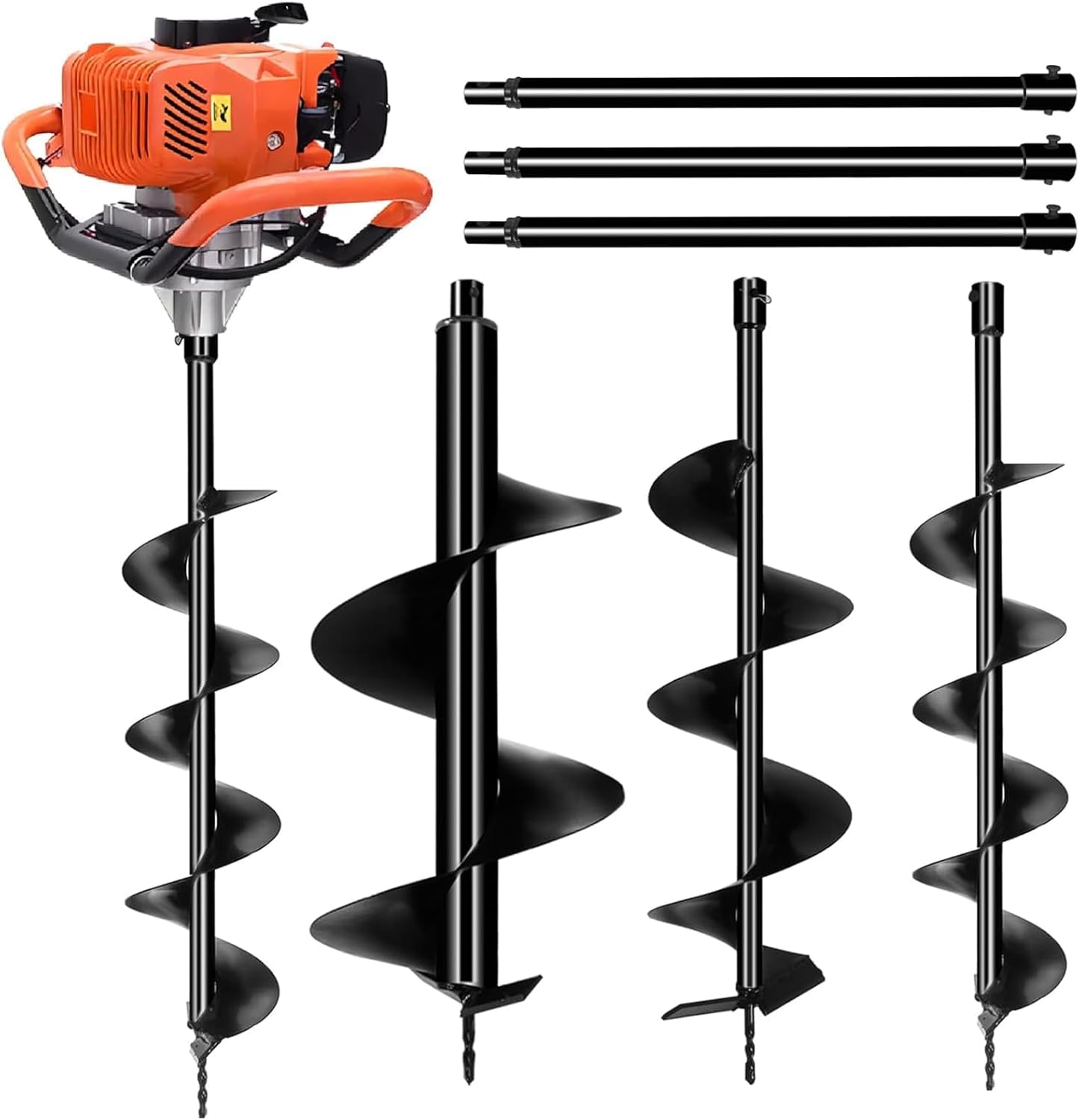
- Powerful engine, easy to start
- Comes with multiple bits and extensions
- Durable manganese steel resists wear
Cons
- Weighs almost 44 pounds—can get tiring
- Manual recoil start takes some muscle
- Bulky for tight spots
The 62cc Jwevvie impressed us with its steady power, even in dense soil. Swapping bits and using extensions let us dig to different depths for all kinds of native plants.
The sturdy handles gave us good control, even at max depth. Having the safety stop switch handy was reassuring if we needed to stop quickly.
It handled big jobs with little fuss, though the weight did slow us down after a while. All in all, it’s a professional-grade tool that’s up for regular nursery work.
When you’re picking out a professional post hole digger for native plant nurseries, it’s all about efficiency and durability. The tool needs to tackle different soil types and not wear you out after a day’s work.
Digging depth and width matter too. You want those measurements to match your plant’s root ball size, otherwise what’s the point? Adjustable or variable-size diggers are worth a look if you plant a lot of different species.
Weight is another thing to consider. If the digger’s too heavy, your arms will feel it fast. Balanced tools with ergonomic grips can really help you keep going, especially on long days.
If you can, try out the grip before buying. You want it to work smoothly—no need to wrestle with it every time you open or close the blades.
Honestly, durability is non-negotiable. Nurseries put tools through a lot, so it makes sense to invest in a post hole digger made with solid materials and a design that’s proven to last. It’ll make your life easier, trust me.
Buying Guide
When you’re picking out a professional post hole digger for native plant nurseries, it’s all about efficiency and durability. The tool needs to tackle different soil types and not wear you out after a day’s work.
Let’s talk about the essentials: handle strength, blade quality, and just plain ease of use. Strong handles—think hardwood or reinforced metal—tend to last longer. If the blades are sharp and resist rust, you’ll have a much easier time breaking through tough or rocky ground.
Digging depth and width matter too. You want those measurements to match your plant’s root ball size, otherwise what’s the point? Adjustable or variable-size diggers are worth a look if you plant a lot of different species.
Weight is another thing to consider. If the digger’s too heavy, your arms will feel it fast. Balanced tools with ergonomic grips can really help you keep going, especially on long days.
| Feature | Importance | What to Look For |
|---|---|---|
| Handle Material | High | Hardwood or reinforced metal |
| Blade Quality | High | Rust-resistant, sharp, durable |
| Weight | Medium | Lightweight but sturdy |
| Digging Depth | High | Matches typical plant root depth |
| Digging Width | Medium | Adjustable or wide blades |
| Ergonomics | High | Comfortable grips, balanced design |
If you can, try out the grip before buying. You want it to work smoothly—no need to wrestle with it every time you open or close the blades.
Honestly, durability is non-negotiable. Nurseries put tools through a lot, so it makes sense to invest in a post hole digger made with solid materials and a design that’s proven to last. It’ll make your life easier, trust me.