A Two-Season Native Garden Installation Plan for Busy Homeowners
Last updated: November 7, 2026
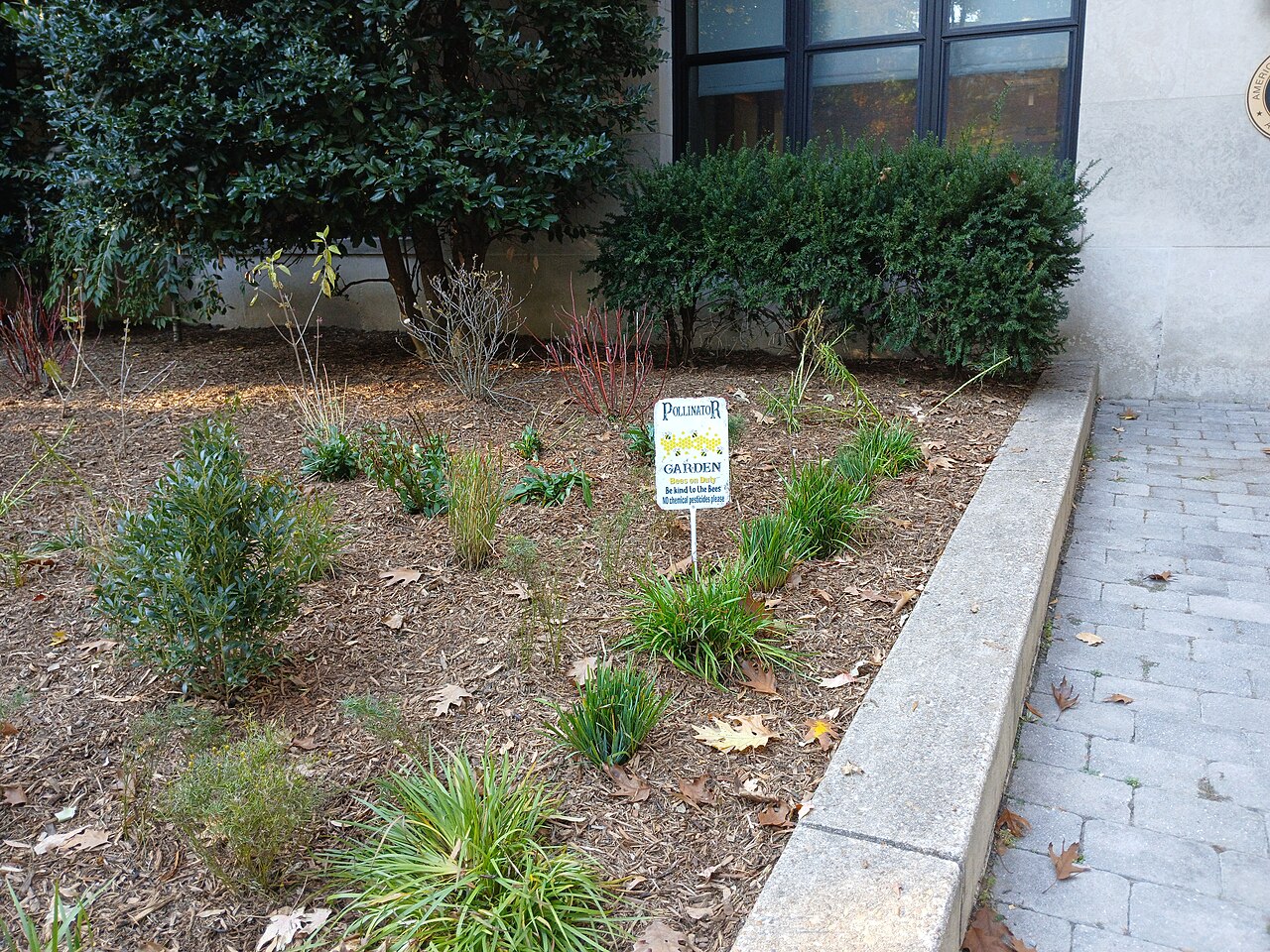
Most native garden plans assume you have every weekend free in May. If you do not, split the installation across two seasons. Do the heavy, unglamorous work in late summer and fall, and finish the planting in spring, when the plants and the weather are on your side.
Splitting the work this way follows the natural rhythm of the methods extension services recommend. Sheet mulch laid in fall can sit through winter.
Fall-cleared ground can take shrubs and plugs before the soil cools. Spring then becomes a short, focused planting window instead of a scramble.
This plan breaks a modest native bed into a handful of weekend sessions across two seasons. It favors fewer species, plugs over seed, and tasks you can drop for a week without losing the whole project.
Plan at a Glance
| Site | One sunny bed, roughly 100–300 sq ft, visible from a door you use daily |
| Size | Start small; you can add a second bed next year |
| Sun | Full sun to light part shade for the palette below |
| Soil | Average, well-drained soil; no amendments needed for most natives |
| Maintenance | About eight weekend sessions over two seasons, plus short weekly checks in the first summer |
| Best regions | Cold-winter regions of eastern and central North America; adjust timing elsewhere |
Before You Start: Choose a Site You Can Finish
Pick a bed you walk past every day, near the front door, the driveway or the path to the car. You will notice problems in passing instead of having to plan a special inspection.
Keep it small. The University of Maryland Extension recommends starting with a few hundred square feet at most and adding modules in later years. If you are unsure which lawn to give up, spend two weeks on our lawn-use mapping exercise first.
Check the sun and drainage. The palette below wants six or more hours of direct sun and soil that does not stay soggy. Wet hollows and deep shade need a different plant list.
Design for a Busy Schedule
Use fewer species, repeated. A bed built from four to six species in generous groups is easier to weed, because you learn every seedling quickly. Our guide to three native plants repeated well shows how far a short list can go.
Plant densely. The Maryland Extension’s meadow approach uses about one plug per square foot so native foliage closes over the soil quickly and shades out weeds. Dense planting costs more up front but saves weeding hours later.
Use plugs and small pots, not seed. Seeded plantings need careful mowing and patience for two to three years. For a small bed on a tight schedule, plugs are more predictable; our comparison of native plugs and seed explains the trade-offs.
Add one or two small shrubs. Shrubs give the bed structure through winter and fill space without yearly work. Plant them in fall, when they have time to root before summer heat.
Draw a crisp edge. A clean lawn edge makes a young bed look finished long before the plants fill in.
Plant Palette for a Two-Season Bed
Plant Palette (Sun, Average Soil)
Heights from NC State Extension’s plant toolbox; native ranges from the Lady Bird Johnson Wildflower Center. Confirm each species on your regional list.
| Plant | Role | Height | Sun / Moisture | Native range |
|---|---|---|---|---|
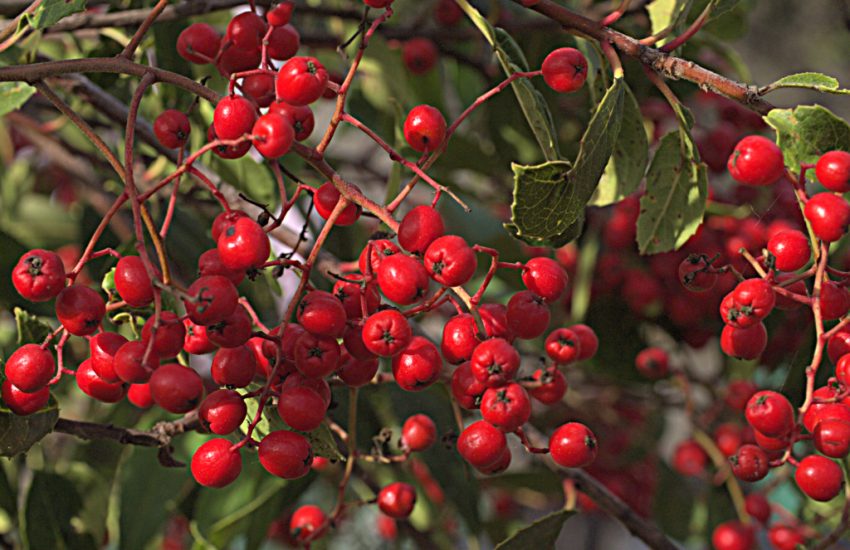
| Fragrant sumac | Low, spreading shrub; plant in fall | 2–6 ft, spreading wider | Full sun to part shade / dry to medium | W. Quebec to n. MI and IL, south to GA, LA and KS; also west to CA and s. OR |
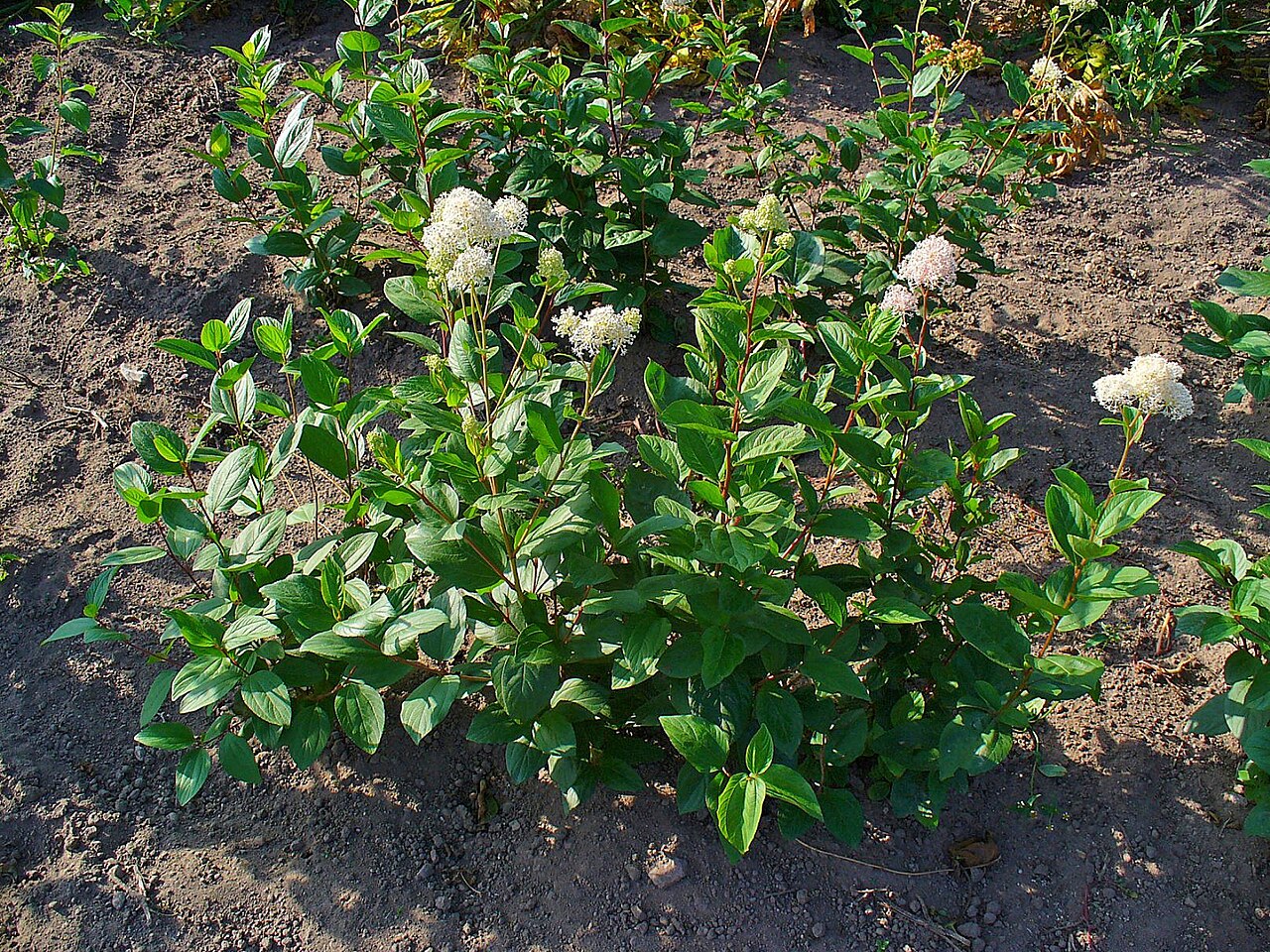
| New Jersey tea | Small shrub; plant in fall | 2–3 ft | Sun to part shade / dry to medium | Quebec to FL, west to MN, e. NE, e. KS and TX |
| Little bluestem | Grass matrix; plugs in spring | 2–4 ft | Full sun / dry to medium | Much of the US and southern Canada east of the Rockies |
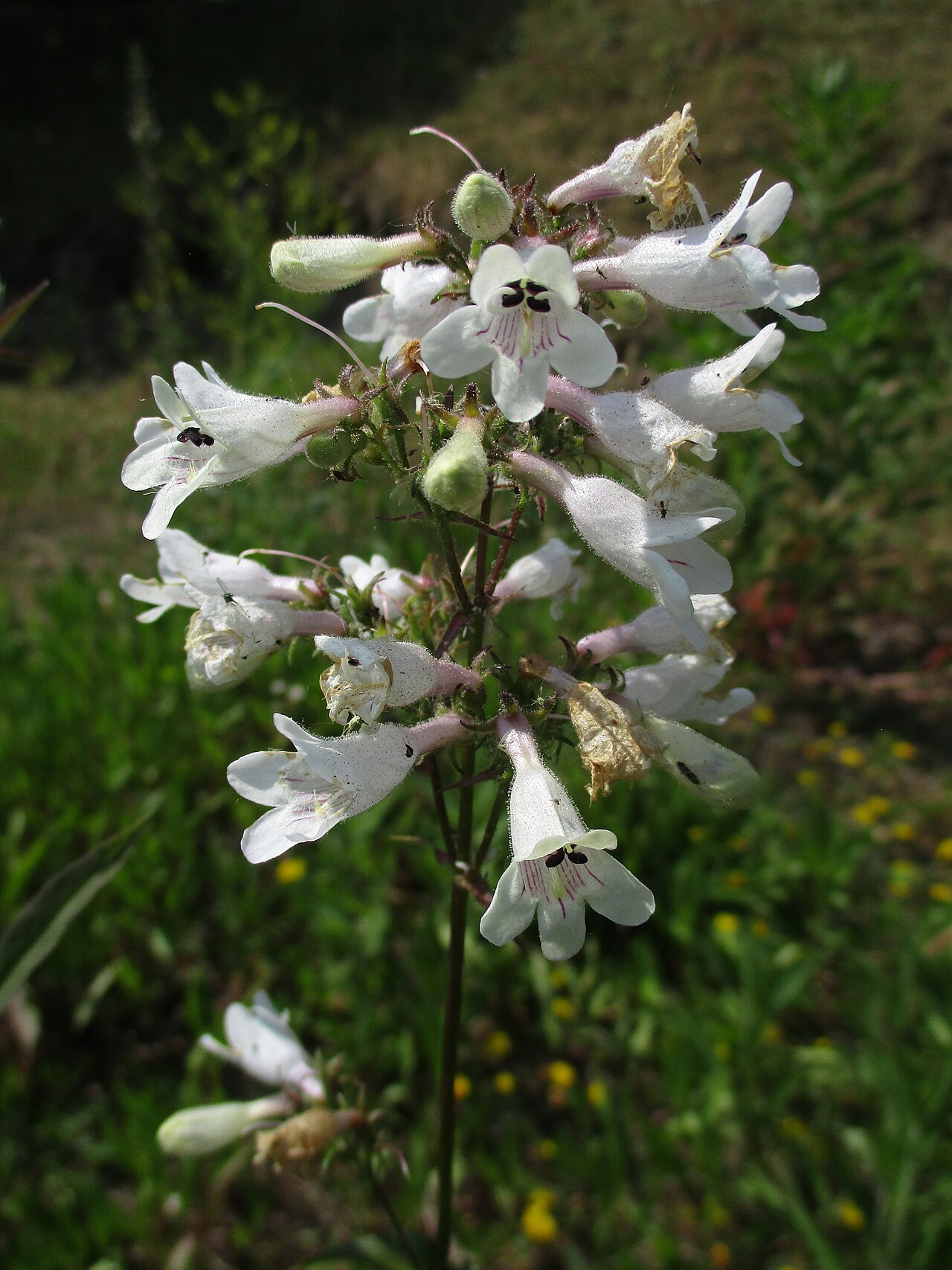
| Foxglove beardtongue | Late-spring to early-summer bloom | 2–4 ft | Sun to part shade / dry to moist | ME to MI and SD, south to VA, AL and e. TX |
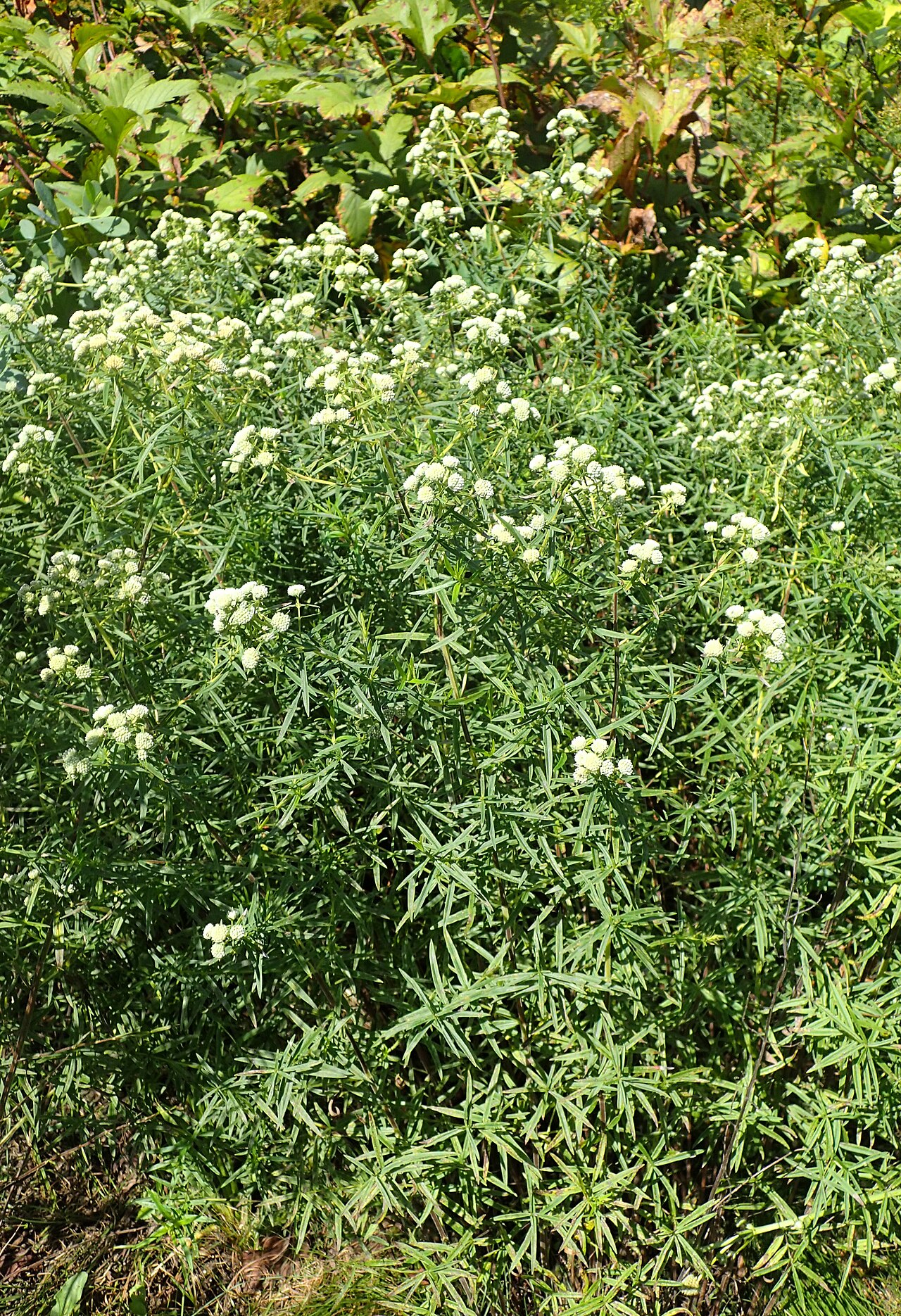
| Mountain mint | Midsummer bloom for pollinators | 2–3 ft | Sun to part shade / medium to moist | ME to ND, south to GA and OK |
| Nodding wild onion | Front edging | 6 in–2 ft | Sun to part shade / medium | NY to British Columbia, south in mountains and cooler regions from GA to AZ |
Regional alternates. Fragrant sumac and New Jersey tea are both eastern and central shrubs.
In the Plains, swap in species from your state list. In the Southwest and on the Pacific coast, build the bed from a regional native plant society’s list, and check a local planting calendar, since the best season can differ from the cold-winter timing used here.
Season One: Late Summer and Fall
Season one is about the ground, not the flowers. Do the digging and smothering now, while the weather is mild and the garden centers are quiet.
Session 1: Measure, mark, and call 811. Outline the bed with a hose or flags, then measure it and write down the square footage.
Contact 811 a few business days before any digging so buried utilities can be marked.
Session 2: Remove or smother the turf. The Xerces Society describes sod removal as roughly a one-day job, best begun in late summer or fall, with transplants going in that fall or the following spring.
Sheet mulching takes longer to work, but one afternoon of layering cardboard and mulch in fall can be left alone through winter. Our comparison of sheet mulching and sod removal helps you choose.
Session 3: Plant the shrubs (and plugs, if the sod is off). On stripped ground, set the shrubs and any plugs you have in early to mid fall, then water them in well. On a sheet-mulched bed, cut through the layers just where each shrub goes.
Session 4: Order spring plugs. The Maryland Extension notes that fall is the ideal time to order plugs for the next planting. Order from a nursery that sells locally native plants and can tell you where its stock was sourced.
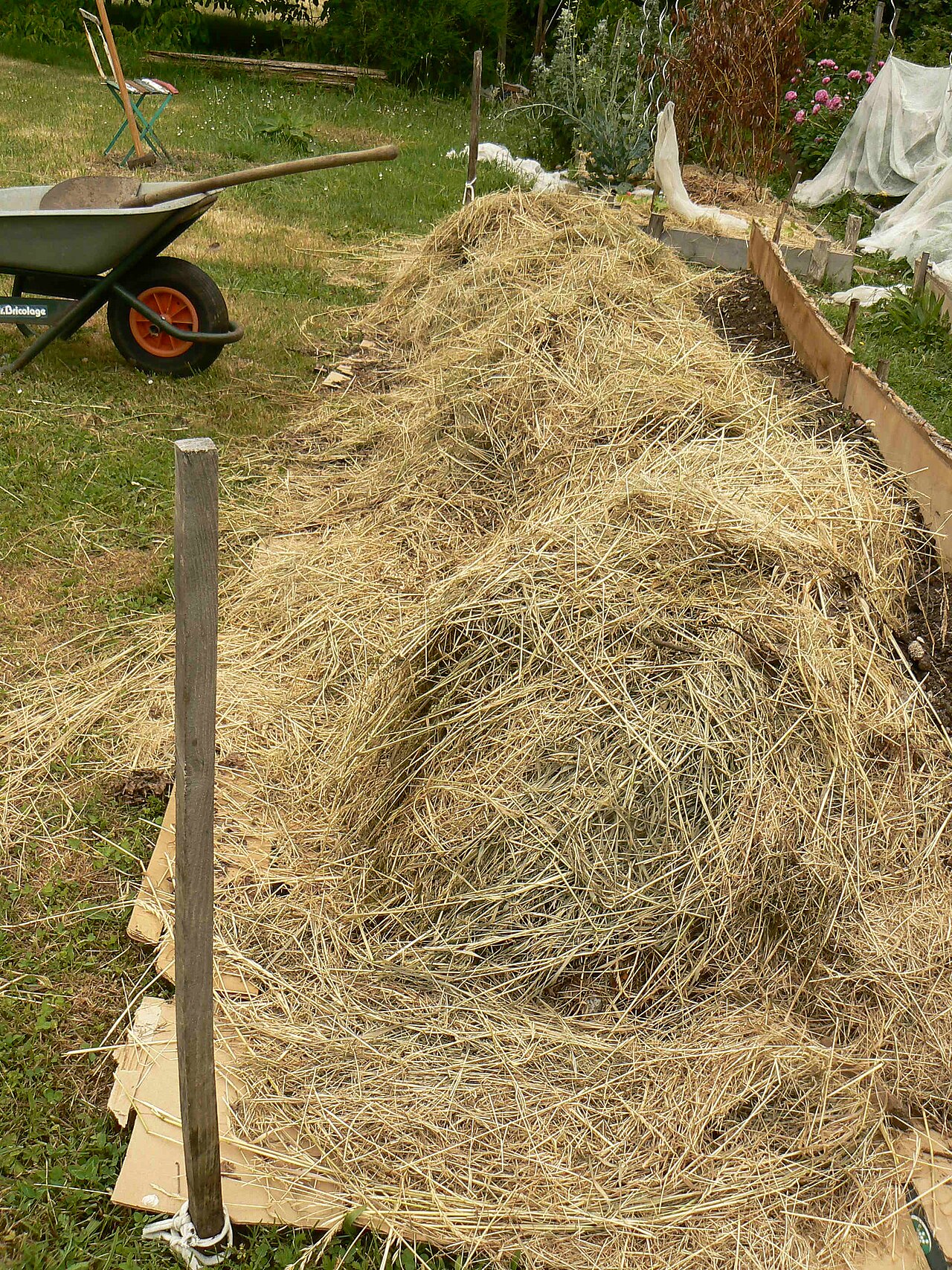
Leave the leaves. Plant NOVA Natives points out that fallen leaves can stay in garden beds, and plants will push up through them in spring as long as the layer is not piled thickly. Fall leaves on a new bed also add to the mulch you built.
Season Two: Spring and Early Summer
Season two is short and satisfying. The ground is ready, the plugs have arrived, and the work comes down to planting and watering.
Session 5: Check the bed. Pull back a corner of any sheet mulch and look for living grass. Pull anything green that pushed through at the seams, and patch thin spots.
Session 6: Plant the plugs. Lay out every plug on the surface first, in drifts of five or more, and adjust before you dig.
Plant at the depth each plug grew in its cell and firm the soil around it. Water the whole bed thoroughly.
Session 7: Edge and mulch. Re-cut the lawn edge.
If you mulch, keep it thin in sunny beds; the Maryland Extension notes that bought-in mulch can carry weed seed and that mulch suits shade plantings better than dry, sunny ones. Keep mulch off plant crowns.
Session 8: Set up summer care. Plan short weekly checks rather than long weekend sessions.
Water the plugs as needed for the first few weeks until they are established, and do not fertilize. Our guide to watering new little bluestem plugs shows how to taper watering through a first summer.
Weekly Ten-Minute Check (First Summer)
- Walk the bed and pull any weed seedlings while they are small.
- Push a finger into the soil near a few plugs; water if the top inch is dry.
- Look at the edge for lawn grass creeping in, and cut it back.
- Note any plants that have died so you can replace them in fall.
First-Three-Years Maintenance Calendar
- Year 1: Weekly checks through summer, weeding and watering as needed. Replace losses in early fall, and leave stems and seedheads standing over winter.
- Year 2: Weed every few weeks. Cut back old stems in late winter or early spring, and fill gaps with a few plugs.
- Year 3: Weed seasonally, cut back once a year, and decide whether to add a second bed using the same two-season rhythm.
Mistakes to Avoid
- Planting everything in late spring. Hot weather arrives before roots do. Get shrubs and early plugs in during fall where you can.
- Ordering plugs too late. Popular natives can sell out. Order in fall for spring delivery.
- Too many species. A long plant list turns weeding into a guessing game.
- Skipping the first summer’s watering. Even drought-tolerant natives need water until their roots are established.
- Letting the edge go. A ragged edge makes a new bed look neglected; re-cut it every few weeks.
📋 Confirm every species on a regional list before you order, such as the Iowa, Illinois and Missouri native plant list or the Michigan, Wisconsin and eastern Minnesota list.
Frequently Asked Questions
Can I do the whole installation in one season instead?
You can, especially with sod removal in early fall followed by immediate planting. Splitting it across two seasons simply spreads the work into smaller sessions.
Is fall or spring better for planting native plugs?
Both work. The Xerces Society lists fall or the following spring for transplants after sod removal. Fall plantings root in cool weather, while spring plantings need more regular summer watering.
How much time does this plan really take?
About eight weekend sessions, most of them a morning or less, plus short weekly checks during the first summer. Sod removal is the one long, physical day.
What if I miss a session?
Most sessions can slip a week or two. The firm deadlines are ordering plugs in fall and getting plants in the ground before hot weather in spring.
Should I start with a bigger area to save time later?
No. Finish one small bed well, then repeat the two-season rhythm. Our phased plan for your first 100 square feet shows how one module leads to the next, and replacing lawn with wildflowers covers larger seeded areas.
Sources
- University of Maryland Extension: How to Make a Meadow
- Xerces Society: Organic Site Preparation for Wildflower Establishment
- Plant NOVA Natives: Reducing Lawn
- 811: Before You Dig
- NC State Extension Plant Toolbox (Rhus aromatica and related species pages)
- Lady Bird Johnson Wildflower Center: Plant Database (CEAM, RHAR4, SCSC, PEDI, PYVI, ALCE2)