Watering Newly Planted Little Bluestem Plugs Through Their First Summer
Last updated: November 5, 2026
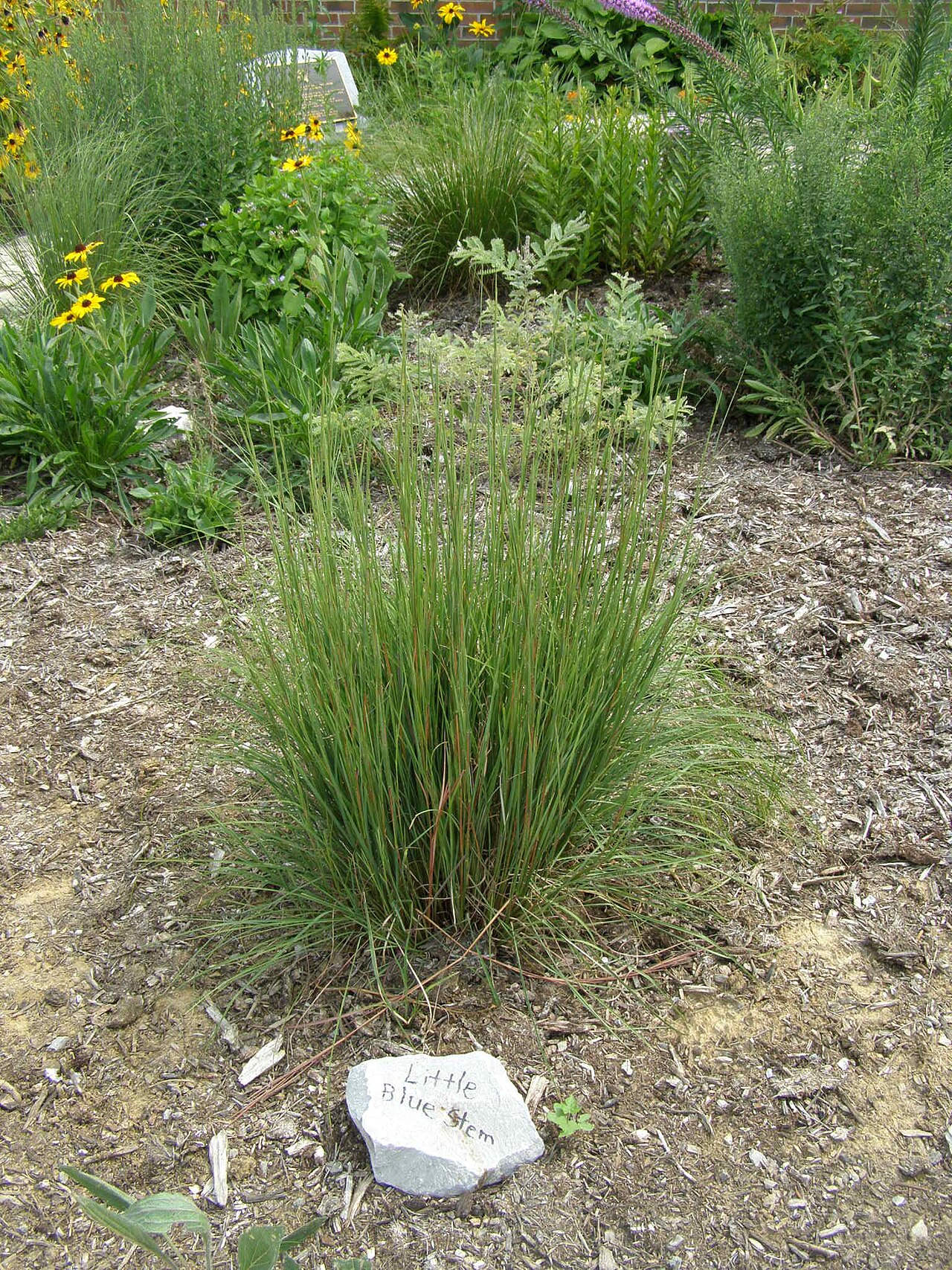
Little bluestem has a reputation as a tough, drought-proof prairie grass. That reputation is earned, but only after the plant has grown its deep roots.
A plug fresh from the nursery has none of that. Its roots are packed into a few inches of potting mix, and for the first weeks it can only drink from that small root ball.
This guide gives you a week-by-week watering plan for that first summer. It also covers how to tell when to water, how much is enough, and when to stop.
The Short Answer
New little bluestem (Schizachyrium scoparium) plugs need regular water at first, then less and less as the roots spread. A typical first-year pattern:
- At planting: soak thoroughly, let it drain, and soak again.
- First two weeks: water often, as much as daily in hot, dry weather. Skip it when it rains.
- Rest of the first month: cut back to two or three times a week, letting the top inch or two dry between waterings.
- Rest of the summer: water deeply only when the top inch or two of soil is dry.
- Year two and after: water only during long dry spells. Established plants need little or none.
Why Plugs Need Help Their First Summer
Little bluestem is deep-rooted, but it builds those roots slowly. The USDA NRCS plant guide describes it as somewhat slow to establish, and our species profile notes that first-year plants put most of their energy into roots.
The Dyck Arboretum of the Plains, a Kansas native-plant garden, explains why early watering matters. Just-planted roots can only take up moisture from the potting soil. They haven’t grown into the surrounding ground yet.
That small root ball dries out much faster than the soil around it. A plug can wilt in a few hot days even when the bed looks damp a few inches away.
First-Year Watering Schedule
| Planting day | Water in, let it soak, then water again until the soil is thoroughly moist. |
| Weeks 1–2 | Up to daily, depending on weather. Skip after rain. |
| Weeks 3–4 | Two or three times a week unless it’s extremely hot and dry. |
| Months 2–4 | Only when the top 1–2 inches of soil are dry. Deep and infrequent. |
| Fall – winter | Taper off. Check during long dry spells. |
| Year two | Deep watering once or twice a week only in prolonged dry weather. |
Based on the Dyck Arboretum’s native plant establishment guide. Adjust for your soil and weather.
Step 1: Plant at the Right Time
The easiest summer starts in spring. University of Wisconsin Extension recommends spring planting so grasses have a full season for roots to develop, and warns that grasses planted in fall may not establish well enough to survive winter.
The Dyck Arboretum also advises against planting in hot, dry weather. If you have to plant in summer, plant in the cool of the morning.
Before planting, Nebraska Extension recommends loosening heavy or compacted soil so young roots can grow out more easily. Don’t add fertilizer. The Dyck Arboretum notes that fertilizing during establishment encourages top growth the roots can’t support.
Step 2: Water In Thoroughly on Planting Day
Water each plug as soon as it’s in the ground. The Dyck Arboretum suggests letting the first watering soak in, then watering again until the soil is thoroughly moist.
This settles soil around the root ball and removes air pockets. Make sure the top of the plug sits level with the surrounding soil, not above it. An exposed plug top dries out very quickly.
Step 3: Keep the Root Ball Moist for the First Two Weeks
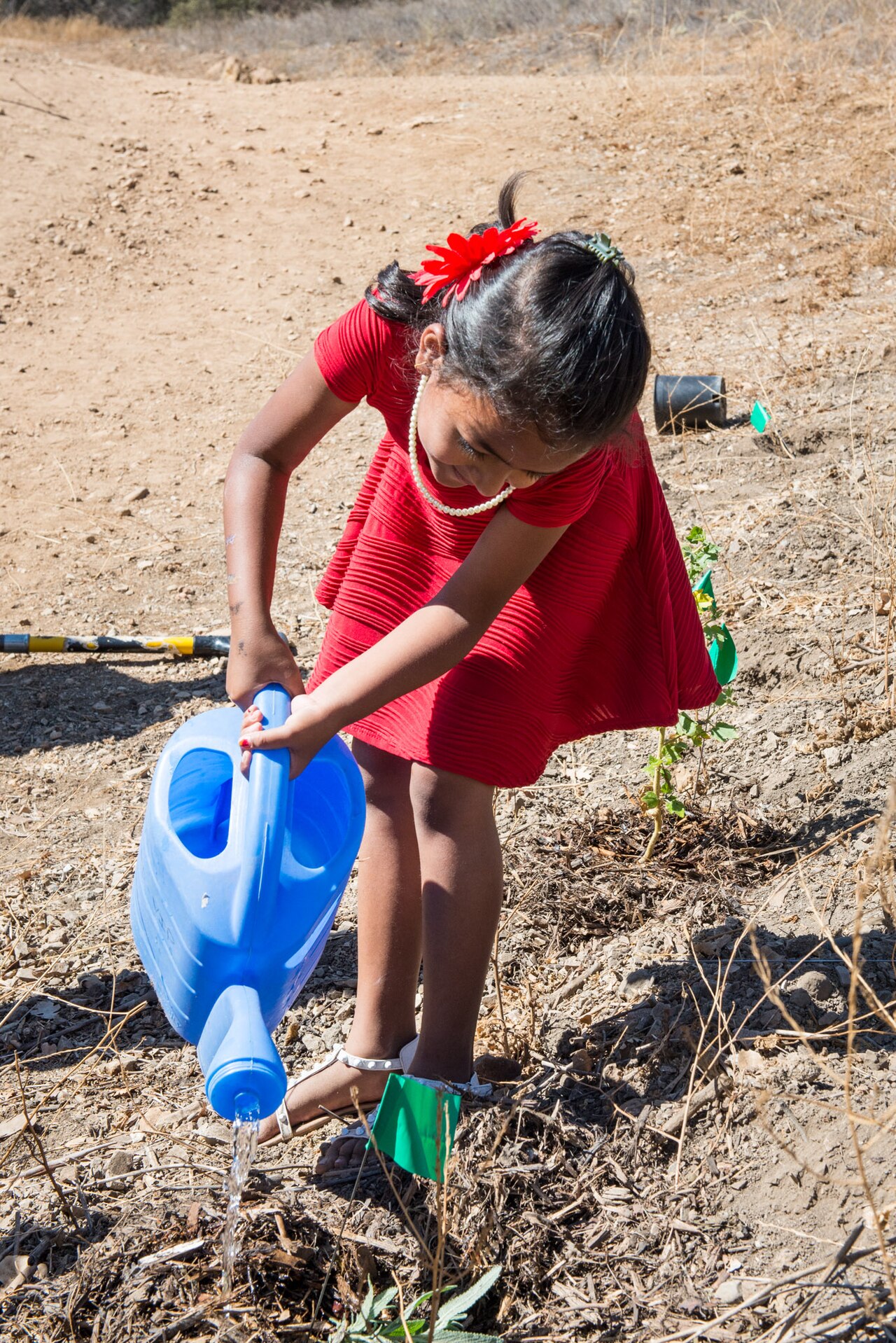
This is the most demanding stretch. The Dyck Arboretum recommends watering daily, depending on the weather, for the first two weeks. If it rains, skip a watering.
Aim the water at the plug itself. A slow trickle from a can or hose lets it soak in instead of running off.
Watch for new growth. The Dyck Arboretum notes that when you see new growth, the plants have begun to establish. That’s your signal to start easing off.
Step 4: Taper Off Over the Rest of the First Month
Once roots start to grow out, the plug can reach more soil. The Dyck Arboretum suggests that in the rest of the first month, unless the weather is extremely hot and dry, you can drop to two or three waterings a week.
From here on, let the soil dry a little between waterings. The Dyck Arboretum recommends waiting until the soil is dry an inch or two below the surface. Allowing the soil to dry between waterings encourages roots to grow deeper.
Use your finger or a trowel to check. Push into the soil next to the plug. If it’s still moist an inch or two down, wait another day.
Step 5: Water Deeply and Less Often Through Midsummer
For the rest of the first summer, water only when the top inch or two of soil is dry or the plants show signs of being dry. When you do water, water deeply.
The Dyck Arboretum suggests checking your work. Wait at least an hour after watering, or two hours on clay, then probe the soil to see how far the water went. If it didn’t reach the root zone, water longer next time. If the area is soggy, cut back.
Soak a circle wider than the plug itself. Moist soil around the root ball gives new roots a reason to grow outward into the bed.
How often that works out to depends on your soil and weather. Sandy soil dries fast and may need water more often. Clay holds water longer, and the Dyck Arboretum notes it can take in only about an inch of water per hour.
Step 6: Choose a Watering Method That Fits
The Dyck Arboretum recommends watering in the morning, when less water is lost to evaporation. Beyond that, pick the method that suits your planting:
- Watering can or hand hose: best for a few plugs tucked into an existing bed. You water the new plants without soaking everything else.
- Soaker hose: the Dyck Arboretum notes it applies water directly to the soil and reduces evaporation. Good for a row or drift of plugs.
- Drip line: efficient for larger beds. See our drip irrigation tips for beginners.
- Sprinklers: least efficient, and they water weeds too. Use them only for big seeded or plugged areas where nothing else is practical.
Step 7: Mulch Lightly and Keep Weeds Down
Mulch helps the soil hold moisture between waterings. The Dyck Arboretum recommends 1 to 3 inches of mulch on new plantings, kept away from plant stems. NC State Extension gives the same advice for little bluestem specifically: keep mulch away from the crown.
Weeds compete for the same water. Pull them while they’re small, especially right around the plug. Our mulching techniques guide covers materials and depth.
In larger meadow plantings, hand weeding every plug isn’t realistic. The USDA NRCS plant guide notes that mowing can control weeds, especially in the first year when the planted grass is still short. Set the mower high enough to clear the young plugs.
Step 8: Know When You’ve Overdone It
Too much water is a real risk with this plant. The Lady Bird Johnson Wildflower Center says little bluestem won’t tolerate wet sites, and the Dyck Arboretum notes that too much water leads to leaf and root problems.
Signs you’re watering too much:
- The soil is still wet when it’s time for the next watering.
- Leaves turn yellow from the base, or the crown feels soft.
- Algae or moss forms on the soil surface.
Signs you’re not watering enough:
- Leaves fold or roll inward and look grayer than usual in the heat of the day.
- Leaf tips turn brown and crisp.
- The plug shows no new growth weeks after planting.
Overwatering doesn’t stop being a problem after year one. University of Wisconsin Extension notes that watering promotes lodging in established plants. See our guide to little bluestem flopping over if your clumps start to sprawl.
Quick Reference
| Just planted | Soak twice. Make sure the plug top is level with the soil. |
| Hot week, first two weeks | Water daily. Skip after rain. |
| New leaves appearing | Roots are growing. Drop to two or three times a week. |
| Midsummer, soil damp 2 inches down | Don’t water yet. |
| Leaves rolled and gray at midday | Check the soil. Water deeply if dry. |
| Yellowing base, soggy soil | Too much water. Let it dry out. |
| Second summer | Water only in prolonged dry spells. |
What to Do Right Now
If you just planted: soak the plugs today and plan on near-daily checks for two weeks. Set a reminder so a hot weekend doesn’t catch you.
If your plugs have been in a few weeks and are pushing new leaves: switch to checking the soil before every watering. Water only when it’s dry an inch or two down.
If it’s midsummer and the plants look fine: keep watering deeply during dry spells. Don’t add fertilizer.
If it’s fall: taper off as the weather cools and the grass goes dormant. The Dyck Arboretum still recommends checking plants during dry winter months.
If a plug didn’t make it: check whether it dried out or stayed too wet. Our guide to little bluestem not greening up helps tell a dead plant from a dormant one next spring.
A Season-by-Season Plan
- Spring (planting): loosen compacted soil, plant plugs level with the surface, water in twice, and mulch lightly away from the crowns.
- First two weeks: water up to daily depending on weather. Skip after rain.
- Rest of the first month: two or three deep waterings a week. Check the soil first.
- Summer: water deeply when the top inch or two is dry. Pull weeds around the plugs.
- Fall and winter: taper off. Leave the stems standing for winter. Water in long dry spells.
- Second year: water once or twice a week only in prolonged dry weather. The Dyck Arboretum notes it takes plants at least two years to develop a self-sustaining root system.
In hot, dry regions you may need to water a little more often the first summer. Our guide to waterwise gardening for hot climates has more on stretching water.
📋 More on this plant: read the full Little Bluestem (Schizachyrium scoparium) profile, or see it in our native plant lists for North Dakota, South Dakota & Western Minnesota, Arkansas, Louisiana, Eastern Oklahoma & Eastern Texas, South & West Texas, Maryland, Virginia & West Virginia, and Delaware, Southern New Jersey & Long Island.
Frequently Asked Questions
How often should I water new little bluestem plugs?
Up to daily for the first two weeks, depending on the weather. Then two or three times a week for the rest of the first month, and after that only when the top inch or two of soil is dry.
How long do I need to keep watering?
Through the first growing season, tapering off as roots spread. In the second year, water only during prolonged dry weather. Established plants are drought tolerant.
Can I overwater little bluestem?
Yes. It doesn’t tolerate wet sites, and soggy soil can cause leaf and root problems. Let the soil dry an inch or two down between waterings.
Should I fertilize new plugs to help them establish?
No. Fertilizing during establishment pushes top growth the young roots can’t support. Little bluestem grows well in lean soil.
Is it better to plant little bluestem plugs in spring or fall?
Spring. Warm-season grasses establish best with a full growing season ahead of them, and fall plantings may not root in well enough to survive winter.
Sources
- Dyck Arboretum of the Plains, Water Smart: Steps to Establishing Your Native Plants: first-year and second-year watering schedule, soil checks, mulch, morning watering, no fertilizer during establishment.
- University of Wisconsin–Madison Extension, Wisconsin Horticulture, Little Bluestem: spring planting, fall planting risk, watering and lodging.
- USDA NRCS, Plant Guide: Little Bluestem: deep roots, slow establishment, first-year weed control by mowing.
- Nebraska Extension in Lancaster County, Little Bluestem: loosening compacted soil, dry conditions once established.
- North Carolina Extension Gardener Plant Toolbox, Schizachyrium scoparium: drought resistance once established, mulch away from the crown.
- Lady Bird Johnson Wildflower Center, Schizachyrium scoparium: low water use, intolerance of wet sites.