Little Bluestem Not Greening Up: Dormancy or a Failed Plant?
Last updated: November 5, 2026
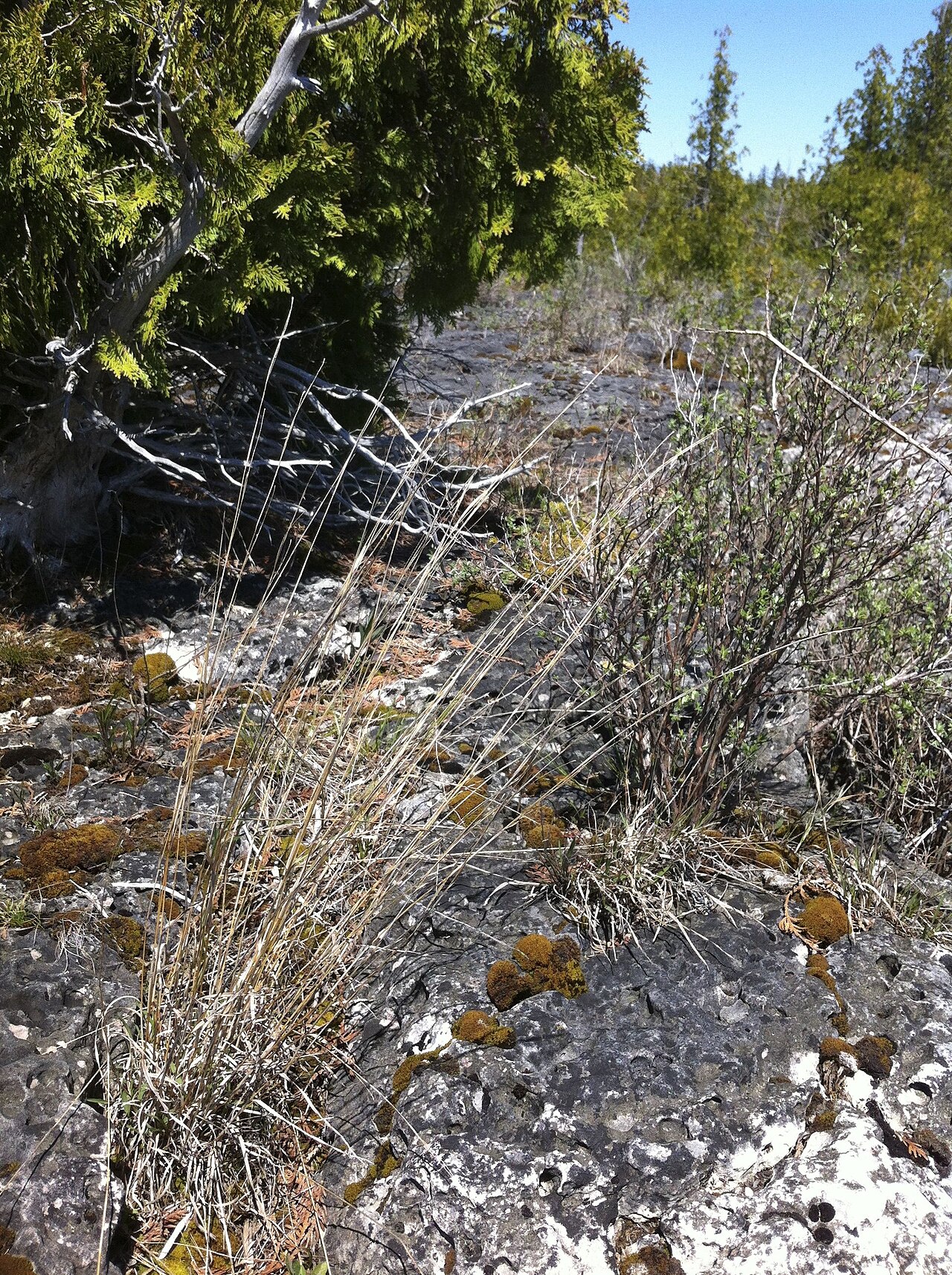
The lawn has been green for weeks. The daffodils are done, the trees are leafing out, and your little bluestem is still a clump of tan stubble.
Before you dig it up, know that this is exactly how the plant is supposed to behave. Little bluestem is one of the last plants in the garden to wake up in spring.
Still, plants do sometimes die over winter. This guide shows how to tell a late sleeper from a dead clump, what usually kills little bluestem, and when it’s really time to replace it.
The Short Answer
Little bluestem (Schizachyrium scoparium) is a warm-season grass. It starts growing in late spring, well after lawns and cool-season grasses. Before deciding it’s dead:
- Check the calendar. In many areas it isn’t late until late spring has fully arrived.
- Cut back the old stems and look for flat, bluish-green shoots at the base.
- Tug gently. A living crown is anchored firmly. A dead one often lifts out easily.
- Think about the winter. Wet soil, a fall planting, or a buried crown are the usual reasons a clump fails.
- Check for a dead center with live growth around the rim. That plant isn’t dead, it’s ready to divide.
How Little Bluestem Wakes Up in Spring
Grasses fall into two broad groups. Cool-season grasses, including most lawn grasses, grow in the cool weather of spring and fall. Warm-season grasses like little bluestem grow in summer heat.
The USDA NRCS plant guide says little bluestem begins growth in late spring, after cool-season species have already developed. Nebraska Extension describes it as starting growth in late spring and stopping in early fall.
University of Wisconsin Extension puts it simply: like all warm-season grasses, it is slow to emerge in spring. The plant guide adds that timing tracks the length of the local growing season, so plants in the North wake up later than plants in the South.
Alive or Dead? Quick Signs
| Probably alive | Firmly anchored. Short green or bluish shoots at the base, even just a few. Crown firm when pressed. |
| Partly alive | Green shoots only around the rim, brown center. Keep it and divide. |
| Too early to tell | No green yet, but other warm-season grasses nearby haven’t started either. Wait. |
| Probably dead | Lifts out with little resistance. Crown soft, mushy, or hollow. Still no green when other warm-season grasses are well up. |
Check 1: Is It Simply Too Early?
This is the answer most of the time. Compare your plant with its own kind, not with the lawn or the tulips.
Look around the neighborhood for other warm-season grasses. Switchgrass, big bluestem, and Indian grass all keep a similar late schedule. If those haven’t started yet either, your little bluestem isn’t behind.
Also think about where you are. A clump in a northern garden, a cold low spot, or heavy clay that warms slowly will start later than one on a warm, sandy, south-facing slope.
A late, cold spring can push everything back further. If you’re in doubt, give it a few more weeks before deciding anything.
Check 2: Cut Back and Look at the Base
Old stems can hide new growth for weeks. If you haven’t done your spring cutback yet, now is the time. See when to cut back little bluestem for height and timing.
With the old stems gone, get down close and part what’s left. University of Wisconsin Extension describes the new shoots as very flat and bluish. They can be tiny at first and easy to miss among the stubble.
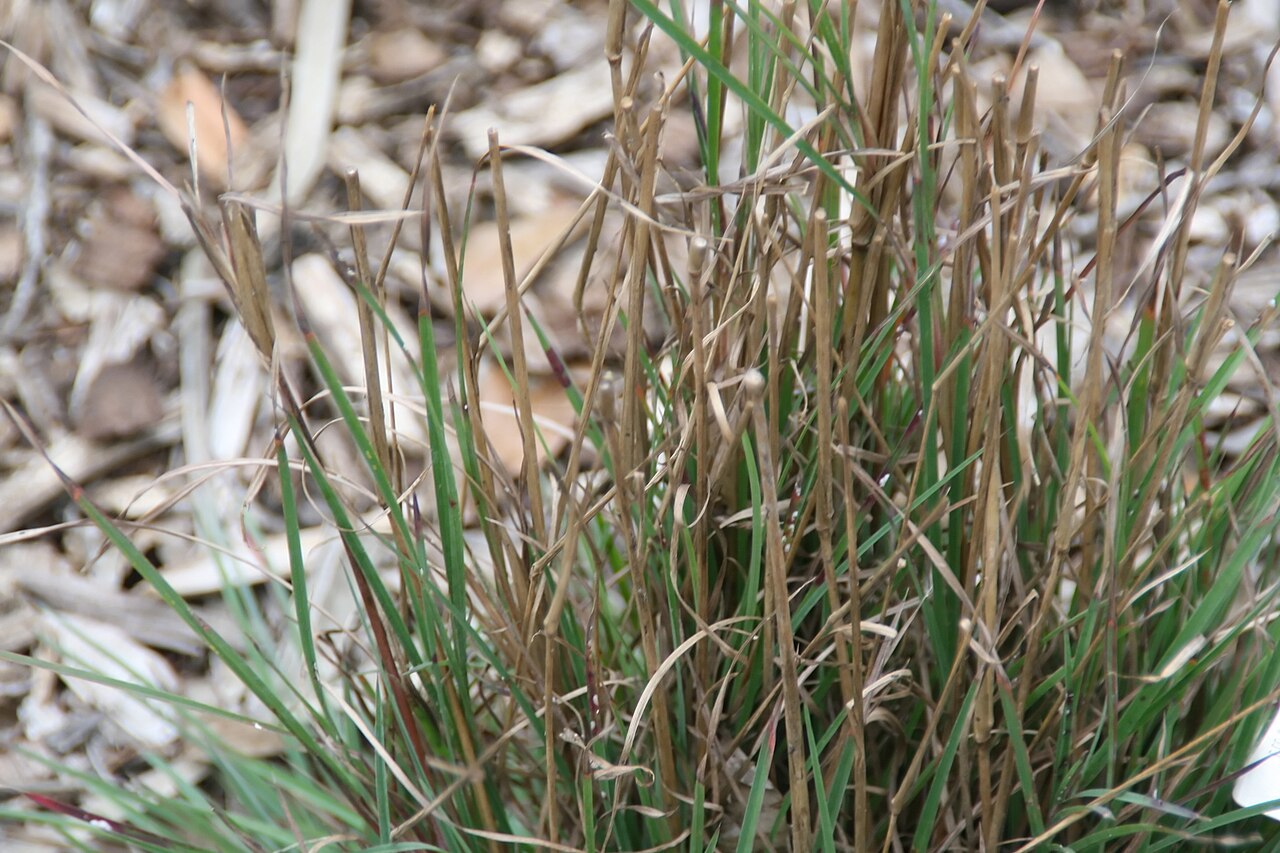
Don’t worry about cutting too low. The USDA NRCS plant guide notes that little bluestem’s growing points sit slightly more than an inch above the soil, so a cut a few inches high leaves them alone.
Check 3: Do the Tug Test and Look at the Crown
If you see no green at all, test the crown itself. These are simple general checks that work for most clumping perennials.
- Tug gently on a handful of stubble. A live clump is held tight by its roots. A dead one often lifts out with little effort.
- Press on the crown with your thumb. Live crowns feel firm. Dead ones can feel soft, spongy, or hollow.
- Look at a broken stem base. Live tissue near the crown tends to be pale and moist. Dead tissue is brown and dry or dark and mushy.
Check several spots around the clump, not just one. Part of a clump can die while the rest stays healthy.
Check 4: Was It Planted Last Fall or Last Summer?
Young plants are the most likely to fail over winter. University of Wisconsin Extension notes that grasses planted or transplanted in fall may not establish well enough to survive the winter. Spring planting is the standard advice for this species.
Plants set out late in summer face a similar problem. Roots that haven’t grown out into the surrounding soil leave the plant vulnerable to drying or frost heaving.
Also remember how slow little bluestem is to establish. Our species profile notes that first-year plants are often small and sparse because they spend that year building roots. A small, slow plant in its second spring is usually fine.
Check 5: Think About Winter Drainage
Little bluestem is built for dry, well-drained ground. The Lady Bird Johnson Wildflower Center says it will not tolerate wetlands or sites with constantly wet subsoil.
A wet winter or spring is one of the most common reasons a clump fails. Look for these clues:
- Water standing in the bed after rain or snowmelt.
- A downspout, patio, or driveway draining toward the plant.
- Heavy clay soil that stays sticky for days.
- A crown that feels soft or smells sour when you dig into it.
Mulch can create the same problem on a smaller scale. NC State Extension advises keeping mulch away from the crown. A thick layer piled against the base holds moisture right where the plant is most vulnerable. Our mulching techniques guide shows how to mulch around grasses.
Check 6: Look for a Dead Center, Not a Dead Plant
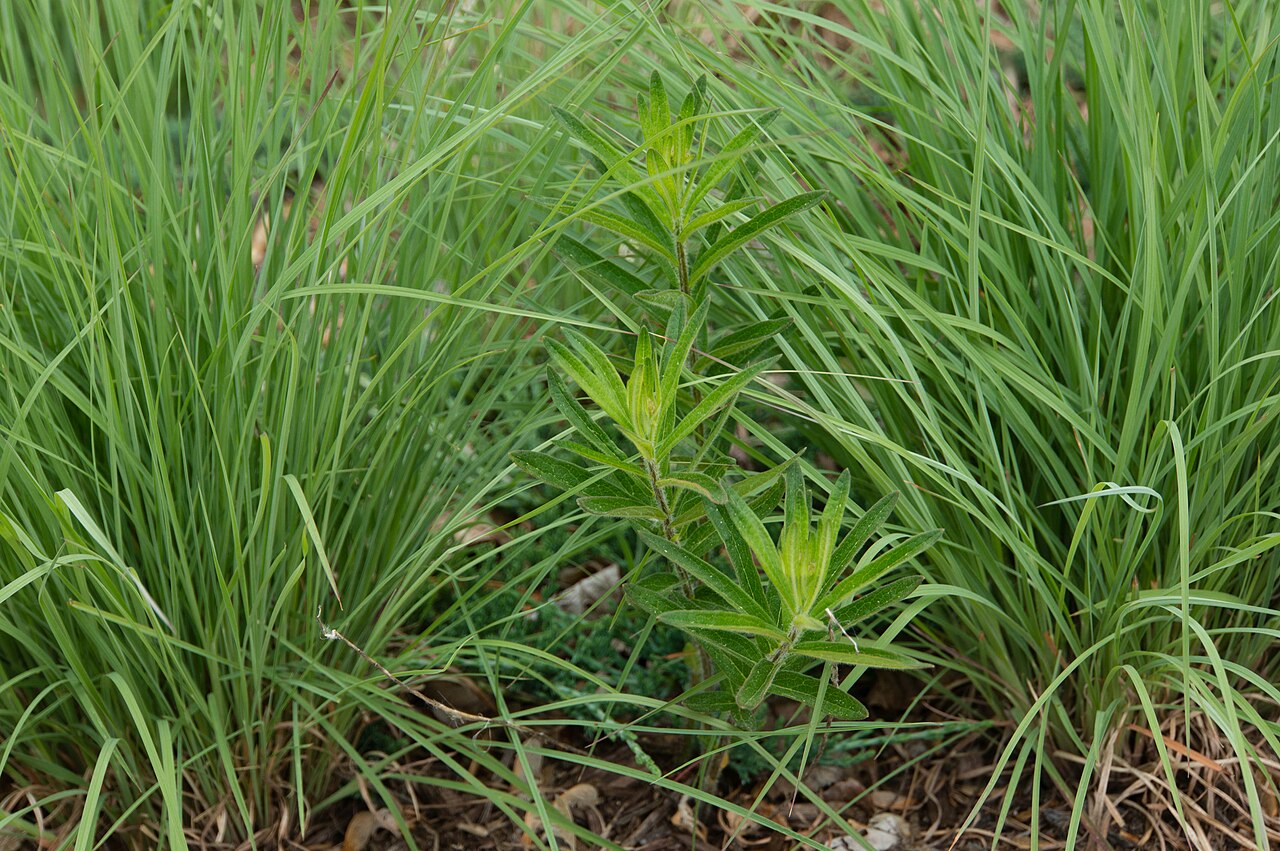
Sometimes the outer edge greens up and the middle stays brown. That’s a different problem.
The USDA NRCS plant guide notes that clumps sometimes die from the center out if the plants become too dry. Iowa State University Extension adds that grass centers often die as plants age.
Either way, the living rim is a healthy plant. Dig it in spring, discard the dead core, and replant the outer pieces. Our guide to dividing little bluestem walks through the steps.
Check 7: Rule Out Damage You Might Have Missed
A few other things can set back or kill a clump:
- Herbicide drift from lawn weed control or path spraying. Products aimed at weedy grasses are a particular risk to a grass like this one. Check what was sprayed nearby last year.
- Browsing. University of Wisconsin Extension notes that rabbits and deer graze little bluestem. Heavy grazing on young plants can weaken them.
- Construction or foot traffic that compacted the soil or damaged the crown.
- Deep shade that has grown in over the years and slowly starved the plant.
Troubleshooting at a Glance
| No green, lawn green for weeks | Normal warm-season timing. Compare with other warm-season grasses. |
| Tiny flat shoots at the base | Alive. Cut back old stems and wait. |
| Green rim, brown center | Alive. Divide in spring and discard the center. |
| Lifts out easily, soft crown | Dead, often from wet soil. Fix drainage before replanting. |
| Planted last fall, no growth | Likely failed to establish. Replant in spring. |
| Small but green in second spring | Normal slow establishment. Leave it. |
| Neighbors’ warm-season grasses up, yours not | Do the tug test. If the crown is soft or loose, replace it. |
So Is It Dead? What to Do Now
If it’s early to mid-spring: cut back the old stems and wait. This is still well within normal timing for a warm-season grass.
If it’s late spring and you see any green: the plant is alive. Water during dry spells and let it catch up.
If other warm-season grasses are well up and yours shows nothing: do the tug test and check the crown. If it’s loose or mushy, it’s time to replace it.
If you replace it: fix the cause first. Move the new plant out of wet ground, keep mulch off the crown, and plant in spring so it has a full season to root in. Water it through its first summer.
If you’re not sure: leave it in place until early summer. There’s no harm in waiting, and late starters often surprise you.
A Season-by-Season Plan
- Early spring: cut back last year’s stems once local spring signs arrive. Pull mulch away from the crown.
- Mid-spring: watch for flat, bluish shoots at the base. Compare with other warm-season grasses nearby.
- Late spring: do the tug test on any clump with no green. Divide clumps with dead centers.
- Summer: water new or replacement plants during dry spells. Leave established clumps alone.
- Fall and winter: leave the stems standing. Check that downspouts and drainage don’t send water into the bed.
📋 More on this plant: read the full Little Bluestem (Schizachyrium scoparium) profile, or see it in our native plant lists for North Dakota, South Dakota & Western Minnesota, Arkansas, Louisiana, Eastern Oklahoma & Eastern Texas, South & West Texas, Maryland, Virginia & West Virginia, and Delaware, Southern New Jersey & Long Island.
Frequently Asked Questions
When does little bluestem turn green in spring?
Later than most garden plants. As a warm-season grass it begins growing in late spring, after lawns and cool-season grasses. The exact timing depends on your climate and how quickly your soil warms.
How can I tell if my little bluestem is dead?
Cut back the old stems and look for new shoots at the base. If there are none, tug gently. A dead clump usually lifts out easily and has a soft or hollow crown.
Why did my little bluestem die over the winter?
The most common causes are wet soil, mulch piled on the crown, and plants set out in fall that didn’t root in before winter. Little bluestem does best in well-drained, sunny spots.
Should I fertilize little bluestem to wake it up?
No. Fertilizer won’t speed up a dormant warm-season grass, and extension sources advise against heavy fertilizing because it leads to floppy growth later.
My little bluestem is only green around the edges. Is it dying?
No, the plant is alive. Brown centers are common in older clumps and after dry summers. Divide it in spring, discard the center, and replant the healthy outer pieces.
Sources
- USDA NRCS, Plant Guide: Little Bluestem: late-spring growth start, timing linked to growing season, growing point height, center dieback when dry.
- University of Wisconsin–Madison Extension, Wisconsin Horticulture, Little Bluestem: slow spring emergence, appearance of new shoots, fall transplant risk, browsing.
- Nebraska Extension in Lancaster County, Little Bluestem: warm-season growth period.
- Lady Bird Johnson Wildflower Center, Schizachyrium scoparium: intolerance of wet sites.
- North Carolina Extension Gardener Plant Toolbox, Schizachyrium scoparium: keeping mulch away from the crown.
- Iowa State University Extension, Yard and Garden, Dead centers in ornamental grasses.