Sheet Mulching vs. Sod Removal for a Native Garden: Choose by Site and Timing
Last updated: November 7, 2026
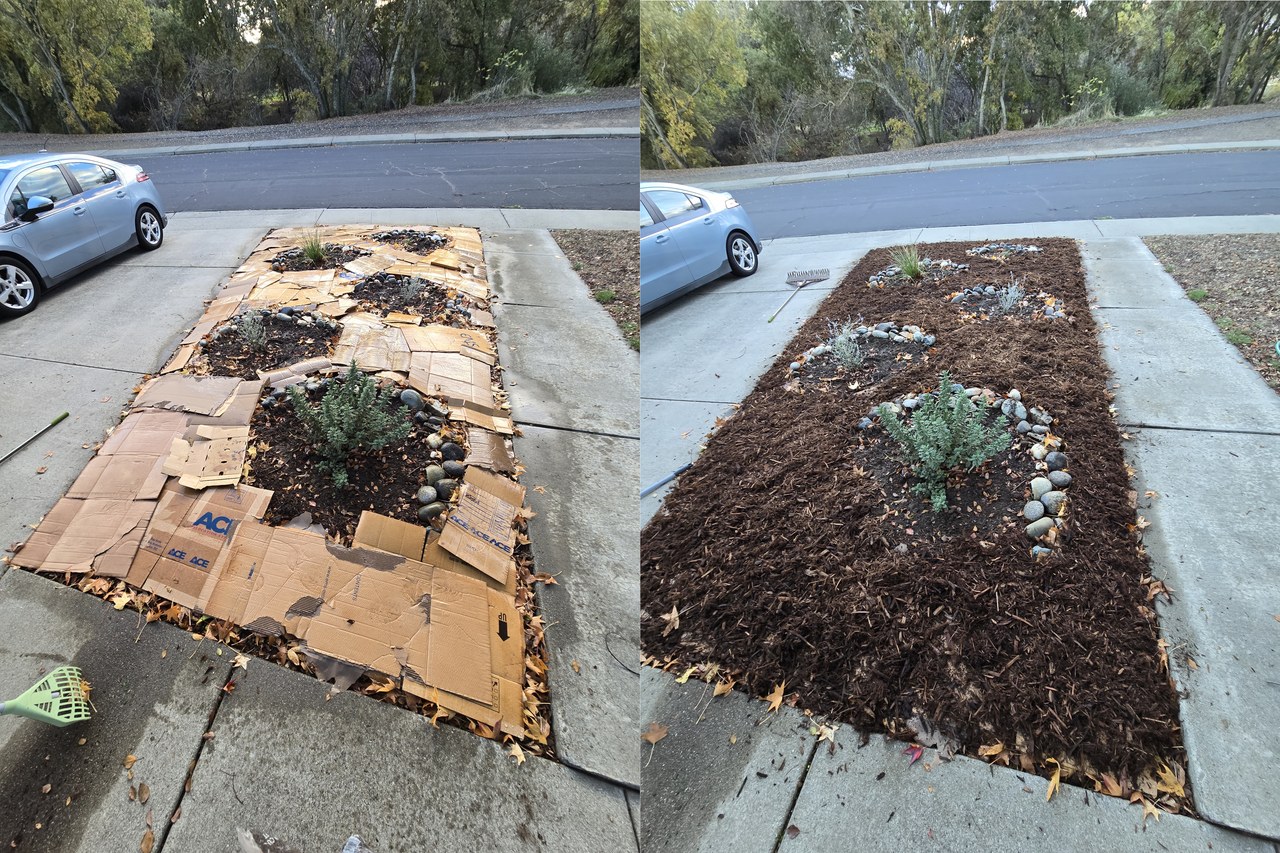
Sheet mulching and sod removal both get rid of lawn without tilling or herbicide, but they suit different yards and calendars. One takes a single hard day; the other takes a season or more of patience.
Choosing the wrong one can cost you a year. Sheet mulch laid over a lawn full of creeping, rhizomatous grass may simply be grown through, and cutting sod on a slope or under a tree can leave you with erosion or damaged roots.
This guide compares the two methods by site and by timing, then gives step-by-step instructions and a starter palette for the bed each method leaves behind. It builds on the Xerces Society’s organic site preparation guidelines, which cover both methods in detail.
Plan at a Glance
| Site | Mown lawn you want to turn into a native bed or small meadow |
| Size | Sod removal: small sites under about 1/8 acre; sheet mulch: up to about 1/2 acre |
| Sun | Either method works in sun; sheet mulch also handles shade |
| Soil | Sod removal leaves bare mineral soil; sheet mulch builds an organic layer on top |
| Maintenance | Sod removal: one heavy day, then weeding; sheet mulch: light work spread over 3–24 months |
| Best regions | Sheet mulch suits humid climates or irrigated sites; sod removal works almost anywhere the turf is dense |
Assess the Site Before You Pick a Method
If you have not yet decided which part of the lawn to convert, map how you actually use it first.
Size. The Xerces Society recommends sod removal for small sites, under about an eighth of an acre, where cutting and hauling are realistic. Sheet mulching is rated for sites up to roughly half an acre, provided you can get enough material.
What the lawn is made of. Sod removal works best on dense turf that has been mown regularly for years, because few weed seeds are waiting in the soil. Xerces lists sites with aggressive or persistent deep-rooted, rhizomatous or woody weeds as poor candidates for sheet mulching.
Slope and climate. Xerces lists steep slopes and arid sites without irrigation as poor candidates for sheet mulch. Layers can shift on a slope, and in dry climates Xerces says the mulch needs irrigation to stay moist.
Shade, rocks and roots. Sheet mulch performs well in shady or rocky sites, Xerces notes, and it needs no digging. That also makes it the gentler choice under trees, where cutting and lifting sod can damage shallow roots.
Our guide to a dry-shade border under established trees covers planting around roots in more detail.
Sheet Mulching vs. Sod Removal at a Glance
Summarized from the Xerces Society’s Organic Site Preparation for Wildflower Establishment.
| Factor | Sheet mulching | Sod removal |
|---|---|---|
| Time before planting | 3–24 months | About one day |
| When to start | Winter to late spring | Late summer or fall |
| When to plant | Fall or winter, or the following spring | Fall, or the following spring |
| Best site size | Up to about 1/2 acre | Under about 1/8 acre |
| Labor | Light but spread out; hauling material | Heavy for one day; hauling heavy sod |
| Shade and rocky sites | Performs well | Workable, but cutting is harder among roots and rocks |
| Rhizomatous or woody weeds | Poor choice | Better, if roots come out with the sod |
| Steep slopes, arid sites | Poor choice without irrigation | Possible, but exposed soil can erode |
| Effect on soil | Adds organic matter on top | Removes turf, roots and some topsoil |
Choose by Timing
Timing often decides the question. If you want to plant this fall, sod removal is the only one of the two methods that can get you there. Xerces describes it as a one-day job begun in late summer or fall, with transplants going in that fall or the next spring.
If you are starting in winter or spring and can wait, sheet mulching fits. Xerces suggests building the layers between winter and late spring, then planting transplants into the mulch in fall or the following spring. Xerces gives a total window of 3 to 24 months, so check that no living grass remains under the layers before you plant.
The Master Gardeners of Northern Virginia describe a shortcut. Spreading about 6 inches of topsoil over cardboard lets you plant small perennials, grasses, sedges or ferns right away while the cardboard smothers the grass below. Plant NOVA Natives also notes that a newly layered bed can be planted or seeded immediately, which keeps windblown weeds from settling on bare mulch.
If you would rather spread the work out, our two-season installation plan pairs a fall start with spring planting.
Design the Bed Around the Method
Each method shapes the bed you end up with.
Sod removal leaves a crisp, slightly sunken edge and bare, lean soil. The University of Maryland Extension notes that meadow plants are generally happy in the poorer soil beneath your topsoil. That suits drought-tolerant prairie and meadow species.
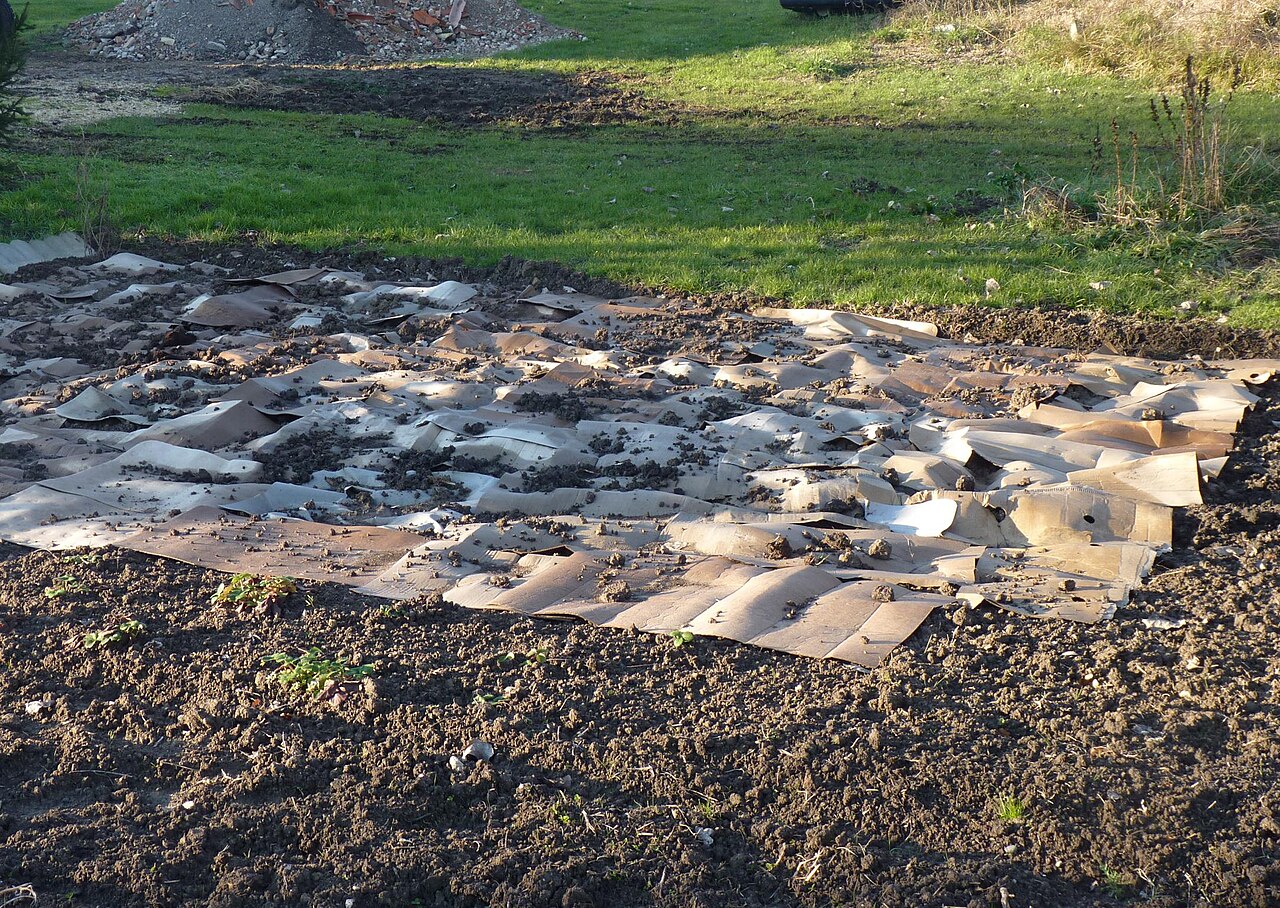
Sheet mulch raises the bed and adds a rich, moist organic layer. It favors woodland-edge and shade plants and anything that likes steady moisture. Expect the surface to settle as the layers decompose.
You can combine them. Cut a spade-width strip of sod around the outline for a clean edge, then sheet mulch the interior. Xerces suggests composting removed sod or using it in sheet mulch elsewhere, so the turf you lift from the edge need not leave the property.
Plant Palette for Each Prepared Bed
Starter Palette by Preparation Method
Heights are from NC State Extension’s plant toolbox and the Lady Bird Johnson Wildflower Center; ranges are from the Wildflower Center. Check your regional list before buying.
| Plant | Role | Height | Sun / Moisture | Native range |
|---|---|---|---|---|
| Sideoats grama | Grass for stripped, lean soil | 1–3 ft | Sun to part shade / dry to medium | South-central Canada and much of the US |
| Black-eyed Susan | Quick first-year color | 2–4 ft | Sun / dry to medium | Western MA to Manitoba and WY, south to FL and NM |
| Gray goldenrod | Short fall color on dry soil | 6 in–2 ft | Sun / dry | Southern Canada and much of the US east of the Rockies |
| Smooth blue aster | Fall color, middle of bed | 2–4 ft | Sun / dry to medium | Much of North America except FL, CA and the far north |
| Pennsylvania sedge | Groundcover for sheet-mulched shade | 1–8 in | Part shade to shade / dry to medium | Southern Quebec to Ontario, ND and MT, south to GA, AR and WY |
| Wild geranium | Spring bloom in shade | 14–18 in | Part shade to shade / medium | Eastern Canada and ME to GA, west to Manitoba, SD, KS and AR |
| Alumroot | Evergreen-ish edging in shade | About 18 in, up to 3 ft | Part shade to shade / dry to medium | CT to Ontario and MI, south to GA and OK |
The first four suit a sunny bed of stripped soil. The last three suit a shady, sheet-mulched bed. Black-eyed Susan is short-lived but flowers quickly, so it fills the first-year gaps while slower perennials settle in.
Regional alternates. In the western Plains, blue grama and regional penstemons replace the eastern grasses and forbs. In the Pacific Northwest or California, use your state’s native plant society lists instead of this eastern palette.
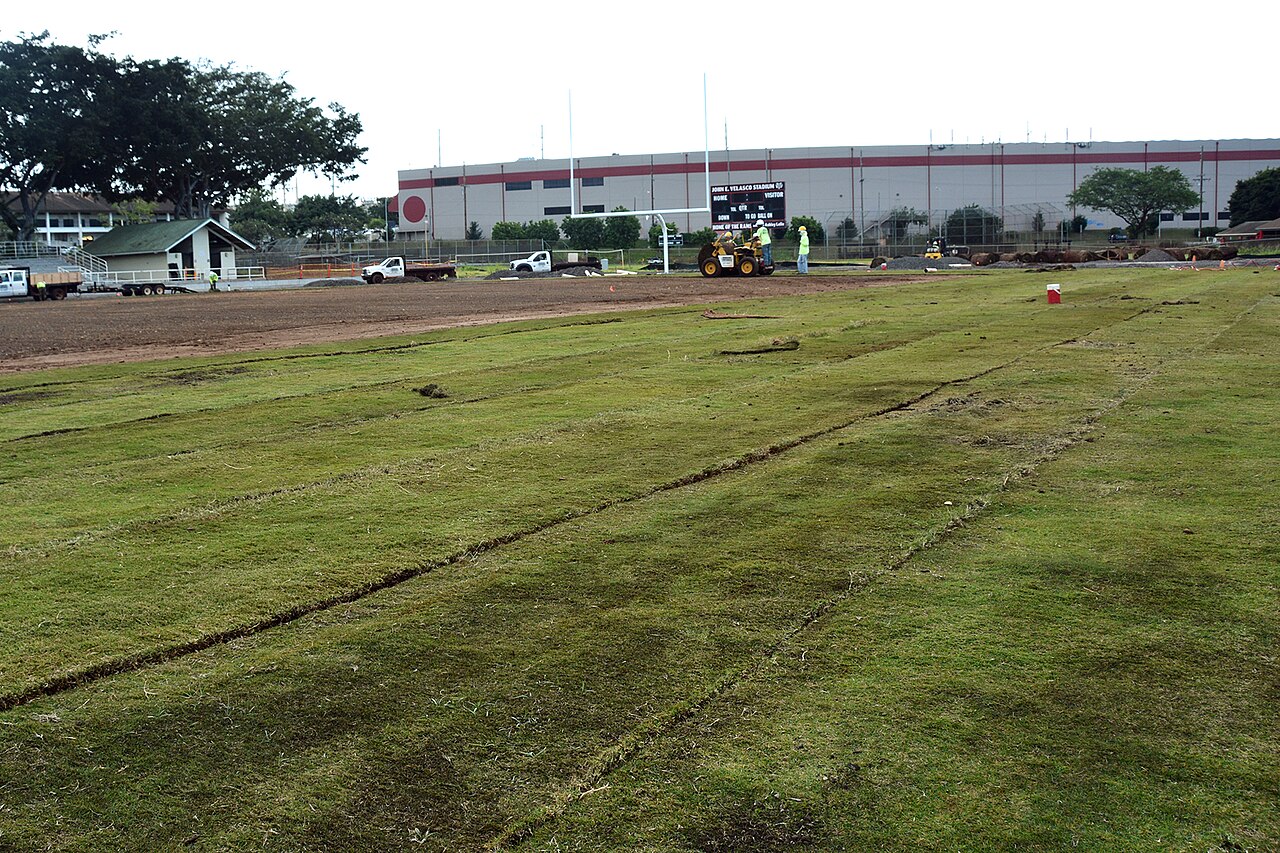
Step by Step: Sod Removal
- Contact 811 a few business days before you dig so buried utility lines can be marked.
- Water the area about 24 hours before cutting, as Xerces recommends, so the soil is moist but not muddy.
- Rent a gas-powered sod cutter, or use a manual kick-type cutter or a sharp spade for very small areas.
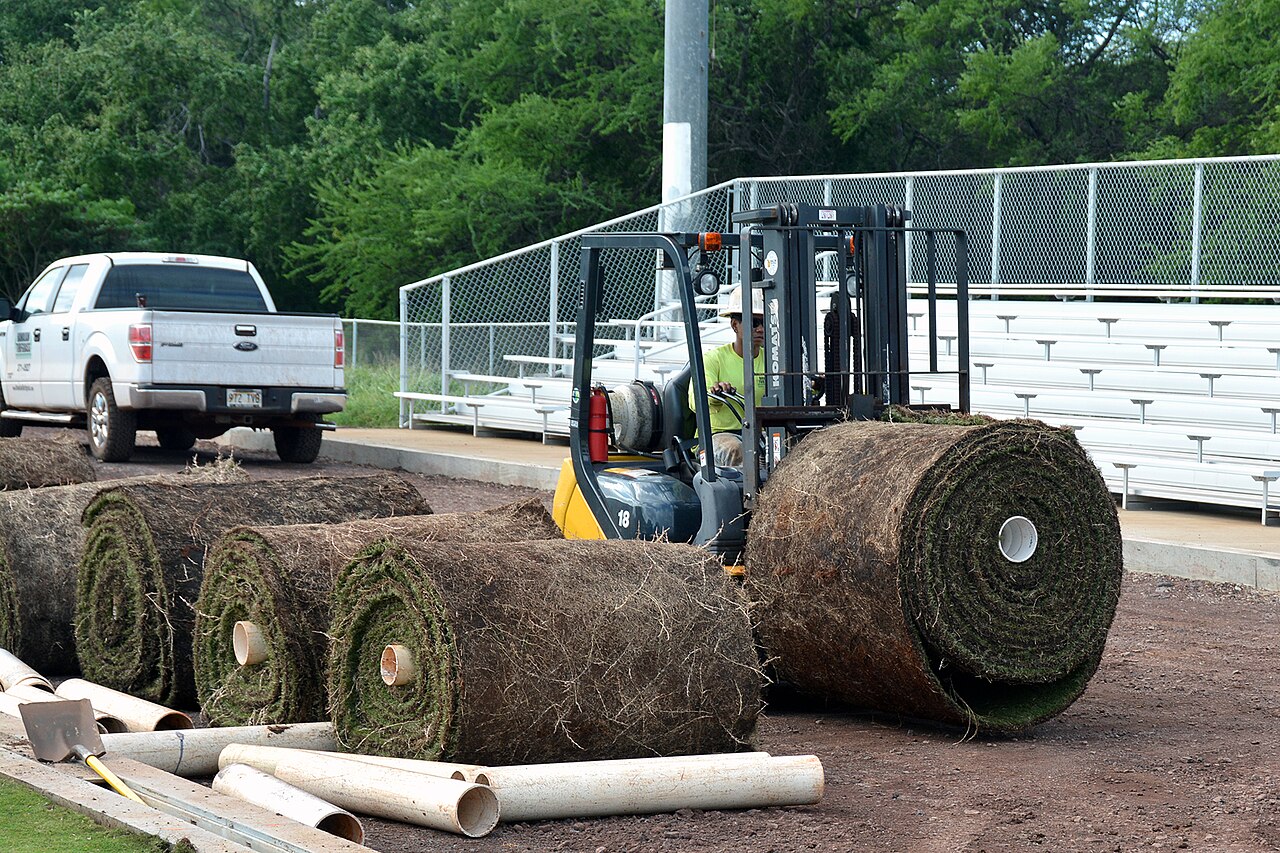
- Cut the turf into strips, roll or lift them, and move them off the site. Xerces cautions that sod rolls are very heavy and may need a truck or trailer.
- Do not flip the sod and plant into it. Xerces warns this invites weeds back.
- Loosen only badly compacted soil, and keep disturbance to a minimum.
- Plant plugs in fall or the following spring, or sow seed in the dormant season. Our plugs vs. seed guide helps you choose.
Step by Step: Sheet Mulching
- Mow the lawn as short as you can, and aerate it first if the soil is badly compacted.
- Water the area deeply if it is dry.
- Lay a thin nitrogen layer, such as grass clippings or compost, and water it.
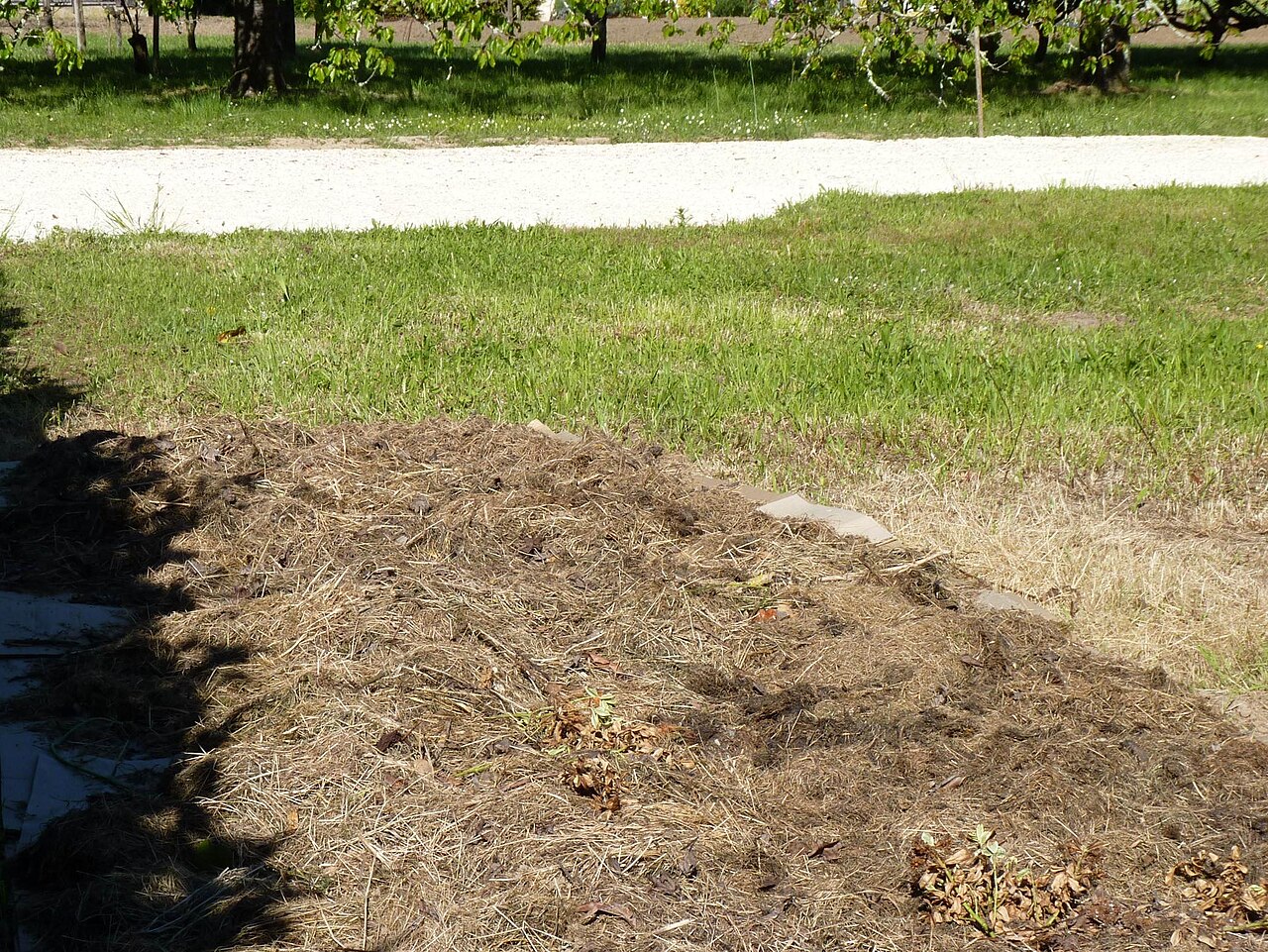
- Lay overlapping plain corrugated cardboard or several layers of newspaper. Xerces specifies cardboard without tape, staples, wax or glossy ink. Overlap the edges well and water thoroughly.
- Add alternating layers of compost and coarse material such as straw or leaves, watering each layer. On sites with low weed pressure, Xerces says you can skip the middle layers.
- Finish with 1–2 inches of wood chips or bark.
- Keep the pile damp but not soggy. When you are ready to plant, cut an X through the cardboard and set each plug into the soil below.
First-Three-Years Maintenance Calendar
- Year 1 (sod removal): Expect a flush of weed seedlings from the exposed soil in the first weeks. Weed weekly and water new plugs until they root in.
- Year 1 (sheet mulch): Check the edges and seams every few weeks. Pull any lawn grass that pushes through, and patch thin spots with more cardboard and mulch.
- Year 2: Weed every two to three weeks, cut back last year’s stems in late winter, and replace failed plants.
- Year 3: The planting should be shading much of its own soil. Weed seasonally, and top up mulch only where bare soil remains.
Mistakes to Avoid
- Sheet mulching over creeping grasses. Xerces rates sites with rhizomatous or woody weeds as poor candidates. Remove those weeds first, or choose sod removal.
- Thin cardboard seams. Overlap every edge by several inches; light leaks are where the lawn returns.
- Flipping sod in place. Remove lifted turf rather than burying it upside down in the bed.
- Planting a deep mulch layer with seed. Xerces has you rake off the woody top layer and sow into the compost layer during the dormant season.
- Forgetting the edge. Neither method stops lawn grass from creeping back in. Keep a sharp, regularly cut edge.
📋 Match the palette to your region before planting. Many of these species appear on regional lists such as the Maryland, Virginia and West Virginia native plant list and the Iowa, Illinois and Missouri list.
Frequently Asked Questions
Which is faster, sheet mulching or sod removal?
Sod removal. Xerces describes it as about a one-day job, while sheet mulching takes 3 to 24 months before planting is ideal.
Can I sheet mulch in fall and plant in spring?
Yes, as long as the layers stay moist and the lawn under them is not a creeping, rhizomatous type. Check that no green grass is pushing through before you plant.
What do I do with the sod I remove?
Pile it in an out-of-the-way spot to compost, or use it as a layer in sheet mulch elsewhere. Do not leave it flipped in the new bed.
Is sheet mulching safe under trees?
It avoids digging, so it is gentler on roots than cutting sod. Keep mulch layers away from the trunk and do not pile soil deeply over the root zone.
Which method should I use for my first small conversion?
For a first 100-square-foot patch of regularly mown lawn, sod removal lets you plant the same season. Our phased plan for your first 100 square feet walks through it, and replacing lawn with wildflowers covers seeding larger areas.
Sources
- Xerces Society: Organic Site Preparation for Wildflower Establishment
- University of Maryland Extension: How to Make a Meadow
- UNH Extension: Establishing a Wildflower Meadow from Seed
- Master Gardeners of Northern Virginia: Shrink the Lawn
- Plant NOVA Natives: Reducing Lawn
- Wikipedia: Sheet mulching
- 811: Before You Dig
- NC State Extension Plant Toolbox (Rudbeckia hirta and related species pages)
- Lady Bird Johnson Wildflower Center: Plant Database (BOCU, RUHI2, SONE, SYLA3, CAPE6, GEMA, HEAM6)