An Interior Northwest Native Garden: Match Elevation Before Choosing Plants
Last updated: November 7, 2026
Idaho, eastern Oregon and eastern Washington share one native plant list on most websites, including ours. On the ground, though, a yard in the Snake River Plain and a yard in a north Idaho valley have almost nothing in common.
The difference is mostly elevation, plus the rainfall, frost season and soil that come with it. Sagebrush valleys, bunchgrass foothills, ponderosa pine slopes and moist northern forests sit within a short drive of each other, and their native plants are not interchangeable.
This plan starts by placing your yard in one of those bands, then builds a garden from plants that grow there naturally. Every plant below is native to all three states, but each one belongs in some bands and not others.
Plan at a Glance
| Site | Any home landscape east of the Cascade crest in ID, eastern OR or eastern WA |
| Garden size | One bed to a whole yard; zones can be mixed on one lot |
| Sun | Mostly full sun; part shade for northern valley and woodland plantings |
| Soil | Alkaline, rocky or sandy in dry valleys; deeper and more acidic in northern valleys |
| Maintenance | Low once established; water needs depend on the band and zone |
| Best regions | Interior Northwest; choose plants by elevation band, not by state |
Why Elevation Matters More Than the State Line
University of Idaho Extension’s native landscaping bulletin groups Idaho landscapes into four types: dry high desert, water-supplemented high desert, high-elevation mountain, and northern Idaho mountain/valley. Each has its own plant list.
The bulletin describes the high desert, such as the Snake River Valley, as the hardest place in Idaho for native landscaping because of low rainfall. It describes northern Idaho as lower in elevation, wetter, cooler in summer and with relatively acidic soils, so drought-tolerant plants central to the high desert may not survive there.
The same pattern runs through eastern Oregon and eastern Washington. A plant that’s “native to Washington” may come from the Columbia Basin, the Blue Mountains or a moist canyon bottom, and it will behave like a plant from that place in your yard.
Step 1: Find Your Band Before You Shop
Look up your elevation, then look at the wild vegetation on undeveloped land near you. That’s the most reliable guide to which band you’re in.
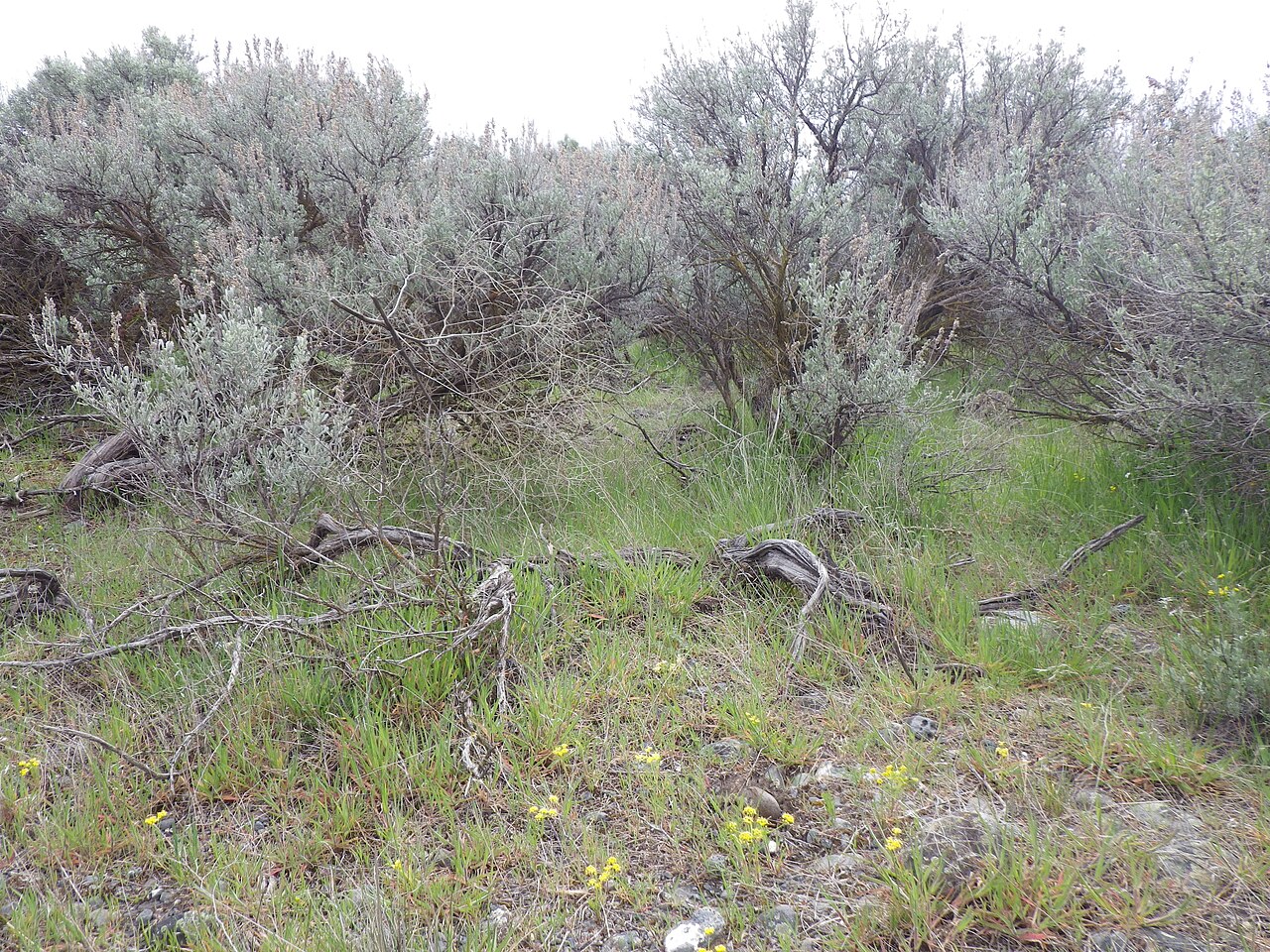
- Low, dry valleys and basins: sagebrush, bitterbrush and bunchgrasses on open plains, as in the Snake River Plain or the Columbia Basin.
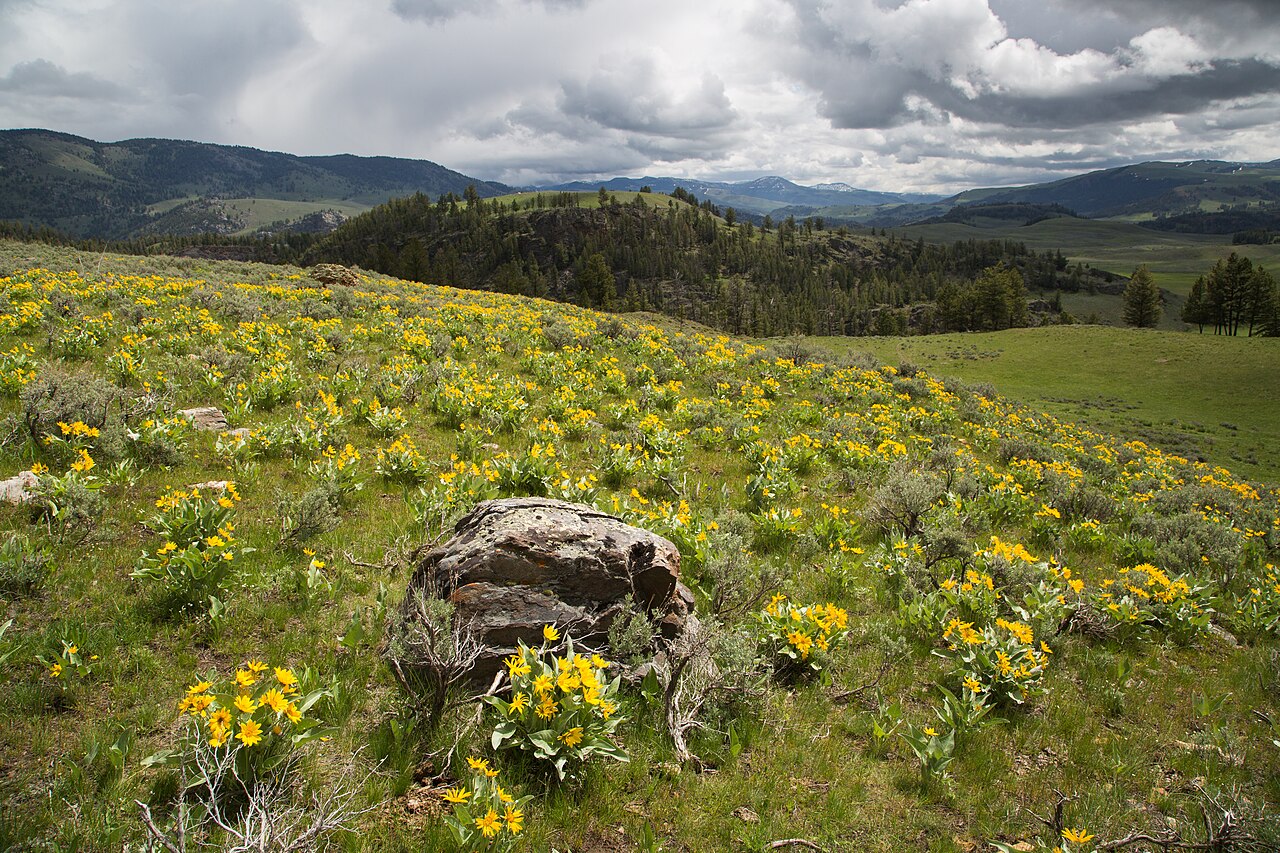
- Bunchgrass foothills and pine edges: open grassy slopes with balsamroot in spring, grading into ponderosa pine.
- Higher mountain valleys: short summers, cold nights and a mix of meadows, shrubs and conifers.
- Northern valleys: forests of tall conifers, moist valley soils and a summer dry season.
Then check your own lot. UI Extension notes that rocky, south-facing slopes need drought-tolerant shrubs and perennials, while north-facing slopes and canyon bottoms can support larger trees and moisture-loving plants. Our guide to planting a gentle slope covers how to work with that kind of grade.
Band 1: Low, Dry Valleys
This is shrub-steppe country. UI Extension notes that without irrigation, a native landscape here becomes a true desert-like garden. Many hardy grasses and perennials do well, but the choice of adapted shrubs and trees is limited.
Build the bed around silver and gray shrubs. Big sagebrush is an evergreen shrub 1½ to 9 feet tall. The Lady Bird Johnson Wildflower Center notes it is extremely drought tolerant and susceptible to root rot if kept too wet. Bitterbrush usually grows 4 to 5 feet tall, with cream flowers and three-lobed gray leaves. Rubber rabbitbrush adds masses of late-summer yellow flowers, and UI lists it at up to 4 feet.
Fill between the shrubs with bunchgrasses. Bluebunch wheatgrass grows in large, often blue-green bunches with stiff flowering stalks. The Wildflower Center notes it was once a dominant grass of intermountain grasslands and is now much reduced by competition from downy brome (cheatgrass).
For color, add sulfur buckwheat, which forms loose mats with balls of cream to yellow flowers. The Wildflower Center warns that because this species is so variable, it’s especially important to choose plants from a habitat that matches your site. That advice sums up this whole article.
UI’s design advice for this band: install hardscape such as fences and paths before planting, give the ground some contour, and use stone or dry streambeds for winter form, since many plants go dormant and tan in late summer.
Band 2: Valley Yards With a Little Water
Most valley homeowners want some green near the house. UI Extension’s answer is a water-supplemented high-desert landscape, where occasional irrigation widens the plant list.
According to the bulletin, applying less than an inch of water every three to four weeks lets you grow outstanding shrubs and trees with fall color, late-flowering shrubs and perennials, and tall grasses. It recommends separate irrigation zones for high, moderate and low water use, so the sagebrush beds stay dry while a patio bed gets more water. Our California native shrub border plan uses the same zoning idea in more detail.
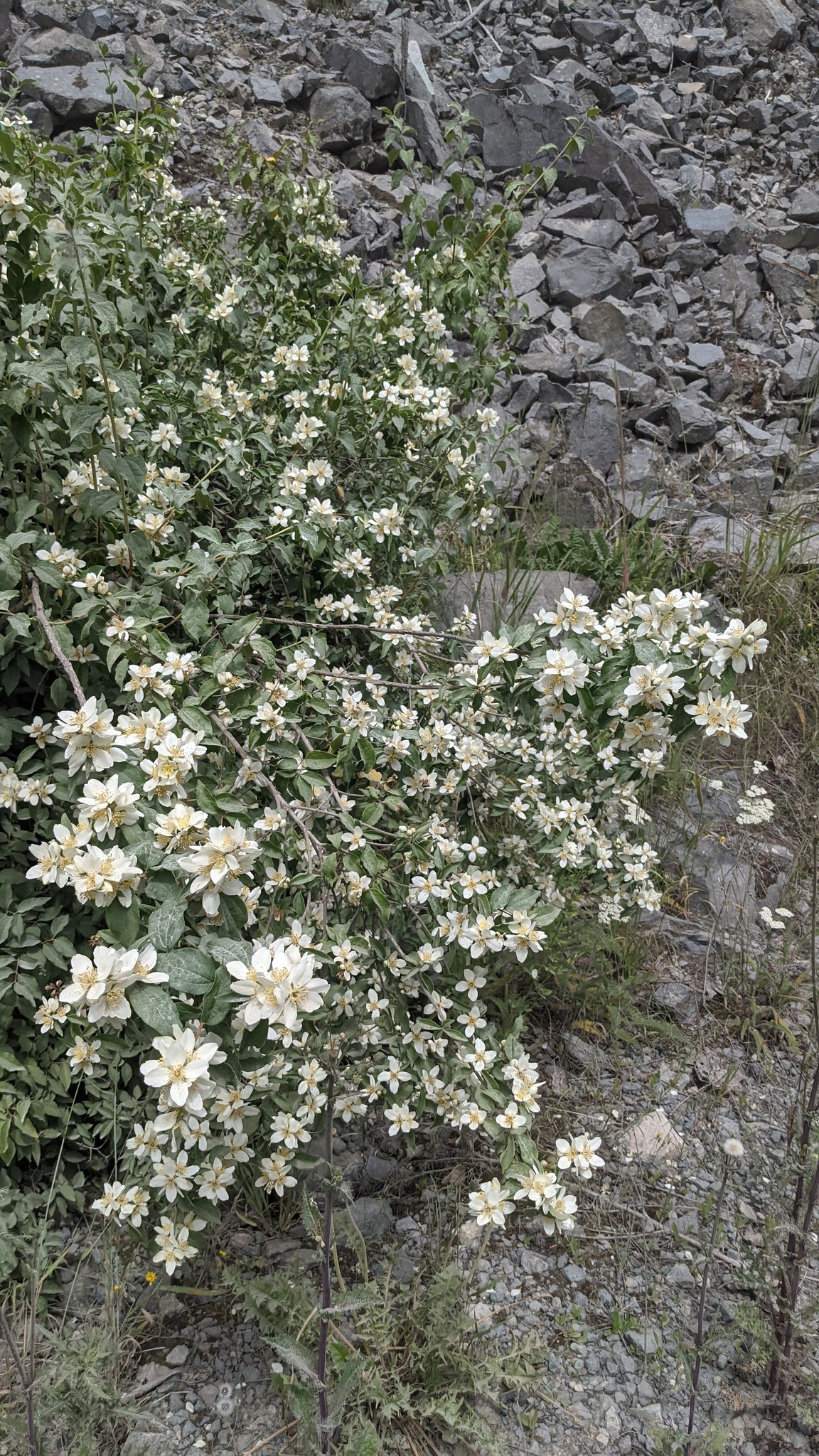
This is the zone for serviceberry, which UI lists as a tall shrub to 20 feet with white spring flowers, purple late-summer fruit and red fall color. It’s also the zone for syringa, Idaho’s state flower. UI describes it as a medium to tall shrub to 15 feet, with large, very fragrant white flowers in late spring.
Band 3: Foothills and Higher Mountain Valleys
Bunchgrass foothills and mountain towns are some of the best places in the region for native gardens. UI Extension notes that many short-season perennials and shrubs are well adapted here, and that plants grown where they’re well adapted are healthier, bloom longer and live longer.
Arrowleaf balsamroot is the signature spring flower of these slopes. The Wildflower Center describes silvery arrowhead leaves up to a foot long and sunflower-like flowers on 8- to 24-inch stems, and lists its habitat as sandy plains and forest openings at 4,000 to 8,000 feet. It has a woody taproot, so start it from seed or small plants and don’t plan to move it.
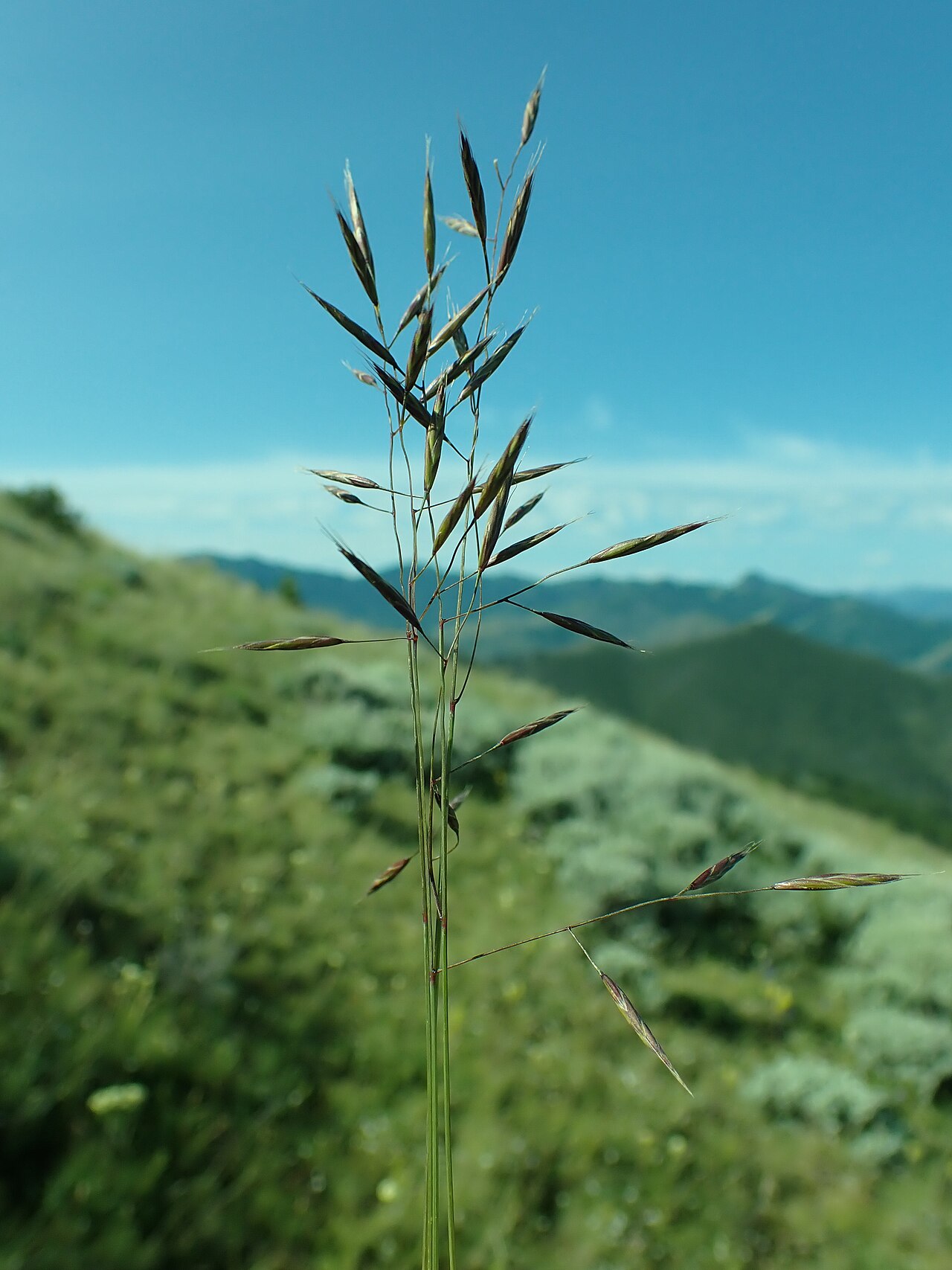
Idaho fescue is the fine-textured bunchgrass of this band. It’s a cool-season grass with narrow blue- to gray-green leaves, and its flower stalks rise about twice as high as the foliage. The Wildflower Center notes that its seedlings compete poorly, but mature plants compete strongly, so keep weeds down for the first seasons.
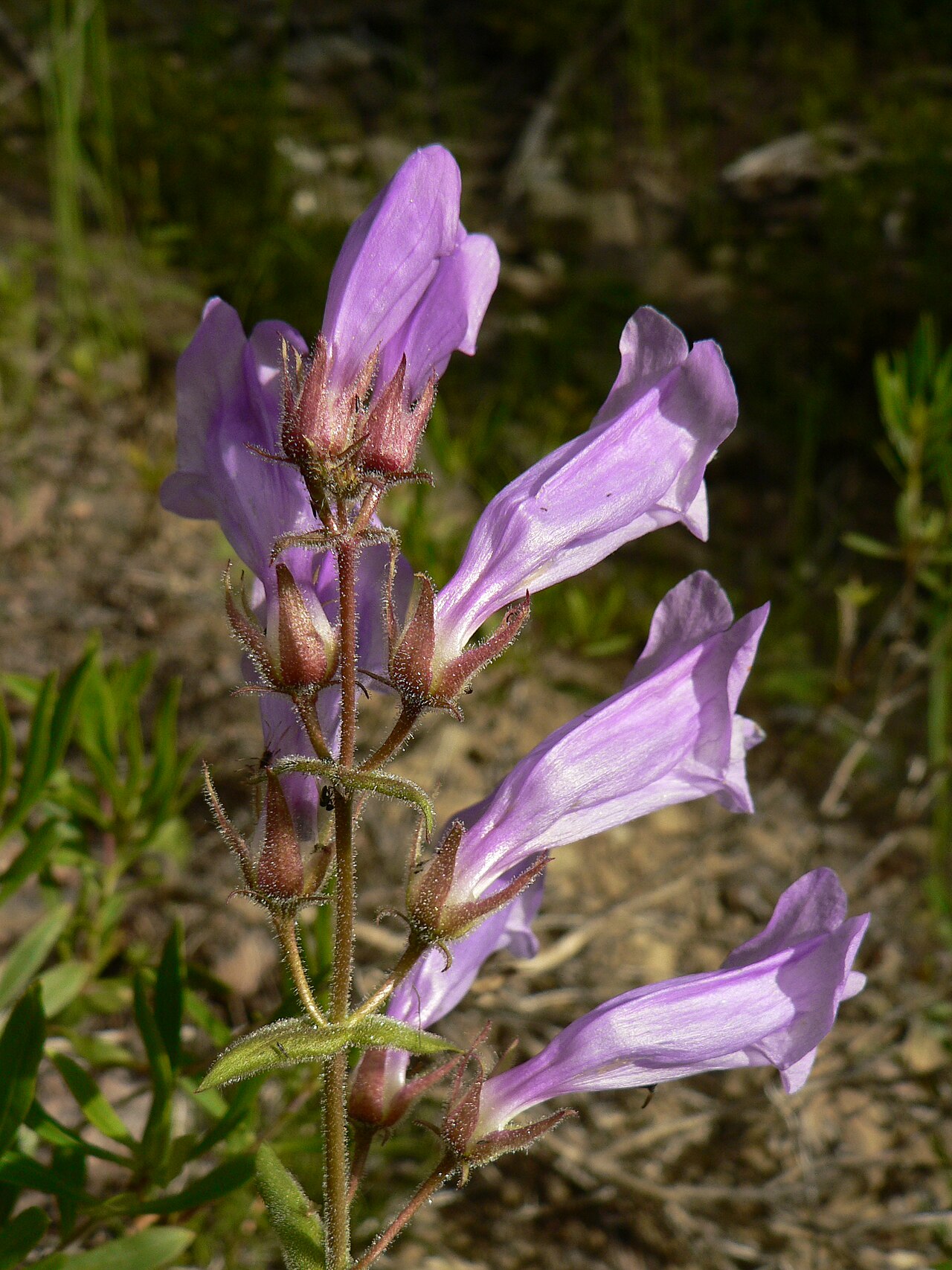
Shrubby penstemon grows in open, rocky or wooded foothill and higher-elevation sites east of the Cascades. It’s a low, semi-evergreen plant 6 to 16 inches tall with lavender flowers, and the WSU Extension Spokane list notes it needs good drainage.
UI’s soil advice for mountain gardens ties directly to water zones. For moisture-loving beds, it recommends removing rocks larger than a fist, adding at least 8 inches of compost and tilling 12 to 18 inches deep. For moderate beds it suggests 4 to 8 inches of compost, and for drought-tolerant beds only about 2 to 3 inches of compost and shallow tillage.
Band 4: Northern Valleys
North Idaho and the moister valleys of northeastern Washington are a different world. UI Extension recommends designing around existing forest where you can, and using shade-tolerant shrubs and groundcovers for texture, since many wildflowers won’t bloom well in a shady forest garden.
Kinnikinnick is a natural groundcover here. The WSU Spokane list describes a low evergreen groundcover, 2 to 4 inches tall, with pale pink bell-shaped flowers and red berries that birds eat, growing in sun or shade with good drainage. The Wildflower Center adds that it shouldn’t be fertilized or have compacted soil around it.
Add shrubs from the Spokane list that also handle part shade, such as common snowberry (3 to 4 feet, with white berries into winter) and ocean spray (8 to 15 feet, with cream flower plumes that turn tan).
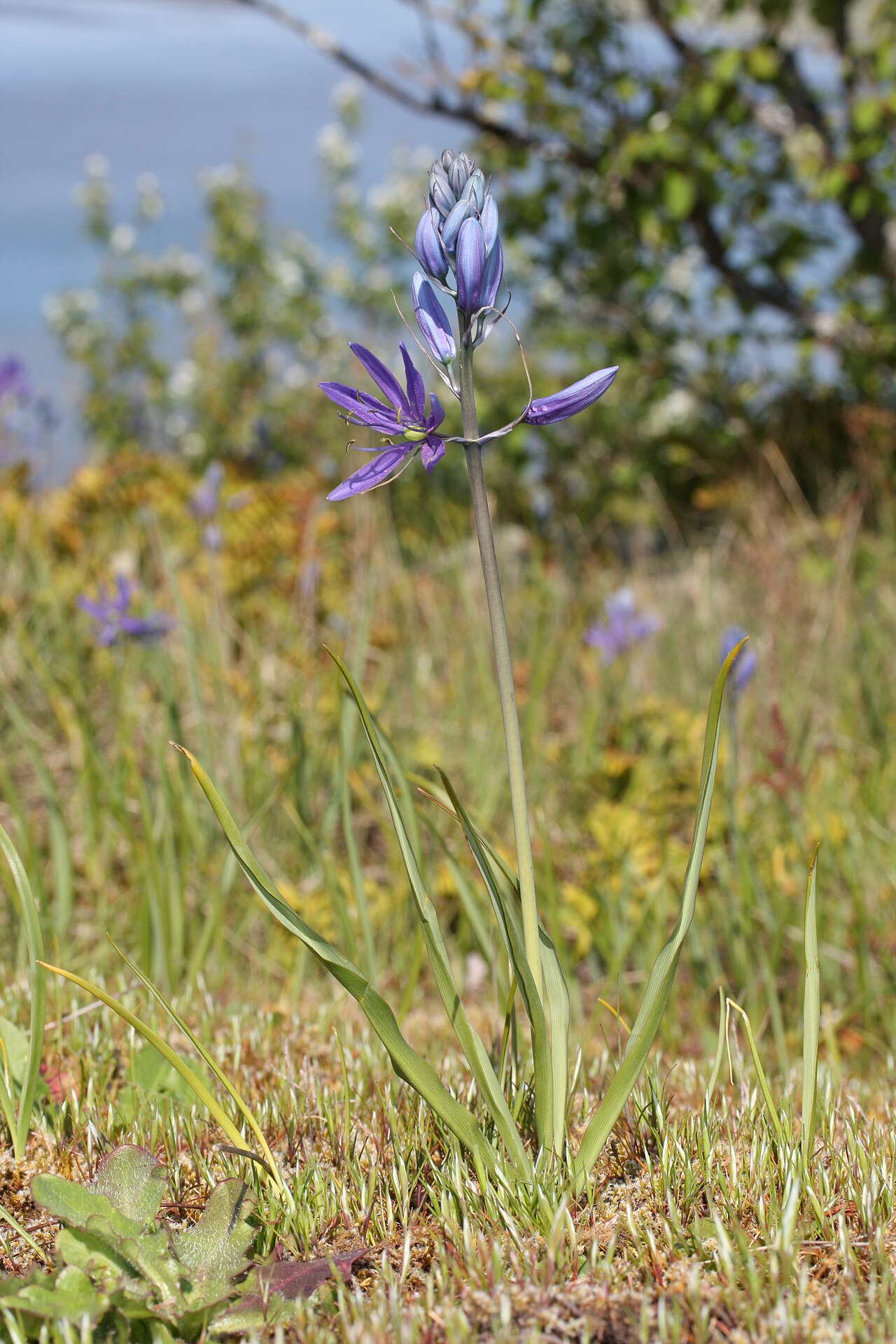
Where the soil stays wet in spring, blue camas can fill a meadow corner. The Wildflower Center lists its habitat as moist areas that are often dry by late spring, with flower spikes 1 to 3 feet tall. It goes dormant after blooming and should then get less water, but not dry out completely.
Plant Palette by Elevation Band
All plants are recorded as native to Idaho, Oregon and Washington by the Lady Bird Johnson Wildflower Center. The band column shows where each plant fits best, not every place it grows.
| Plant | Best Band and Role | Height | Sun / Moisture | Native Range |
|---|---|---|---|---|
| Big sagebrush | Dry valleys; evergreen backbone shrub | 1½–9 ft | Sun / dry | W. Great Plains west to B.C. and Baja CA |
| Bitterbrush | Dry valleys and foothills; gray shrub | Usually 4–5 ft | Sun / dry | MT to B.C., south to NM, n. AZ and CA |
| Rubber rabbitbrush | Dry valleys; late-summer yellow | To about 4 ft (UI) | Sun / dry | W. Canada to CA, TX and n. Mexico |
| Bluebunch wheatgrass | Dry valleys and foothills; matrix grass | To about 3 ft | Sun / dry | ID, OR, WA and much of the West (dry slopes and plains) |
| Sulfur buckwheat | Dry valleys to mountains; low color | 3 in to 3 ft (varies) | Sun to part shade / dry | Rocky Mountains and other cold western sites |
| Serviceberry | Watered valleys to north; tall shrub | To 20 ft (UI) | Sun to part shade / medium | S. Man. to AK, south to NE, NM, AZ and CA |
| Syringa | Watered valleys, foothills; flowering shrub | To 15 ft (UI) | Sun to part shade / low water | B.C. to c. CA, east to w. MT |
| Arrowleaf balsamroot | Foothills; spring flowers | Stems 8–24 in | Sun / dry to medium | S. B.C. to MT, east of the Cascades, south to CA and NM |
| Idaho fescue | Foothills and mountains; fine grass | 6–18 in (UI, fescues) | Sun / medium | B.C. to AB, south in mountains to c. CA and CO |
| Shrubby penstemon | Foothills and higher; edging | 6–16 in | Sun / dry | E. of the Cascades, s. B.C. to c. OR, east to MT and WY |
| Kinnikinnick | Northern valleys, pine edges; groundcover | Low mat, 2–12 in | Sun to shade / dry to moist | Circumboreal; AK and Lab., south to CA, AZ and NM |
| Blue camas | Moist meadows; spring bulb | 1–3 ft | Sun / moist in spring | B.C. to CA, east to AB, MT, WY and UT |
How to Install a Band-Matched Garden
- Install hardscape first. UI Extension recommends putting in fences, paths and sidewalks before planting, especially in dry desert landscapes.
- Set up irrigation zones before planting. Group plants by water need so dryland shrubs never share a zone with camas or serviceberry.
- Prepare soil to match the zone, not the whole yard. Use UI’s compost depths: generous for moisture-loving beds and minimal for drought-tolerant ones.
- Buy local stock. For variable species like sulfur buckwheat, ask the nursery where the seed came from and choose a source from a similar elevation and climate.
- Plant in fall or early spring so roots establish during the cooler, wetter part of the year, and water through the first summer.
The First Three Years
Maintenance Calendar
- Year 1: Water new plants through their first summer, even in dry zones. Pull cheatgrass and other annual weeds before they set seed, since young bunchgrasses compete poorly.
- Year 1, fall: Leave seedheads and grass clumps standing for winter form and wildlife.
- Year 2: Begin cutting back water in dryland zones. UI notes many established mountain natives need only a few deep waterings during the hottest part of summer.
- Year 2–3: Fill gaps with more of the same species to keep the planting coherent. Prune old sagebrush stems if needed; the Wildflower Center notes periodic pruning of old stems rejuvenates it.
- Year 3 and beyond: Reduce watering in moderate zones to the minimum that keeps plants looking good. Keep weeding, especially along edges.
Mistakes to Avoid
- Treating a state list as one palette. A plant native to Idaho may come from a wet north Idaho forest or a sagebrush basin. Check its habitat before buying.
- Overwatering dryland shrubs. Big sagebrush can develop root rot in wet soil, so keep it out of lawn and garden irrigation zones.
- Planting camas on a dry slope. It needs spring moisture and won’t thrive in a sagebrush bed.
- Amending every bed. Drought-tolerant plants need little compost and lean soil.
- Copying west-side gardens. Plants that thrive west of the Cascades often struggle in the dry interior. Use the western Oregon and western Washington list only if you live there.
📋 See the native plant list for Idaho, eastern Oregon and eastern Washington for more choices, then check each plant’s habitat and elevation against your site before buying.
Frequently Asked Questions
How do I know which elevation band my yard is in?
Look up your elevation, then look at the wild vegetation nearby. Sagebrush and bunchgrass point to the dry valley band, ponderosa pine and balsamroot to the foothills, and dense conifer forest to the northern valley band.
Can I grow sagebrush in a north Idaho garden?
It’s risky. UI Extension notes drought-tolerant high-desert plants may not survive northern Idaho’s moister conditions, and the Wildflower Center notes big sagebrush is susceptible to root rot if too wet.
Do I have to give up a lawn to plant natives in a dry valley?
No. UI Extension recommends multiple irrigation zones, so you can keep lawn and shade near the house while dryland natives grow in their own unwatered or lightly watered beds.
Why does it matter where nursery seed was collected?
Some species vary a lot across their range. The Wildflower Center specifically advises choosing sulfur buckwheat from a habitat that matches your site, and the same logic applies to other widespread species.
What native shrubs work in both foothills and watered valley yards?
Serviceberry and syringa both appear in UI’s lists for water-supplemented high desert, mountain and northern valley landscapes. They’re good bridging shrubs where two bands meet.
Sources
- University of Idaho Extension BUL 862: Landscaping with Native Plants (PDF)
- WSU Extension Spokane County C197: Native Plants for Spokane Area Gardens (PDF)
- Lady Bird Johnson Wildflower Center: Artemisia tridentata
- Lady Bird Johnson Wildflower Center: Balsamorhiza sagittata
- Lady Bird Johnson Wildflower Center: Festuca idahoensis
- Lady Bird Johnson Wildflower Center: Eriogonum umbellatum
- Lady Bird Johnson Wildflower Center: Camassia quamash
- Lady Bird Johnson Wildflower Center: Penstemon fruticosus