Idaho Fescue (Festuca idahoensis)
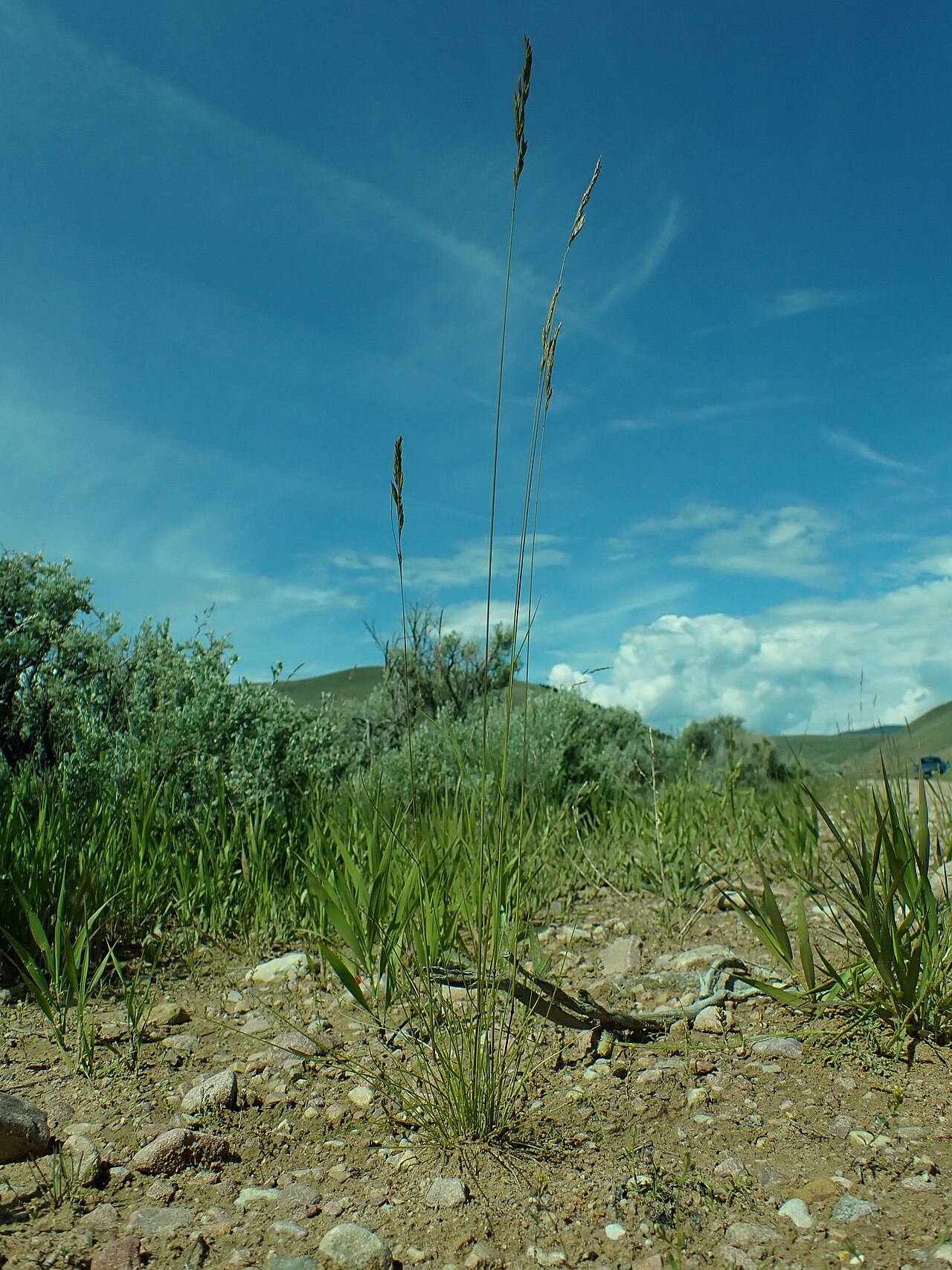
Idaho fescue (Festuca idahoensis) brings the quiet structure of western grasslands into a garden: fine leaves gathered in a dense tuft, with slender flowering stems standing well above them. Unlike a running lawn grass, it grows as a bunch. That distinction makes it useful in a small meadow, at the edge of a dry border, or between widely spaced native wildflowers. Its color varies from green to blue-green; a photograph of one blue plant should not be read as a promise that every seedling will be equally blue.
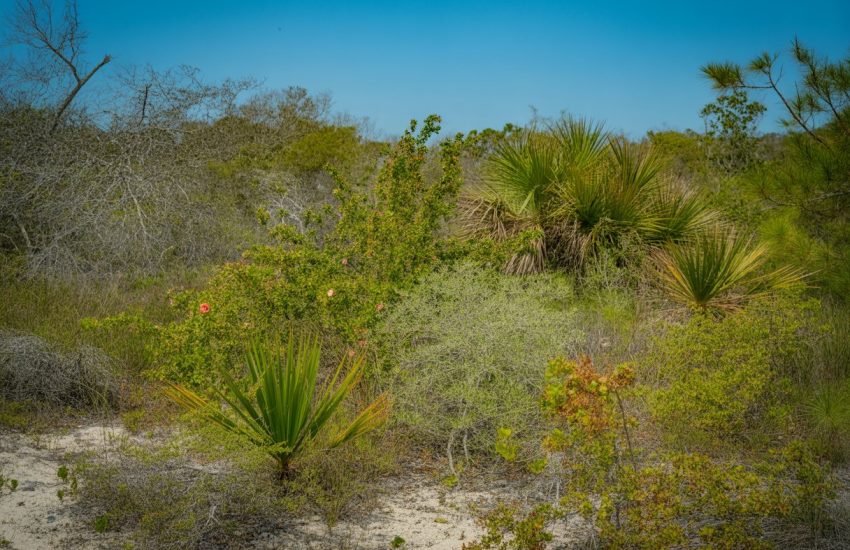
This is a cool-season perennial, adapted to making much of its growth when temperatures are moderate and moisture is available. In the inland Northwest it is associated with grasslands, sagebrush country, and open woodland, not simply with one type of desert. A garden planting succeeds when drainage, exposure, and seasonal water are considered together. A damp lawn watered every day is a different environment from an open slope that receives winter precipitation and dries gradually in summer.
For Idaho, eastern Oregon, and eastern Washington gardeners, Idaho fescue is a particularly useful structural plant because it supplies a native grass layer without the height of a large ornamental grass. Allow space for the flowering stems, however: the foliage mound is much shorter than the full plant at seed maturity. Buy nursery-grown material or labeled seed with an appropriate regional origin. Commercial mixtures labeled only blue fescue or native grass do not establish that Festuca idahoensis is included.
Identification
Crown and stems
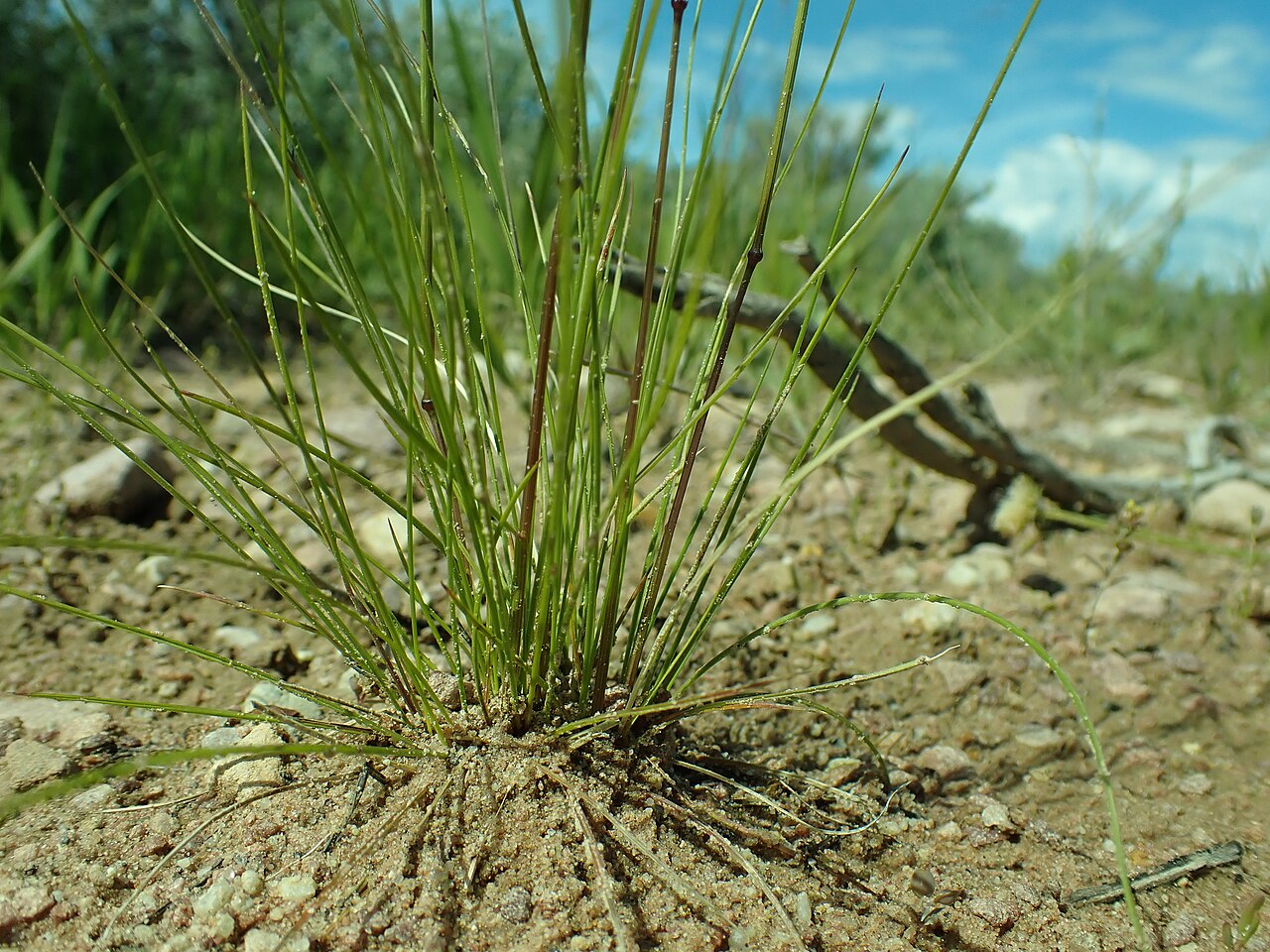
Look first at the base. Leaves and upright flowering culms arise in a concentrated bunch, with older leaf sheaths held around the crown. The plant does not make a carpet through long surface runners. Individual stems are slender and jointed. A mature tuft can carry many stalks while still leaving visible soil between neighboring plants. This bunching habit distinguishes its garden behavior from sod-forming grasses, but it is not enough by itself to identify the species.
Leaves
The fine basal blades are commonly rolled inward, creating the wiry appearance that gives the plant its texture. Their green or bluish tone changes with light, weather, and plant origin. Touch alone is an unreliable identification test because several western fescues have narrow, rough leaves. Photograph the sheath, ligule, and blade as well as the whole plant if requesting a botanical identification. Do not substitute a nursery photograph of a European blue-fescue cultivar for evidence of this species.
Flowers and seed heads
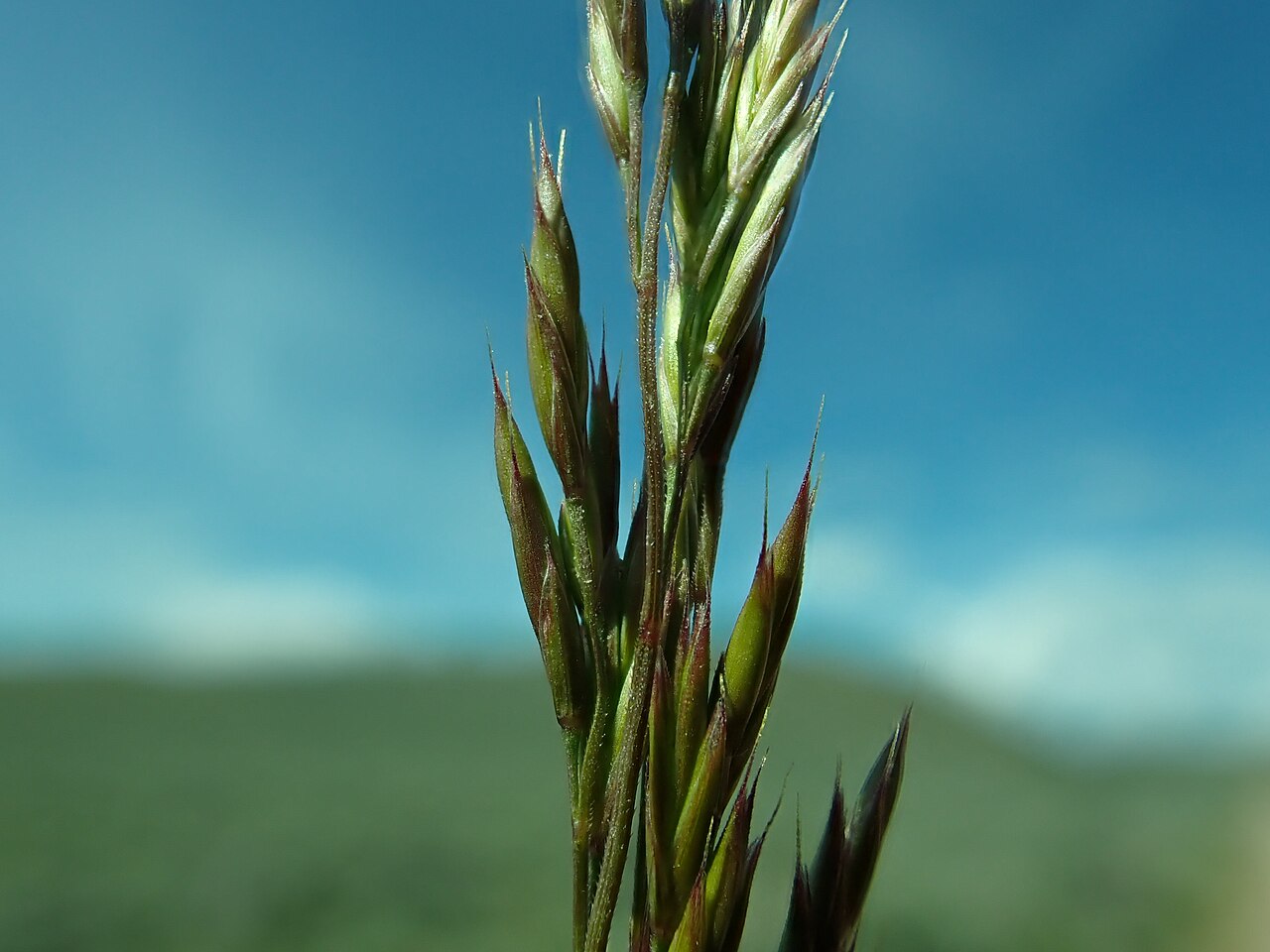
The inflorescence is a narrow panicle of small spikelets rather than a showy flower head. Spikelets contain several florets and have short awns. The panicle can appear more open at flowering and tighter at another stage, so comparing photographs taken at different dates requires care. Flowering stems commonly reach about 1–3 feet, sometimes a little more, while the basal foliage remains lower. The modest flowers are pollinated by wind, not by nectar-seeking bees.
Fruit and similar grasses
The fruit is a grass grain enclosed by the floret structures. Seed heads turn pale as they mature and add fine vertical detail long after the leaves have stopped expanding. Idaho fescue belongs to a difficult group: other fescues, including sheep fescue and regional native species, can resemble it. A confident wild identification may require a regional key and mature spikelets. Cultivation from correctly identified nursery stock is much more reliable than moving an unidentified roadside clump into a restoration.
Quick Facts
| Scientific Name | Festuca idahoensis |
| Family | Poaceae |
| Plant Type | Cool-season perennial bunchgrass |
| Mature Height | Basal foliage often 6–10 inches; flowering stems about 1–3.3 feet |
| Mature Spread | Usually a discrete tuft about 1 foot across; varies with age and site |
| Growth Rate | Moderate in cool, moist growing periods |
| Sun Exposure | Full sun to light partial shade |
| Water Needs | Dry to average, well-drained soil after establishment; not prolonged saturation |
| Soil Type | Well-drained loam, sandy loam, or rocky soil |
| Soil pH | Site-dependent; mildly acidic through mildly alkaline soils occur within its range |
| Bloom Time | Generally late spring to summer, later at elevation |
| Flower Color | Inconspicuous greenish to purplish grass florets; straw-colored seed heads |
| Fall Color | Green, blue-green, or straw-colored depending on moisture and climate |
| Fruit | Small grass grains |
| Deer Resistant | Not browse-proof; a forage plant for ungulates |
| USDA Hardiness Zones | Often grown in cold western climates; use local provenance and site suitability rather than a zone alone |
Native Range
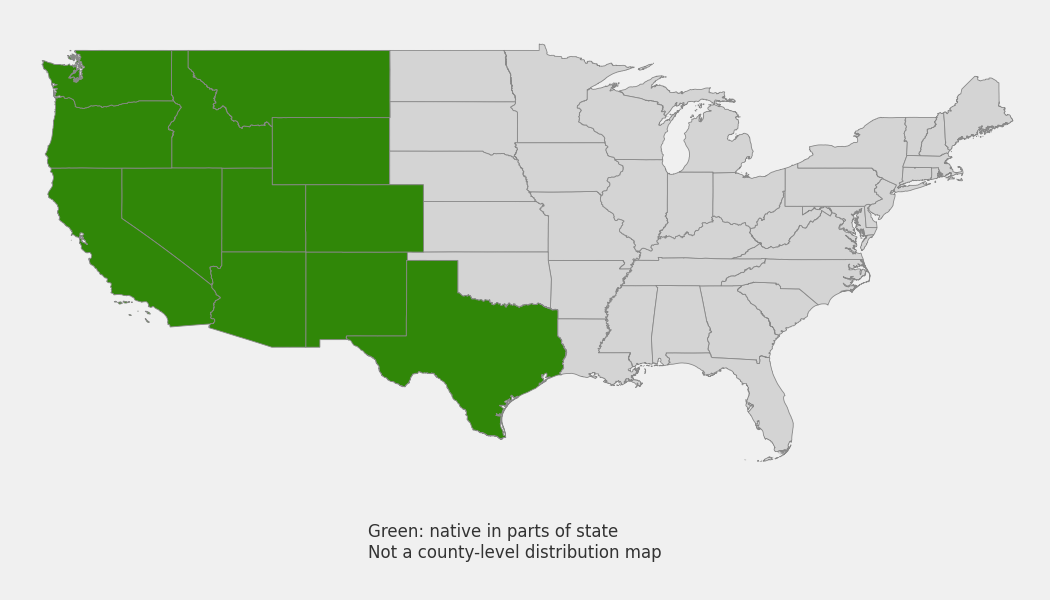
Idaho fescue is native to western North America. Its range spans the Pacific Northwest and interior mountains, with populations in California, the Great Basin, the Rockies, and parts of the Southwest. Canada also forms part of its native range. The map here summarizes confirmed broad native-state coverage; it does not say the species naturally occurs in every county or elevation within a green state.
The Forest Service describes especially broad habitat variation, from lower grasslands to high mountain sites. In the drier parts of its range, cooler aspects and soils that retain useful spring moisture can be important. A species may tolerate seasonal drought while still being absent from the hottest and driest microsites nearby. For an Idaho or inland Northwest garden, compare the proposed planting bed with local grassland or open-woodland habitat rather than assuming the same watering prescription fits the whole West.
South Dakota is omitted from this simplified map because the Forest Service review notes uncertain historical status there. The Texas occurrence described in that review is geographically limited in the western mountains; it is not a recommendation for all Texas gardens. Provincial and state range summaries are best used to choose what to investigate, with local floras and seed-zone guidance deciding whether a particular source belongs in a restoration. Cultivated occurrences are not evidence of nativity.
📋 Regional plant list: Idaho, Eastern Oregon, and Eastern Washington Native Plants
Growing & Care Guide
Light
Give Idaho fescue an open exposure for a compact bunch and an upright seed display. Light shade, especially from widely spaced trees, can work where the soil is not excessively dry from root competition. Deep shade is a poor choice for a grassland effect: plants may thin and compete poorly with surrounding vegetation. When planting near a shrub, allow for its mature shadow rather than judging the light only on installation day.
Soil and water
Prioritize drainage over richness. After watering, the root zone should become moist but not remain stagnant. During establishment, check the nursery root ball as well as the surrounding soil; a dry peat plug can sit inside apparently moist ground. Water thoroughly when needed, then permit some drying. Once rooted, reduce supplemental water to suit climate and soil. Summer browning may be a seasonal response rather than a demand for daily irrigation, but a newly planted, shallow-rooted grass still needs protection from prolonged drought.
Planting and spacing
Plant in a locally suitable cool season when roots can develop before extreme heat or frozen ground. Set the crown at its original level, not beneath a mound of compost. A spacing around 12–18 inches is a useful small-garden starting point, adjusted to the size and origin of the plants and the desired openness. Wider spacing shows individual tufts; closer planting fills more quickly but still does not produce a durable sports lawn. Keep a clear access route so people do not repeatedly step on crowns.
Pruning and maintenance
Remove loose dead leaves gently or trim tired foliage before vigorous seasonal regrowth, taking care not to cut into the crown. A severe midsummer haircut during drought can remove useful leaf area just when recovery is slow. Seed stems may be retained for texture or removed once ripe if self-sowing is unwanted. Inspect between bunches for weeds while they are small. This work is particularly valuable in the first years, before a mixed planting has developed its intended structure.
Propagation
Seed is the usual way to establish a larger planting, but buy identified seed and follow the supplier’s instructions for that lot and climate. Small seeds require good contact with the prepared surface; burying them deeply can reduce emergence. A clean, weed-reduced seedbed is more useful than heavy fertilizer. Division of cultivated bunches can be attempted during cool growing weather, keeping roots and live shoots together and watering the divisions carefully. Never harvest established wild clumps as a shortcut.
Seasonal troubleshooting
A collapsing wet crown, a tuft crowded by taller plants, and a grass simply dormant in summer can all look brown from a distance. Examine the crown and site before reacting. Persistent wetness calls for better siting, not more fertilizer; competition calls for selective thinning; a newly installed plant with a dry root ball calls for establishment watering. Record when leaves green up, when stems flower, and when dormancy begins in your garden. Those observations make next year’s care more precise.
Landscape Uses
- Repeat small groups through an inland Northwest native border for continuity without a large grass canopy.
- Combine with regionally appropriate spring and summer forbs in a designed meadow, leaving room for each plant’s mature crown.
- Use on a well-drained slope where a bunchgrass form is desirable, but obtain a restoration plan for major erosion problems.
- Frame a path with tufts set back from regular foot traffic; this is not a replacement for a heavily used lawn.
Wildlife & Ecological Value
For pollinators
Idaho fescue is wind-pollinated and does not replace nectar-producing flowers. Its best role in a pollinator planting is as part of a varied vegetation structure, with flowering forbs added for successive bloom. Avoid describing every native grass as a major nectar resource. A mixed, pesticide-free planting provides more kinds of habitat than a single-species bed, even when the grass itself has inconspicuous flowers.
Birds
Standing seed stems and bunches contribute cover and a textured foraging space at ground level. The ecological value of a garden depends on its surroundings and management as well as on the plant name. Retaining some dry stems through winter, where fire-safety guidance permits, preserves structure. In fire-prone areas, follow defensible-space recommendations rather than placing dry bunchgrass directly against buildings for the sake of wildlife.
Mammals
The species is a recognized forage grass for wild ungulates and livestock, so deer resistance should not be confused with immunity to grazing. Newly installed bunches may need temporary protection in a heavily browsed garden. A lawn mower and repeated close grazing both remove foliage; neither is an appropriate default treatment for a developing native bunchgrass meadow. Match grazing or mowing decisions to an actual management objective.
Ecosystem role
Living roots and persistent crowns help create the structure of native grassland communities. Restoration value depends strongly on avoiding weed contamination and matching plant material to the site. Invasive annual grasses can establish in the spaces between new bunches, so early monitoring matters. Do not introduce a nonnative fine-fescue mixture into a native restoration merely because its color resembles Idaho fescue.
Cultural & Historical Uses
The common name reflects a western connection, but the species is not confined to Idaho. Its botanical name, Festuca idahoensis, is the useful identifier on a nursery label. The word fescue is applied to many grasses with different origins and growth habits. Record the scientific name and seed origin in a planting plan so future maintenance does not inadvertently replace it with a different ornamental or turf grass.
Land managers value Idaho fescue as a component of western grasslands and open woodland systems. That history should not be reduced to a claim that it can be planted anywhere and then ignored. Soil disturbance, grazing pressure, invasive competition, and changes in seasonal moisture all affect a bunchgrass stand. In a home garden, the parallel lesson is to manage the space around the plant as thoughtfully as the plant itself.
This profile does not recommend Idaho fescue as a food or medicinal plant, nor does it assign unsourced cultural uses to Indigenous communities. Its most direct garden value is visible and practical: a regional grass layer, fine texture, and a seasonal rhythm suited to an appropriate western site. Choose propagated plants, preserve source labels, and leave naturally occurring stands intact.
Frequently Asked Questions
Is Idaho fescue a blue lawn grass?
It may have blue-green foliage, but it is a bunchgrass, not a spreading, wear-tolerant turf. Use it where individual tufts and seasonal seed stems are welcome, not where children, pets, or equipment will repeatedly cross it.
Why is my plant shorter than the listed height?
Foliage height and flowering height are different. The basal tuft can remain under a foot while seed stalks rise to several feet. Age, moisture, elevation, and plant origin also affect size. An 18-inch table estimate should not be treated as a fixed maximum.
Does drought tolerance mean no watering after planting?
No. Roots must first leave the nursery root ball and establish in the surrounding soil. Check moisture during the first dry season and water according to actual need; established plants can often tolerate more seasonal dryness than new plugs.
Should I fertilize it to keep it green all summer?
Do not use fertilizer as the first response to seasonal browning. Check drainage, root establishment, and the local climate. Forcing lush growth can work against the low-input seasonal pattern for which the grass was selected.
Can I collect a clump from a nearby meadow?
Use nursery-propagated plants or responsibly sourced seed instead. Digging removes established habitat and may be prohibited. It also risks moving an incorrectly identified fescue or bringing weed seeds into the garden.
Sources & Further Reading
- USDA Forest Service — Idaho fescue ecology, distribution, and management
- USDA Forest Service — plant identification guide
- USDA Forest Service — Restoring Western Ranges and Wildlands
- USDA PLANTS — Festuca idahoensis
Find Native Plants
Ask growers about nursery propagation and regional provenance. Browse our ID native plant nurseries, OR native plant nurseries, WA native plant nurseries directory for suppliers. Explore the native nursery finder.