
Top 5 Affordable Broadcast Spreader for Native Plant Nurseries: Efficient Tools for Cost-Effective Plant Care
We independently select all products and services. If you click through links we provide, Plant Native may earn a commission with no extra cost to you. As an Amazon Associate I earn from qualifying purchases.
Last updated: November 8, 2026
Broadcast spreaders make it way easier to distribute seeds, fertilizer, or soil amendments across big areas. They toss materials out in a wide, even fan, saving a ton of time and effort compared to doing it all by hand.
For native plant nurseries, the right broadcast spreader helps seeds and nutrients land exactly where you want them. That accuracy can be the difference between thriving beds and patchy growth.
Nurseries working with native plants need spreaders that can handle all sorts of granular materials. Some of those seeds are tiny and delicate, so a gentle but thorough spread matters.
You’ll want to look at size, hopper capacity, and how easy it is to tweak the settings. If a spreader lets you control flow rate and width, it’s a win. Durability and comfort count too—nursery work is tough on tools and people.
When you’re picking a broadcast spreader, pay attention to how much it holds, how evenly it spreads, and whether you can dial in the settings for different seed types. Mobility and build quality make a difference, especially if the ground is bumpy or soft.
We tried out a bunch of affordable spreaders to see which ones really deliver solid results without blowing up your budget.
Best Affordable Broadcast Spreaders for Native Plant Nurseries
Here are the top broadcast spreaders that balance price and performance for native plant nurseries. These models give you reliable spreading without costing a fortune.
They help keep soils healthy and get the job done fast. Check out our picks for affordable, functional spreaders below.
Our top pick
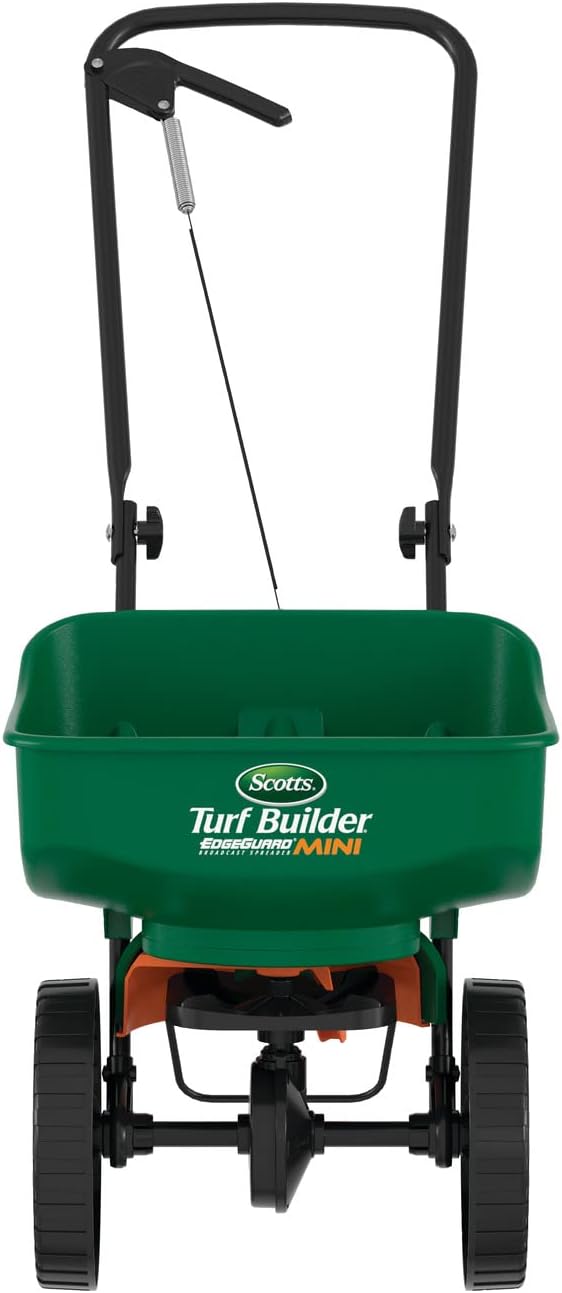
- EdgeGuard side shield keeps product off beds, paths and driveways
- Comes pre-calibrated with no assembly required
- Fold-down handle for compact storage
Cons
- Capacity tops out at about 5,000 sq. ft. per fill
- Rinse after spreading salt or ice melt to limit wear
- Settings are calibrated for Scotts products, so other seed needs trial runs
Bottom line: A compact, ready-to-use push spreader for smaller nursery beds where EdgeGuard helps keep seed and fertilizer away from areas you want to protect.
Best runner-up
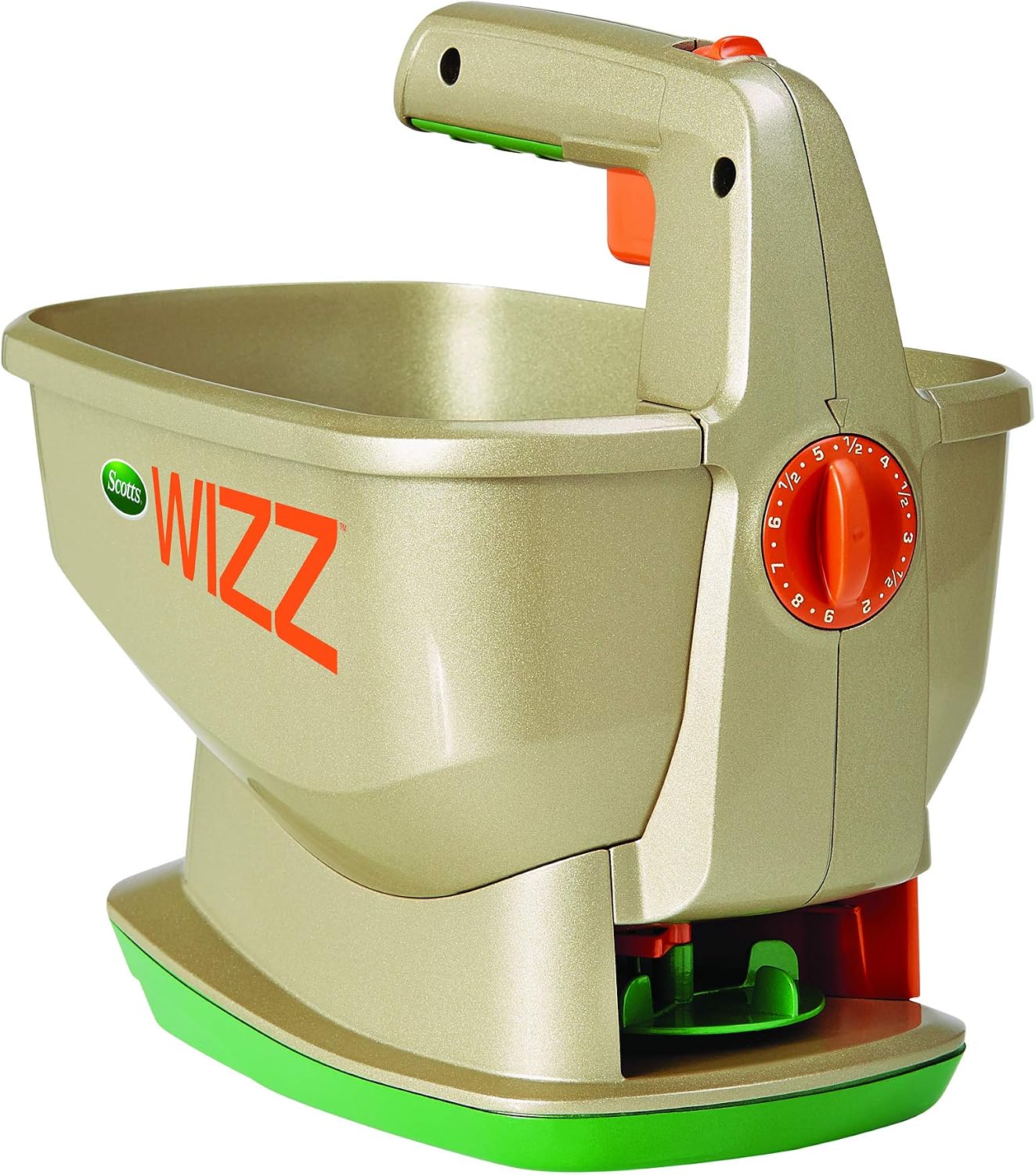
- Super light and easy to carry
- EdgeGuard technology helps keep product on target
- One-touch operation with no cranking
Cons
- Runs on AA batteries that need replacing
- Small hopper means frequent refills
- Handheld size suits spot work, not large beds
Bottom line: A lightweight, trigger-style spreader for spot-seeding and feeding small nursery areas without hand-cranking fatigue.
Best budget option
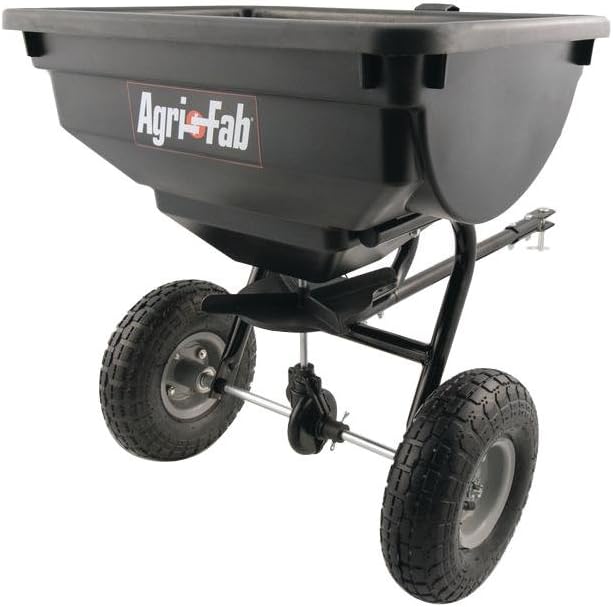
- Alloy steel frame
- Tows behind a lawn tractor, with on/off control reachable from the seat
- 85-lb hopper means fewer stops to refill
Cons
- Some assembly required (a video guide is available)
- Needs a tractor or riding mower to tow
- Model 45-0530-131 now replaces 45-0530
Bottom line: A basic, sturdy tow-behind spreader with good capacity at a fair price for nurseries that already have a lawn tractor.
Best premium choice
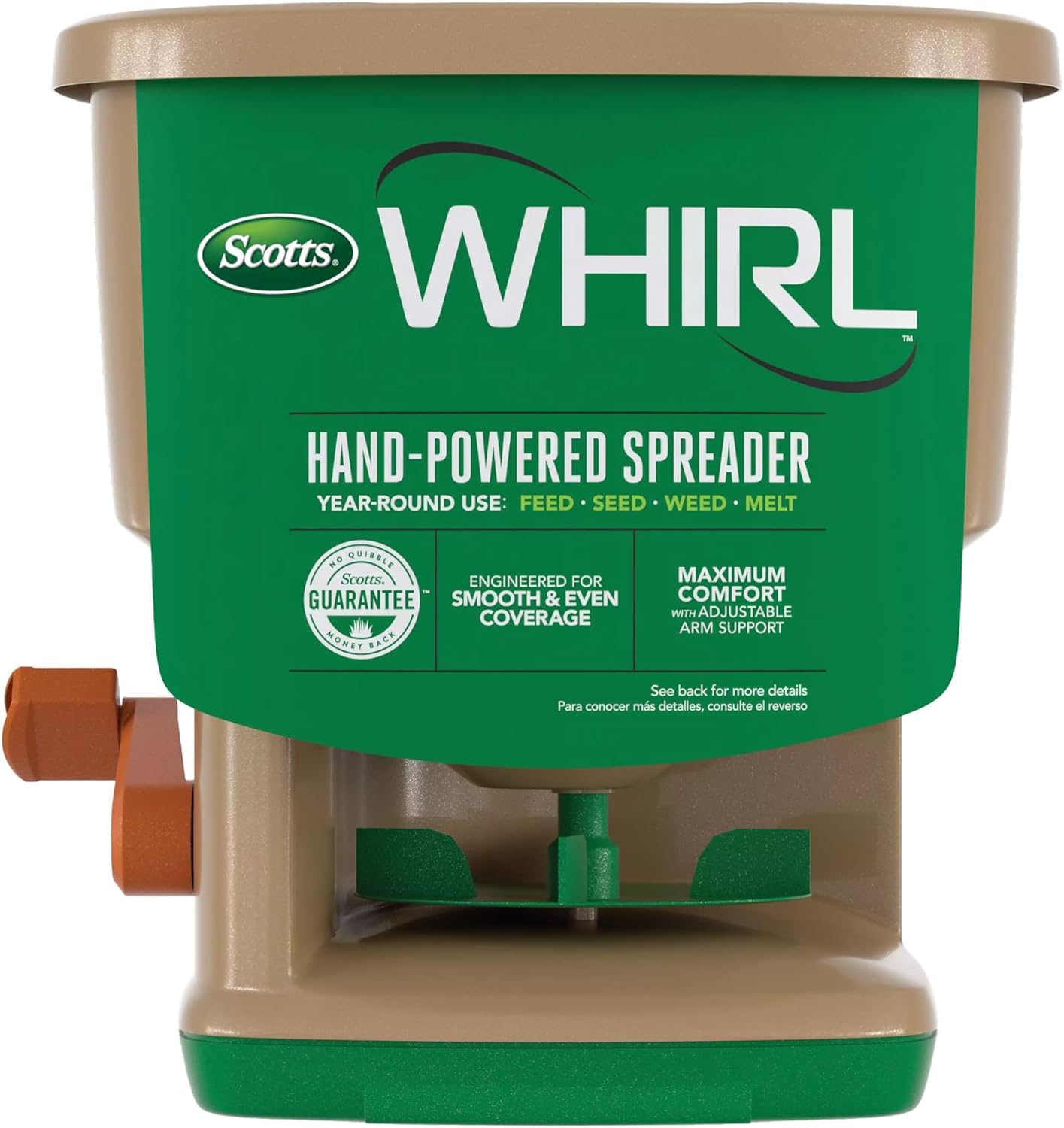
- Adjustable arm support for comfort
- Engineered for smooth, even coverage
- Light 1.2 lb poly body
Cons
- Not meant for areas over 1,500 sq. ft.
- Hand-cranking takes effort on long jobs
- Frequent refills on bigger beds
Bottom line: An inexpensive, comfortable hand spreader for small beds and spot work; step up to a push or tow model for larger areas.
Also great
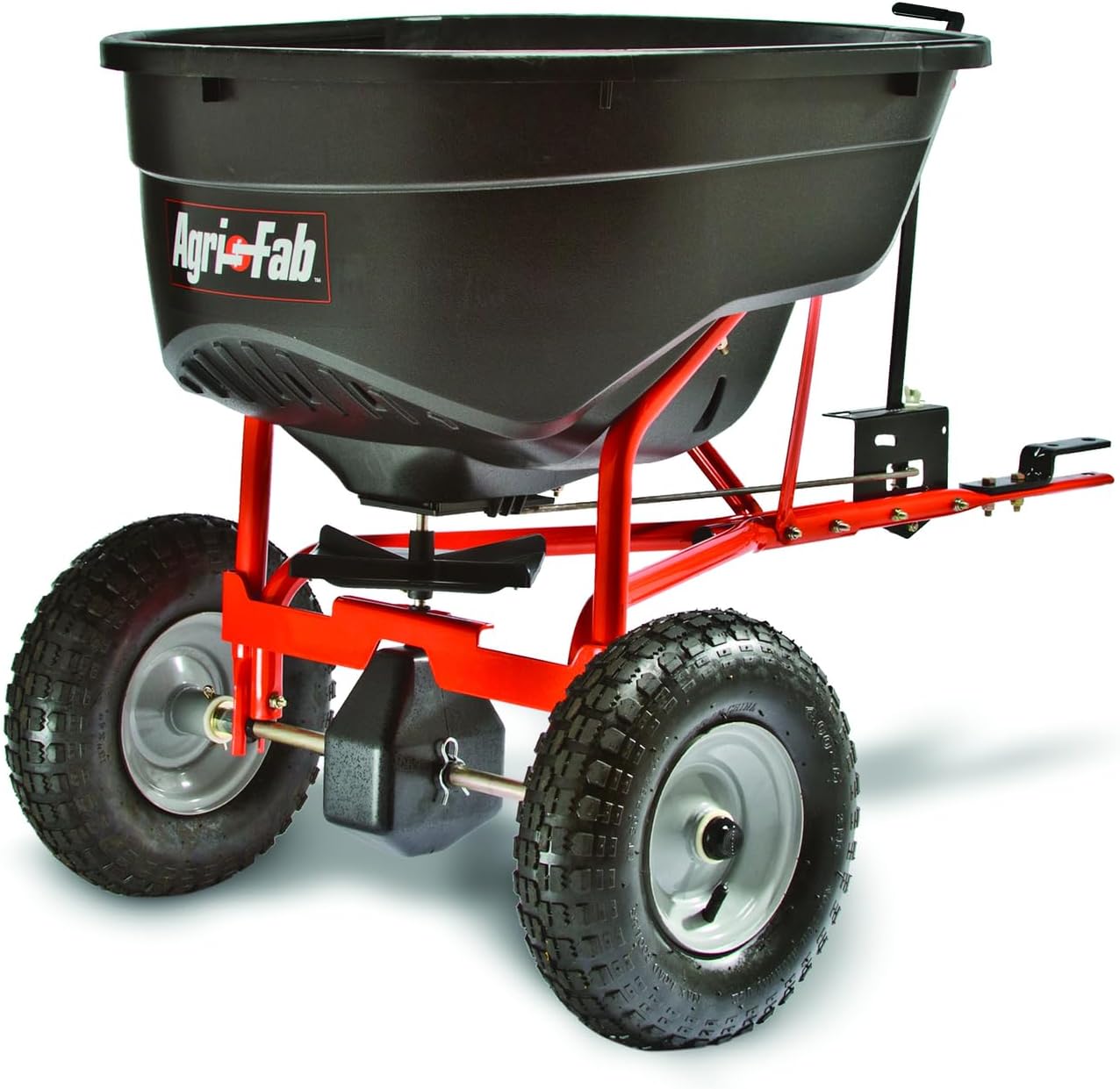
- Huge 130-lb hopper covers half an acre in one go
- 13 x 4 in pneumatic tires handle bumps and rough patches
- 1 in steel tubing and an enclosed gear housing
Cons
- Assembly takes time and patience
- Bare metal parts need care to prevent rust
- Needs a tractor or riding mower to tow
Bottom line: A practical high-capacity choice for larger nursery fields that need fewer refills and wide, even coverage.
Choosing the right broadcast spreader for a native plant nursery isn’t as simple as grabbing the first one you see. You want something that balances durability, ease of use, and—maybe most important—precision in how it spreads seed.
Capacity matters. Bigger hoppers mean fewer refills, but they can get heavy fast.
Pick a size that matches the area you’re working with. There’s no sense lugging around extra weight if you don’t have to.
Settings and controls really shape how much seed you put down. Adjustable flow controls help you dial in the right amount, and that’s huge for native plants, since they often need pretty specific seeding rates.
Mobility isn’t just a buzzword. If you’ve ever pushed a spreader with lousy wheels or a clunky handle, you know how much it slows you down—especially on rough or soft ground.
Material quality makes a difference over time. Corrosion-resistant parts, whether plastic or metal, hold up better against the elements and all those fertilizers and seeds you’ll be tossing around.
Don’t forget about seed compatibility. Some spreaders just work better with certain seed sizes, so it’s worth checking your seed specifications before you buy.
Buying Guide
Choosing the right broadcast spreader for a native plant nursery isn’t as simple as grabbing the first one you see. You want something that balances durability, ease of use, and—maybe most important—precision in how it spreads seed.
Capacity matters. Bigger hoppers mean fewer refills, but they can get heavy fast.
Pick a size that matches the area you’re working with. There’s no sense lugging around extra weight if you don’t have to.
Settings and controls really shape how much seed you put down. Adjustable flow controls help you dial in the right amount, and that’s huge for native plants, since they often need pretty specific seeding rates.
Mobility isn’t just a buzzword. If you’ve ever pushed a spreader with lousy wheels or a clunky handle, you know how much it slows you down—especially on rough or soft ground.
Material quality makes a difference over time. Corrosion-resistant parts, whether plastic or metal, hold up better against the elements and all those fertilizers and seeds you’ll be tossing around.
| Feature | What to Look For | Why It Matters |
|---|---|---|
| Capacity | Size matching job scale | Fewer refills, less downtime |
| Adjustability | Flow rate and spread width controls | Precision in seed application |
| Durability | Rust-resistant, sturdy construction | Long-term reliability |
| Mobility | Large, durable wheels and ergonomic grip | Easier to maneuver in nurseries |
Don’t forget about seed compatibility. Some spreaders just work better with certain seed sizes, so it’s worth checking your seed specifications before you buy.
Glad I found this.
Thank you for reading, Andrew! Happy planting! -Plant Native Team