When to Plant Milkweed in North Carolina for Optimal Growth and Monarch Support
Last updated: August 28, 2026
Milkweed is essential for supporting monarch butterflies and adds real value to North Carolina gardens. Figuring out the right time to plant it makes a big difference for growth and local pollinators.
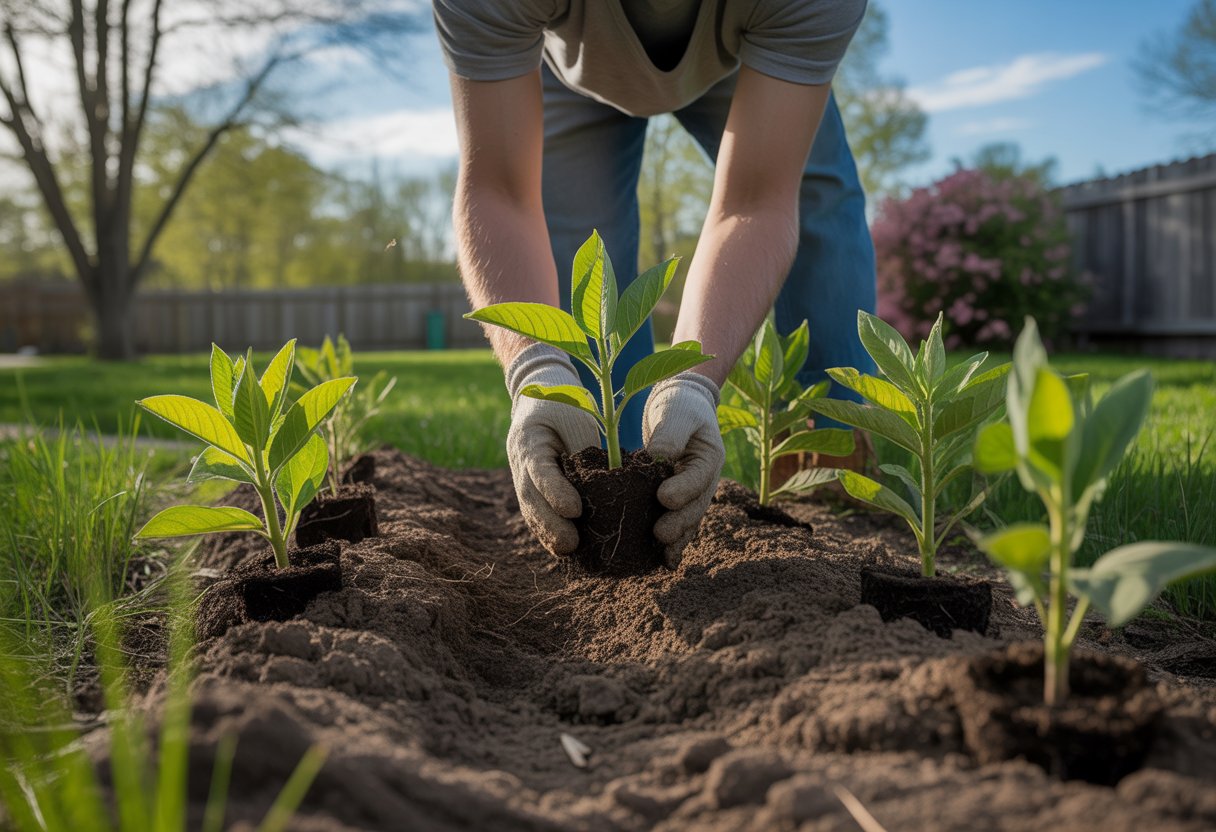
In North Carolina, plant milkweed in early spring—usually between mid-March and early April, once the last frost is over. This gives the plants a head start before the heat rolls in.
Planting too early can leave seedlings vulnerable to frost. Wait too long, and they just don’t have enough time to get going before summer.
Optimal Planting Times for Milkweed in North Carolina
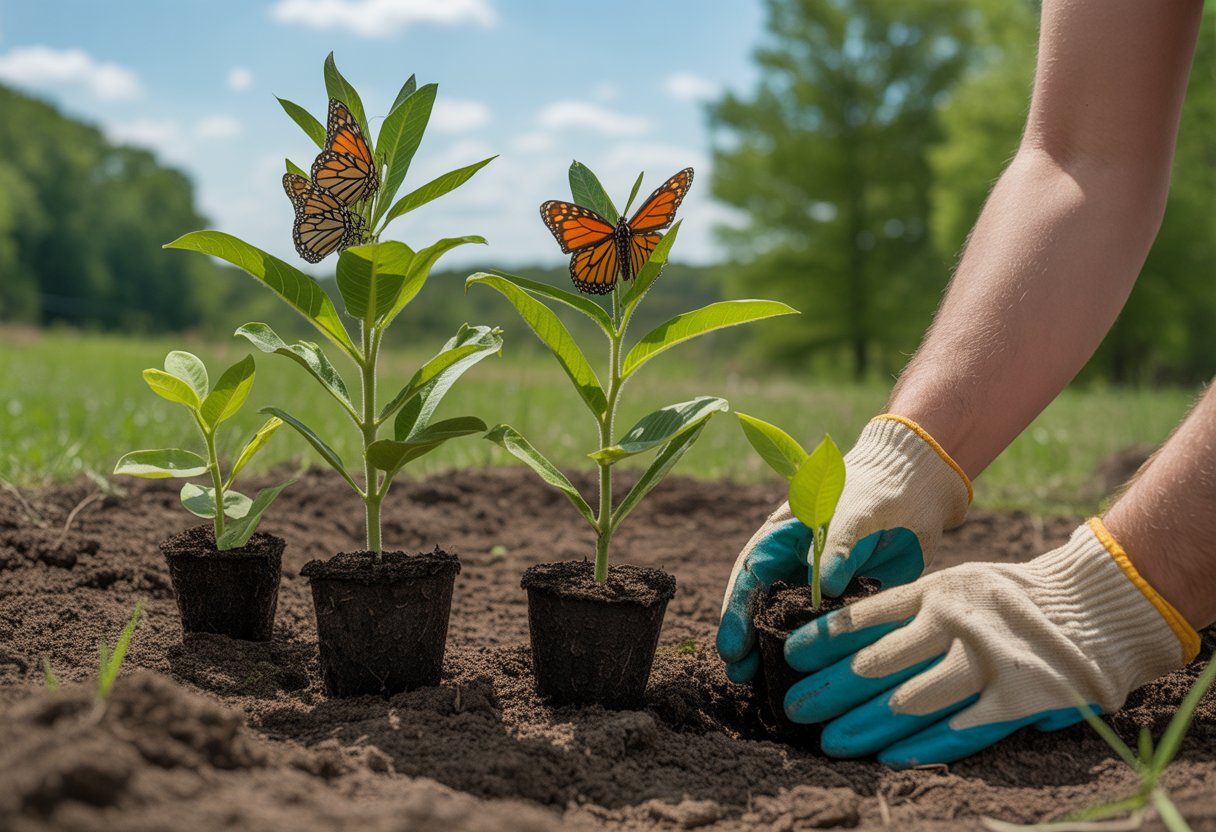
Getting the timing right helps milkweed thrive and keeps pollinators happy. Climate, temperature swings, and soil conditions all come into play for seed germination and perennial growth.
Understanding North Carolina’s Climate
North Carolina’s climate isn’t the same everywhere—mountains in the west stay cooler, while the coastal plains heat up fast. Winters are usually mild, but summers can get pretty steamy.
Frost dates matter a lot. In the west, the last frost usually hits around mid-April, while the coast can be frost-free by late March.
Milkweed loves soil temps above 55°F for sprouting. Warmth and steady moisture after frost help roots take hold and keep seedlings from dying off.
Best Planting Windows by Region
In the mountains, mid-April to early May works best for planting milkweed. By then, the soil’s warmed up and frost isn’t much of a threat.
For the Piedmont, try to plant between late March and mid-April. That way, the soil’s ready, and young plants won’t dry out too soon.
Along the coast, you can start as early as late February or early March. Just keep an eye out for surprise cold snaps—weather can be weird sometimes.
Factors Affecting Planting Success
Soil moisture is huge. Milkweed seeds need steady moisture for about two weeks after planting, so a good rain or a little irrigation really helps them sprout.
Native species handle local weather pretty well, but climate change—think weird rain patterns or heat waves—can throw things off. Sometimes, you might need to adjust your planting time to match what’s actually happening outside.
Pick a sunny spot with well-drained soil. Avoid low, soggy spots—standing water can wreck young plants.
Selecting the Right Milkweed Varieties
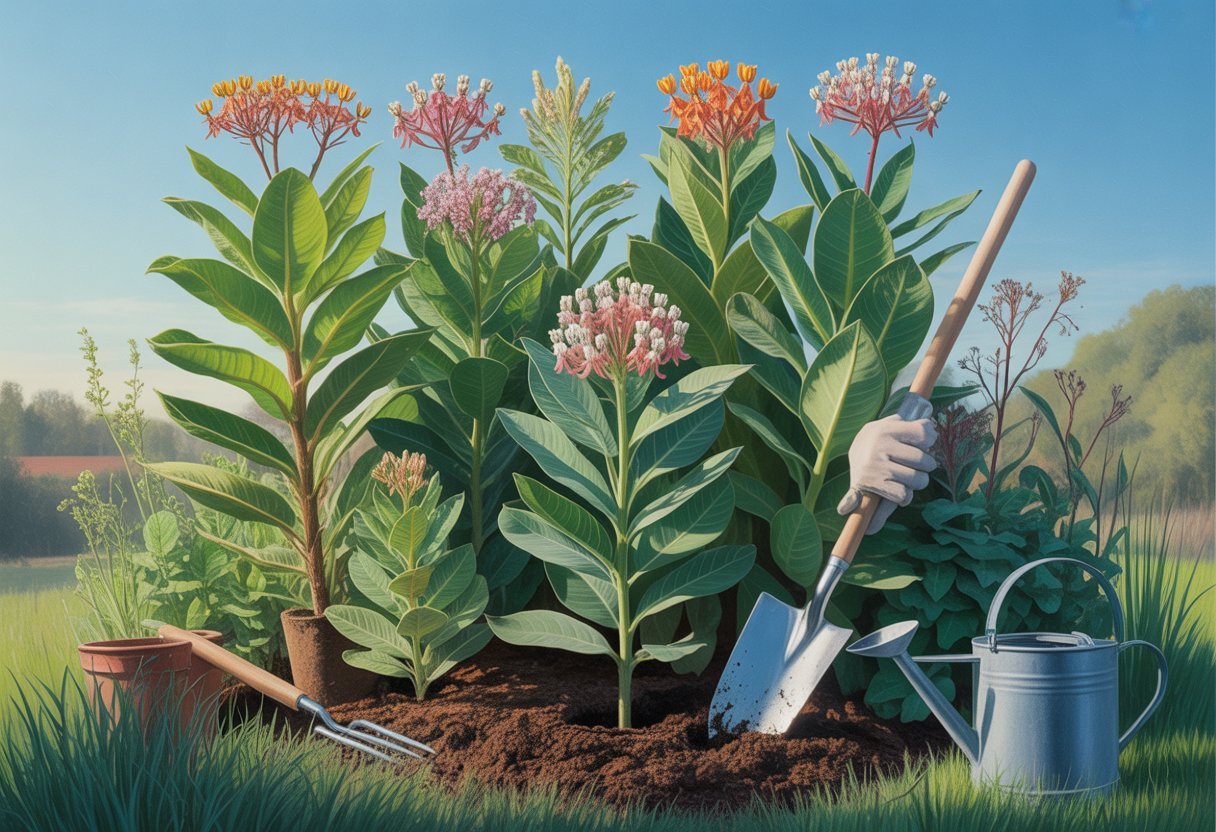
Picking the right milkweed species and planting method really matters. Think about each plant’s lifecycle and how it fits with North Carolina’s weather. Choosing between native species and non-natives affects both butterflies and your local ecosystem.
Native Species for North Carolina
Native choices like Asclepias incarnata (swamp milkweed), Asclepias tuberosa (butterfly weed), and Asclepias syriaca (common milkweed) handle North Carolina’s conditions well. Monarchs rely on these as host plants.
Swamp milkweed likes wet feet, while butterfly weed prefers dry, sandy spots. Common milkweed is pretty adaptable but does well in disturbed soils.
Non-native options like Asclepias curassavica (tropical milkweed) usually aren’t a great idea—they can mess with monarch migration. Stick with native Asclepias spp for the best results.
Annuals vs. Perennials
Most milkweeds are perennials, coming back year after year. Perennials like showy milkweed and common milkweed offer steady monarch support without constant replanting.
Annual milkweeds are rare and need reseeding every season. Perennials build stronger roots and handle North Carolina’s ups and downs better.
If you want less work and more monarchs, go with perennials. Still, tossing in a few annuals for variety isn’t a bad idea.
Choosing Between Seedlings and Seeds
Planting seedlings means you get flowers sooner and usually lose fewer plants. Direct-seeded milkweed can struggle—animals eat the seeds, and germination is slow.
Starting from seed costs less and lets you cover more ground. Just be patient, since milkweed seeds often need cold stratification to wake up.
If your site gets a lot of foot traffic or is prone to erosion, seedlings are probably the way to go. For big monarch gardens, seeds help you fill space without breaking the bank.
Planting and Growing Milkweed Successfully
Good milkweed growth depends on where you plant it, how you prep the soil, and how you care for it. You’ll also need to watch for pests and diseases, and keep up with basic maintenance.
Site Preparation and Soil Requirements
Milkweed likes well-drained soil that isn’t too rich. Sandy or loamy spots work best—think rain gardens or woodland edges where water doesn’t sit.
Butterfly milkweed, for example, needs full sun and grows 2 to 3 feet tall. Aim for soil pH between 6.0 and 7.5. Clear out weeds and debris, since milkweed doesn’t compete well with aggressive plants.
If you’re planting from seed pods, scarify or soak the seeds to help them sprout. Skip herbicides and pesticides near milkweed—they’ll hurt both the plants and butterflies.
Planting Techniques and Care
You can plant milkweed as seeds or seedlings. Seeds do better if you cold-stratify them for 30 to 60 days—just pop them in the fridge with a little moisture.
Sow seeds about ¼ inch deep, spacing them 12 to 18 inches apart. Water gently but regularly for the first few weeks to keep the soil damp but not soggy.
Once milkweed is established, it’s pretty drought-tolerant. Mulch helps lock in moisture and slow down weeds. Cut back dead stems in late fall to get healthier plants in spring.
Managing Pests and Diseases
Milkweed usually holds up well, but aphids—especially oleander aphids—can be a headache. Blast them off with water or use insecticidal soap.
You might see milkweed bugs or spider mites, but they rarely do much harm. Don’t use broad-spectrum pesticides—they’ll kill good bugs, too.
Leaf spot and rust are the main diseases to watch for. Plant milkweed where air circulates and avoid overhead watering. If you spot infected leaves, pull them off and toss them.
Encouraging Healthy Growth
Milkweed does best in sunny, open spots and can reach 2 to 4 feet tall, depending on the species. Thin out seedlings so they’re not crowded—stronger plants grow better.
Mixing in sage or other native perennials helps pollinators and adds diversity. Skip the herbicides around milkweed, or you’ll risk damaging your plants.
Cutting stems back after seed pods form encourages new growth and keeps milkweed from popping up where you don’t want it. Keep an eye on soil moisture and sunlight all season for the healthiest plants.
The Ecological Importance of Milkweed
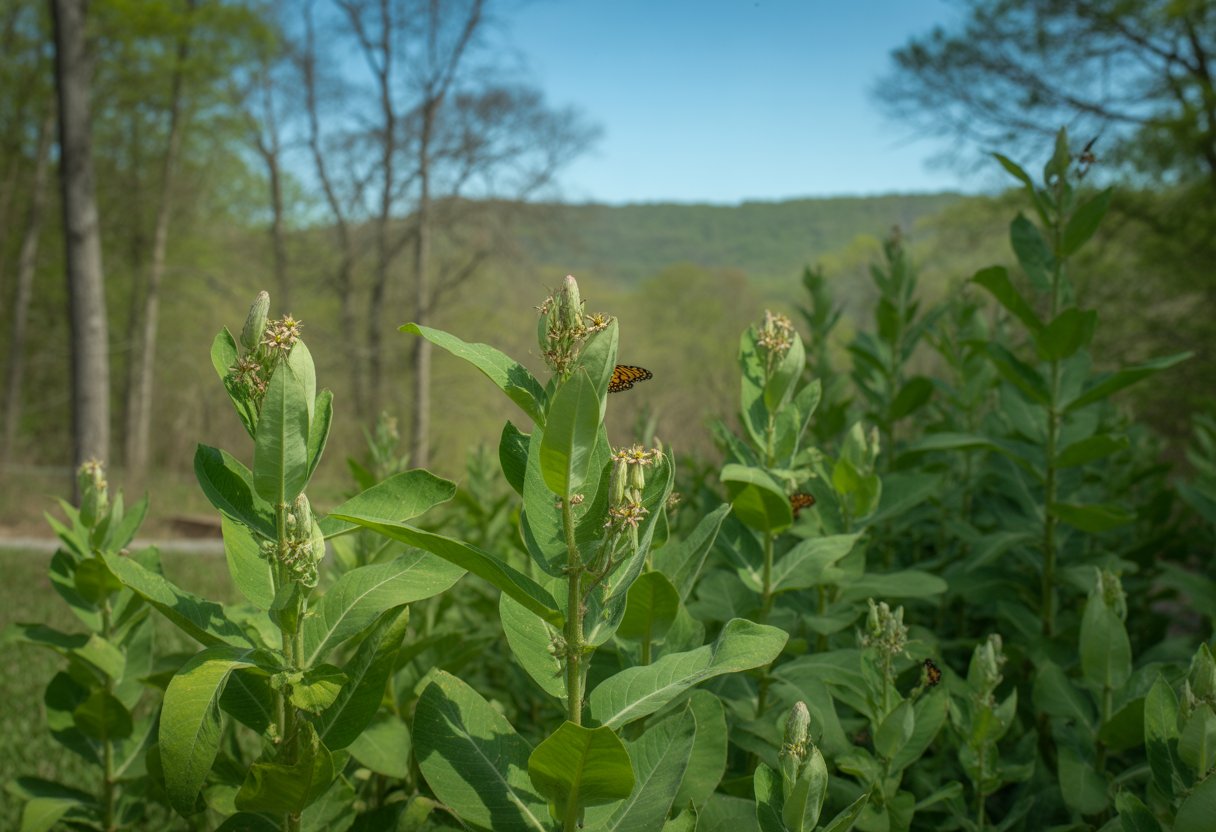
Milkweed is more than just a pretty plant—it’s a lifeline for pollinators and a key piece of local ecosystems. Monarch butterflies, in particular, depend on it, but plenty of other species benefit, too.
Support for Monarch Butterflies and Pollinators
Monarch caterpillars eat only milkweed, getting nutrients (like cardiac glycosides) that make them taste bad to predators. Monarchs lay their eggs on milkweed so the caterpillars can munch right away.
Adult monarchs also sip nectar from milkweed flowers, fueling their long migration to Canada. Hummingbirds and native bees love the nectar, too.
Milkweed blooms through summer, offering steady nectar when other flowers might not. That’s a big deal for pollinator diversity in North Carolina.
Role in Butterfly Gardens and Habitats
Milkweed is at the heart of butterfly gardens that support monarchs. Butterfly weed (Asclepias tuberosa) is common in North Carolina and draws in both adult monarchs and other pollinators with its bright flowers.
Planting milkweed lets monarchs complete their whole life cycle in your garden. It also gives shelter and breeding spots to all sorts of insects.
Gardeners should watch out for Ophryocystis elektroscirrha (OE), a parasite that affects monarchs. Rotating milkweed patches helps keep OE levels down. Well-cared-for milkweed habitats can really boost monarch survival rates.
Conservation and Local Biodiversity
Conservationists are working to bring back milkweed, hoping to help monarch numbers recover. Habitat loss and pesticides have really taken a toll.
Bringing native milkweed back doesn’t just help monarchs. It’s a lifeline for all sorts of insects that depend on it.
Milkweed matters for more than just pollinators. It weaves together a web of relationships among plants, bugs, and, honestly, the whole local ecosystem.
North Carolina’s environment leans on these connections. When milkweed thrives, you can almost feel the balance coming back.
Some programs get people planting milkweed in their own yards. They spark conversations about what’s at stake and nudge folks toward more sustainable landscaping.
By planting milkweed, we give pollinators a fighting chance. Maybe it’s not a cure-all, but it’s a start.