Troubleshooting yellowing leaves: Effective solutions to restore plant health
Last updated: September 8, 2026
Yellowing leaves can mean a lot of things for plants—sometimes it’s too much water, sometimes not enough nutrients, or maybe there’s a sneaky pest lurking around. Figuring out the real reason behind yellowing leaves is your best shot at getting your plant health back on track.
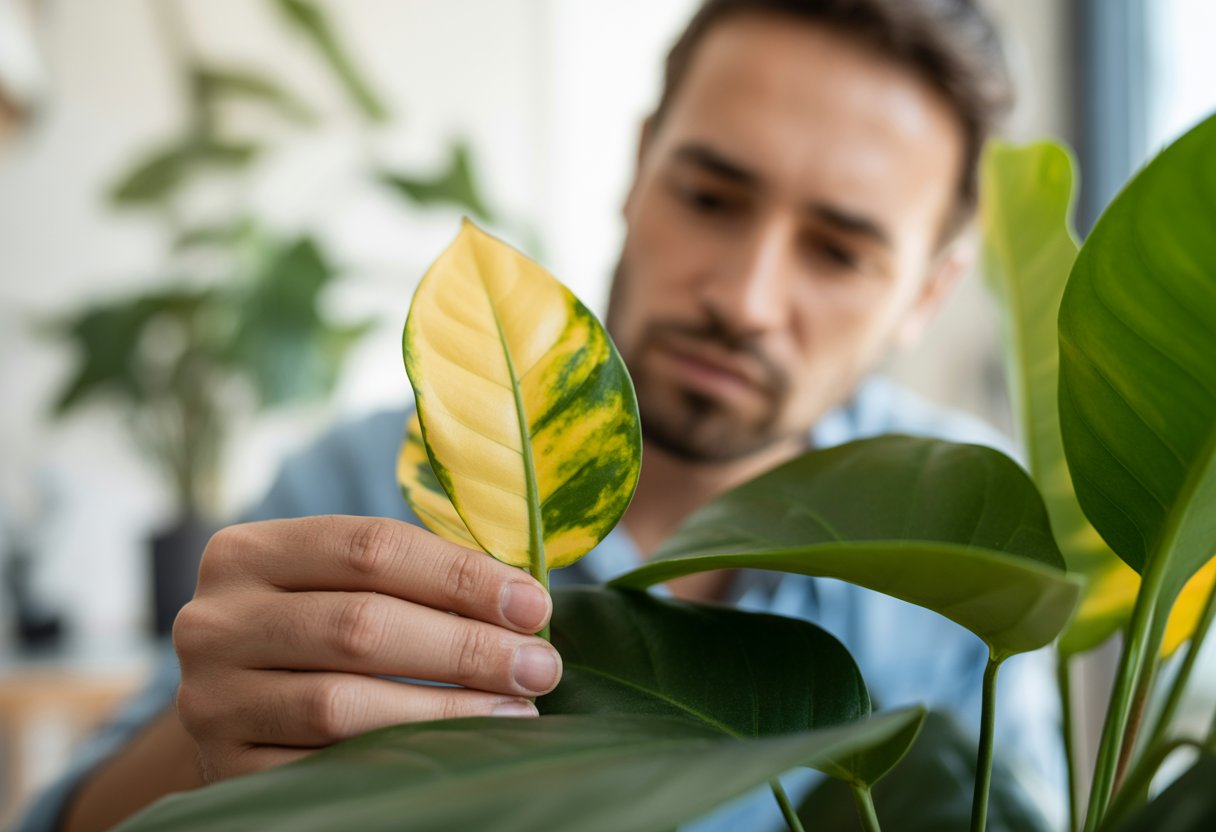
When leaves turn yellow, it’s usually a red flag for stress. You’ll want to figure out if the problem is environmental, nutritional, or maybe something biological.
A lot of gardeners run into this, honestly. If you know what to look for, you can usually fix it pretty fast.
Let’s dig into why leaves yellow and what you can do about it.
Common Causes of Yellowing Leaves
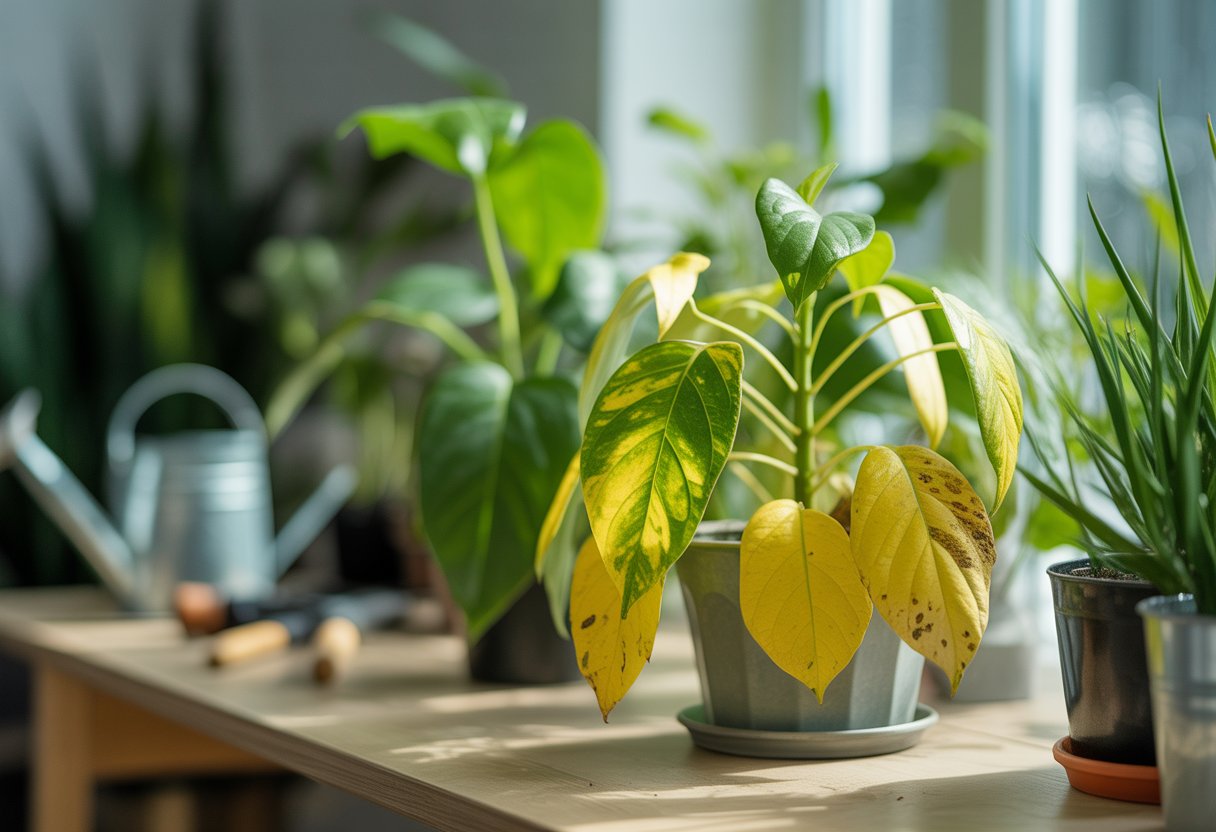
Most of the time, yellowing leaves point to something off with plant health or the environment. You really need to look at things like nutrients, watering, and light.
Nutrient Deficiencies
Yellow leaves often mean chlorosis, which usually happens when plants don’t get enough nutrients. Nitrogen deficiency is a classic example—older leaves go yellow all over since nitrogen moves around inside the plant.
Iron deficiency is another one. You’ll see yellowing between the veins but the veins stay green, especially on new growth. This pops up a lot in alkaline soils where iron is just harder for plants to grab.
Other nutrients matter too:
- Magnesium deficiency: Yellowing creeps in from the edges, but veins often stay green.
- Potassium deficiency: Margins yellow, sometimes with crispy brown edges.
- Sulfur deficiency: Looks a lot like a nitrogen problem, but new leaves get hit first.
- Zinc and phosphorus deficiencies: Not as common, but they can make leaves pale and stunt growth.
If you keep fertilizer balanced and test your soil now and then, you’ll dodge most of these issues.
Watering Issues
Both overwatering and drought can make leaves yellow. Too much water drowns roots, blocks oxygen, and leads to root rot, which messes with nutrient uptake.
On the flip side, drought dries everything out and makes it hard for plants to move nutrients. Bad drainage just makes overwatering worse by trapping water at the roots.
Look for these signs:
- Overwatered plants usually get pale, yellow leaves at the bottom.
- Drought-stressed plants wilt and yellow all over.
- Roots get soft or mushy when there’s too much water.
If you water the right amount and make sure your soil drains well, you’ll avoid a lot of headaches.
Light and Shade Factors
Light’s a big deal for leaf color. Not enough light? Leaves weaken and yellow because photosynthesis slows down and there’s less chlorophyll.
Some plants get yellow in too much shade, while others scorch and turn yellow or brown if they sit in direct, harsh sunlight.
Plants that love sun need lots of it to stay green. Shade lovers can turn yellow if they get blasted by too much light.
Matching light levels to what your plant actually wants is key.
Identifying Underlying Problems
Yellowing leaves often tie back to something going on with the plant’s health, whether you can see it on the leaves or it’s hidden in the soil. Spotting patterns in the yellowing and checking the soil can really help you zero in on the cause.
Diagnosing Leaf Symptoms
The way leaves yellow can tell you a lot. If the edges or tips go yellow but the veins stay green, you might be looking at a nutrient deficiency, like low potassium.
If the veins yellow but the rest of the leaf stays green, iron chlorosis is probably the problem—especially in evergreens in high pH soils. When older leaves turn yellow all over, that usually means nitrogen is running low.
Patchy yellow spots or wilting with yellowing? That could be root rot or pests. Pay attention to whether new or old leaves go yellow first; it can help you figure out if the issue is all over or just in one spot.
Checking Soil and Drainage
Soil makes a huge difference. Compacted soil chokes roots and blocks nutrients, turning leaves yellow. If your soil pH is above 7.5, lots of plants will struggle with chlorosis.
Bad drainage is a killer—roots rot, leaves yellow, and the plant just can’t recover. Standing water suffocates roots. Mixing in organic matter or using raised beds can help water drain better.
If you check soil moisture regularly, you’ll catch problems before they get out of hand.
Effective Solutions and Prevention
Fixing yellow leaves means staying on top of nutrient management, pest control, and just plain good care. Each piece matters if you want healthy, green leaves.
Proper Fertilizer Use
Picking the right fertilizer can keep leaves from turning yellow. Brands like Miracle-Gro give you the basics plus stuff like iron and magnesium, which plants need for that deep green color.
If you’re dealing with magnesium deficiency, Epsom salt helps—just dissolve a tablespoon in a gallon of water and spray it on or pour it at the roots.
Don’t go overboard with fertilizer, though. Too much can burn roots and make things worse. Always read the label, and if you’re not sure, test your soil.
Pest and Disease Management
Pests like aphids suck the sap out of leaves, leaving them yellow and weak. Checking your plants often helps you catch problems early.
You can use insecticidal soap or neem oil to get rid of pests without hurting the good bugs. If things get really bad, systemic insecticides might be needed.
Fungal diseases can also yellow leaves. Cut off sick leaves and use fungicides if you need to. Let your plants breathe and try not to water the leaves to keep fungus away.
Optimizing Care Practices
Proper watering helps prevent stress that makes leaves turn yellow. Water your plants deeply, but don’t do it too often—this way, roots grow stronger.
Where you put your plant really matters. Too much direct sun or not enough light can both cause yellowing, so move your plant based on what its species likes.
Pruning can encourage new growth. When you cut away old or damaged leaves, the plant gets healthier overall.
Wipe the leaves now and then to get rid of dust. Clean leaves can photosynthesize better, and honestly, they just look nicer.