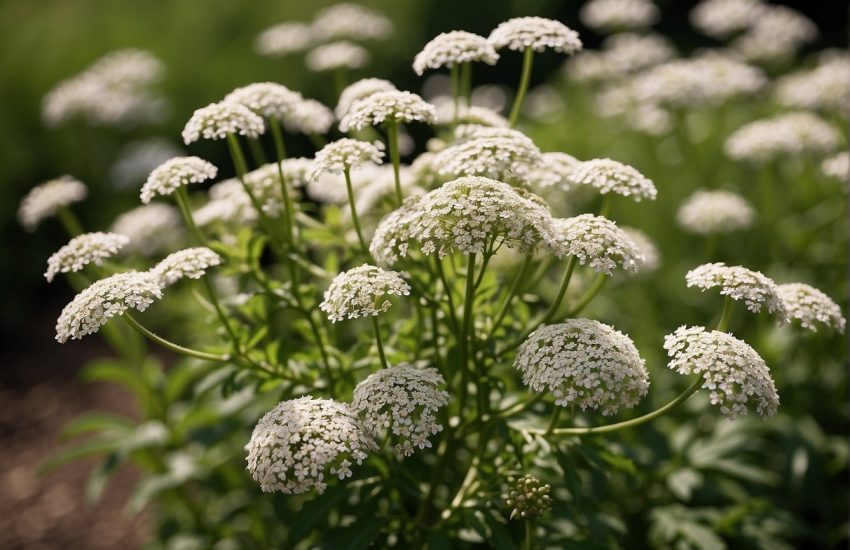
Ocean Spray (Holodiscus discolor)
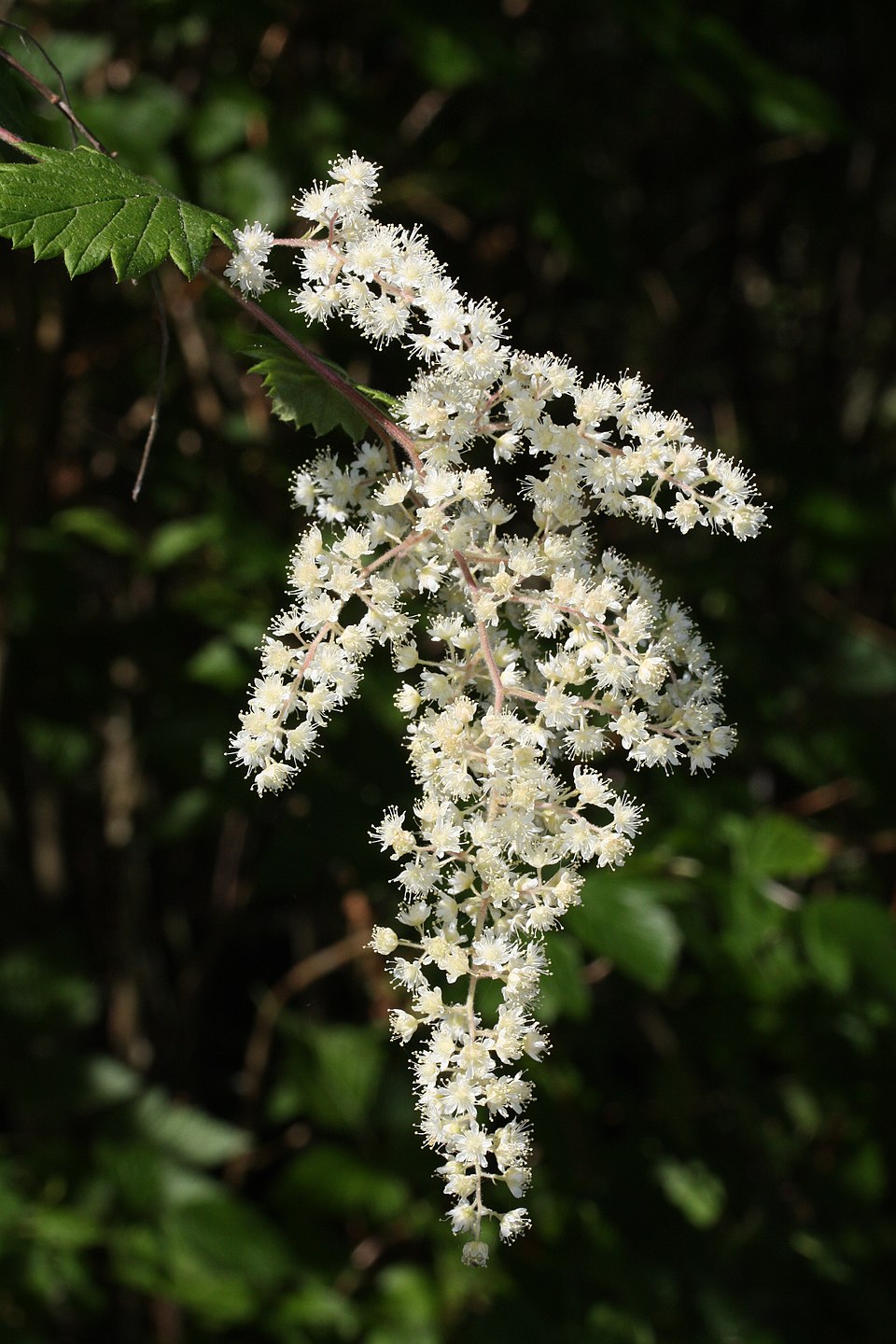
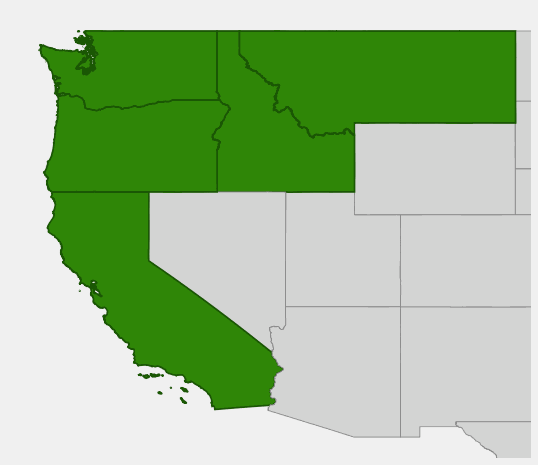
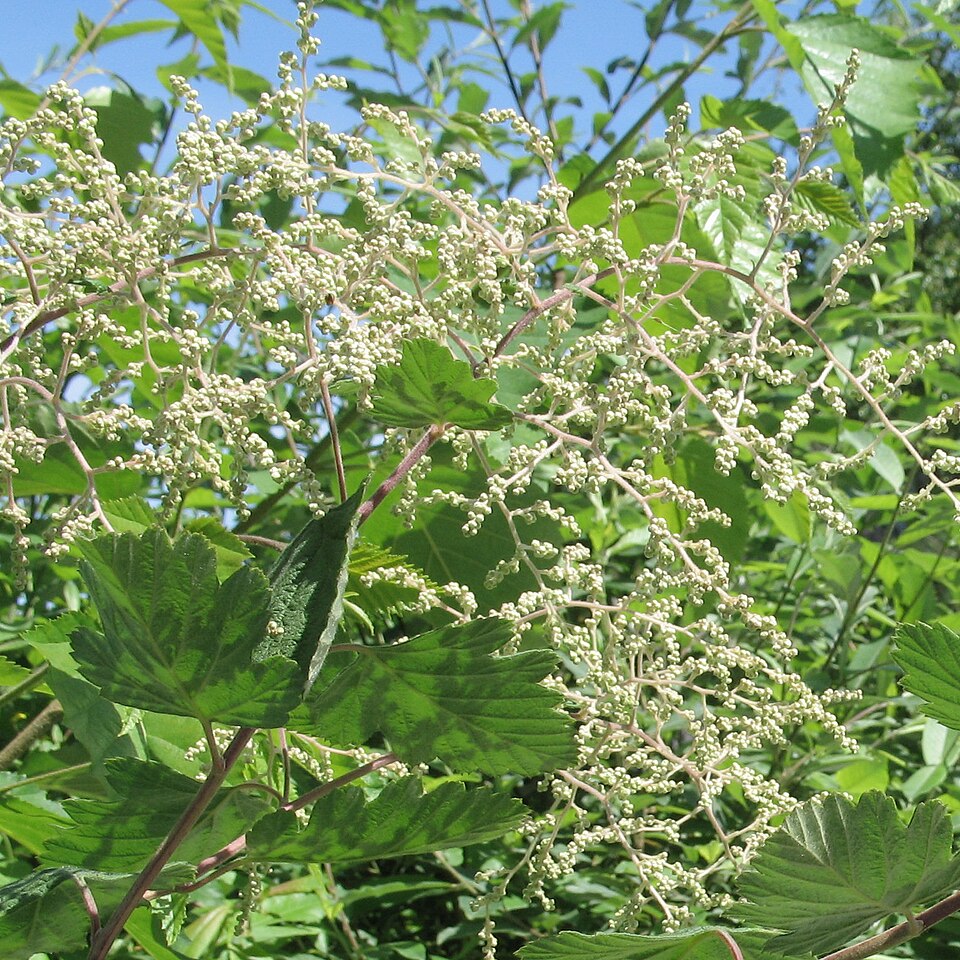
Holodiscus discolor, commonly known as Ocean Spray, Rock Spirea, or Cream Bush, is one of the most spectacular flowering shrubs native to the Pacific Northwest. This member of the rose family (Rosaceae) earned its evocative common name from the foamy, cream-white flower clusters that cascade from its branches in summer, resembling ocean spray frozen in motion. Despite its maritime-inspired name, Ocean Spray thrives from coastal bluffs to mountain slopes throughout Oregon, Washington, California, Idaho, and Montana.
Ocean Spray is remarkably adaptable, growing equally well in sun or shade, moist or dry conditions once established. This drought-tolerant shrub typically reaches 6 to 17 feet tall and wide, forming dense thickets through root sprouting that provide excellent wildlife habitat and erosion control. The plant’s distinctive two-toned leaves—bright green above and pale beneath—flutter in the slightest breeze, creating a shimmering effect that adds movement and life to the landscape.
Historically significant to Indigenous peoples who used its incredibly hard wood for arrows and tools, Ocean Spray remains equally valuable today for native plant gardens, habitat restoration, and sustainable landscaping. Its spectacular summer blooms, minimal water requirements once established, and exceptional wildlife value make it a cornerstone species for anyone creating authentic Pacific Northwest gardens.
Identification
Ocean Spray is a deciduous shrub that typically grows 6 to 17 feet (2–5 m) tall and nearly as wide, though it can occasionally reach 20 feet in ideal conditions. It often forms extensive colonies through underground rhizomes, creating natural thickets that provide valuable wildlife habitat. The overall form varies from a single-stemmed large shrub to multi-stemmed clumps, depending on growing conditions and management.
Bark & Stems
Young stems are reddish-brown and somewhat hairy, becoming smooth and gray-brown with age. The wood is exceptionally hard and dense, historically prized by Indigenous peoples for toolmaking. Older stems develop a distinctive shreddy bark that peels in thin strips. The stems are notably straight and strong, rarely breaking even under heavy snow loads.
Leaves
The leaves are simple, alternate, and oval to triangular, measuring 1 to 4 inches (2.5–10 cm) long. They are coarsely toothed along the margins and distinctively two-toned: dark green and somewhat glossy above, pale grayish-white and fuzzy beneath. This color contrast creates a shimmering effect when the leaves flutter in the breeze. The leaves turn yellow to orange in fall before dropping.
Flowers & Fruit
The flowers are Ocean Spray’s most distinctive feature—massive, pyramidal clusters (panicles) of tiny cream-white flowers that appear at the branch tips from late spring through mid-summer. Each individual flower is only about ¼ inch across, but the entire flower cluster can measure 4 to 8 inches long and 2 to 6 inches wide. The flowers have a sweet, honey-like fragrance that attracts numerous pollinators.
The fruit consists of small, dry follicles that persist on the plant well into fall and winter, turning from green to brown. These seed clusters provide food for birds and add winter interest to the landscape. Each follicle contains one small seed that is dispersed by wind and wildlife.
Quick Facts
| Scientific Name | Holodiscus discolor |
| Family | Rosaceae (Rose) |
| Plant Type | Deciduous Shrub |
| Mature Height | 3–20 ft |
| Mature Width | 6–17 ft (2–5 m) |
| Growth Rate | Slow to Moderate |
| Sun Exposure | Part Shade to Full Shade |
| Water Needs | Moderate to High |
| Soil Type | Adaptable; well-drained preferred |
| Soil pH | 5.0–8.0 (acidic to alkaline) |
| Bloom Time | June – August |
| Flower Color | Cream-white |
| Fall Color | Yellow to orange |
| Deer Resistant | Yes (generally) |
| USDA Hardiness Zones | 4–9 |
Native Range
Ocean Spray is native to western North America, with a distribution extending from southern British Columbia south to central California and eastward through the intermountain region to western Montana. It is most abundant west of the Cascade Range in Oregon and Washington, where it grows from sea level to approximately 7,000 feet in elevation. The species is particularly common in the Coast Range and Cascade foothills, often forming extensive colonies on hillsides and in forest openings.
In its natural habitat, Ocean Spray demonstrates remarkable adaptability to diverse site conditions. It colonizes everything from rocky outcrops and thin soils to deep forest duff, thriving in both sunny clearcuts and shaded forest understory. This flexibility allows it to occupy a broad ecological niche, from coastal bluffs exposed to salt spray to dry interior valleys and moist montane forests. Ocean Spray is often among the first native shrubs to reestablish after forest fires, sprouting vigorously from surviving root systems.
The species serves as an important component of several plant community types, including oak woodlands, coniferous forests, chaparral, and grassland edges. It commonly associates with madrone, oak, manzanita, ceanothus, and various native grasses, forming the shrub layer that provides critical habitat structure for wildlife.
📋 Regional plant lists featuring Ocean Spray: Western Oregon & Western Washington
Growing & Care Guide
Ocean Spray is one of the most adaptable and low-maintenance native shrubs for Pacific Northwest gardens. Once established, it thrives with minimal care and provides years of spectacular blooms and wildlife habitat. Understanding its natural preferences helps ensure successful cultivation.
Light
Ocean Spray demonstrates exceptional versatility in light requirements, growing well in everything from full sun to deep shade. In full sun, plants develop a denser, more compact form with abundant flowers. In partial shade, the shrub grows more openly with slightly fewer but still impressive flower clusters. Even in deep shade, Ocean Spray survives and blooms, though less prolifically. This adaptability makes it ideal for challenging sites where many other shrubs struggle.
Soil & Water
One of Ocean Spray’s greatest assets is its adaptability to various soil conditions. It thrives in well-drained soils but also tolerates clay, sandy, or rocky conditions. The plant is remarkably drought tolerant once established, typically requiring no supplemental watering after the second year except during extreme drought. During establishment, provide regular water the first two summers. Ocean Spray prefers slightly acidic to neutral soil (pH 5.0–7.0) but adapts to alkaline conditions.
Planting Tips
Plant Ocean Spray in fall or early spring for best establishment. Choose container plants over bare root, as the species establishes more reliably from container stock. Space plants 8–12 feet apart for screens or naturalistic groupings. When planting, dig the hole only as deep as the root ball but twice as wide, and avoid amending the soil—Ocean Spray prefers to adapt to native conditions. Mulch lightly with 2–3 inches of organic material, keeping mulch away from the base of the plant.
Pruning
Ocean Spray requires minimal pruning and actually resents heavy cutting. Prune lightly if needed immediately after flowering to avoid removing next year’s flower buds. Remove only dead, damaged, or crossing branches. The plant’s natural form is attractive and needs little shaping. If size control is necessary, selectively remove the oldest canes at ground level rather than shearing the entire plant. Heavy pruning can set the plant back for several years.
Landscape Uses
Ocean Spray’s versatility makes it valuable in numerous landscape applications:
- Naturalistic plantings and restoration projects
- Wildlife gardens — excellent for pollinators and birds
- Erosion control on slopes and hillsides
- Screening and privacy when planted in groups
- Specimen planting for dramatic summer display
- Fire-wise landscaping — naturally fire resistant
- Xeriscape gardens — thrives without irrigation
- Foundation plantings on the north or east side of buildings
Wildlife & Ecological Value
Ocean Spray ranks among the most ecologically valuable native shrubs in the Pacific Northwest, supporting an impressive diversity of wildlife throughout the year. Its extensive flower displays, persistent seed clusters, dense branching structure, and tendency to form thickets create multi-seasonal resources for numerous species.
Birds
Over 20 bird species utilize Ocean Spray for food and habitat. The tiny seeds are consumed by American Goldfinches, Pine Siskins, and various sparrows, while the persistent seed clusters provide winter food during scarce months. The dense, multi-stemmed growth form creates excellent nesting sites for songbirds including Spotted Towhees, Song Sparrows, and Bushtits. Rufous Hummingbirds occasionally nest in the protective shelter of Ocean Spray thickets, while larger birds like Band-tailed Pigeons use the sturdy branches for roosting.
Mammals
Black bears browse Ocean Spray leaves and stems, particularly in late spring and early summer. Deer and elk consume the foliage seasonally, though the plant’s somewhat bitter taste makes it less preferred than other browse. Small mammals including chipmunks, squirrels, and various mice collect the seeds for winter storage. The dense thickets provide crucial thermal cover and escape habitat for rabbits, shrews, and other small mammals.
Pollinators
Ocean Spray’s abundant summer flowers attract an extraordinary diversity of pollinators. Native bees, including bumblebees, leafcutter bees, and sweat bees, work the flowers extensively during the long blooming period. The flowers also attract beneficial insects like hoverflies, parasitic wasps, and beetles that help control garden pests. Butterflies, including Western Tiger Swallowtails and various skippers, visit the flowers for nectar. The sweet fragrance and accessible flower structure make Ocean Spray particularly valuable for smaller native bee species.
Ecosystem Role
Ocean Spray serves as a keystone species in many Pacific Northwest plant communities. Its ability to colonize disturbed areas and form extensive root systems helps stabilize slopes and prevent erosion. The shrub’s nitrogen-fixing associates and rich leaf litter improve soil fertility, creating conditions that benefit other native plants. Ocean Spray thickets modify local microclimates, creating cooler, moister conditions that support shade-requiring plants and animals. The species also plays an important role in post-fire recovery, resprouting vigorously after burns and helping reestablish shrub-layer habitat structure.
Cultural & Historical Uses
Ocean Spray holds profound cultural significance for Indigenous peoples throughout the Pacific Northwest, where it was prized above all other woods for its exceptional strength and workability. The Quinault, Skokomish, Squaxin Island, and numerous other Coast Salish tribes called Ocean Spray by names that translate to “ironwood” or “hard wood,” reflecting its remarkable density and durability. The wood is so hard that it was traditionally used to make fire drills—the friction sticks used to start fires.
Indigenous craftspeople used Ocean Spray wood for an enormous range of tools and implements: arrow shafts, spear handles, digging sticks, knitting needles, fish hooks, hair pins, and awls for basketmaking. The straight, knot-free stems were especially prized for arrow shafts, as they remained true in flight and could penetrate deeply. Some tribes heated and bent the stems to create curved tools like fish hooks and specialized digging implements. The inner bark was occasionally used medicinally as a wash for sores and cuts.
European settlers quickly recognized Ocean Spray’s exceptional wood properties and adopted it for similar uses. During the late 1800s and early 1900s, Ocean Spray stems were harvested commercially for broom handles, walking sticks, and brush backs. The stems were so valued that they were shipped back East to furniture and tool manufacturers. Rural families often harvested Ocean Spray as a cash crop during the Great Depression, selling bundles of straight stems to brush companies.
In contemporary times, Ocean Spray has found new appreciation in sustainable landscaping and habitat restoration. Modern craftspeople continue to use the wood for specialized tools and artistic projects, while the plant’s spectacular flowers make it popular for cutting gardens (though harvesting should be done sparingly to avoid weakening the slow-growing shrubs). The species has become a symbol of Pacific Northwest natural heritage and is increasingly planted in native gardens, restoration projects, and fire-wise landscaping throughout the region.
Frequently Asked Questions
Why is it called “Ocean Spray” when it grows inland?
The name refers to the plant’s foamy, white flower clusters that resemble ocean spray or sea foam. The scientific name “Holodiscus” means “whole disk,” referring to the flower structure, while “discolor” refers to the two-toned leaves (green above, whitish below).
How long does it take Ocean Spray to establish and flower?
Ocean Spray is slow to establish, typically taking 3-5 years to become fully settled in a new location. First blooms usually appear in the third or fourth year. Patience is key with this species, but the wait is worth it for the spectacular flower display.
Can I prune Ocean Spray to keep it smaller?
Light pruning is possible, but Ocean Spray grows slowly and doesn’t respond well to heavy pruning. It’s best to choose a planting location where the shrub can reach its natural size. If pruning is necessary, do it immediately after flowering and remove no more than one-third of the plant.
Is Ocean Spray deer resistant?
Ocean Spray is generally deer resistant due to its tough, somewhat bitter foliage. However, in areas with high deer pressure and limited food sources, deer may browse young shoots. Established plants are rarely damaged by deer.
Can Ocean Spray grow in containers?
While possible, Ocean Spray is not ideally suited for long-term container growing due to its extensive root system and eventual large size. If grown in containers, use very large pots and expect to transplant to the ground within a few years for best results.

Looking for a nursery that carries Ocean Spray?
Browse our native plant nursery directory: Oregon · Washington