Western Spirea (Spiraea douglasii)
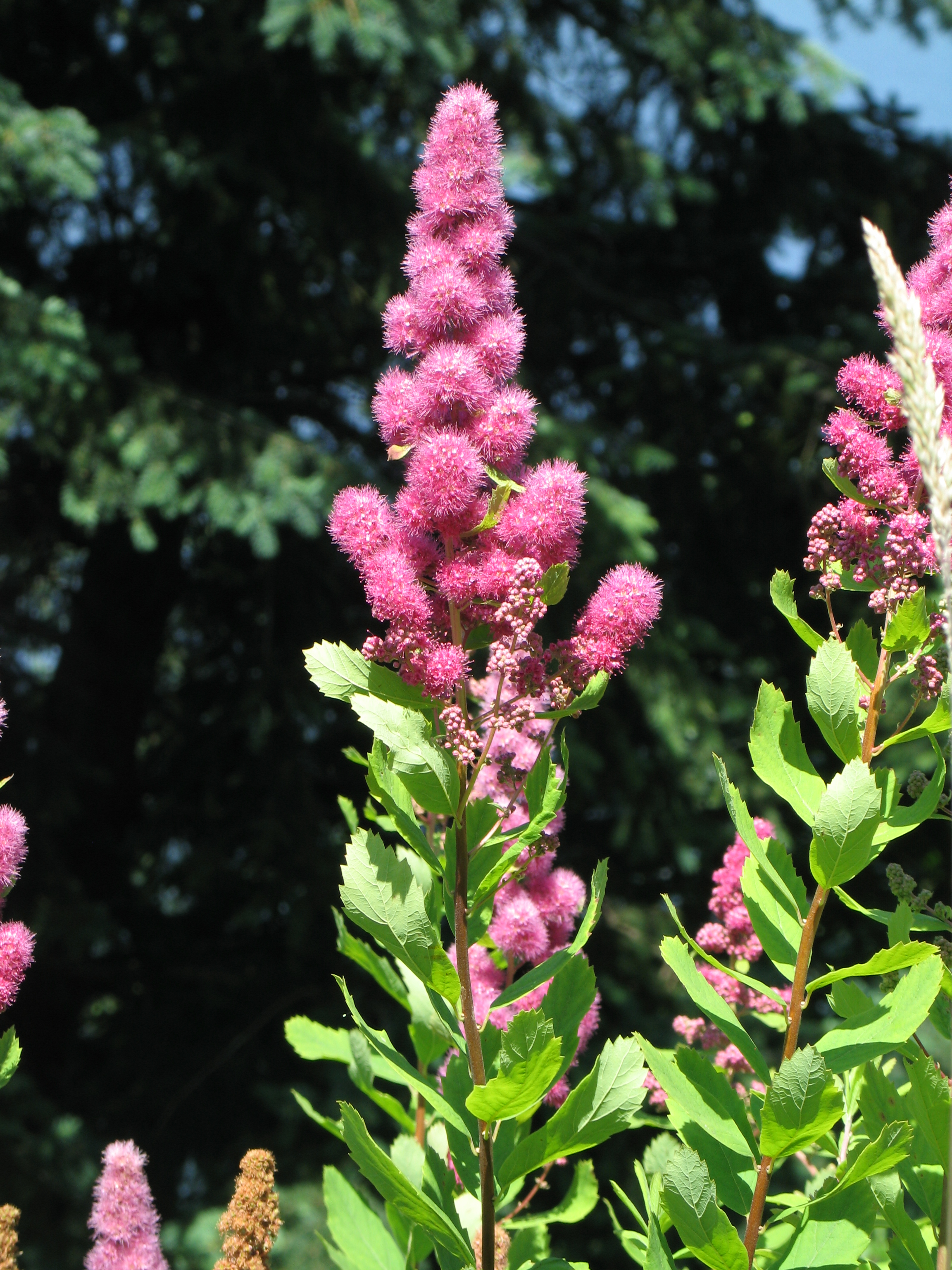
Spiraea douglasii, commonly known as Western Spirea, Hardhack, or Rose Spirea, is a showy deciduous shrub native to the wetlands and streambanks of the Pacific Northwest. This member of the rose family creates spectacular displays of deep pink flower clusters that rise like church spires above the foliage, earning it the alternate name “steeplebush.”
Western Spirea is particularly valuable for wetland restoration projects and rain gardens, where its spreading rhizomes help stabilize soil while providing months of colorful blooms. The shrub forms dense colonies in marshy areas, creating important habitat for wildlife while adding reliable summer color to challenging wet sites.
Quick Facts
| Scientific Name | Spiraea douglasii |
| Family | Rosaceae (Rose) |
| Plant Type | Deciduous Shrub |
| Mature Height | 3–6 ft |
| Spread | 3–8 ft (spreads by rhizomes) |
| Growth Rate | Moderate to Fast |
| Sun Exposure | Full Sun to Partial Shade |
| Water Needs | Moderate to High |
| Soil Type | Moist to wet, tolerates various types |
| Soil pH | 5.0–7.5 (acidic to slightly alkaline) |
| Bloom Time | June – August |
| Flower Color | Deep rose-pink |
| Fall Color | Yellow to bronze |
| USDA Hardiness Zones | 3–8 |
Identification
When identifying Western Spirea in the field, pay close attention to the combination of characteristics rather than relying on any single feature. Seasonal changes can significantly alter the plant’s appearance, with different identification markers being most prominent during different times of year. Spring emergence patterns, summer foliage characteristics, fall color changes, and winter structure all provide valuable identification clues.
The habitat context is also crucial for accurate identification. Western Spirea typically grows in specific ecological niches that provide important clues about its identity. Understanding the plant’s preferred growing conditions, associated species, and elevation preferences can help distinguish it from similar-looking relatives or introduced species that might occur in the same region.
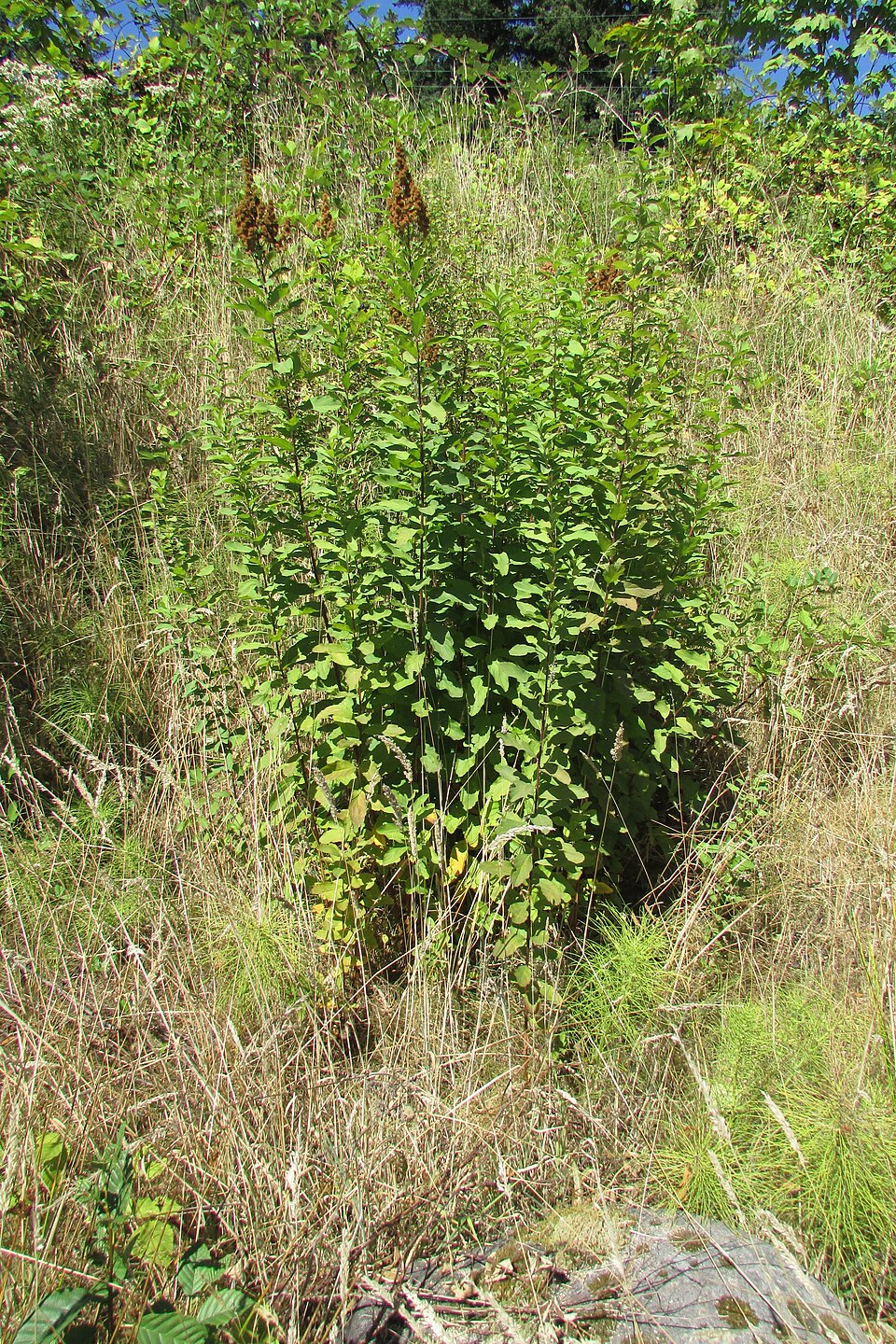
Western Spirea is easily recognized by its distinctive conical flower clusters and preferred wetland habitat. The shrub has a somewhat woody, tough appearance that gives it the common name “hardhack.”
Leaves
The alternately arranged leaves are 1–4 inches long, oval-shaped, and toothed toward the tips. They are dark green above and distinctively pale or whitish underneath with prominent veining. The leaves have a slightly fuzzy texture due to fine hairs.
Flowers
The spectacular flowers appear in dense, pyramid-shaped clusters 2–8 inches long at the branch tips. Individual flowers are small and deep rose-pink, creating a stunning mass display that can last for several weeks in summer. The flower spires point upward like church steeples.
Growth Habit
Western Spirea spreads by underground rhizomes, forming dense colonies over time. The stems are woody and can be quite tough, giving the plant its “hardhack” nickname. In autumn, the spent flower clusters persist and turn dark brown, providing winter interest.
Native Range
Western Spirea is native to northwestern North America, ranging from Alaska south through British Columbia, Washington, Oregon, and into northern California. It typically grows in wetland habitats including marshes, streambanks, bogs, and seasonally wet meadows.
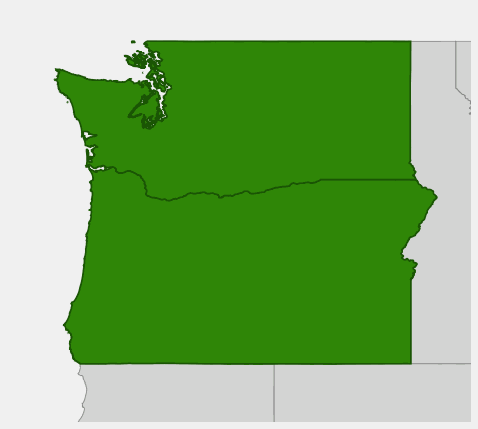
📋 Regional plant lists featuring Western Spirea: Western Oregon & Western Washington
Growing & Care Guide
Western Spirea is an excellent choice for challenging wet sites where many other flowering shrubs would struggle. It’s particularly valuable for rain gardens, bioswales, and naturalized wetland areas.
Light & Location
Thrives in full sun but tolerates partial shade. In shadier locations, flower production may be reduced. Plant in areas that receive consistent moisture, as this species is not drought-tolerant.
Soil & Water
Prefers moist to wet soils and tolerates periodic flooding. Adapts to various soil types including clay, but requires consistent moisture. Excellent for poorly drained sites where other shrubs fail.
Planting & Spacing
Plant 4–6 feet apart for screening, or allow natural spreading for groundcover effect. Western Spirea will gradually form colonies through rhizome expansion, so consider this when planning placement.
Maintenance
Low maintenance once established. Deadhead spent flowers if desired, though the dried seed heads provide winter interest and bird food. Can be cut back hard in late winter to rejuvenate overgrown clumps.
Companion Plants
Pairs well with other wetland natives including red-osier dogwood, elderberry, wild rose, and various sedges and rushes. Works well in mixed native shrub borders with adequate moisture.
Seasonal Care
Understanding the seasonal needs of Western Spirea is essential for successful cultivation. Spring is typically the most active growth period, when the plant benefits from adequate moisture and nutrients. Summer care focuses on maintaining consistent soil moisture while avoiding waterlogged conditions. Fall preparation involves allowing the plant to naturally enter dormancy, while winter protection may be needed in exposed locations or at the edges of the plant’s hardiness range.
Propagation
Western Spirea can be propagated through several methods, each with its own advantages and appropriate timing. Understanding the natural reproductive strategies of this species helps inform the most successful propagation approaches for home gardeners and restoration projects. Seed collection timing, storage requirements, and germination treatments all play important roles in successful propagation efforts.
Common Issues
While Western Spirea is generally a resilient native plant, certain environmental stresses or cultural problems can affect its health and appearance. Recognizing early signs of stress, understanding common pest and disease issues, and knowing when intervention is necessary versus when to allow natural processes to occur are all important aspects of successful cultivation.
Wildlife & Ecological Value
Western Spirea provides significant wildlife benefits, particularly for pollinators and birds, while serving as an important component of wetland ecosystems.
For Pollinators
The abundant summer flowers are magnets for native bees, butterflies, and other pollinators during the peak growing season when many other plants have finished blooming. The extended flowering period provides consistent nectar resources.
For Birds
Small songbirds feed on the tiny seeds that persist through winter, providing crucial food during lean months. The dense growth habit offers excellent nesting sites and cover for marsh wrens and other wetland birds. Hummingbirds occasionally visit the flowers for nectar.
For Other Wildlife
Black-tailed deer browse the foliage, though it’s not a preferred food source. The dense thickets provide cover and nesting habitat for small mammals and are a component of grizzly bear habitat in northern regions.
Ecosystem Services
The extensive rhizome system helps stabilize soil in wetland areas, preventing erosion along streambanks. The plant’s ability to thrive in seasonally flooded areas makes it valuable for riparian restoration projects.
Seasonal Wildlife Value
The ecological value of Western Spirea varies throughout the year, with different wildlife species taking advantage of the resources it provides during different seasons. Understanding these seasonal patterns helps appreciate the full ecological impact of including this species in native plant gardens and restoration projects.
Habitat Relationships
Beyond direct food and shelter provision, Western Spirea participates in complex ecological relationships that benefit entire plant and animal communities. These indirect ecological services often exceed the obvious direct benefits and contribute to overall ecosystem health and resilience.
Cultural & Historical Uses
Indigenous peoples of the Pacific Northwest traditionally used Western Spirea for practical purposes. The tough, woody stems were harvested to make brooms and other tools, while the plant was sometimes used for hanging and smoking fish and other seafood.
The species is named after Scottish botanist David Douglas, who catalogued numerous Pacific Northwest plants during his explorations in the early 1800s.
Landscape Applications
Western Spirea excels in specific landscape situations:
- Rain gardens: Excellent for managing seasonal water runoff
- Bioswales: Helps filter stormwater while adding color
- Wetland restoration: Stabilizes soil and provides habitat
- Problem wet areas: Thrives where other plants struggle
- Wildlife gardens: Supports diverse pollinators and birds
Frequently Asked Questions
How fast does Western Spirea grow?
Western Spirea has a moderate growth rate under optimal conditions. Growth varies depending on soil moisture, light levels, and climate conditions. In favorable sites with adequate water and appropriate light, you can expect steady annual growth that will establish a mature specimen within several years.
Is Western Spirea deer resistant?
Like most native plants, Western Spirea may be browsed by deer, especially during winter months when other food sources are scarce. However, established plants are generally resilient to occasional browsing. Consider using physical barriers for young plants in areas with heavy deer pressure.
When is the best time to plant Western Spirea?
Fall planting is ideal for Western Spirea, as it allows the root system to establish during the cool, moist winter months before the stress of summer heat. Early spring planting is also successful if you can provide consistent watering through the first growing season.
Does Western Spirea need special soil conditions?
Western Spirea performs best in conditions that mimic its natural habitat. While adaptable to various soil types, it thrives in well-drained soil with adequate organic matter. Match the moisture and pH conditions of its native range for optimal health and growth.
Can Western Spirea be grown in containers?
Young Western Spirea plants can be successfully grown in containers for a time, making them suitable for patios, decks, or as temporary plantings. However, for long-term health and full development, transplanting to the ground is recommended once the plant reaches maturity.

Looking for a nursery that carries Western Spirea?
Browse our native plant nursery directory: Oregon · Washington