Wood Rose (Rosa woodsii)
Rosa woodsii, commonly known as Wood Rose, Woods’ Rose, or Common Wild Rose, is a hardy native shrub that embodies the rugged beauty of the American West. This thorny deciduous rose produces fragrant pink flowers from late spring through summer, followed by bright red rose hips that provide food for wildlife and humans alike.
Wood Rose is remarkably adaptable, thriving from sea level to over 11,000 feet elevation across a vast range of North America. Its ability to form dense thickets makes it valuable for erosion control, wildlife habitat, and natural barriers, while its attractive flowers and edible hips add both beauty and utility to native plant gardens.
Quick Facts
| Scientific Name | Rosa woodsii |
| Family | Rosaceae (Rose) |
| Plant Type | Deciduous Shrub |
| Mature Height | 1–8 ft (typically 3–6 ft) |
| Spread | 3–10 ft (forms colonies) |
| Growth Rate | Moderate |
| Sun Exposure | Full Sun to Partial Shade |
| Water Needs | Low to Average (drought tolerant) |
| Soil Type | Adaptable; well-drained to moist |
| Soil pH | 5.5–8.0 (acidic to alkaline) |
| Bloom Time | May – July |
| Flower Color | Pink (light to deep) |
| Fruit | Red rose hips (edible) |
| USDA Hardiness Zones | 2–9 |
Identification
Wood Rose is easily recognized by its combination of thorny stems, distinctive compound leaves, and classic five-petaled pink flowers—the quintessential wild rose of western North America.
Flowers
The fragrant flowers are typically 1–2 inches across with five petals in shades ranging from pale pink to deep rose. Each flower has numerous yellow stamens and a sweet, pleasant fragrance. Flowers appear singly or in small clusters at branch tips from late spring through mid-summer.
Leaves
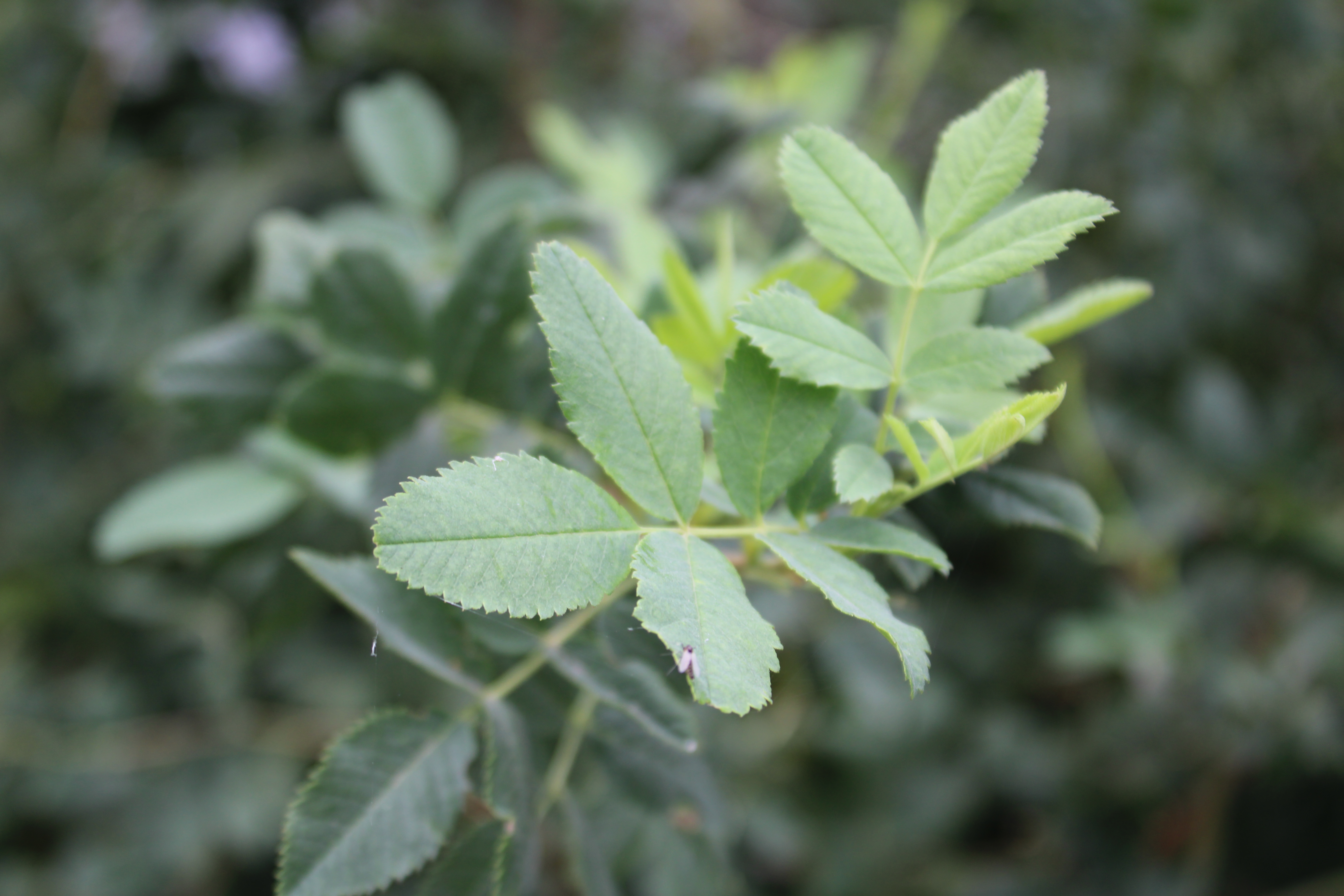
The compound leaves consist of 5–9 oval leaflets, each ¾–2 inches long with sharply toothed margins. The leaflets are bright green above and paler beneath, turning yellow to orange in fall. Two small stipules appear at the base of each leaf stalk.
Stems & Thorns
The stems are straight and woody, ranging from red-brown to gray-brown in color. They are armed with numerous straight or slightly curved prickles (thorns) that help the plant climb and defend against browsing animals. The thorns are typically ¼–½ inch long.
Rose Hips
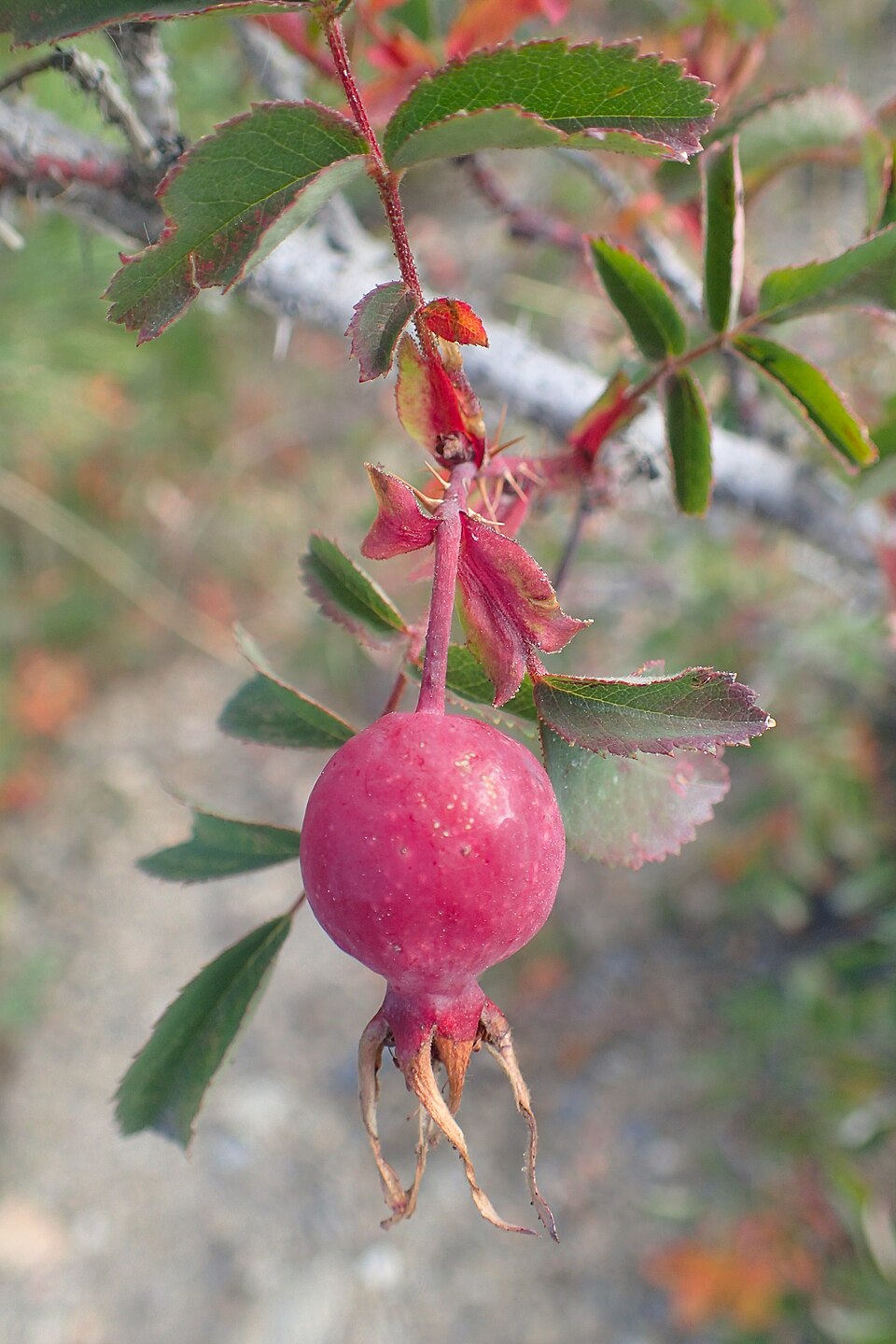
The fruits are bright red to orange-red rose hips, typically ½–¾ inch long and pear-shaped to round. They ripen in late summer to early fall and persist well into winter, providing important wildlife food and emergency human nutrition.
Native Range
Wood Rose has one of the most extensive ranges of any North American rose, spanning from Alaska and most of Canada south through the western and central United States. It grows in an remarkable variety of habitats from sea level to over 11,000 feet elevation.
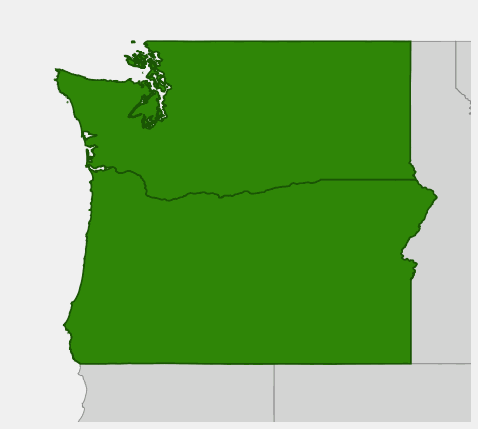
📋 Regional plant lists featuring Wood Rose: Western Oregon & Western Washington
Growing & Care Guide
Wood Rose is exceptionally hardy and adaptable, making it one of the easiest native roses to grow. Its drought tolerance and cold hardiness make it ideal for challenging sites where other roses might struggle.
Planting & Location
Plant in full sun for best flowering, though it tolerates partial shade. Wood Rose adapts to a wide range of soil conditions but prefers well-drained sites. Allow plenty of space as the plant spreads by root suckers to form colonies over time.
Soil & Water
Extremely adaptable to soil types, from sandy to clay, and pH from acidic to alkaline. Once established, it’s very drought tolerant but benefits from occasional deep watering during extended dry spells. Avoid overwatering, which can lead to reduced flowering.
Wood Rose demonstrates the remarkable adaptability that characterizes Pacific Northwest flora. Over millions of years, species like Rosa woodsii have evolved specific strategies for thriving in the region’s unique climate patterns, developing characteristics that allow them to make the most of wet winters and navigate dry summers with remarkable efficiency.
The ecological relationships surrounding Wood Rose illustrate the complex interconnections that define healthy Pacific Northwest ecosystems. From soil microorganisms to large mammals, countless species depend on the resources and habitat structure provided by native plants like Rosa woodsii. These relationships have developed over thousands of years, creating intricate webs of interdependence that support regional biodiversity.
Understanding Wood Rose’s role in natural succession helps explain its value in restoration and landscaping applications. As ecosystems recover from disturbance or as gardens mature, different species play important roles at different stages. Wood Rose contributes to community development in ways that support both immediate ecosystem function and long-term ecological resilience.
Climate change adaptation strategies increasingly recognize the importance of native species like Wood Rose in building landscape resilience. Plants that have evolved locally possess genetic diversity and physiological adaptations that help them respond to environmental variability. By incorporating native species into both natural and designed landscapes, we support ecosystems’ capacity to adapt to changing conditions.
Pruning & Maintenance
Prune in late winter or early spring, removing dead, damaged, or crossing branches. Thin older canes to encourage new growth and better air circulation. Wear thick gloves and long sleeves when working around the thorny stems.
Propagation
Spreads naturally by root suckers, making it easy to divide established clumps. Can also be grown from seed (rose hips) or hardwood cuttings. Seeds require cold stratification for several months before planting.
Wildlife & Ecological Value
Wood Rose is exceptional wildlife habitat, providing food, nesting sites, and protective cover for a wide variety of species throughout the year.
For Birds
The dense, thorny thickets provide excellent nesting sites and protective cover for numerous bird species including quail, grouse, and songbirds. Rose hips are eaten by cedar waxwings, robins, thrushes, and other fruit-eating birds, often persisting into winter when other foods are scarce.
For Mammals
Deer, elk, and moose browse the foliage, especially young growth. Bears, coyotes, and small mammals eat the vitamin-rich rose hips. The impenetrable thickets provide escape cover and denning sites for various small animals.
For Pollinators
The abundant summer flowers attract native bees, butterflies, beneficial wasps, and other pollinators. The simple, open flower structure makes pollen and nectar easily accessible to a wide range of insects.
Cultural & Historical Uses
Wood Rose has been used by Indigenous peoples across its range for food, medicine, and tools. The vitamin C-rich rose hips were eaten fresh, dried for winter storage, or made into teas and jellies. The hips were particularly valuable as a winter food source and scurvy preventative.
Traditional medicinal uses included treatments for stomach ailments, colds, and wounds. The strong, flexible stems were used for basketry and tool handles.
Modern Uses
Rose hips remain popular for teas, jellies, and syrups, providing exceptional levels of vitamin C and antioxidants. The hips can be harvested after the first frost when they’re at peak sweetness.
Landscape Applications
Wood Rose excels in specific landscape situations:
- Erosion control: Extensive root system stabilizes slopes
- Wildlife habitat: Dense thickets provide nesting and food
- Natural barriers: Thorny stems create effective living fences
- Wildflower gardens: Brings authentic native character
- Xeriscaping: Exceptional drought tolerance once established
- Restoration projects: Helps reestablish native plant communities
Cultural Recognition
Wood Rose was featured on a U.S. postage stamp in 2022 as part of a wildflower series, alongside alpine buttercup, wood lily, and pasqueflower—a testament to its iconic status as a symbol of American wildlands.

Looking for a nursery that carries Wood Rose?
Browse our native plant nursery directory: Oregon · Washington
Frequently Asked Questions
How fast does Wood Rose grow?
Wood Rose exhibits a moderate to fast growth rate under favorable conditions, typically establishing well within the first few growing seasons. Growth rate varies significantly based on site conditions, with optimal growth occurring in locations that closely mimic the plant’s natural habitat preferences. In suitable conditions with adequate moisture and appropriate light levels, you can expect steady annual growth.
Is Wood Rose deer resistant?
Like most Pacific Northwest natives, Wood Rose may be browsed by deer and elk, particularly in areas with high wildlife pressure or limited alternative food sources. However, as a native species that co-evolved with these herbivores, it typically recovers well from browsing damage. In areas with consistently heavy deer pressure, young plants may benefit from temporary protection during establishment.
What wildlife does Wood Rose support?
Wood Rose provides valuable habitat and food resources for a wide variety of Pacific Northwest wildlife, including native birds, beneficial insects, small mammals, and pollinators. The plant’s role in supporting biodiversity makes it an excellent choice for wildlife gardens, restoration projects, and any landscape designed to provide ecosystem services.
When is the best time to plant Wood Rose?
In the Pacific Northwest, fall planting (September through November) is typically most successful for native plants, as it allows root system establishment during the mild, wet winter months. Spring planting (March through May) can also be successful, though plants may require supplemental watering during their first summer dry season.
Where can I buy Wood Rose?
Wood Rose is available from native plant nurseries throughout Oregon and Washington. When possible, seek out locally-sourced stock grown from regional seed sources, as these plants will be better adapted to your specific area’s climate, soil conditions, and wildlife communities. Many restoration supply nurseries also carry the species for larger-scale projects.