Pros and Cons of Dogwood Trees: A Comprehensive Guide
Last updated: August 23, 2026
Dogwood trees are a popular choice for gardeners and landscapers due to their stunning appearance and versatility. With over 50 species within the Cornus genus, including the popular flowering dogwood (Cornus Florida), pagoda dogwood, kousa dogwood, red twig dogwood, and cornelian cherry, there are many options to choose from. However, before deciding to plant a dogwood tree, it is important to consider both the pros and cons.
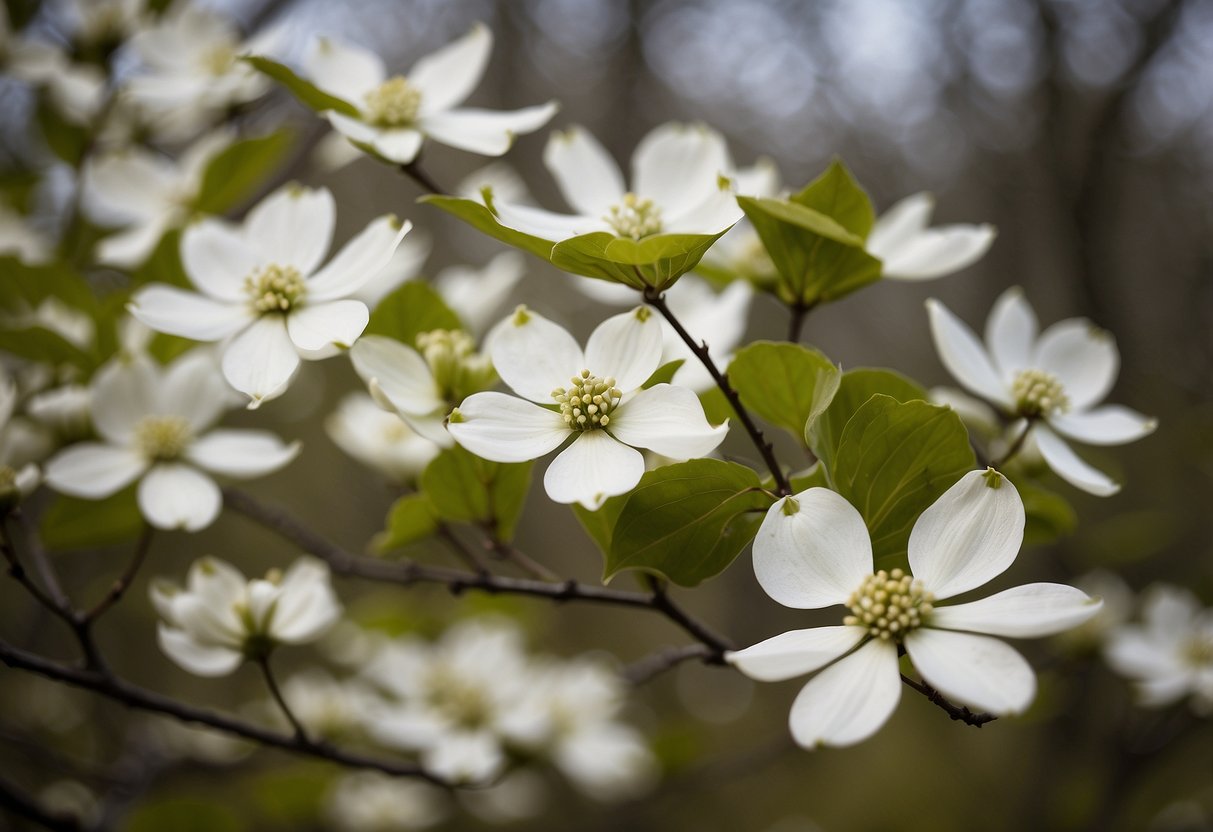
One of the biggest pros of dogwood trees is their ornamental value. They offer a variety of colors, sizes, and shapes, making them highly versatile for use in gardens and landscapes. In the spring, many species of dogwood trees bloom with stunning pink or white flowers, adding a pop of color to any outdoor space. Additionally, some species of dogwood trees, such as the red twig dogwood, offer year-round interest with their colorful bark.
On the other hand, there are also some cons to consider when it comes to planting a dogwood tree. For example, dogwood trees can be vulnerable to pests and diseases, such as borers and anthracnose. Additionally, they require moist, well-drained, acidic soils and may struggle to flower if they do not receive enough water and sunlight or too much fertilizer. Furthermore, some species of dogwood trees, such as the flowering dogwood, can be difficult to transplant and often do not transplant well.
Pros of Dogwood Trees

Dogwood trees are a popular choice among gardeners and landscapers due to their aesthetic appeal, environmental benefits, and low-maintenance requirements. In this section, we will explore the pros of dogwood trees in detail.
Aesthetic Appeal
Dogwood trees are known for their beautiful blooms in the spring season. They produce flowers in a range of colors, including red, pink, and white. The flowers are surrounded by bracts, which are modified leaves that provide additional visual interest. These blooms attract birds, butterflies, and other pollinators, making them a great addition to any garden.
Environmental Benefits
Dogwood trees provide a range of environmental benefits. They have a shallow root system that does not compete with other plants for nutrients, making them ideal for planting in mixed borders. They also provide habitat and food for birds and other wildlife. Some cultivars produce berries, which are a valuable food source for birds in the fall and winter seasons.
Growth and Maintenance
Dogwood trees are hardy and can grow in a range of soil types, provided they are well-drained and moist. They prefer full sun to partial shade and benefit from a layer of mulch around the base of the tree to retain moisture. Dogwood trees are low-maintenance and do not require frequent pruning or fertilization. However, they should be watered during periods of drought to ensure healthy growth.
In conclusion, dogwood trees offer a range of benefits to gardeners and landscapers. They are easy to grow, require minimal maintenance, and provide aesthetic appeal and environmental benefits. With their unique features and different species, dogwood trees are a great addition to any garden or landscape.
Cons of Dogwood Trees
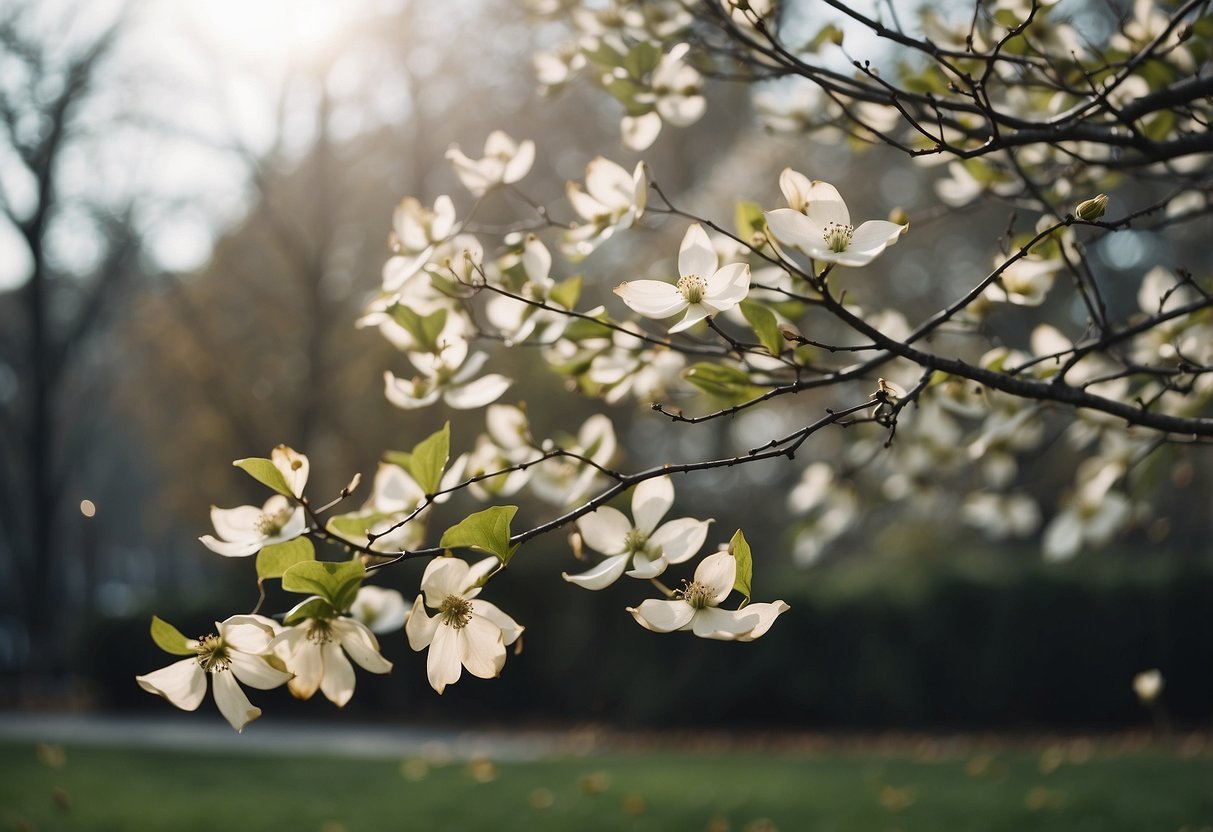
Dogwood trees are popular ornamental trees that are widely planted across North America. However, they are not without their drawbacks. In this section, we will discuss some of the cons of dogwood trees.
Susceptibility to Problems
Dogwood trees are susceptible to a range of pests and diseases that can affect their growth and health. One of the most common diseases that affect dogwood trees is dogwood anthracnose, which causes leaf spots, stem cankers, and dieback. Other diseases that can affect dogwood trees include powdery mildew, leaf scorch, and root rot.
In addition to diseases, dogwood trees are also vulnerable to pests such as borers and scale insects. These pests can weaken the tree and make it more susceptible to disease.
Climatic Sensitivity
Dogwood trees are sensitive to their growing conditions and require specific conditions to thrive. They prefer moist, well-drained soil with a slightly acidic pH. They also require regular watering, especially during dry spells, and are sensitive to summer heat.
Dogwood trees also require a specific amount of sunlight and shade to grow properly. They require partial shade to full sun in the morning and afternoon but should be shaded during the hottest part of the day.
Special Requirements
Dogwood trees have specific requirements for proper growth and development. They require proper pruning and mulching to maintain their shape and promote healthy growth. They also require proper fertilization to promote healthy growth and flowering.
One of the biggest drawbacks of dogwood trees is their short lifespan. They typically live for 10 to 15 years, and some species may only live for a few years. This short lifespan can make them a less desirable option for long-term landscaping projects.
Another drawback of dogwood trees is that their fruit and blossoms are toxic to some animals, including dogs. This can make them a less desirable option for pet owners.
In conclusion, dogwood trees have several cons that should be considered before planting them. They are susceptible to a range of pests and diseases, require specific growing conditions, and have a short lifespan. However, with proper care and maintenance, they can be a beautiful addition to any landscape.

Looking for a nursery that carries native trees?
Browse our native plant nursery directory