Wild Geranium (Geranium maculatum)
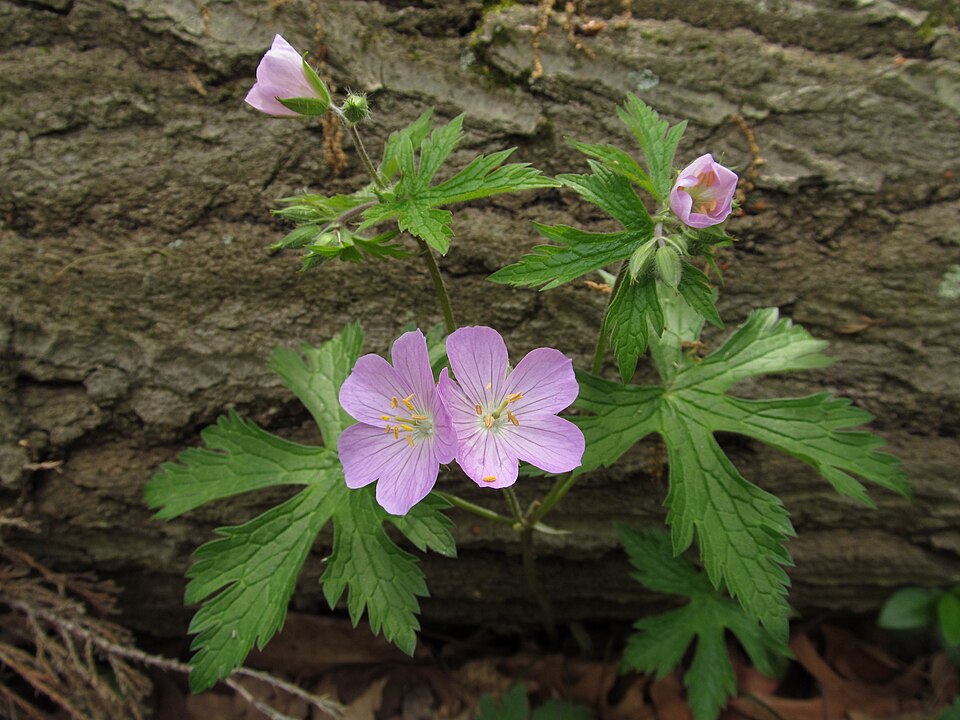
Geranium maculatum, commonly known as Wild Geranium, Spotted Geranium, or Cranesbill, is one of the most beloved and recognizable wildflowers of North America’s eastern woodlands. This charming perennial member of the Geraniaceae family graces forest floors from early spring through summer with its delicate pink-purple flowers that seem to glow in the dappled woodland light. The common name “Cranesbill” refers to the plant’s distinctive slender seed capsules that remarkably resemble a crane’s bill, splitting open in a dramatic fashion to scatter seeds several feet from the parent plant.
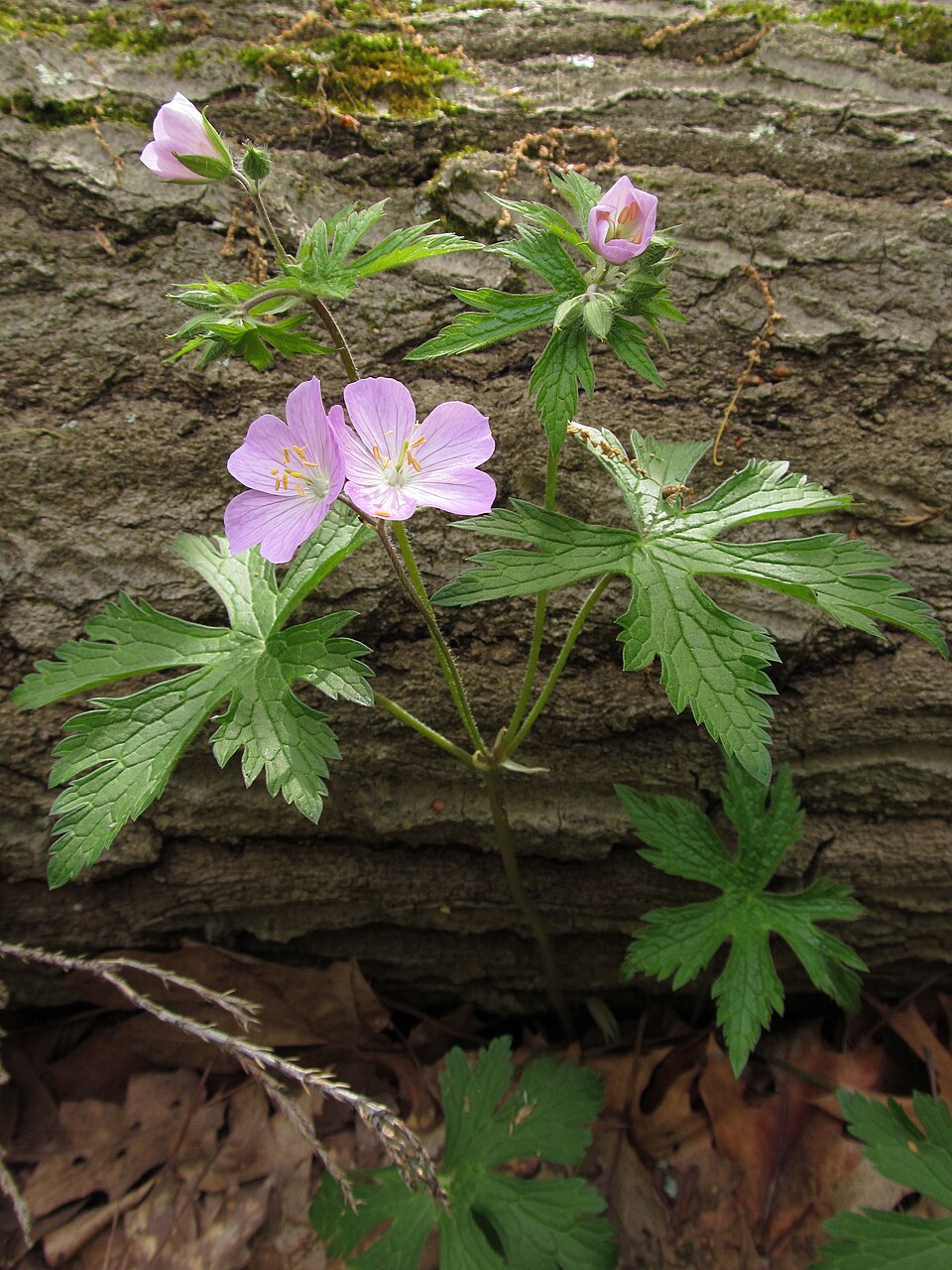
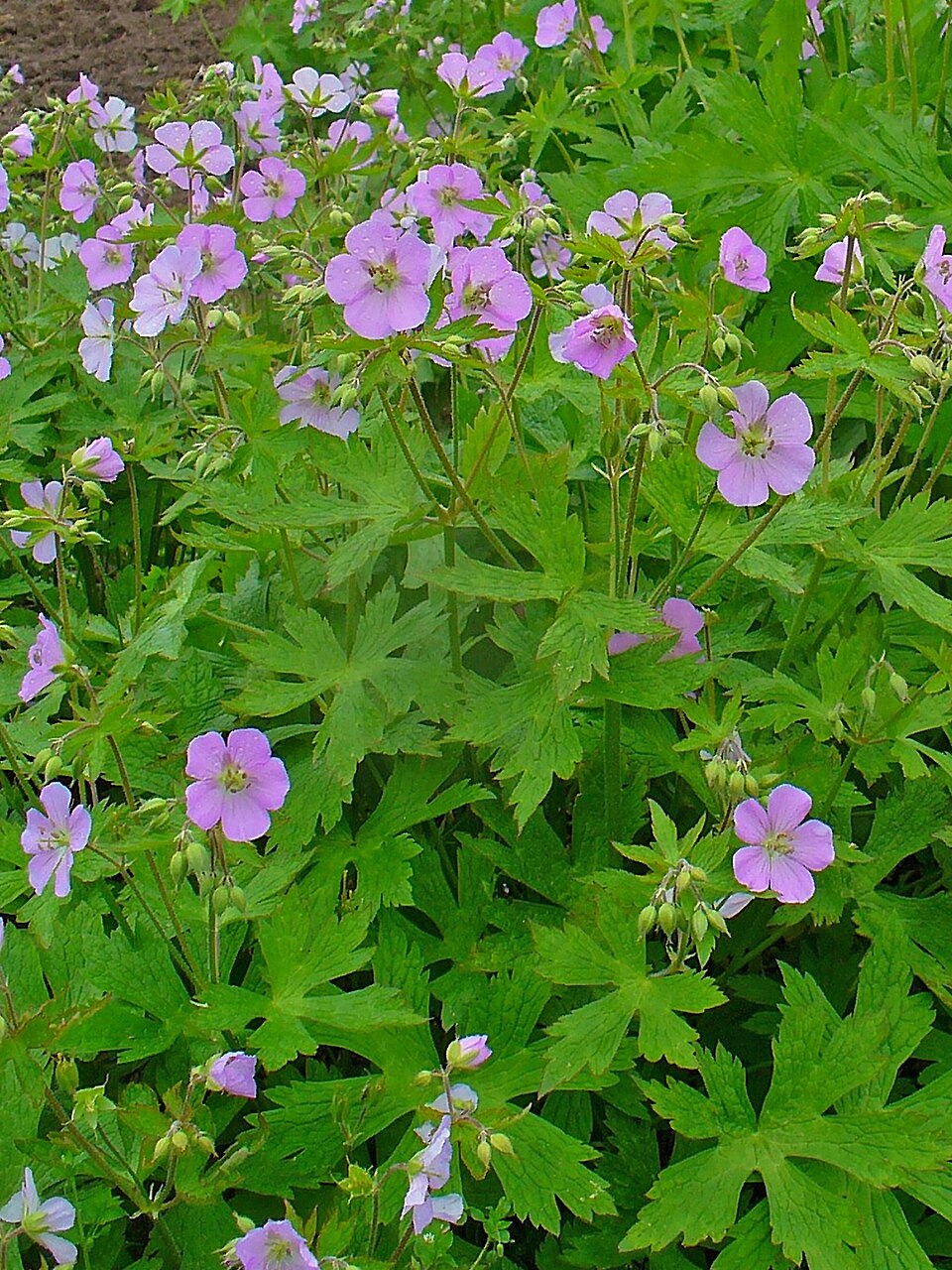
Growing typically 1 to 2 feet tall, Wild Geranium forms attractive clumps of deeply divided, palmate leaves that create excellent ground cover in shaded garden settings. The five-petaled flowers, each about an inch across, appear in loose clusters above the foliage from late spring through early summer, their soft purple-pink hues varying subtly from plant to plant. The intricate veining on each petal creates an almost stained-glass effect when backlit by filtered sunlight, making Wild Geranium a favorite subject for nature photographers and botanical artists.
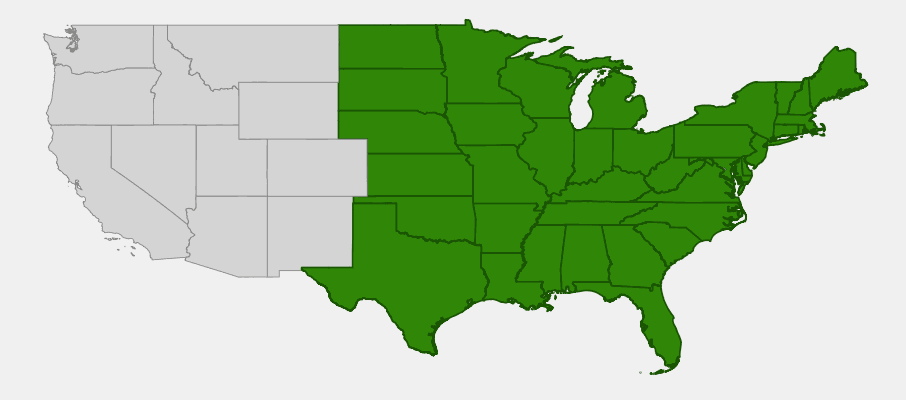
Native throughout much of eastern North America, from southeastern Canada south to Georgia and west to the Great Plains, Wild Geranium is perfectly adapted to woodland conditions. Its preference for partial to full shade and rich, moist soils makes it an ideal choice for woodland gardens, naturalized areas, and any landscape setting that mimics its native forest habitat. Beyond its ornamental value, Wild Geranium provides nectar for early-season pollinators, seeds for birds, and has a rich history of medicinal use by Indigenous peoples across its range.
Identification
Wild Geranium is a herbaceous perennial that typically grows 1 to 2 feet tall and equally wide, forming attractive, gradually expanding clumps through short rhizomes. The plant emerges early in spring with distinctive palmate leaves that unfurl like tiny umbrellas, followed by charming flowers that appear from late spring through early summer.
Leaves
The leaves are the plant’s most distinctive vegetative feature — deeply divided into 5 (occasionally 3 or 7) sharply toothed lobes that create a palmate or hand-like appearance. Each leaf is 3 to 6 inches across on long petioles that arise directly from the base or from branching stems. The leaves are medium green with a slightly hairy texture, and often develop attractive reddish or golden tints in fall. Both the leaves and stems exude a somewhat astringent, geranium-like fragrance when crushed.
Flowers
The flowers are Wild Geranium’s crowning glory — five-petaled beauties that are typically ¾ to 1¼ inches across, appearing in loose, open clusters of 2 to 5 flowers. The petals are usually pink to rose-purple, though they can range from nearly white to deep magenta, with darker veining that creates intricate patterns. Each flower has 10 stamens with blue-purple anthers and a central pistil that develops into the characteristic “crane’s bill” seed capsule. Individual flowers last only a few days, but new buds continue opening over a period of several weeks.
Seeds & Fruit
The seed capsules are perhaps Wild Geranium’s most fascinating feature. After pollination, the flower develops a long, pointed capsule (about 1 inch long) that indeed resembles a crane’s bill. When mature, the capsule splits dramatically from bottom to top, curling back elastically to fling seeds up to 10 feet away from the parent plant. This explosive seed dispersal mechanism is both effective and entertaining to observe, contributing to the plant’s ability to naturalize in suitable habitats.
Root System
Wild Geranium develops a thick, fleshy rhizome with numerous fibrous roots. The rhizome is dark brown externally and reddish internally, containing high levels of tannins that give it astringent properties. This root system allows the plant to spread slowly to form colonies while also storing energy for early spring emergence.
Quick Facts
| Scientific Name | Geranium maculatum |
| Family | Geraniaceae (Geranium) |
| Plant Type | Perennial Wildflower |
| Mature Height | 1–2 ft |
| Sun Exposure | Part Shade to Full Shade |
| Water Needs | Moderate |
| Bloom Time | May – July |
| Flower Color | Pink to rose-purple |
| USDA Hardiness Zones | 3–8 |
Native Range
Wild Geranium enjoys one of the most extensive native ranges of any eastern North American wildflower, naturally occurring from southeastern Canada south to Georgia and Alabama, and west to the Great Plains states of Kansas, Nebraska, and the eastern Dakotas. This enormous distribution reflects the species’ adaptability to diverse woodland habitats across the eastern deciduous forest biome and into the prairie-forest transition zones of the upper Midwest.
Throughout its range, Wild Geranium typically occurs in rich, moist deciduous and mixed forests, showing particular affinity for areas with deep, fertile soils and moderate to high organic content. The species is commonly found in maple-basswood forests, oak-hickory woodlands, and mixed hardwood stands where it forms part of the diverse spring ephemeral community that blooms before the tree canopy leafs out completely. It also occurs along woodland edges, in forest clearings, and occasionally in more open habitats like savannas and prairie margins.
The species demonstrates some regional variation across its vast range, with northern populations generally being more cold-hardy and often displaying slightly different flower colors or timing than their southern counterparts. In the western portions of its range, Wild Geranium often occurs in moister microsites within otherwise drier landscapes, following stream corridors and north-facing slopes where conditions remain more favorable for woodland species.
📋 Regional plant lists featuring Wild Geranium: North Dakota, South Dakota & Western Minnesota
Growing & Care Guide
Wild Geranium is one of the most adaptable and low-maintenance native wildflowers for shaded gardens, thriving in conditions that challenge many other flowering plants while providing reliable seasonal interest and wildlife value.
Light
Wild Geranium performs best in partial to full shade, typically preferring dappled sunlight or morning sun with afternoon shade. While the plant can tolerate more sun in cooler climates or with adequate moisture, it generally struggles in hot, full-sun locations. In its native forest habitat, Wild Geranium takes advantage of the high light levels of early spring before tree canopies fully leaf out, then continues growing in the filtered light of summer.
Soil & Water
This adaptable wildflower thrives in rich, well-drained soils with high organic content, much like the forest floor conditions where it naturally occurs. It prefers slightly acidic to neutral soils (pH 6.0–7.0) but tolerates a fairly wide range. Consistent moisture is important, especially during the growing season, though established plants can tolerate brief dry periods. Avoid waterlogged conditions, which can lead to root rot.
Planting Tips
Wild Geranium can be grown from seed or purchased as container plants. Seeds should be sown in fall for spring germination, as they require a cold stratification period. For immediate results, container plants can be planted in spring or early fall. Space plants 12 to 18 inches apart, as they will gradually spread to form colonies. Choose a location that mimics woodland conditions — partial shade with rich, organic soil.
Pruning & Maintenance
Wild Geranium requires minimal maintenance once established. Deadheading spent flowers will encourage additional blooming, though many gardeners prefer to leave the interesting seed capsules for their ornamental value and to allow self-seeding. The foliage may die back during summer heat or drought but typically returns with cooler fall weather. Cut back dead foliage in late fall or early spring.
Landscape Uses
Wild Geranium excels in numerous garden applications:
- Woodland gardens — perfect for naturalizing under trees and shrubs
- Shade perennial borders — provides spring to summer color in difficult spots
- Native plant gardens — authentic component of eastern forest ecosystems
- Rain gardens — tolerates periodic moisture fluctuations
- Wildlife gardens — attracts early-season pollinators and provides seeds
- Ground cover — slowly spreads to cover larger areas
- Container gardens — works well in shade containers and window boxes
- Cut flower gardens — lovely in small arrangements
Wildlife & Ecological Value
Wild Geranium provides valuable resources for wildlife throughout the growing season, serving as both a nectar source for pollinators and a seed source for birds, while its foliage supports various insects that are crucial food sources for woodland birds.
For Birds
The seeds of Wild Geranium are consumed by numerous bird species, including various sparrows, juncos, and finches. The explosive seed dispersal mechanism helps scatter seeds across the forest floor, where ground-foraging birds can easily find them. The plant’s tendency to grow in colonies creates reliable seed patches that birds learn to visit regularly. The foliage also harbors insects that provide important protein sources for insectivorous birds during the breeding season.
For Mammals
Small mammals occasionally consume Wild Geranium seeds, while rabbits and deer may browse the foliage, though the somewhat astringent taste makes it less preferred than many other woodland plants. The dense colonies that develop over time provide cover for small mammals moving through the forest understory.
For Pollinators
Wild Geranium is particularly valuable for early-season pollinators, blooming at a time when few other nectar sources are available in woodland habitats. The flowers attract various native bees, including sweat bees, mining bees, and bumblebees, as well as beneficial wasps and occasionally butterflies. The open flower structure makes nectar easily accessible to a wide range of pollinator sizes. Individual flowers typically last only 2-3 days, but the extended blooming period provides consistent resources throughout late spring and early summer.
Ecosystem Role
As a component of the forest understory community, Wild Geranium plays important roles in nutrient cycling and soil stabilization. The plant’s rhizomatous growth helps prevent soil erosion on woodland slopes, while its seasonal cycle of growth and senescence contributes organic matter to the forest floor. The species often serves as an indicator of healthy woodland conditions, thriving in areas with good soil structure and appropriate moisture levels.
Cultural & Historical Uses
Wild Geranium has a rich history of use by Indigenous peoples across its native range, who recognized the plant’s potent medicinal properties and incorporated it into their traditional healing systems. Many Eastern Woodland tribes, including the Ojibwe, Cherokee, and Iroquois, used various parts of the plant — particularly the tannin-rich rhizome — as a powerful astringent medicine for treating a wide range of ailments including diarrhea, dysentery, and internal bleeding.
The Cherokee specifically used Wild Geranium root preparations for hemorrhages, wounds, and mouth sores, taking advantage of the high tannin content that causes tissues to contract and bleeding to stop. The Ojibwe used the root as a treatment for diarrhea and dysentery, while also applying poultices of the crushed leaves to wounds and sore eyes. Many tribes prepared teas from the dried root for internal use, though the extremely astringent taste made these preparations quite bitter.
European settlers quickly adopted Wild Geranium from Indigenous knowledge systems, and the plant became known as “American Cranesbill” in early medicinal texts. During the 19th century, Wild Geranium root was officially listed in the United States Pharmacopeia as a treatment for diarrhea, dysentery, and other digestive disorders. The root’s high tannin content — sometimes reaching 20-25% of the dry weight — made it one of the most powerful astringent medicines available in North America.
In modern times, Wild Geranium continues to be used in herbal medicine, though its extremely astringent properties require careful preparation and dosing. The plant is primarily valued today for its ornamental qualities and ecological benefits, having become a favorite among native plant enthusiasts and woodland gardeners. Its reliable performance in shade, extended blooming period, and fascinating seed dispersal mechanism make it a premier choice for naturalistic landscaping throughout its range.
Frequently Asked Questions
What’s the difference between Wild Geranium and garden geraniums?
Wild Geranium (Geranium maculatum) is a true geranium native to North America, while common garden “geraniums” are actually Pelargonium species from South Africa. True geraniums have symmetrical flowers with 5 equal petals, while Pelargoniums have irregular flowers with 2 upper and 3 lower petals of different sizes.
Will Wild Geranium spread and take over my garden?
Wild Geranium spreads slowly through rhizomes and self-seeding, gradually forming attractive colonies over several years. It’s not aggressively invasive and can be easily controlled by removing unwanted seedlings or dividing clumps. Most gardeners appreciate its gentle spreading habit for naturalizing shaded areas.
Can I grow Wild Geranium in full sun?
While Wild Geranium can tolerate some sun in cooler climates, it generally prefers partial to full shade. In hot, sunny locations, plants may go dormant during summer heat and struggle to thrive. For best results, provide morning sun with afternoon shade or dappled light throughout the day.
When do the seed capsules “explode”?
The seed capsules typically mature and split open in mid to late summer, roughly 6-8 weeks after flowering. You can often hear the seeds hitting nearby leaves when the capsules split on warm, dry days. This explosive mechanism can scatter seeds up to 10 feet from the parent plant.
Is Wild Geranium deer resistant?
Wild Geranium has moderate deer resistance due to its somewhat astringent taste and texture. While not completely deer-proof, it’s less likely to be heavily browsed than many other woodland wildflowers. The plant’s early emergence and rapid growth also help it complete much of its life cycle before peak deer browsing periods.

Looking for a nursery that carries Wild Geranium?
Browse our native plant nursery directory: North Dakota · South Dakota · Minnesota