New Mexico Locust (Robinia neomexicana)
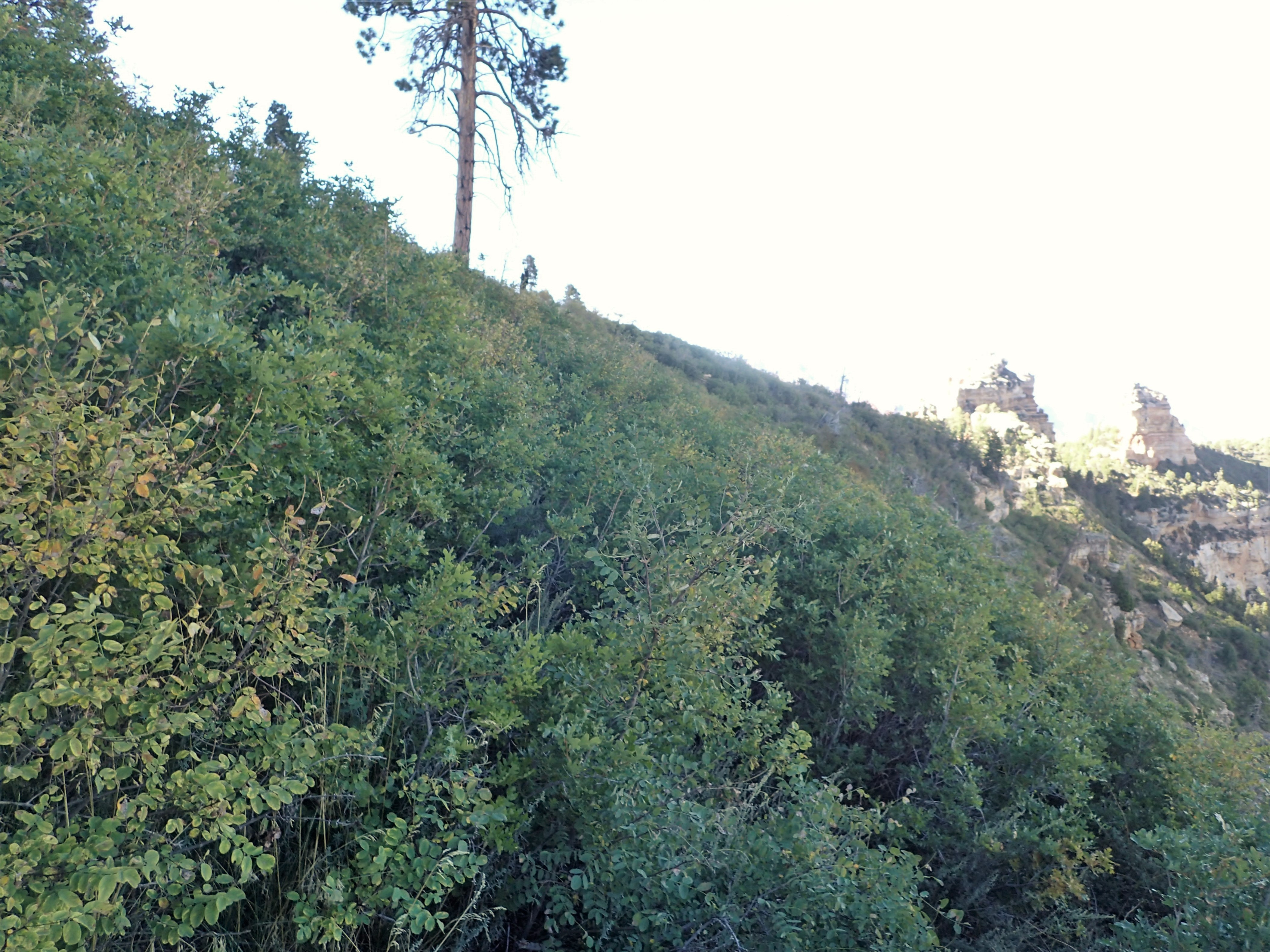
Robinia neomexicana, commonly known as New Mexico Locust, Rose Locust, or New Mexican Locust, is one of the most visually striking native shrubs and small trees of the Rocky Mountain Southwest. A member of the Fabaceae (pea/legume) family, this thorny, nitrogen-fixing plant produces spectacular cascading clusters of fragrant lavender-pink flowers in late spring — a display that rivals ornamental redbuds and is all the more remarkable for occurring in the harsh, dry mountain environments of Utah, Colorado, Arizona, and New Mexico. The genus Robinia was named in honor of Jean Robin, herbalist to the French King Henry IV, who grew the first black locust brought to Europe from North America in 1601.
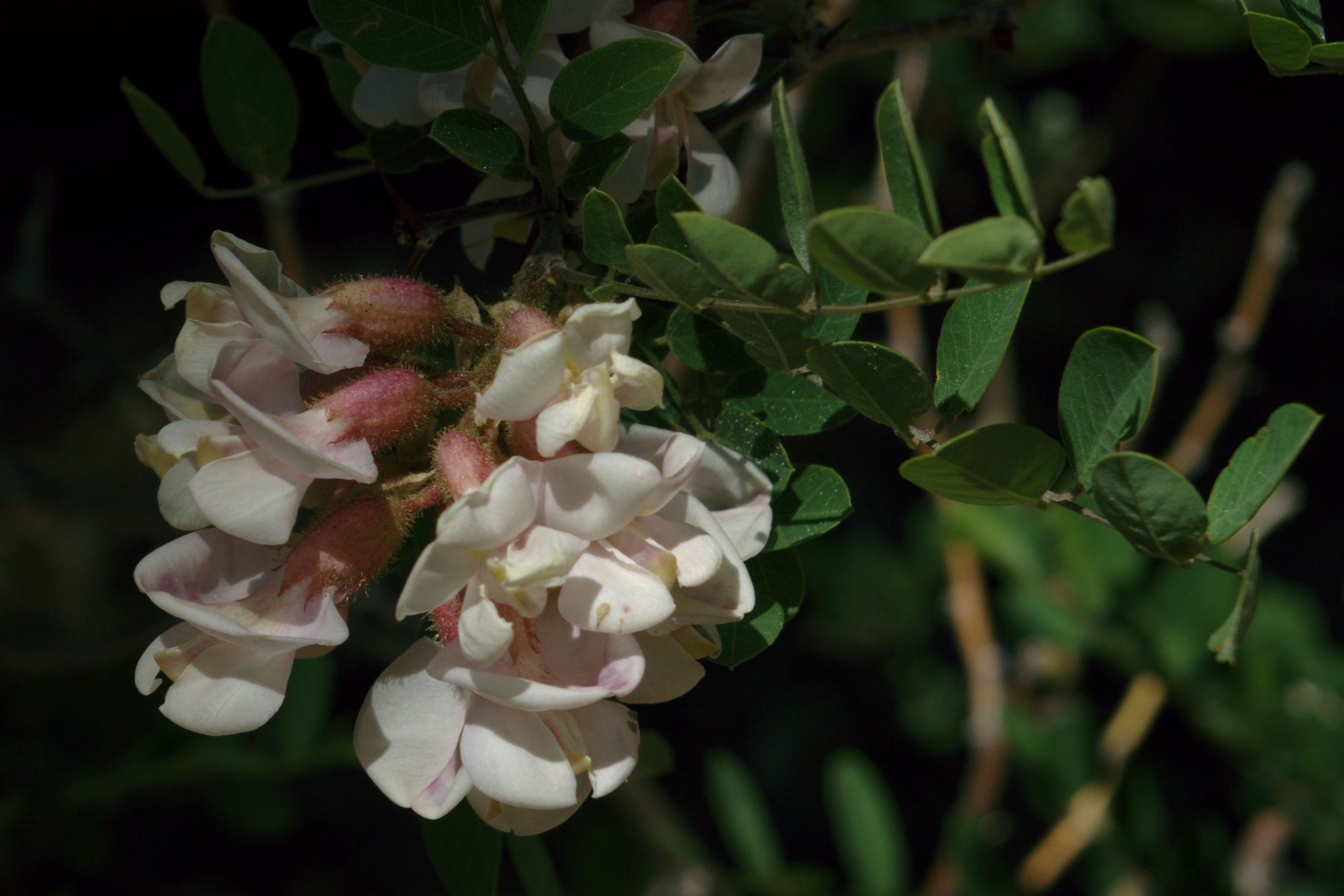
New Mexico Locust is distinguished from its close relative Black Locust (Robinia pseudoacacia) by its beautiful pink-purple flowers (vs. white), its more compact and shrubby growth habit, its preference for dry mountain elevations, and its native status throughout the Southwest. Unlike the introduced and often invasive Black Locust, New Mexico Locust is an ecological asset wherever it occurs — its root nodules fix atmospheric nitrogen and enrich the thin soils of canyon slopes, its flowers are magnets for bees and hummingbirds, and its seeds are important food for quail, squirrels, and other wildlife. The lavender flowers mentioned in the plant list comments are accurate — they are one of the most beautiful spring floral displays in the mountain shrub zone.
In Utah, New Mexico Locust occurs primarily on dry rocky slopes, canyon walls, and mountain ridges in the southern and central parts of the state, typically between 5,000 and 8,000 feet elevation. It is particularly common in the canyon country of the Colorado Plateau and the Wasatch Plateau, where it often grows in association with Gambel Oak, Cliffrose, and Big Sagebrush. Its ability to thrive on rocky, nutrient-poor soils (thanks to its nitrogen fixation), combined with its spectacular flowers, makes it an excellent choice for dry landscape gardens throughout the Intermountain West.
Identification
New Mexico Locust grows as a multi-stemmed, thicket-forming deciduous shrub or small tree, typically 6 to 15 feet tall, occasionally reaching 25 feet in sheltered canyon situations. Like all Robinia species, the stems and branches are armed with paired thorns (modified stipules) at the base of each leaf — sharp, stout, ¼ to ½ inch spines that make dense thickets nearly impenetrable for humans. The bark on young stems is reddish-brown and smooth; on older stems it becomes gray and slightly ridged.
Leaves
The leaves are pinnately compound, 4 to 10 inches long, with 9 to 21 oval to elliptic leaflets, each about ½ to 1 inch (12–25 mm) long. The leaflets are thin, gray-green on top and slightly paler and slightly hairy below. When the compound leaves emerge in spring (late, typically after most other shrubs), they have a soft, feathery appearance. The leaves turn yellow in fall before dropping. Like most legumes, the leaves close slightly at night (leaf folding or “sleep movement”), and the leaflets may droop in strong heat — normal behavior, not a sign of water stress.
Flowers
The flowers are the plant’s most spectacular feature — large for a locust, about ¾ to 1 inch long, lavender-pink to deep rose-purple, and borne in dense, pendulous racemes (hanging clusters) 2 to 4 inches long at the ends of short branches. Each individual flower is typical of the pea family: a large upper banner petal, two wing petals, and a keel at the base. Flowers appear from May through July, depending on elevation, and have a sweet, honeyed fragrance. The display typically lasts 2–3 weeks at any given site and is spectacular enough to be a landscape feature on its own.
Fruits & Seeds
After pollination (primarily by bumblebees), New Mexico Locust produces flat, brown seed pods 2 to 4 inches long, resembling small sugar snap pea pods. The pods mature in late summer and persist on the plant through fall and winter. Each pod contains 4–8 small, hard, brown seeds. The dry pods split in winter, releasing seeds that are eaten by quail, mourning doves, and small rodents. The seeds are hard-coated and require scarification (nicking or soaking) to germinate reliably.
Quick Facts
| Scientific Name | Robinia neomexicana |
| Family | Fabaceae (Legume/Pea Family) |
| Plant Type | Deciduous Shrub to Small Tree |
| Mature Height | 25 ft |
| Sun Exposure | Full Sun |
| Water Needs | Low to Moderate |
| Bloom Time | May – July (fragrant) |
| Flower Color | Lavender-pink to rose-purple |
| Nitrogen Fixing | Yes — root nodules fix atmospheric nitrogen |
| Wildlife Value | High — bee nectar, quail and squirrel seeds |
| USDA Hardiness Zones | 4–8 |
Native Range
New Mexico Locust is native to the dry mountain ranges and canyon country of the Rocky Mountain Southwest, ranging from southern Utah and southern Colorado south through Arizona, New Mexico, and into western Texas and northern Mexico. In Utah, it occurs primarily in the southern and central portions of the state — the canyon country of the Colorado Plateau, the Wasatch Plateau, and the mountains of the Great Basin — typically at elevations between 5,000 and 8,500 feet. It is not native to northern Utah and should be considered a marginal or zone-pushing selection in the northern Wasatch Front.
The species is particularly abundant in the canyon country of southern Utah and the high desert ranges of Arizona and New Mexico, where it often colonizes rocky canyon walls and disturbed slopes. It is a classic “edge species” — common where rocky, well-drained conditions transition from mountain shrub to Ponderosa Pine or mixed conifer forest. In the Sky Islands of Arizona, it forms an important component of the madrean woodland understory. New Mexico Locust hybridizes with Black Locust (Robinia pseudoacacia) where the two species come in contact, producing plants with intermediate flower colors (ranging from pink to pale lavender).
As a nitrogen-fixing legume, New Mexico Locust is ecologically important in post-disturbance succession. After fire or other disturbances that expose bare mineral soil, it is often one of the first woody plants to colonize and establish — its ability to fix atmospheric nitrogen through symbiotic root bacteria gives it a competitive advantage on nutrient-poor substrates. This colonization role helps initiate soil building and facilitates the eventual reestablishment of more nitrogen-demanding species.
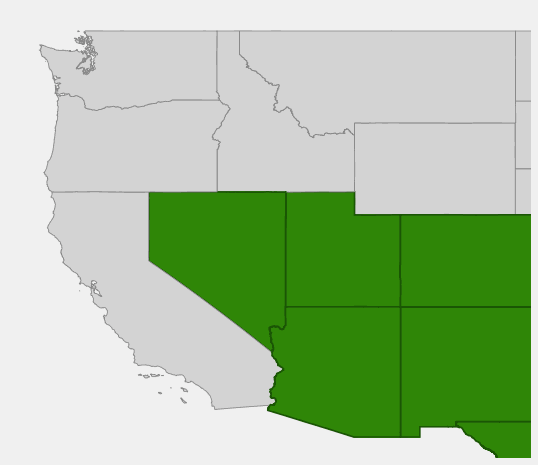
📋 Regional plant lists featuring New Mexico Locust: Utah
Growing & Care Guide
New Mexico Locust is an excellent choice for low-water, high-impact gardens in the Intermountain West. Its stunning flower display, nitrogen-fixing soil improvement, and exceptional wildlife value make it a multi-functional landscape plant. The key to success is providing well-drained soil, full sun, and patience during the establishment period.
Light
New Mexico Locust thrives in full sun and produces its best flower display in the sunniest locations. It tolerates partial shade but blooms less prolifically in shaded conditions. South and west-facing slopes, where it receives maximum sun exposure, are ideal planting sites that mimic its natural canyon wall habitat.
Soil & Water
Well-drained to dry soil is preferred. New Mexico Locust grows naturally on rocky, shallow, nutrient-poor soils where few other plants can compete — thanks to its nitrogen-fixing capability, it does not require fertile soil. It is intolerant of wet, waterlogged soils. Once established, it is quite drought tolerant and can survive on 10–15 inches of annual rainfall with minimal supplemental irrigation. During the first two growing seasons, deep watering every 1–2 weeks during summer will help establishment. Mature plants are highly self-sufficient.
Planting Tips
Plant in spring after last frost, or in early fall. Container-grown plants establish most reliably. Space plants 8–12 feet apart if planting a group, recognizing that they will spread by root sprouts over time. The thorny stems make this plant a natural barrier hedge — excellent for fencing off areas from deer or creating an impenetrable wildlife thicket. Handle with care during planting to avoid the sharp paired thorns.
Pruning & Maintenance
New Mexico Locust requires little pruning. Remove dead wood in late winter. To control spread, remove unwanted root sprouts as they appear. The plant can be cut back hard (coppiced) to 6–12 inches if it becomes overgrown — it will resprout vigorously from the root crown. This coppicing can also rejuvenate an old, leggy plant and encourage better flowering. Note that fresh growth after cutting is especially vigorous and thorny.
Landscape Uses
- Specimen flowering shrub — spectacular spring bloom rivals any ornamental shrub
- Barrier hedge — impenetrable thorny thicket deters deer and intruders
- Slope stabilization and erosion control — spreading root system on steep ground
- Pollinator garden anchor — major nectar source for bees and hummingbirds
- Post-disturbance revegetation — colonizes difficult rocky areas
- Wildlife thicket — provides dense cover and seeds for quail and small mammals
- Soil improvement — nitrogen fixation improves nearby soil fertility
Wildlife & Ecological Value
New Mexico Locust provides exceptional wildlife benefits across multiple seasons, from spring nectar to fall and winter seeds, combined with dense thorny cover that shelters diverse wildlife.
For Birds
The fragrant lavender-pink flowers are excellent nectar sources for hummingbirds — Black-chinned and Broad-tailed Hummingbirds visit the flowers regularly during spring migration and breeding. The seed pods provide food for Gambel’s Quail, Scaled Quail, Mourning Dove, and various sparrows and towhees in fall and winter. Dense thickets provide superior nesting cover for Black-throated Sparrows, Crissal Thrashers, Curve-billed Thrashers, and other shrubland species in the Southwest.
For Mammals
Squirrels — including Rock Squirrels and Abert’s Squirrels — consume the seeds, often caching them for winter. Deer occasionally browse the foliage, though they tend to prefer other species when available. The impenetrable thorny thickets create exceptional cover and escape habitat for rabbits, chipmunks, and other small mammals. In southern Utah and Arizona canyon country, ringtails use locust thickets as daytime resting sites.
For Pollinators
New Mexico Locust is a premier bee plant of the mountain Southwest. Bumblebees are the primary pollinators and work the flowers intensively during peak bloom. Mining bees, sweat bees, and leaf-cutter bees also visit. The flowers produce both pollen and nectar abundantly and are visited by dozens of native bee species. Because New Mexico Locust blooms relatively late in spring (May–July at mountain elevations), it provides critical nectar at a time when many early-spring flowers have already finished blooming.
Ecosystem Role
Beyond its wildlife services, New Mexico Locust plays a critical ecological role as a nitrogen-fixer. Through symbiotic bacteria (Mesorhizobium and related genera) in specialized root nodules, it converts atmospheric nitrogen gas into biologically available forms that enrich the surrounding soil. This process is especially important in the nutrient-poor, rocky soils of the Colorado Plateau and canyon country, where New Mexico Locust acts as a soil-building pioneer. Its dense root system helps stabilize steep, rocky slopes and reduces erosion after fire and disturbance. The combination of nitrogen fixation, erosion control, and wildlife habitat creation makes it a truly multi-functional ecological species.
Cultural & Historical Uses
New Mexico Locust has a history of use among the Indigenous peoples of the Southwest, including the Navajo, Apache, and various Pueblo nations. The wood, though often not large enough for major construction, was valued as a hard, dense fuel wood — it burns hot and produces excellent coals, making it superior to softer desert shrub species for cooking fires. The Navajo used the wood for digging sticks, bows, and arrow shafts where straight, dense wood was needed. The seeds were occasionally eaten in times of food scarcity, though they require cooking to neutralize their mild toxicity (raw locust seeds contain toxic glycosides).
Medicinally, New Mexico Locust was used by several southwestern peoples. A tea or wash made from the bark was applied to skin sores and swellings as an astringent. The roots were used in some traditions as a treatment for toothache — pieces of root placed against the gum reportedly provided relief through the numbing properties of the plant’s alkaloids. The flowers, though mildly toxic in large quantities, were consumed in small amounts as a food flavoring by some groups and were mixed with fat for ceremonial use.
In the landscape history of the American Southwest, New Mexico Locust’s role as a post-fire colonizer has been long recognized by land managers and ecologists. Following the massive wildfires that have affected Utah and Arizona canyon country in recent decades, New Mexico Locust is often one of the first woody species to reestablish, sometimes forming dense stands that dramatically accelerate ecological recovery. Federal land managers increasingly include New Mexico Locust in post-fire restoration seed mixes for the canyon country of the Southwest, recognizing its combination of rapid establishment, nitrogen fixation, erosion control, and wildlife value as ideal for jump-starting ecosystem recovery on burned or degraded lands.
Frequently Asked Questions
Is New Mexico Locust toxic?
Like other members of the genus Robinia, New Mexico Locust contains toxic compounds in its bark, leaves, and seeds (primarily robin, a glycoprotein, and robitin). These toxins can cause nausea, vomiting, and other gastrointestinal symptoms if consumed in quantity. The plant is not recommended for consumption by humans or livestock without proper preparation. The flowers are said to be less toxic and were sometimes eaten in small amounts by Indigenous peoples, but caution is advised.
Does New Mexico Locust fix nitrogen?
Yes — like all Robinia species and many legume family members, New Mexico Locust forms symbiotic relationships with nitrogen-fixing bacteria (primarily Mesorhizobium species) in specialized root nodules. These bacteria convert atmospheric nitrogen gas into ammonia that the plant can use, and which also enriches the surrounding soil. This makes New Mexico Locust a soil-building species that improves conditions for neighboring plants over time.
How do I propagate New Mexico Locust?
The easiest propagation method is digging and separating root sprouts from an established plant. Seeds can also be collected in fall and germinated after scarification — nick the hard seed coat with sandpaper or soak seeds in boiling water for 30 seconds before planting. Seeds germinate readily once the hard coat is broken. Cuttings are more challenging but possible with semi-hardwood cuttings taken in mid-summer with rooting hormone.
When does New Mexico Locust bloom in Utah?
Bloom time depends on elevation. At lower elevations (5,000–6,000 ft) in southern Utah, flowering typically begins in mid-May. At higher elevations (7,000–8,500 ft), peak bloom occurs from late June through July. The flower display lasts 2–4 weeks at any given location and is strongly weather-dependent — cool, cloudy weather extends the bloom period while hot, dry weather shortens it.
Will New Mexico Locust spread and become a problem?
New Mexico Locust spreads by root sprouts and can colonize a considerable area over time. In its native environment this is entirely appropriate behavior, and the thickets provide valuable wildlife habitat. In a formal garden, you may need to occasionally remove unwanted sprouts. The spreading habit is easily controlled by removing new sprouts before they establish — once an unwanted sprout is 3+ years old, removal becomes more involved. Plan your planting accordingly and choose sites where spreading is acceptable.

Looking for a nursery that carries New Mexico Locust?
Browse our native plant nursery directory: Utah