Showy Fleabane (Erigeron speciosus)
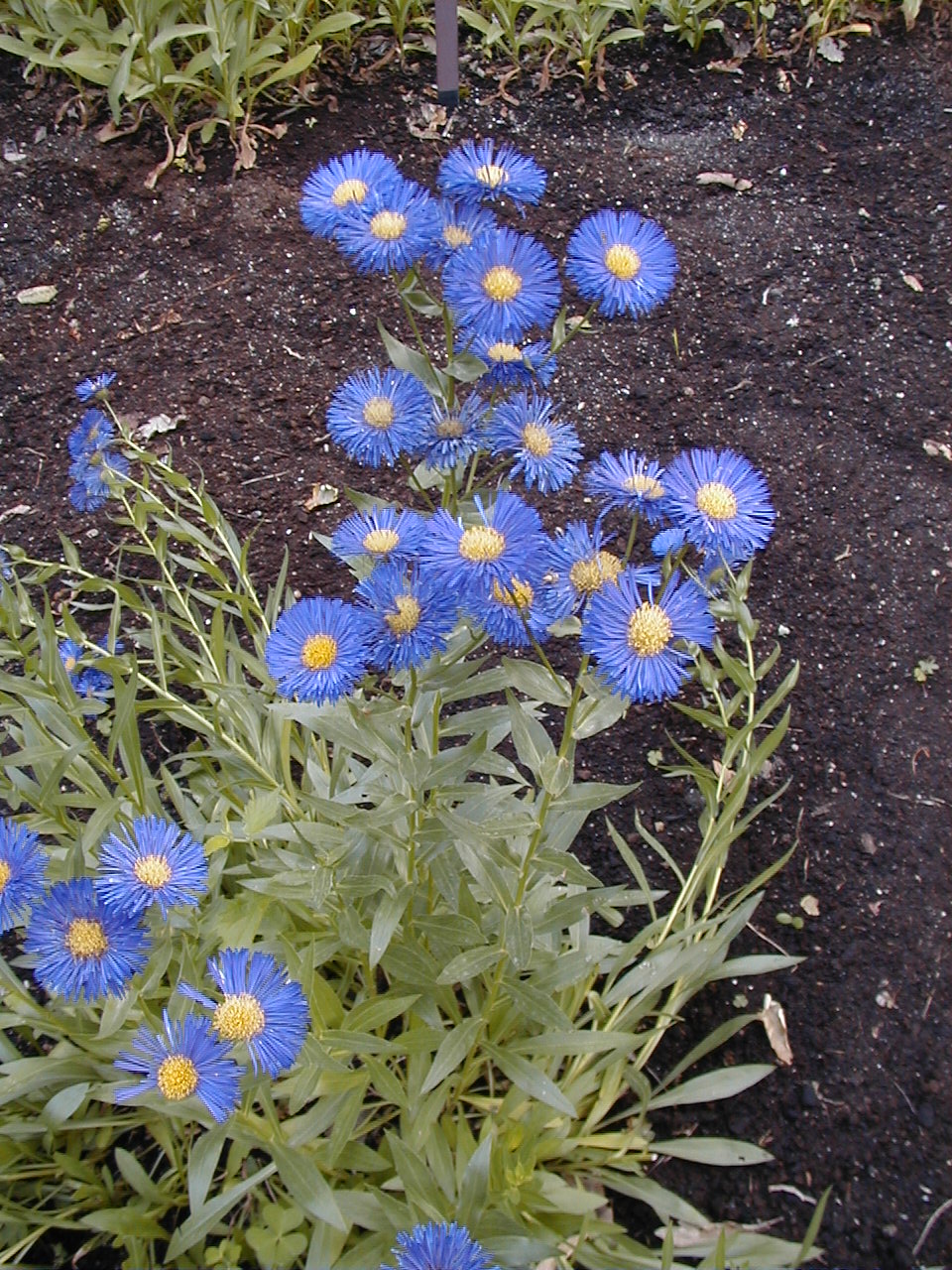
Erigeron speciosus, commonly known as Showy Fleabane or Aspen Fleabane, is one of the most attractive and garden-worthy native wildflowers of western North America’s mountain meadows and forest edges. This perennial herb produces a spectacular display of daisy-like flowers — typically lavender-purple to pale violet, with bright yellow centers — held above tufts of lance-shaped, semi-evergreen foliage from late spring through mid-summer. True to its common name, Showy Fleabane is genuinely showy: it is arguably the most ornamentally impressive of all the native Erigeron species in the West, and has given rise to a number of popular garden cultivars.
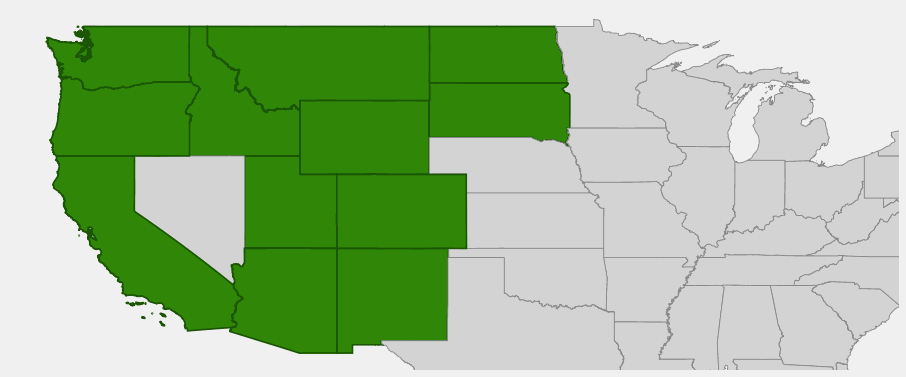
Showy Fleabane is a plant of mid-to-high elevation habitats in the western mountains — found most abundantly in aspen groves, spruce-fir forest edges, mountain meadows, and subalpine grasslands from Arizona and New Mexico north to British Columbia and east to the Black Hills of South Dakota. In Arizona, it occurs in the sky island mountain ranges and along the Mogollon Rim, typically growing at elevations of 6,000 to 10,000 feet. It is semi-evergreen — the basal rosette of leaves persists through winter under snow, maintaining some green color, and the plant is among the first wildflowers to show growth when snow melts in spring.
For gardeners at high elevations in Arizona and the Mountain West, Showy Fleabane is an essential native perennial. It thrives in the challenging conditions of mountain gardens — short growing seasons, intense UV radiation, cold winters, and periodic drought — and rewards with weeks of abundant bloom. Its moderate water needs make it adaptable to both irrigated and unirrigated settings, and its long blooming season makes it invaluable for mountain pollinator gardens. The species epithet speciosus means “showy” or “beautiful” in Latin — a fitting name that botanists got exactly right.
Identification
Showy Fleabane is a leafy-stemmed perennial herb forming basal clumps of foliage from which multiple flowering stems arise. Plants are typically 12 to 20 inches tall in flower, with a spread of 12 to 18 inches. The overall appearance is of a clump-forming daisy with an upright, branching habit and abundant flowers.
Leaves & Stems
The basal leaves are spatula-shaped to lance-shaped, 2 to 6 inches long, with smooth to slightly hairy margins. They are held in a loose basal rosette that persists through much of the winter — hence the “semi-evergreen” character described in the batch data. Stem leaves are alternate, stalkless, and clasp the stem slightly at the base — a characteristic feature useful in identification (distinguishing it from many other fleabanes that have non-clasping stem leaves). Stems are erect, branching in the upper portions, hairy, and produce multiple flower heads. The entire plant has a fresh, slightly aromatic scent when touched.
Flowers
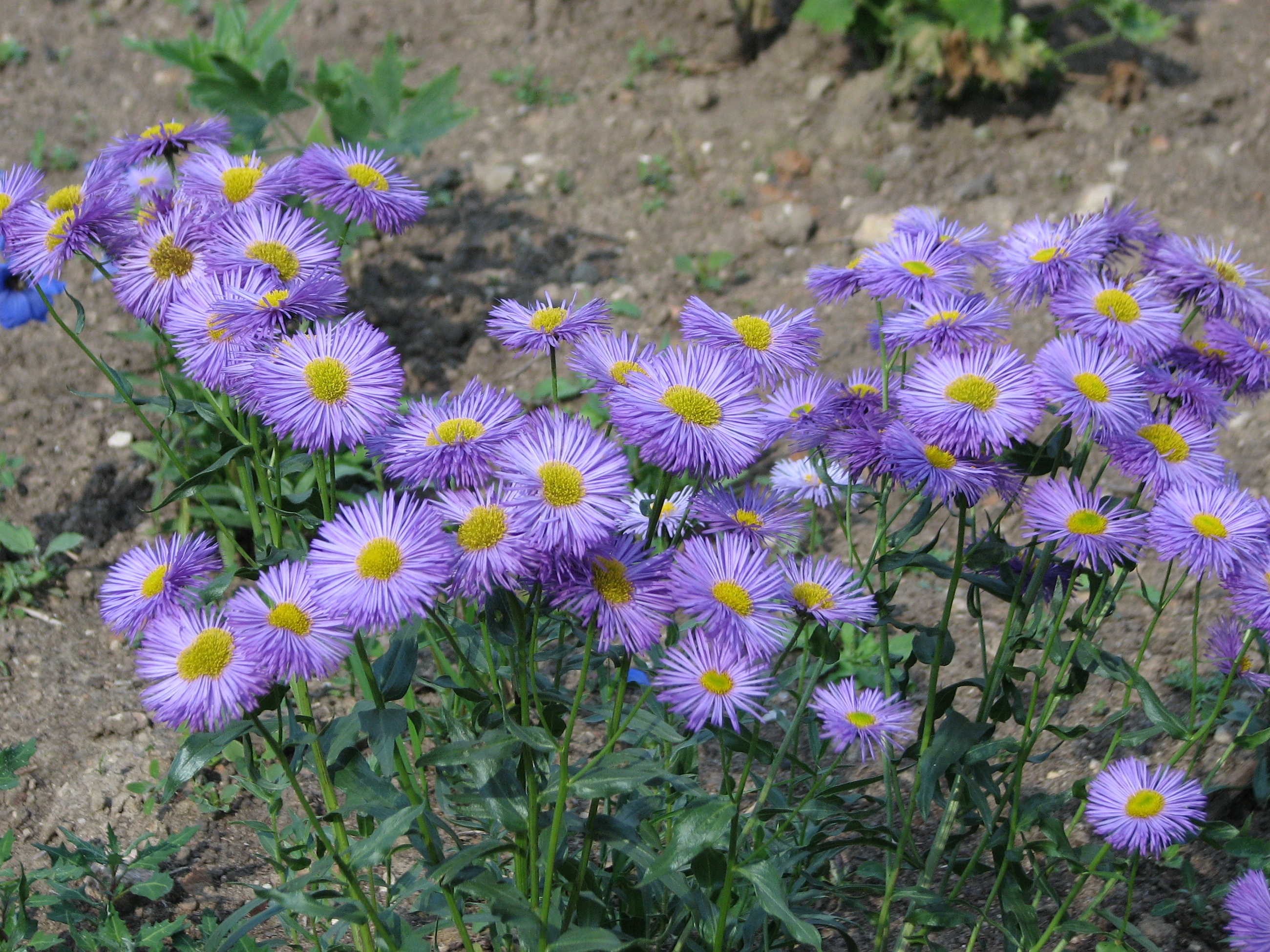
The flower heads are the main ornamental feature — composite “daisy” flowers 1 to 1½ inches in diameter, with 75 to 150 very narrow ray florets (petals) that are pale violet to lavender-purple, occasionally white or pinkish, surrounding a central disk of bright yellow tubular florets. The ray florets are notably more numerous and narrower than those of most daisies, giving the flower a more refined, almost fringed appearance. Multiple flower heads are borne on each branching stem, creating a “cloud” effect during peak bloom. Flowering season is May through August, with peak bloom June to July at most Arizona elevations.
Fruit & Seeds
Seeds are small achenes with a pappus (feathery crown) of hair-like bristles — the “parachute” mechanism characteristic of the daisy family. Seeds are wind-dispersed and readily germinate in disturbed soil. The plant self-seeds moderately, creating small colonies over time in garden settings.
Quick Facts
| Scientific Name | Erigeron speciosus |
| Family | Asteraceae (Daisy) |
| Plant Type | Semi-evergreen Perennial Herb |
| Mature Height | 1.5 ft |
| Sun Exposure | Full Shade |
| Water Needs | Moderate |
| Bloom Time | May – August |
| Flower Color | Lavender-purple to violet with yellow center |
| Foliage | Semi-evergreen |
| Soil Type | Well-drained, loamy to sandy; slightly acidic to neutral |
| USDA Hardiness Zones | 3–8 |
Native Range
Showy Fleabane is native to western North America, ranging from Arizona and New Mexico northward through the Rocky Mountain states to British Columbia and Alberta, and eastward to the Black Hills of South Dakota and the northern Great Plains. It is primarily a mountain species, most abundant in the mid-elevation and subalpine zones of the Rocky Mountain system.
In Arizona, Showy Fleabane occurs in the sky island mountain ranges of the southeast — particularly the Pinaleño, Chiricahua, Santa Catalina, and White Mountains — as well as along the Mogollon Rim and in the San Francisco Peaks region near Flagstaff. It typically grows at elevations of 6,000 to 10,000 feet, in habitats ranging from open meadows and grassland margins to aspen groves, spruce-fir forest edges, and subalpine talus slopes. It is commonly found growing alongside Blue Columbine, Penstemons, Yarrow, and mountain grasses.
Throughout its range, Showy Fleabane is associated with moderate soil moisture — not dry desert conditions and not waterlogged soils — and is characteristic of the “moist mountain meadow” habitat type. It benefits from the reliable summer monsoon moisture that characterizes the “Arizona Monsoon” region of the Southwest, which brings predictable rain from July through September at higher elevations. This moisture availability separates the habitats of Showy Fleabane from the drier desert grassland habitats immediately below.
📋 Regional plant lists featuring Showy Fleabane: Arizona
Growing & Care Guide
Showy Fleabane is an ideal perennial for mountain and high-elevation gardens, thriving where many plants struggle. Its adaptability to cold winters, moderate drought, and challenging mountain soils makes it a dependable performer in difficult sites.
Light
In its natural mountain habitat, Showy Fleabane grows in a range of light conditions — from fully open meadows to the filtered light beneath aspen groves. The batch data’s classification for this species reflects its shade tolerance for the Arizona mountain setting. However, for maximum flower production, plant in a location receiving morning sun with afternoon shade, or dappled light throughout the day. In high-elevation mountain gardens, the intense UV radiation can stress plants in exposed locations, making some shade protection beneficial.
Soil & Water
Showy Fleabane prefers well-drained, loamy to sandy soil — not heavy clay and not constantly wet. It naturally grows in mountain meadow soils that are well-drained between rain events. In gardens, it thrives with moderate supplemental irrigation, especially during dry spells. Water deeply once or twice a week during summer in high-elevation Arizona gardens. In lower-elevation plantings (below 5,000 ft), it will need consistent moisture and protection from heat. Soil pH should be slightly acidic to neutral (6.0–7.2). Avoid waterlogged soils or sites with poor drainage, as root rot is a common cause of failure.
Planting Tips
Plant in spring after frost danger has passed, or in early fall before first frost. Showy Fleabane is commonly available as container plants from native plant nurseries in Arizona and the Mountain West, particularly those specializing in high-elevation plants. It can also be grown from seed, started indoors 8 to 10 weeks before the last frost date. Direct seeding in fall (winter sowing) works well — the seeds require cold stratification to germinate, which occurs naturally when planted outdoors in fall or winter. Space plants 12 to 18 inches apart for a naturalistic planting.
Pruning & Maintenance
Cut spent flower stems back to the basal foliage after blooming to encourage a possible second flush of flowers and to keep the plant looking tidy. The semi-evergreen basal rosette can be left through winter — it provides winter interest and protects the crown. In late winter or early spring, trim back any dead or damaged leaves from the rosette before new growth emerges. Showy Fleabane spreads moderately by seed; remove spent flower heads before they disperse seed if you want to control spread. Division every 3 to 4 years rejuvenates the clumps.
Landscape Uses
- Mountain meadow gardens — naturalistic plantings at high elevations
- Perennial border accent — lavender-purple color complements grasses and yellow-flowered natives
- Aspen grove understory — one of the best flowering plants for filtered light under aspens
- Rock gardens at appropriate elevations
- Pollinator habitat — one of the most productive native pollinators plants for mountain gardens
- Cut flowers — excellent in fresh-cut arrangements with long vase life
Wildlife & Ecological Value
Showy Fleabane is a valuable ecological resource in mountain habitats, particularly for pollinators during the critical mid-summer flowering period.
For Birds
The small, feathery seeds of Showy Fleabane are consumed by various seed-eating birds including American Goldfinches, Pine Siskins, and mountain sparrows. The flowers attract numerous insects that provide food for insectivorous birds. The semi-evergreen foliage rosettes provide some cover at ground level during winter, protecting small birds during cold spells.
For Mammals
Small mammals including deer mice and voles occasionally consume the seeds. Deer and elk may occasionally browse the foliage, but generally prefer other plants when available. The plant’s low palatability to most large herbivores helps it persist in grazed mountain meadows.
For Pollinators
Showy Fleabane is an outstanding pollinator plant. The flowers provide abundant nectar and pollen for a remarkable diversity of native bees — particularly bumblebees, which are abundant in mountain meadows and whose long tongues can access the central disk florets effectively. Sweat bees, mining bees, and various small native bees also visit regularly. The flowers attract numerous butterfly species including various fritillaries, skippers, and blues that frequent mountain meadows. The extended blooming season (May through August) makes it particularly valuable, bridging the gap between spring ephemerals and later summer bloomers.
Ecosystem Role
In mountain meadow ecosystems, Showy Fleabane is a component of the diverse wildflower community that supports the high-altitude pollinator guild — the bumblebees, mining bees, and other specialists that live and breed at elevation. The persistence of its semi-evergreen rosette through winter helps stabilize mountain soils and provides the earliest green growth for wildlife emerging from hibernation in spring.
Cultural & Historical Uses
Various Erigeron species have been used medicinally by Indigenous peoples throughout North America. Showy Fleabane and related species were used by several Rocky Mountain and Southwest tribes for treatments ranging from headaches and fever to skin conditions. The Navajo used related fleabane species as a component of ceremonial preparations, and various Plateau tribes used the plant in steam baths for treating respiratory conditions. The common name “fleabane” derives from an old European belief that the dried plant repelled fleas — a use attributed to the genus name by early European herbalists, though this specific property has not been scientifically verified.
The genus Erigeron (Greek for “early old man,” referring to the early appearance of white-haired seed heads) contains hundreds of species distributed globally, making it one of the most botanically diverse genera in the daisy family. Showy Fleabane’s particularly attractive form led to its early introduction into European and American horticulture, where it became the parent of a number of popular garden cultivars including ‘Quakeress’ (pale pink), ‘Azure Fairy’ (lavender-blue), and ‘Prosperity’ (mauve-pink). These cultivars have been widely grown in European and British cottage gardens since the early 20th century, representing one of the many cases where a North American native plant achieved greater horticultural prominence in Europe before being recognized as a garden plant in its home continent.
In modern conservation horticulture, Showy Fleabane is increasingly recognized as a priority species for high-elevation native plant gardens, wildflower meadow restorations, and pollinator habitat plantings in the Mountain West. Seed mixes for mountain meadow restoration often include it as a key species. Native plant societies in Arizona, Colorado, and the Pacific Northwest promote it as an excellent choice for gardeners seeking native alternatives to cultivated asters and daisies.
Frequently Asked Questions
How is Showy Fleabane different from other daisies?
Showy Fleabane (Erigeron speciosus) differs from true asters (Symphyotrichum spp.) in having more numerous, narrower ray florets — giving the flower a more finely fringed appearance. Its ray florets can number 75 to 150, versus 20 to 50 for most asters. It also typically has clasping stem leaves (not found in most asters) and a more compact, clumping growth habit. The overall effect is more delicate and refined than most asters.
At what elevation does Showy Fleabane grow in Arizona?
In Arizona, Showy Fleabane is most commonly found between 6,000 and 10,000 feet elevation — in the sky island mountains, Mogollon Rim, and San Francisco Peaks region. It is not suitable for low-desert gardens in the Phoenix or Tucson metro areas but thrives in mountain communities like Flagstaff, Prescott (higher elevations), Alpine, and Show Low.
Does Showy Fleabane spread aggressively?
Showy Fleabane spreads moderately by seed and forms slowly expanding clumps. It is not considered aggressive or invasive. In garden settings, it may produce seedlings near the parent plant that are easy to remove or transplant. Division of mature clumps every few years prevents overcrowding and maintains vigor.
Can Showy Fleabane be grown from seed?
Yes — Showy Fleabane grows readily from seed, but the seeds require a period of cold stratification (or natural winter cold) before germinating. The easiest method is winter sowing — planting seeds in fall directly outdoors, or in containers left outside through winter. Alternatively, stratify seeds in a moist paper towel in the refrigerator for 4 to 6 weeks before planting indoors in late winter.
What are the popular garden cultivars of Showy Fleabane?
Several popular cultivars exist, including ‘Prosperity’ (mauve-pink, widely grown in British gardens), ‘Azure Fairy’ (lavender-blue), ‘Quakeress’ (pale pink-white), and ‘Darkest of All’ (deep violet). These cultivars may be available from specialty perennial nurseries, though growing the straight species from native seed sources is recommended for ecological restoration and naturalistic plantings.

Looking for a nursery that carries Showy Fleabane?
Browse our native plant nursery directory: Arizona