
Dark Blue Penstemon (Penstemon cyaneus)
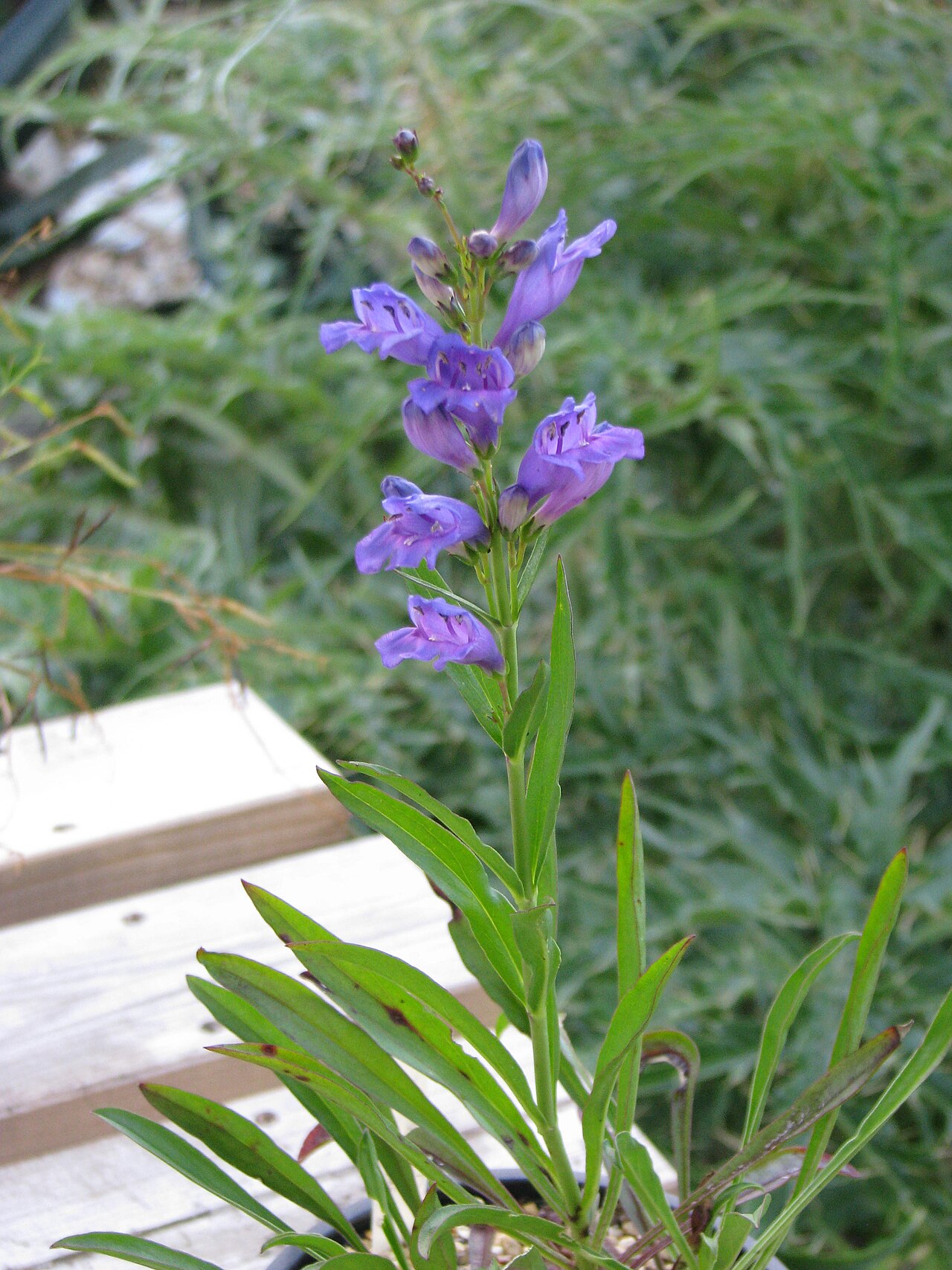
Dark blue penstemon brings a concentrated splash of blue to a dry garden without requiring the permanently damp soil expected by many lush border perennials. Its upright flowering stalks rise from a leafy base, creating a useful middle layer between low ground covers and larger sagebrush or bunchgrasses. Plant it where the flowers can be seen against a quiet background rather than buried among taller, faster-growing plants.
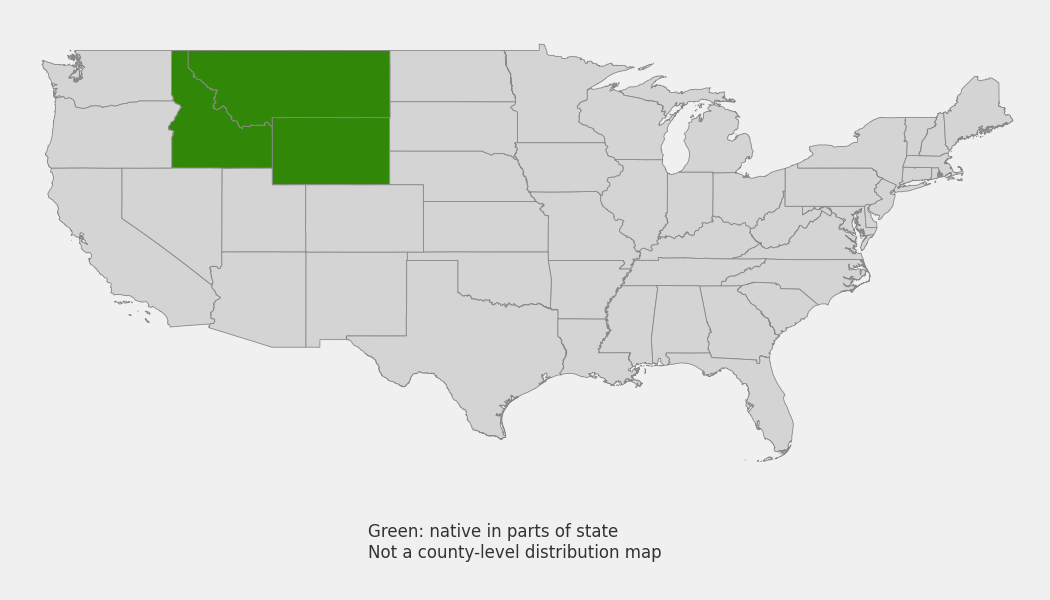
This is Penstemon cyaneus, not every blue-flowered penstemon sold under a loose common name. It has a comparatively focused native distribution centered on Idaho and extending into Montana and Wyoming. A plant can grow successfully in a garden outside that range without becoming a locally native species. Our Idaho, eastern Oregon and eastern Washington table includes this plant for the Idaho part of the region; it should not be read as evidence of native occurrence in Oregon or Washington.
The best starting point is a sunny, well-drained site and nursery stock or seed identified to species. Give a new transplant enough water to root beyond its potting mix, then gradually manage it as a low-water perennial. Repeated watering of an already wet crown is a greater concern than a brief dry spell once it is established. The distinction between establishment care and long-term care is especially important in irrigated home landscapes.
Identification
Stems and Overall Form
An upright perennial arising from a branched perennial base, with flower stalks held well above the leaves. Look at the base as well as the flowering shoots. A plant’s permanent framework can remain much shorter than its seasonal flower stalks, so label measurements carefully when comparing it with a nursery listing. Observe an established specimen over a full season before judging its final shape from a recently purchased plug.
Leaves
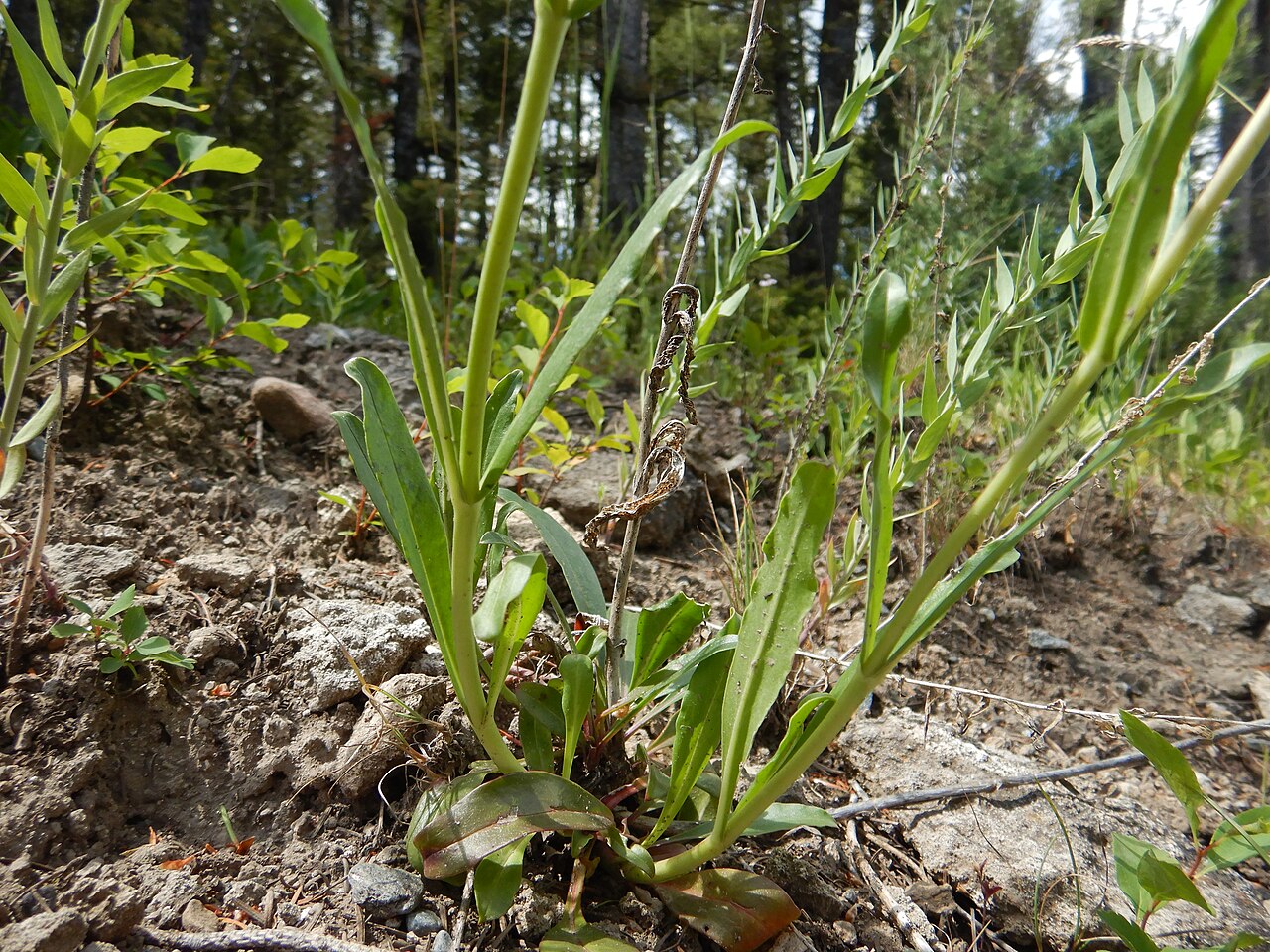
Smooth, opposite stem leaves and a basal leafy mound; foliage may look blue-green or waxy. Check several leaves from both flowering and nonflowering shoots. Shade, irrigation and growth stage can change leaf size, while nursery plants may be more luxuriant than wild specimens. Leaf appearance alone is not enough to certify a wild-collected plant; combine it with the flower and locality.
Flowers
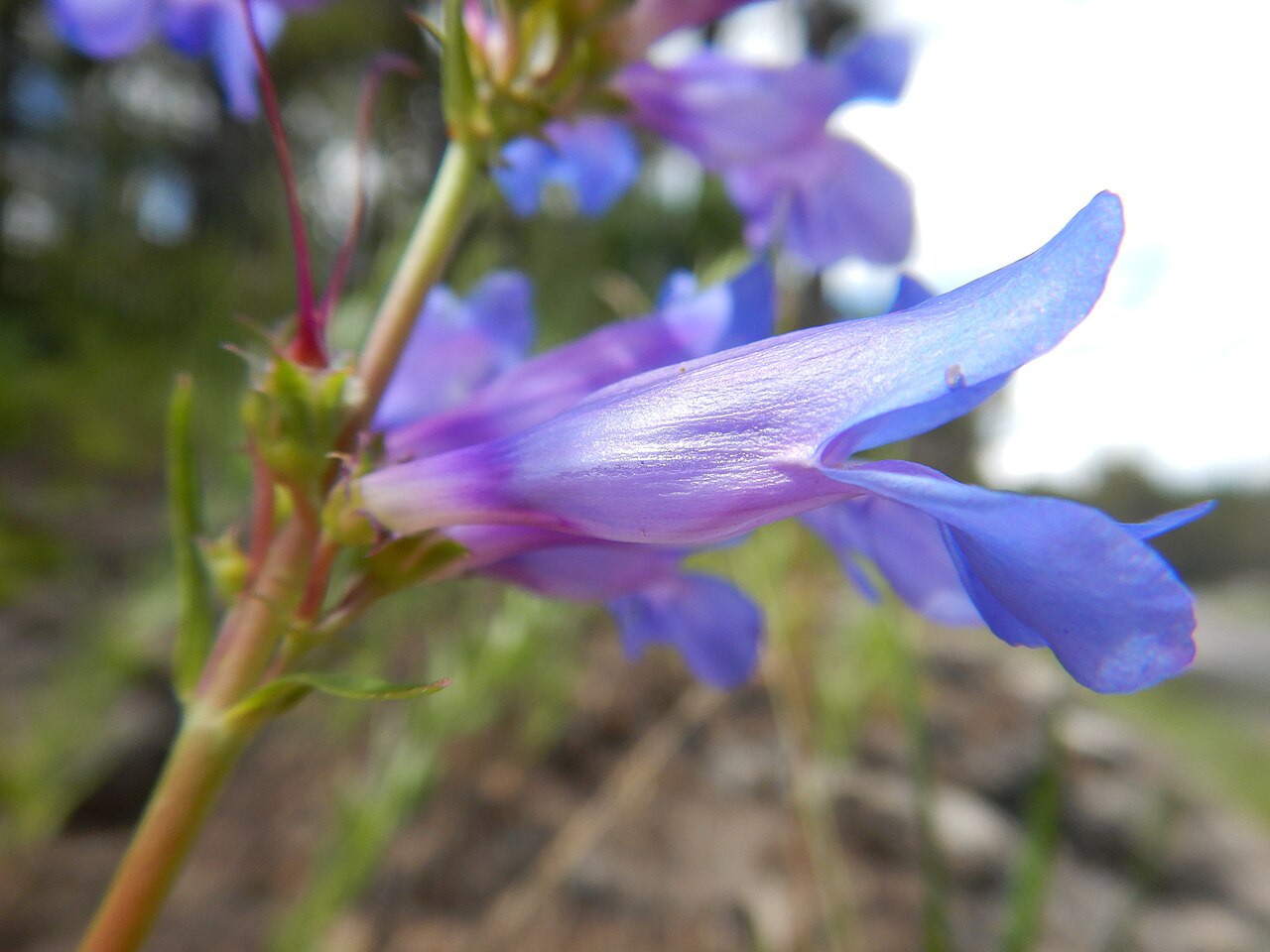
Upright stems carry sizeable blue tubes. Broad, rounded calyx lobes help separate this species from some similar penstemons, but identification should use a regional key. Penstemon flowers contain four fertile stamens and a sterile staminode, the feature behind the name beardtongue. The amount and placement of hair on these structures can matter in identification. Photograph the front and side of an open flower without picking an entire wild stalk.
Fruit and Seeds
After flowering, dry capsules develop along the stalk. They are not fleshy berries. As capsules mature and open, small seeds can escape easily, so a brown stalk may already be empty. Leave some stems in place if natural recruitment is welcome. For nursery seed collection, take only fully mature material from known cultivated stock, label it immediately and avoid mixing adjacent species.
Avoiding Lookalikes
Several penstemons can share a general flower color or growth habit. Check the complete botanical name on purchased stock and preserve any provenance information. Hybrids and named garden selections should retain their own labels. If identification is uncertain, a regional flora or herbarium is more reliable than matching one flower photograph from an image search.
Quick Facts
| Scientific Name | Penstemon cyaneus |
| Family | Plantaginaceae (plantain family) |
| Plant Type | An upright perennial arising from a branched perennial base, with flower stalks held well above the leaves |
| Mature Height | 12–32 inches in flower; shorter plants occur |
| Mature Spread | About 18–24 inches; varies with seed source |
| Growth Rate | Moderate; flowering timing depends on establishment and winter conditions |
| Sun Exposure | Full sun |
| Water Needs | Low to moderate; dry between waterings after establishment |
| Soil Type | Well-drained mineral soil; avoid waterlogged or heavily enriched beds |
| Soil pH | Use well-drained ordinary garden soil; no narrow pH target prescribed |
| Bloom Time | Late spring to early summer, usually May–July |
| Flower Color | Blue to blue-violet |
| Fall Color | Variable; foliage may darken or persist, not selected for reliable fall color |
| Fruit | Dry capsules containing small seeds |
| Deer Resistant | Not deer-proof; browsing varies with local pressure |
| USDA Hardiness Zones | No single verified species-wide USDA-zone range assigned; consult a regional grower for the accession. |
Native Range
Native-range accounts from USDA and Utah State University place dark blue penstemon in Idaho, southwestern Montana and northwestern Wyoming. The map highlights those three states only. It does not imply continuous occurrence across their deserts, forests or agricultural lowlands, and it does not include states merely because garden photographs or commercial seed trials were made there.
Open sagebrush country and upland sites provide the ecological setting for this species. Drainage, exposure and seasonal moisture vary strongly over short distances in these landscapes. A foothill planting with porous soil may behave very differently from a cold, compacted basin only a few miles away. Match the garden site to the growing conditions rather than choosing solely from a state name.
For restoration, retain the collection location and seed-lot identity. Commercial garden material may be entirely suitable for a designed landscape yet inappropriate for a wildland project. Ask a local restoration specialist about provenance before moving seed among watersheds or mountain ranges. The regional list is a starting point for that conversation, not a substitute for a project-specific seed specification.
📋 Regional plant list: Idaho, Eastern Oregon and Eastern Washington
Growing & Care Guide
Light
Choose a site with direct sunlight for much of the day and enough open space that surrounding plants do not shade the crown by midsummer. Watch the site through a full growing season: a bed that looks bright before shrubs leaf out may later be too dim. If stems become stretched and lean strongly, reassess light and competition before adding fertilizer. Shrubby penstemon can accommodate light open shade, but none of these dry-site choices belongs in a dark, persistently damp corner.
Soil and Water
The crucial property is drainage through the root zone, not simply a dry-looking surface. Check the bed after a substantial rain or irrigation cycle. If water remains around the crown, improve the broader site or select another position rather than relying on a handful of gravel in the planting hole. Water a new transplant so that the root ball and adjacent soil both become moist, then allow aeration between applications. Gradually increase the interval as roots establish; do not maintain a permanently wet ring around a mature plant.
Planting Tips
Plant during a season when temperatures are moderate and follow the nursery’s advice for the local climate. Remove the pot carefully, inspect for tightly circling roots and ease only obvious congestion without stripping the root ball apart. Set the crown at its previous depth. Backfill with compatible soil, water to settle it, and check the plant again after settling. Avoid piling bark mulch against the shoots. Mark the planting date and keep the nursery label so that future observations remain tied to the correct species and source.
Spacing and Companions
Allow room for the mature spread rather than arranging young plants shoulder to shoulder. A little visible mineral soil or fine gravel between crowns can be intentional, especially in a dry garden. Pair plants with companions that accept similar watering, then keep taller species from leaning over the penstemon. Do not crowd a small shrub-like form against an aggressive ground cover. A plant that has open light above ground but dense competing roots below can still struggle to establish.
Pruning and Maintenance
Remove damaged or clearly dead shoots with clean tools, taking care not to cut away a living perennial base. If seed is not wanted, shorten spent flower stalks after bloom; if seed collection or natural recruitment is intended, leave a portion to mature. Do not assume that cutting stimulates a guaranteed second display. In spring, wait until live buds or new basal shoots are visible before making severe cuts. A little seasonal untidiness is preferable to removing healthy structure because a calendar says it is cleanup day.
Propagation
Use correctly identified seed or material from healthy nursery-grown plants. Seed behavior differs among species and lots, so ask for a propagation protocol and retain the collection year. Outdoor sowing can provide natural seasonal cues, but containers need protection from washout and repeated drying. Take small trial batches before committing all available seed. Where vegetative propagation is appropriate, work with clean equipment and a freely draining medium; avoid assuming every woody crown can be safely divided like a clump-forming herbaceous perennial.
Seed dormancy
Seed of this species can be slow to respond. USDA reports a substantial cold-moist requirement in some tested lots; short chilling treatments may give disappointing results. Outdoor autumn sowing in protected containers is a practical way to expose seed to a natural winter. Label the sowing date, keep the surface from washing away, and do not discard a sound pot after one quiet spring. For a timed production crop, use the supplier’s lot-specific protocol instead of promising germination after a universal number of weeks.
Troubleshooting
If a plant declines, check moisture below the surface before watering again. Wet roots and a dry-looking top layer can occur together. Examine the crown for decay, look for physical damage and compare affected plants with healthy neighbors in different positions. Crowding, buried crowns and incompatible irrigation are often more actionable observations than an immediate guess at a disease. Remove obviously dead material, but obtain a local diagnosis before applying a pesticide to an unidentified problem.
Seasonal Observation
Keep a brief garden record: first new growth, first flower, end of bloom, summer watering and winter survival. These notes are more useful than expecting a published bloom month to fit every elevation. During the first year, judge success mainly by healthy establishment. In later years, decide whether the site is supporting compact growth and whether neighboring plants need thinning. A dryland bed should be managed as a plant community, not as isolated specimens each receiving a different daily watering schedule.
Landscape Uses
- A sunny native-forb bed with compatible soil and watering.
- A rock-garden or gravel-garden edge where foliage and flowers can be seen close up.
- Small repeated groups rather than a single plant crowded among vigorous neighbors.
- A carefully labeled educational planting that distinguishes native range from garden hardiness.
- A pollinator-oriented planting combined with other locally suitable plants that flower at different times.
Wildlife & Ecological Value
For Pollinators
Flowers offer a place to observe visiting insects and, for suitable tubular flowers, hummingbirds. Watch actual visits in your garden rather than treating a pollinator label as a promise of a particular animal every day. Avoid spraying open flowers, and provide a sequence of blooms with other appropriate species before and after this penstemon’s flowering season. Native habitat value depends on the whole planting, its management and its location, not just the presence of one attractive flower.
For Birds
Flower-visiting insects and the small-scale shelter of a mixed planting can contribute to a garden food web. This plant should not be described as a major bird-fruit shrub: its fruit is a dry capsule, not a fleshy berry. Retain some seasonal structure where practical and combine it with other locally native plants that provide different resources. Keep domestic cats away from wildlife-focused beds, and avoid placing feeders where spilled seed will create dense weeds around the crown.
For Mammals
Do not rely on the plant as browse-proof. Local deer or rabbit pressure, drought and the availability of other food can change browsing behavior. Protect new plants if damage is likely, using a barrier that does not trap stems or shade the crown. The absence of browsing on one specimen is not evidence of universal resistance, and wildlife value does not require inviting repeated damage to an establishing garden.
Ecosystem Role
A perennial forb or low subshrub adds a different growth form to a dry planting and can help maintain living cover in appropriate microsites. It is not an engineering substitute for erosion-control design on an unstable slope. Where a project borders natural habitat, use locally suitable species and document seed origins. Weed control during establishment and protection of existing native vegetation may matter more than increasing the number of planted species.
Cultural & Historical Uses
The scientific epithet cyaneus points to the blue flowers, but color is not sufficient for identification. Several western penstemons produce similar blue or violet blooms. Keeping the full scientific name on a nursery label is more useful than shortening the plant to “blue beardtongue,” especially when collecting seeds or comparing photographs.
Modern interest includes low-water landscapes and native-forb restoration. These are distinct applications: ornamental performance concerns a designed garden, while restoration also requires attention to population origins and ecological fit. A showy garden plant is not automatically the right seed source for a disturbed wildland slope.
No medicinal or food use is recommended here. A cultural-use claim needs a source tied to the particular species and community, rather than a statement borrowed from another penstemon. Enjoy this plant for its living flowers and habitat role, and obtain plants through nurseries rather than digging them from native stands.
Frequently Asked Questions
Is this plant native throughout the region where it is listed?
No. Native-range accounts from USDA and Utah State University place dark blue penstemon in Idaho, southwestern Montana and northwestern Wyoming. The map highlights those three states only. It does not imply continuous occurrence across their deserts, forests or agricultural lowlands, and it does not include states merely because garden photographs or commercial seed trials were made there. A regional gardening list can cover several states with different floras; use the species range and local records when a project requires local natives.
How often should I water it?
There is no reliable universal weekly schedule. Water to establish new roots, then allow the soil to aerate between applications. Soil texture, rainfall, temperature and pot versus ground culture all matter. Check the root zone rather than responding only to the appearance of the surface.
Should I cut it to the ground in fall?
Not automatically. These plants retain a perennial base, and shrubby forms have a woody framework worth preserving. Remove clearly dead or damaged material and manage spent stalks according to whether seed is wanted. Wait for signs of live spring growth before making severe structural cuts.
Can I grow it from seed?
Often, but correct identification and lot-specific germination information matter. Some penstemon seed responds to cold-moist conditions and may not germinate quickly. Keep labels, protect outdoor sowings from washout, and do not interpret a delayed response as proof that all seed is dead.
Can I dig one from the wild for my garden?
Use nursery-propagated plants or legally obtained seed instead. Wild collection can harm small populations and may be prohibited. A nursery can also provide useful information about source, age and cultivation. For restoration rather than a home garden, consult a local specialist about appropriate provenance.
Sources & Further Reading
- USDA NRCS: Blue Penstemon plant guide
- Utah State University: Blue Penstemon in the Landscape
- Ohio State University Wolfe Lab: Penstemon database
- Montana Natural Heritage Program: diagnostic comparison with Lemhi beardtongue
Find Native Plants
Ask growers about nursery propagation and regional provenance. Browse our ID native plant nurseries, OR native plant nurseries, WA native plant nurseries directory for suppliers. Explore the native nursery finder.