
Purple-headed Sneezeweed (Helenium flexuosum)
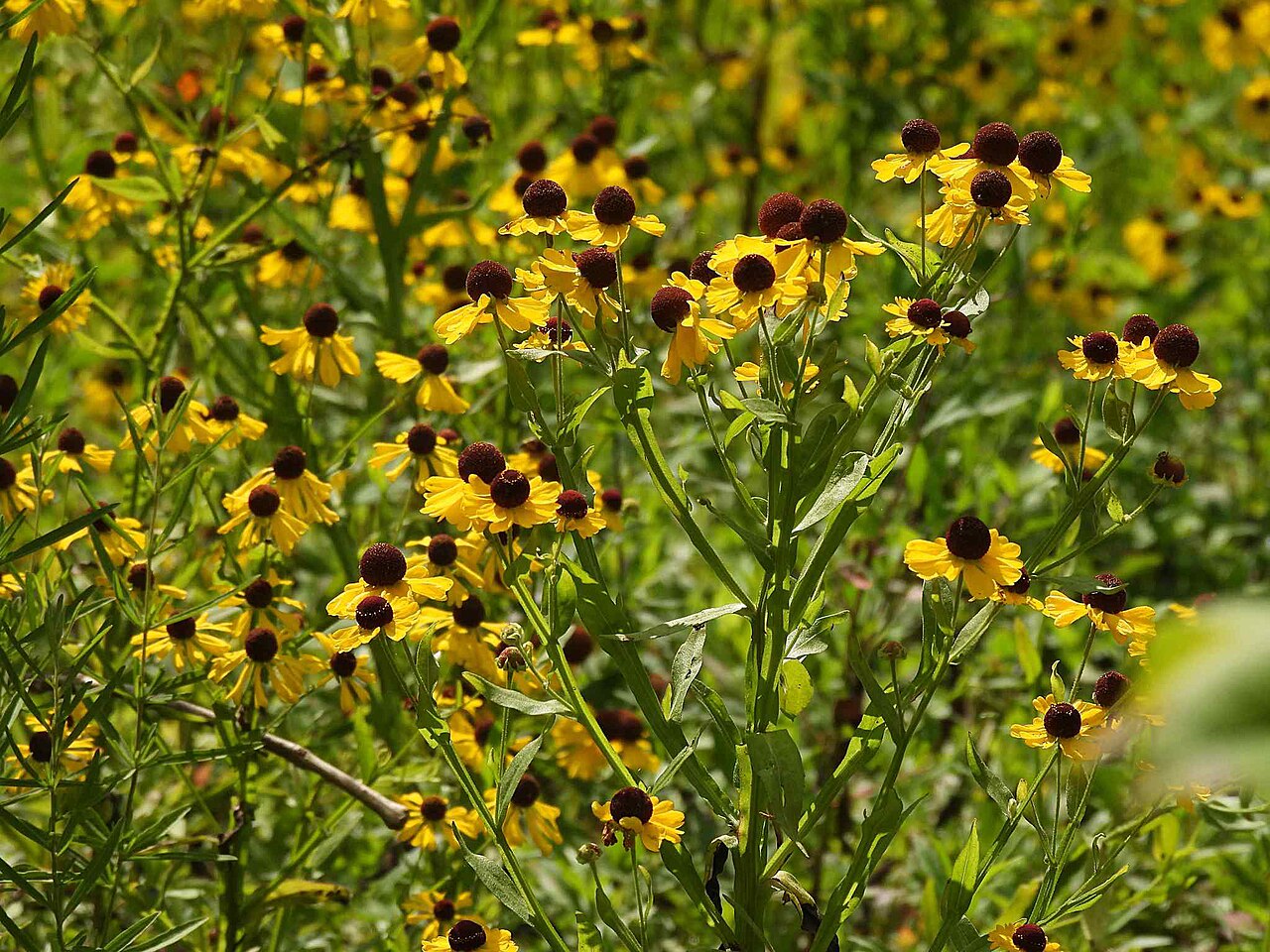
Purple-headed sneezeweed (Helenium flexuosum) is a native daisy-family perennial with an unusually crisp color combination: yellow rays around a rounded, dark purplish-brown center. The purple in its common name refers mainly to the disk, not to a ring of violet petals. A branching plant can carry many heads at once, creating a warm, lively display in a sunny border or moist meadow. It is also called southern sneezeweed or purplehead sneezeweed.
For Kentucky and Tennessee gardens, it is a regionally appropriate option where sun and reliable soil moisture coincide. The species is not a substitute for a desert perennial, and it should not be placed in a drought-prone bed merely because roadside plants sometimes look tough. Conversely, moist-site preference does not mean a newly planted crown should remain underwater indefinitely. Look for an open site whose soil stays useful to roots without becoming stagnant.
Choose plants labeled Helenium flexuosum if the intention is to grow this species. Many garden heleniums are cultivars or hybrids associated with other species, and a generic sneezeweed label is not enough to confirm identity. The photographs here show identified species plants, including examples from Kentucky and Tennessee. They illustrate natural variation rather than a guarantee that every seed-grown plant will have exactly the same height, head color, or flowering date.
Identification
Stems and habit
Plants are upright and branching, with flowering stems rising above lower foliage. Leaf tissue can extend downward along portions of the stem, giving a winged appearance. Observe this feature together with the leaves and flower heads instead of using the yellow flower color alone. Height is variable: about 1–3 feet is common in garden descriptions, while taller plants approaching 4 feet can occur. A plant in leaner or drier conditions may be shorter than a nursery specimen.
Leaves
Leaves are simple and alternate along the stem. They tend to narrow toward their attachment, with lower and upper leaves differing in size. Margins may appear smooth or toothed. In a mixed meadow, follow a flowering stem down to its own leaves before identifying it; nearby grass or another daisy’s foliage can be misleading in a photograph. A close image of the stem wings and a complete lower leaf is more useful than a distant yellow patch.
Flower heads
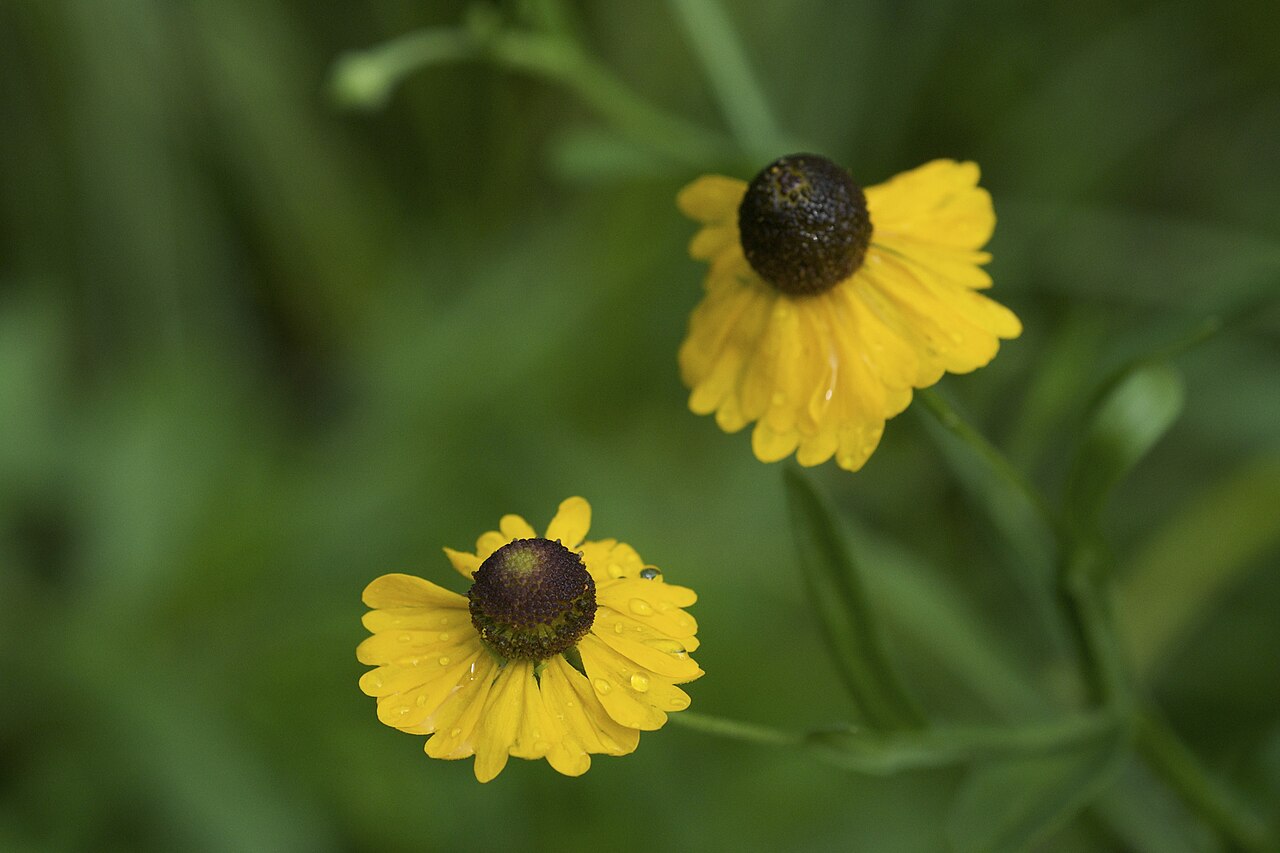
Each apparent flower is a composite head containing many small florets. The central disk becomes prominently domed and often dark purple-brown; the yellow outer rays commonly have notched ends and may droop as the head develops. Some heads have fewer conspicuous rays, so a sparse ray display does not necessarily mean damage. Compare several heads at different stages before deciding whether a plant matches the species.
Seeds and similar plants
After flowering, the head dries and releases small, dry fruits. Helenium species and their cultivated relatives can be confusing, particularly when labels are missing. Common sneezeweed, Helenium autumnale, is a different species and often has a different overall stature and disk appearance. Neither a dark center nor the common name alone is conclusive. Use a regional flora, nursery documentation, and the combined stem, leaf, and head characters for an uncertain plant.
Quick Facts
| Scientific Name | Helenium flexuosum |
| Family | Asteraceae |
| Plant Type | Herbaceous perennial wildflower |
| Mature Height | Usually 1–3 feet; sometimes approaching 4 feet |
| Mature Spread | About 1–2 feet, depending on site and age |
| Growth Rate | Moderate to vigorous with suitable moisture |
| Sun Exposure | Full sun |
| Water Needs | Average to moist or seasonally wet soil; avoid prolonged drought |
| Soil Type | Moist loam or other garden soil with suitable drainage |
| Soil pH | Use ordinary suitable garden soil; a soil test is preferable to automatic amendments |
| Bloom Time | Summer into early fall; timing varies by region and plant |
| Flower Color | Yellow rays with a dark purple-brown disk |
| Fall Color | Green foliage declining to brown at dormancy |
| Fruit | Small dry achenes in mature heads |
| Deer Resistant | Often listed as deer-tolerant; not a guarantee against browsing |
| USDA Hardiness Zones | Commonly listed for zones 5–9 |
Native Range
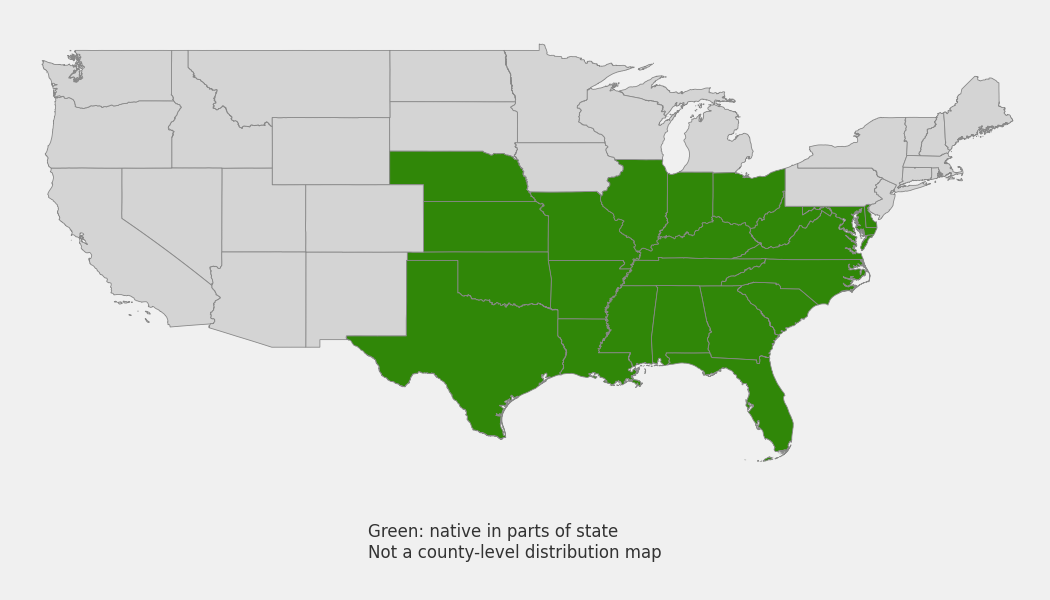
Helenium flexuosum is native principally to parts of the central and eastern United States. Kentucky and Tennessee are within its native range. It also occurs outside that core as a naturalized plant, so an occurrence dot is not automatically a native record. This distinction is important for a plant that has long been cultivated and can appear in disturbed ground.
The map here uses a conservative central and southeastern native-state footprint, informed by botanical status accounts rather than treating the entire occurrence range as native. Canadian records are explicitly not used as evidence of native range: the USDA profile marks the species introduced in Canada, and NatureServe lists Canadian provincial status accordingly. Several northeastern states also have nonnative records. A garden in those areas should not describe the plant as locally native without checking a regional flora.
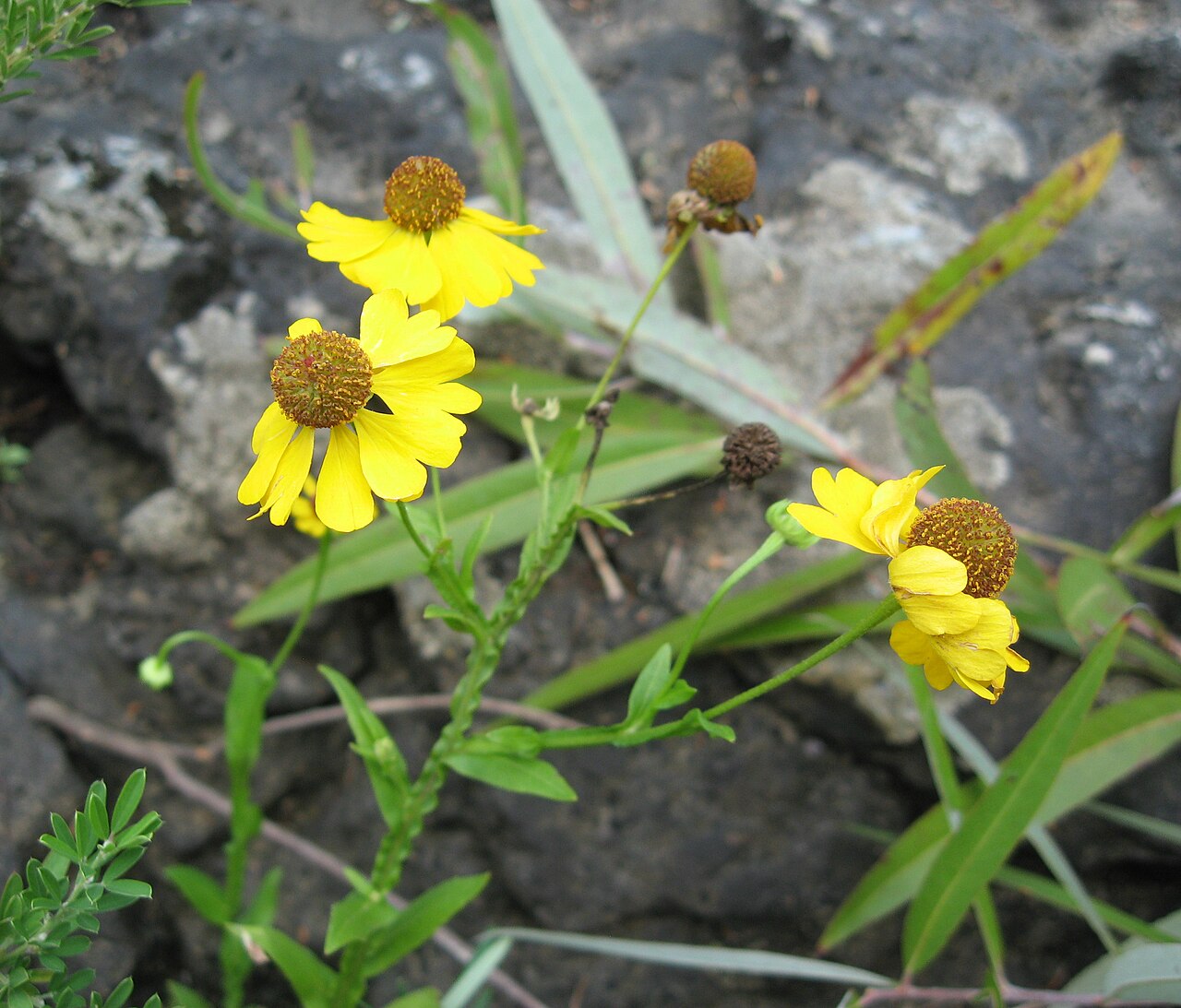
Open moist ground, stream-related habitats, and disturbed sunny places are among the settings in which this plant occurs. The Tennessee image shows a particular riverscour setting, not an instruction to plant every garden specimen into rock cracks. Local hydrology, soils, and climate decide whether a spot supports the plant. For habitat restoration, confirm county-level native status and use an appropriate seed origin rather than relying only on this broad overview.
📋 Regional plant list: Kentucky and Tennessee Native Plants
Growing & Care Guide
Light
Provide full sun for the strongest branching and floral display. A plant crowded beneath taller perennials may lean toward a brighter gap or carry fewer heads. When laying out a border, consider the mature height of neighbors and summer sun rather than the empty appearance of the spring bed. In a windy site, the support of compatible meadow plants can be helpful without crowding the crown.
Soil and water
Use average to moist soil and watch newly planted material during dry spells. Water the root zone thoroughly instead of wetting only the surface every evening. If the nursery root ball dries more quickly than the surrounding soil, check it directly. In a rain garden, select the zone with a moisture pattern suited to this perennial rather than automatically placing it at the deepest point. A bed that bakes dry for weeks is not its easiest location.
Planting
Plant at the original crown depth during a season that allows establishment before severe heat or cold. Loosen compacted garden soil across a useful area rather than making a small richly amended pocket. Allow about 1–2 feet for a plant to branch, adjusting spacing to the local stock and the desired density. Water well after planting and keep weeds from occupying the open space while the perennial establishes. Retain nursery labels, especially where several heleniums are grown together.
Pruning and maintenance
Remove broken stems as needed and decide deliberately whether to retain seed heads. Deadheading can keep a small border tidy and reduce volunteer seedlings; leaving some mature heads preserves the seasonal structure of a meadow. Avoid repeatedly cutting flowering stems in a pollinator planting simply to maintain a rigid height. If a plant flops, first consider shade, crowding, and overly lush growth rather than assuming every specimen requires staking.
Propagation
Use species-labeled seed or divide healthy cultivated clumps in an appropriate cool season. Seed handling requirements vary by source, so follow the supplier’s lot-specific instructions and do not bury small seeds deeply without guidance. Seedlings should be labeled from the beginning; several daisy-family plants look similar before flowering. Divisions need roots and viable shoots, plus careful watering while they reestablish. Do not remove plants from wild streambanks or natural areas.
Designing a flowering sequence
Pair purple-headed sneezeweed with other regionally appropriate plants that bloom before and after it, instead of relying on one perennial for the entire season. Leave enough light at the lower stem to keep the planting open and manageable. A few repeated groups can look more intentional than single plants scattered without a pattern. In a small garden, place the heads where their dark centers can be seen against foliage rather than lost in a background of other yellow flowers.
Troubleshooting
A wilted plant in dry soil calls for different action than a wilted plant in saturated soil. Check moisture below the surface, look for physical stem injury, and review the planting depth before adding fertilizer or pesticide. Some lower-leaf aging later in the season is normal; widespread rapid decline deserves closer inspection. Keep a short record of bloom dates, watering, and any leaf damage so the next season’s care responds to the actual site.
Landscape Uses
- Use in a sunny Kentucky or Tennessee native border with dependable seasonal moisture.
- Plant in small drifts in a designed meadow where the species is locally native and compatible with the soil.
- Add to an appropriate rain-garden zone after evaluating how long that zone remains wet.
- Use the contrasting dark disks and yellow rays near a path where their detail can be appreciated without picking flowers from wild stands.
Wildlife & Ecological Value
For pollinators
The flower heads provide accessible resources for a range of insect visitors, and the USDA Appalachian guide identifies value for native bees and butterflies. Avoid using that general value to promise a particular specialist relationship without evidence. Keep flowering plants free of unnecessary insecticide treatments, and provide a succession of flowers around them. A bed designed for pollinators benefits from varied structure as well as varied bloom dates.
Birds
Dry heads and standing stems contribute to the late-season structure of a mixed planting. Rather than claiming this particular seed is indispensable to birds, treat the plant as one component of a wider habitat that includes shelter, insect prey, and other seed-bearing plants. Leave some stems where garden maintenance and safety permit, while keeping paths clear. Selective cleanup is more useful than either stripping everything bare or never managing the planting.
Mammals and plant safety
Sneezeweeds are not food plants for people or livestock in this guide. Botanical references note toxicity concerns in the genus and species. Keep this ornamental wildflower out of forage mixtures and do not use the common name as a basis for a home remedy. Deer tolerance is a horticultural observation, not a guarantee of safety for grazing animals or a guarantee that hungry deer will never browse a plant.
Ecosystem role
Within its local native range, the perennial adds flowering diversity to open vegetation. Outside that range, the same plant may be a cultivated or introduced member of the flora. Good native gardening distinguishes those situations rather than equating North American origin with local nativity. In restoration work, avoid introducing seed solely because the garden form is attractive; confirm regional identity, provenance, and habitat compatibility first.
Cultural & Historical Uses
The common name sneezeweed can be distracting, especially for gardeners who associate it with seasonal allergies. It should not be treated as a diagnosis or an instruction to inhale any part of the plant. This profile uses the name as a botanical common name and focuses on identification and horticulture. The specific scientific name is the best way to separate this plant from other heleniums sold in the garden trade.
Historical botanical names associated with this species include Helenium nudiflorum. Such names can appear in older records and image collections. A synonym is useful for finding evidence, but any photograph or nursery listing still needs to depict the intended species rather than an unrelated hybrid. Keeping the accepted name with a planting record helps future gardeners understand what was actually installed.
The garden appeal is straightforward: contrasting flower centers, many heads on a branching plant, and a useful warm-season presence in an appropriately moist sunny bed. No unverified medicinal or ceremonial use is added here. Responsible cultivation means buying propagated stock, acknowledging where the species is and is not native, and avoiding the removal of wild plants from stream and meadow communities.
Frequently Asked Questions
Are the flowers purple?
The rays are usually yellow; the prominent central disk is often purple-brown. That dark center is the reason for the common name purple-headed sneezeweed. Color and ray number can vary among heads and plants.
Is this the same as common sneezeweed?
No. Common sneezeweed is Helenium autumnale. Helenium flexuosum is a separate species, and cultivated heleniums may include hybrids. Check the scientific label rather than using the word sneezeweed alone.
Will it thrive in a dry gravel bed?
That is not its easiest garden setting. It is generally suited to average-to-moist sunny soil. A wild plant seen near rock may have access to moisture in cracks or a stream-related setting that a dry garden bed does not reproduce.
Is every record in Canada or New England native?
No. Introduced records occur beyond the native core, and the USDA profile lists Canadian occurrence as introduced. Consult a regional flora before describing it as locally native outside the central and southeastern range shown here.
Can I use it in a pasture or herbal preparation?
No such use is recommended here. Keep it as an ornamental or habitat plant in an appropriate setting, and do not deliberately include it in forage or homemade remedies. Its common name is not evidence of safe use.
Sources & Further Reading
- NatureServe — Helenium flexuosum distribution and status
- Native Plant Trust — purple-headed sneezeweed identification and regional status
- University of Missouri Extension — native plant horticultural summary
- USDA NRCS — Appalachian pollinator plant guide
- USDA PLANTS — purplehead sneezeweed
Find Native Plants
Ask growers about nursery propagation and regional provenance. Browse our KY native plant nurseries, TN native plant nurseries directory for suppliers. Explore the native nursery finder.