
Arkansas Lazy Daisy (Aphanostephus skirrhobasis)
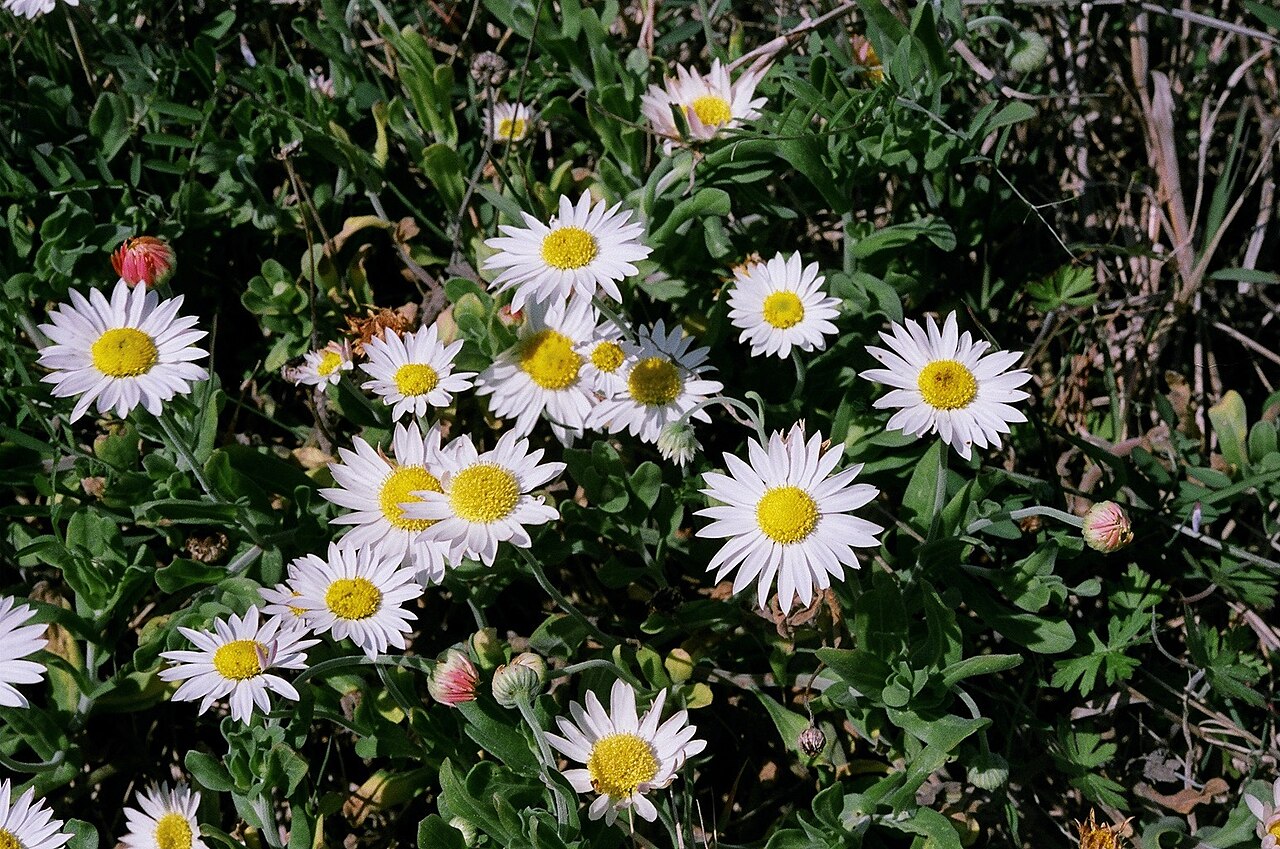
Arkansas lazy daisy (Aphanostephus skirrhobasis) is a small native annual with white rays, yellow centers, and a relaxed, branching habit. It belongs to the aster family, but it offers a different garden effect from a tall perennial aster: flowers float above low, softly hairy foliage and bare sandy ground remains visible between plants. The underside of the rays may be pink, a useful detail when flowers close or begin to open. The name lazy daisy should not be mistaken for a promise that it can grow in any neglected corner.
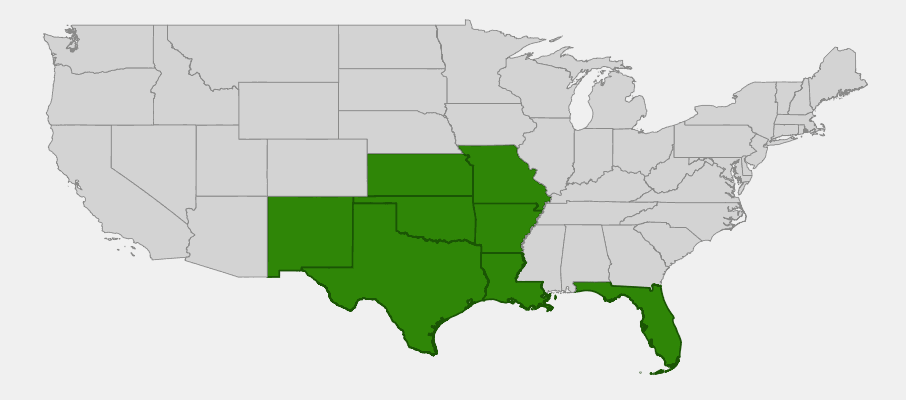
This plant is associated particularly with the southern Great Plains and adjoining Gulf Coast country. In Arkansas and Louisiana, use a locally appropriate seed source and a sunny, freely draining site. Sandy grassland, open meadow, and disturbed mineral soil are closer models than a deeply shaded woodland bed. The species includes geographically and ecologically distinct varieties; a coastal population is not automatically the best source for an inland restoration. The map below describes the species as a whole, not the distribution of every variety.
Its annual life cycle is the central design consideration. Individual plants flower, set seed, and die rather than forming permanent perennial crowns. A successful planting therefore needs opportunities for seedlings to replace their parents. This can make lazy daisy useful in a changing native meadow or a small seed-grown patch, but less predictable in a heavily mulched formal border. It is a good choice for gardeners who enjoy watching local wildflowers complete their life cycles and can leave some seed to mature.
Identification
Stems & Growth Habit
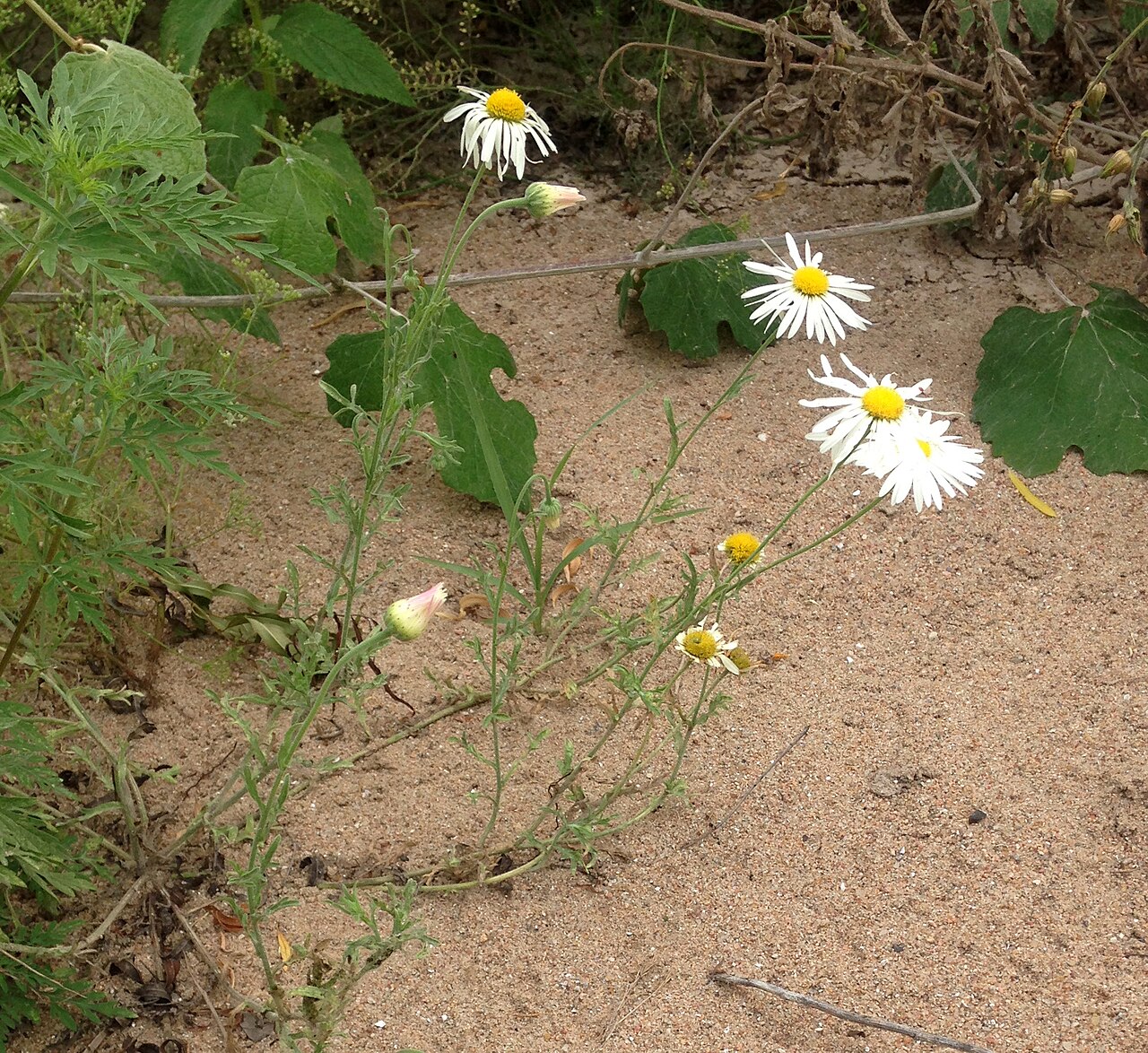
Plants form low mounds or spread loosely from branching stems and may reach about 2 feet tall. Growing conditions strongly influence whether a plant looks upright or sprawling. Soft hairs cover the stems and foliage. In a crowded planting the stems may be less compact, whereas plants in open mineral soil can remain low and broad. Check several characters together; many small white daisies occupy similar disturbed sites.
Leaves
The lower leaves are narrow and can be conspicuously toothed, while leaves farther up the stems tend to have simpler margins. This variation within a single plant matters when comparing a seedling with a flowering adult. Examine the whole stem rather than identifying the plant from one detached leaf. Fine hairs soften the foliage surface and help distinguish its texture from a smooth-leaved garden daisy, although hairiness alone is not diagnostic.
Flowers
The flower heads have yellow to yellow-orange central disk florets surrounded by white ray florets, often pink beneath. Usually one head terminates an individual flower stalk. The center is made of many small flowers, not a single yellow organ. In warm parts of its Texas range flowering can extend over a long season; Arkansas and Louisiana timing depends on germination, rainfall, and local temperature. A photograph of the underside of a ray can be more useful than a distant view of an open head.
Fruit & Seeds
After flowering, the heads develop small dry one-seeded fruits, botanically cypselae. Allow selected heads to mature on the plant before collecting seed. Because wind, rain, and handling can shed tiny fruits, collect into a paper bag and clean them over a tray. Keep the collection labeled with locality and date. Seed from a particular population preserves a more useful provenance record than a packet labeled simply white daisy.
Similar Plants
Do not substitute an Erigeron fleabane or cultivated lawn daisy on the basis of flower color. Lazy daisy combines its low annual habit, characteristic leaf changes, soft hairs, and relatively broad white rays. Within Aphanostephus, consult a regional flora if identity is uncertain. The Arkansas & Louisiana table previously abbreviated the genus; the full name on this page makes the intended species explicit, without claiming a variety that the old row never identified.
Quick Facts
| Scientific Name | Aphanostephus skirrhobasis |
| Family | Asteraceae |
| Plant Type | Native annual wildflower |
| Mature Height | Usually low-growing; up to about 2 feet |
| Mature Spread | Variable, mounded to sprawling |
| Growth Rate | Seasonal annual growth |
| Sun Exposure | Full sun |
| Water Needs | Low after establishment in suitable soil; seedlings need moisture |
| Soil Type | Sandy or gravelly, well-drained mineral soil |
| Soil pH | Use local soil and provenance; avoid assuming a narrow universal range |
| Bloom Time | Spring through fall where climate and moisture permit |
| Flower Color | White rays, often pink beneath; yellow to orange-yellow disks |
| Fall Color | Not a principal ornamental feature |
| Fruit | Small dry one-seeded cypselae |
| Deer Resistant | Not a reliable deer-proof plant |
| USDA Hardiness Zones | Annual performance depends on local growing season and seed source |
Native Range
Arkansas lazy daisy is native chiefly to the southern Great Plains and neighboring regions. Its U.S. range includes Texas, Oklahoma, Kansas, Missouri, Arkansas, Louisiana, New Mexico, and Florida. These state highlights do not mean it is common everywhere within each state. In particular, suitable open habitat and the distribution of named varieties produce a much finer pattern than a state-level map can show.
The species also occurs in northeastern Mexico, including Tamaulipas. Flora treatments distinguish the widespread typical variety from coastal and other more localized forms. For restoration, match both locality and habitat: seed from a Gulf Coast dune population should not be assumed interchangeable with seed from an inland sandy prairie. Ask a supplier where the seed was collected or increased rather than relying only on the common name.
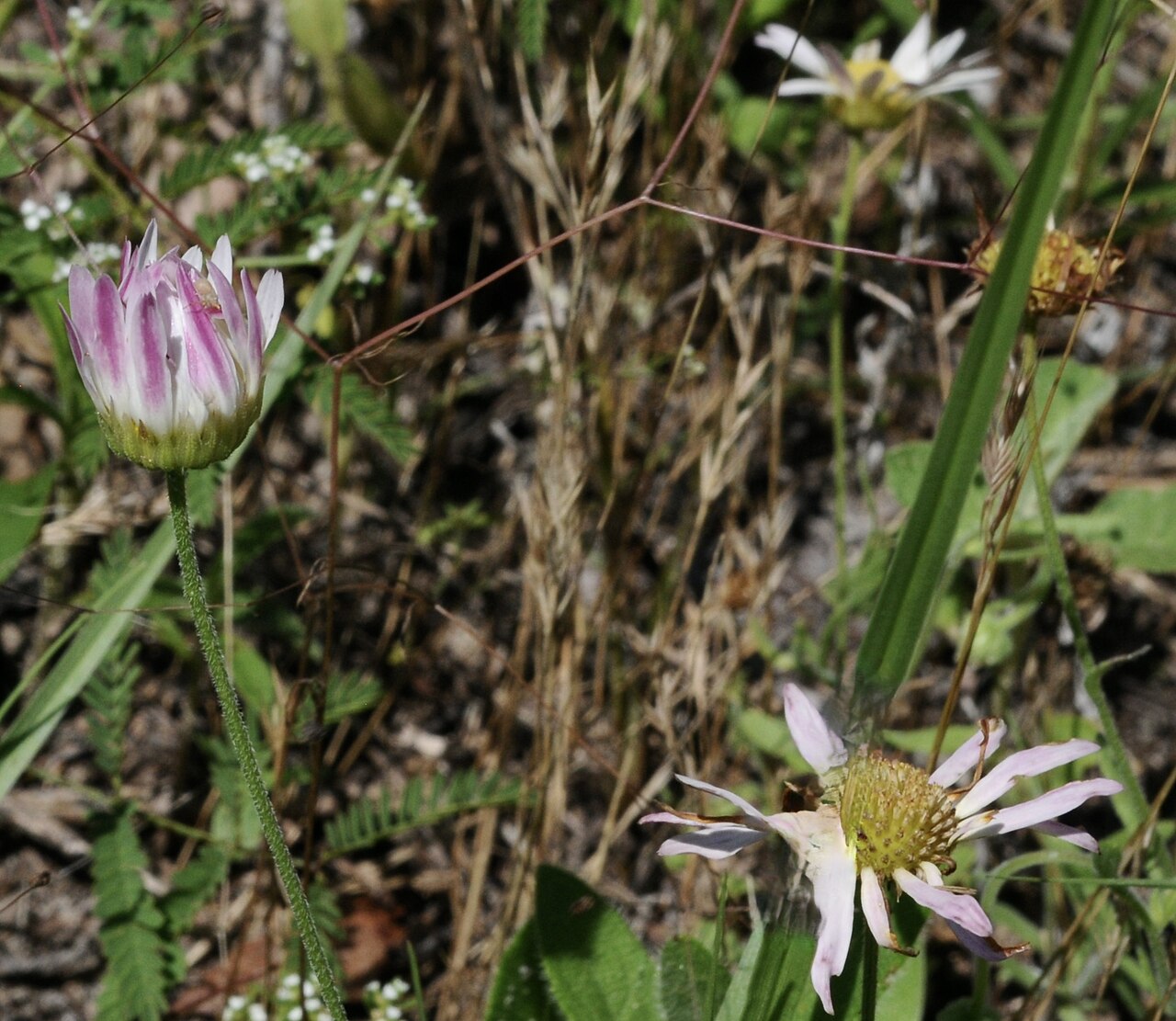
Native habitats include grasslands, meadows, pastures, savannas, and open woodland edges. The photographed Texas plant grows beside the Llano River on sand; the Louisiana image shows another part of the species range. An open riverside occurrence does not imply tolerance of permanent saturation. Look at drainage, competition, and sunlight as well as proximity to water when choosing a garden site.
📋 Regional plant list: Arkansas & Louisiana
Growing & Care Guide
Light
Choose full sun and an open planting surface. A site shaded by large perennials in midsummer may look bright at sowing time yet become unsuitable before flowering. Place lazy daisy near the sunny edge of taller vegetation, not beneath a dense canopy. When experimenting in a mixed bed, use a small clearly marked patch so emerging seedlings are not accidentally removed during routine weeding.
Soil & Water
Well-drained sandy or gravelly ground is the best starting point. Water newly sown areas gently enough to avoid moving the seeds and keep the germination zone from drying immediately after seedlings emerge. Once plants are established, allow the soil to dry between watering rather than treating them as bedding annuals that require constant irrigation. Persistent wetness and heavy competition are poor substitutes for the open conditions of its native habitat.
Planting Tips
Use nursery-propagated plants or correctly identified seed. Remove aggressive weeds before sowing; an annual cannot compete well if its first weeks are spent beneath established turf. Follow the seed supplier’s instructions for depth and season because seed lots and local climates differ. Sow a small trial first if no local protocol is available, record the date and weather, and adjust the next planting from observed germination instead of repeatedly adding seed blindly. The Wildflower Center recommends early fall or early spring sowing; match that timing to local conditions.
Mulch & Establishment
A thick wood-chip layer prevents the seed-to-soil contact and open germination spaces that renewing annual populations need. Keep a small mineral-soil seedbed free of deep mulch while maintaining mulch around unrelated shrubs if desired. Do not strip a large area of protective cover on an erosion-prone slope just to grow this flower. Small stable patches provide a more manageable trial and reduce weed-control work.
Pruning & Maintenance
Remove damaged or collapsed stems selectively, but do not deadhead every flower if you want the patch to renew itself. Mark a few healthy plants to retain for seed. After seed has matured and dispersed, spent annual stems can be cut or removed where necessary. Avoid pulling plants indiscriminately while neighboring seedlings are establishing, and learn the young leaf form before undertaking a cleanup.
Propagation
Seed is the practical route for an annual. Collect only where permitted and leave ample seed in wild populations; purchasing responsibly produced regional seed is preferable. Dry mature material in a ventilated place, clean it, and store it cool and dry with a label. A saved seed lot may not behave identically to the previous generation, especially when several provenances or varieties flower together. Keep records if the planting is intended for restoration rather than ornament.
Troubleshooting
If plants are tall, sparse, or weak, first assess shading and competition. If there are no seedlings the following season, check whether all heads were deadheaded, the soil was covered with mulch, or newly emerged plants were weeded out. Poor return does not prove that the species is perennial and failed to overwinter; its normal survival between generations is through seed. Use local observations to separate a site mismatch from an unusually dry germination season.
Landscape Uses
- A small sunny patch of seed-grown native annuals on freely draining soil.
- Open portions of a native meadow where seedlings can establish.
- A low, informal edge that allows taller grasses to remain visually dominant.
- A teaching planting for observing ray florets, disk florets, and annual seed renewal.
Wildlife & Ecological Value
For Pollinators
Open daisy heads make the small central florets accessible to visiting insects. The Native Plant Society of Texas includes this plant among native landscape choices, and regional lists value its butterfly appeal. Observe actual visitors in your garden rather than assuming one specific pollinator depends exclusively on it. A longer sequence of locally native flowers is more useful than relying on a single annual patch.
For Birds
Retained seed heads and the insects associated with a diverse planting contribute to a more functional garden. This does not establish that lazy daisy is a major food plant for a particular bird species. Leave some heads until mature and combine the planting with locally native shrubs or grasses that offer other food and cover. Avoid insecticide use on blooming plants.
For Mammals
Do not count on this low annual to provide substantial shelter or to resist every browsing animal. Rabbits and deer can alter a small planting even when a species is not their preferred food. If browsing prevents establishment, protect a trial patch temporarily rather than assuming repeated reseeding will solve the problem. No edible or medicinal use is recommended here.
Ecosystem Role
Annual wildflowers can occupy temporary openings while perennial vegetation develops. In a garden, retaining small germination opportunities can sustain that role without allowing invasive weeds to dominate. Disturbance is a tool to use carefully, not a reason to damage intact prairie. Protect existing native vegetation first and establish new plants in already appropriate or degraded sites.
Cultural & Historical Uses
The name Arkansas lazy daisy links this plant to a region, but its range is much broader than Arkansas. Botanical names have also changed: older references may place related names in Egletes or use Aphanostephus arkansanus. Consult an authoritative synonym treatment before merging old records, because a familiar common name can hide distinct taxa.
The most useful cultural connection for a present-day gardener is its place in the regional wildflower flora. The Native Plant Society of Texas describes its landscape habitat and the availability of seed even where nursery plants are uncommon. Growing it from a documented source supports a more accurate regional garden than buying an unidentified mixed daisy product.
No specific Indigenous use is asserted here without a traceable, species-level source. Ornamental use and ecological observation are sufficient reasons to grow the plant. The photographs illustrate identifiable plants and do not authorize collection at those locations; respect landowner permission and conservation rules when studying wild populations.
Frequently Asked Questions
Is Arkansas lazy daisy a perennial?
No. It is an annual. A patch can persist through self-sowing when mature seed and suitable germination spaces remain.
Does it grow only in Arkansas?
No. Its native range centers on the southern Great Plains and includes adjoining states, Gulf Coast populations, and northeastern Mexico.
Can I put it in a wet rain-garden basin?
Prefer a well-drained sunny position rather than a permanently saturated basin. A plant growing beside a river may occupy dry sand above the water.
Should I remove every faded flower?
Not if you want seedlings next season. Retain some healthy heads until their seed is mature, while controlling unwanted spread where necessary.
Why are some flower rays pink underneath?
White rays with pink undersides are a normal identifying feature. Compare leaves, hairs, and growth habit too; color by itself does not establish identity.
Sources & Further Reading
- Native Plant Society of Texas — Arkansas lazy daisy
- Lady Bird Johnson Wildflower Center — APSK
- Flora of North America — species lookup
- USDA PLANTS — Aphanostephus skirrhobasis
Find Native Plants
Ask growers about nursery propagation and regional provenance. Browse our AR native plant nurseries, LA native plant nurseries directory for suppliers. Explore the native nursery finder.