
Arizona Milkweed (Asclepias angustifolia)
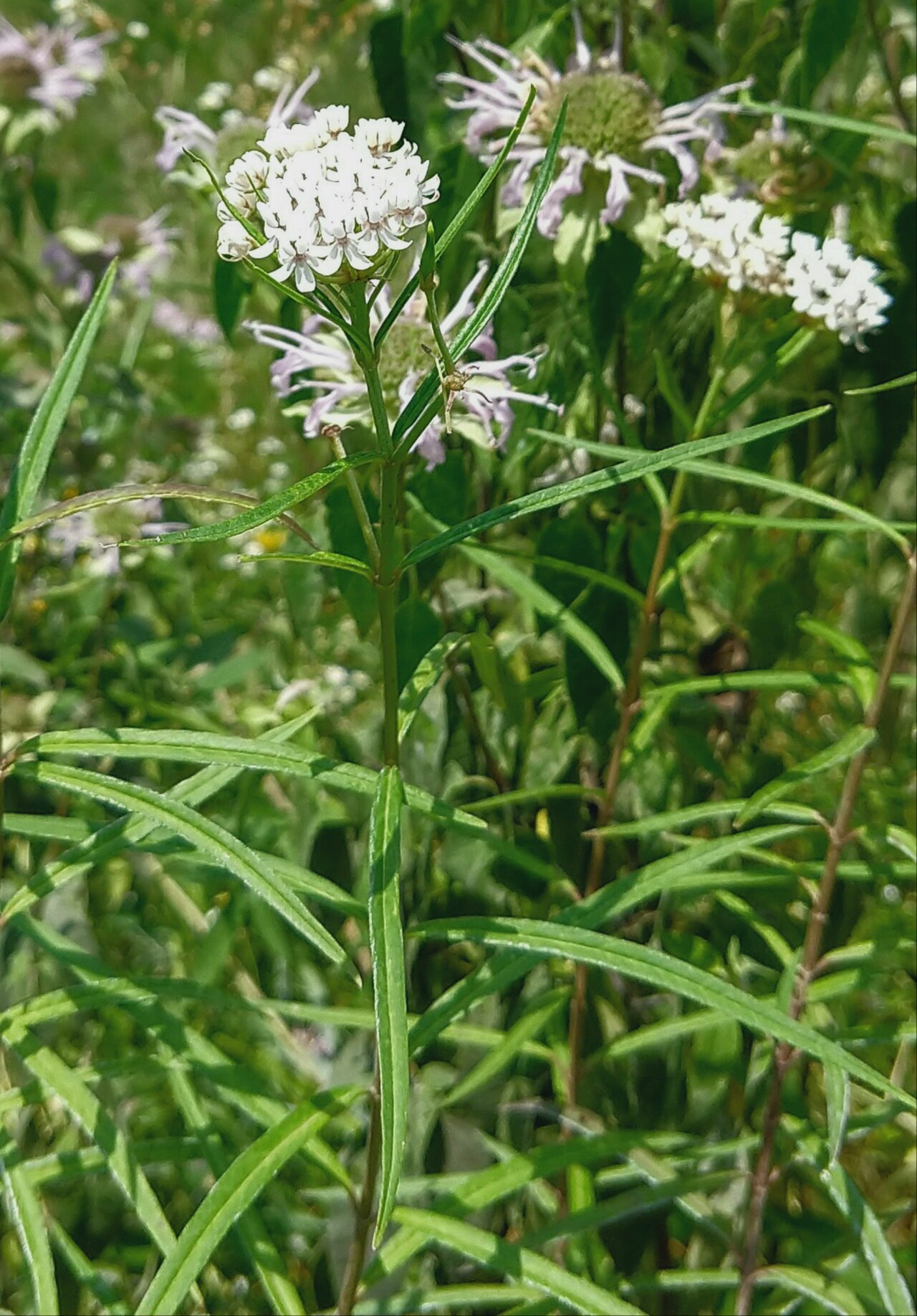
Asclepias angustifolia, commonly known as Arizona Milkweed, is a slender herbaceous perennial milkweed found in the United States only in the sky-island canyons and riparian woodlands of far southern Arizona. It belongs to the Apocynaceae (dogbane) family, within the milkweed subfamily Asclepiadoideae, and is one of the rarer native milkweeds available to southwestern gardeners. Rising from a single woody crown, its narrow leaves and rounded umbels of whitish, faintly pink-blushed flowers give it a delicate, grass-like look quite different from the broad-leaved milkweeds of the eastern United States.
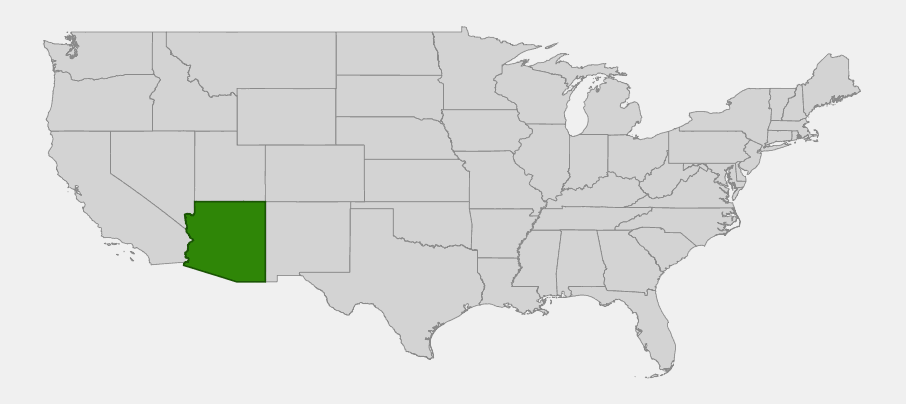
In the wild, Arizona milkweed grows at elevations of roughly 3,400 to 6,900 feet in Pima, Santa Cruz, and Cochise counties, tucked into riparian woodlands, canyon bottoms, floodplain meadows, and the edges of cienegas — the spring-fed wetlands characteristic of the Madrean sky islands. Like all milkweeds, every part of this plant contains cardiac glycosides (cardenolides) that are toxic if eaten by people, pets, or livestock, and its milky latex sap can irritate skin and eyes on contact — handle it with care and keep it out of reach of grazing animals and curious pets. That same toxicity is exactly what makes milkweeds irreplaceable for monarch butterflies: monarch caterpillars feed exclusively on milkweed foliage, sequestering the cardenolides in their own tissue to become unpalatable to predators for life.
Because Arizona milkweed is considered rare and restricted to the borderlands region, planting nursery-propagated stock in gardens throughout its native range helps support both the species itself and the monarch populations that pass through southern Arizona on their migration. It is a well-behaved, non-aggressive perennial for native plant beds, pollinator gardens, and habitat restoration projects in the Tucson and Sierra Vista areas.
Identification
Arizona milkweed is an herbaceous perennial that dies back to a taprooted crown each winter and resprouts in spring, usually reaching 12 to 28 inches (30–71 cm) in height. Several slender stems typically rise from the same crown, giving established plants a loosely clumped habit.
Stems
The stems are thin, upright, and mostly unbranched below the flower clusters, with smooth (glabrous) surfaces. Cut or broken stems exude the milky white latex typical of the genus — the sap that contains the plant’s defensive cardiac glycosides.
Leaves
Leaves are opposite, linear to narrowly lance-shaped, 1.6 to 4.7 inches (4–12 cm) long but only 0.08 to 0.4 inches (2–11 mm) wide, smooth-edged, and hairless. Their narrow, almost grass-like shape is the most distinctive field mark separating Arizona milkweed from the broader-leaved milkweeds that sometimes share its habitat.
Flowers & Fruit
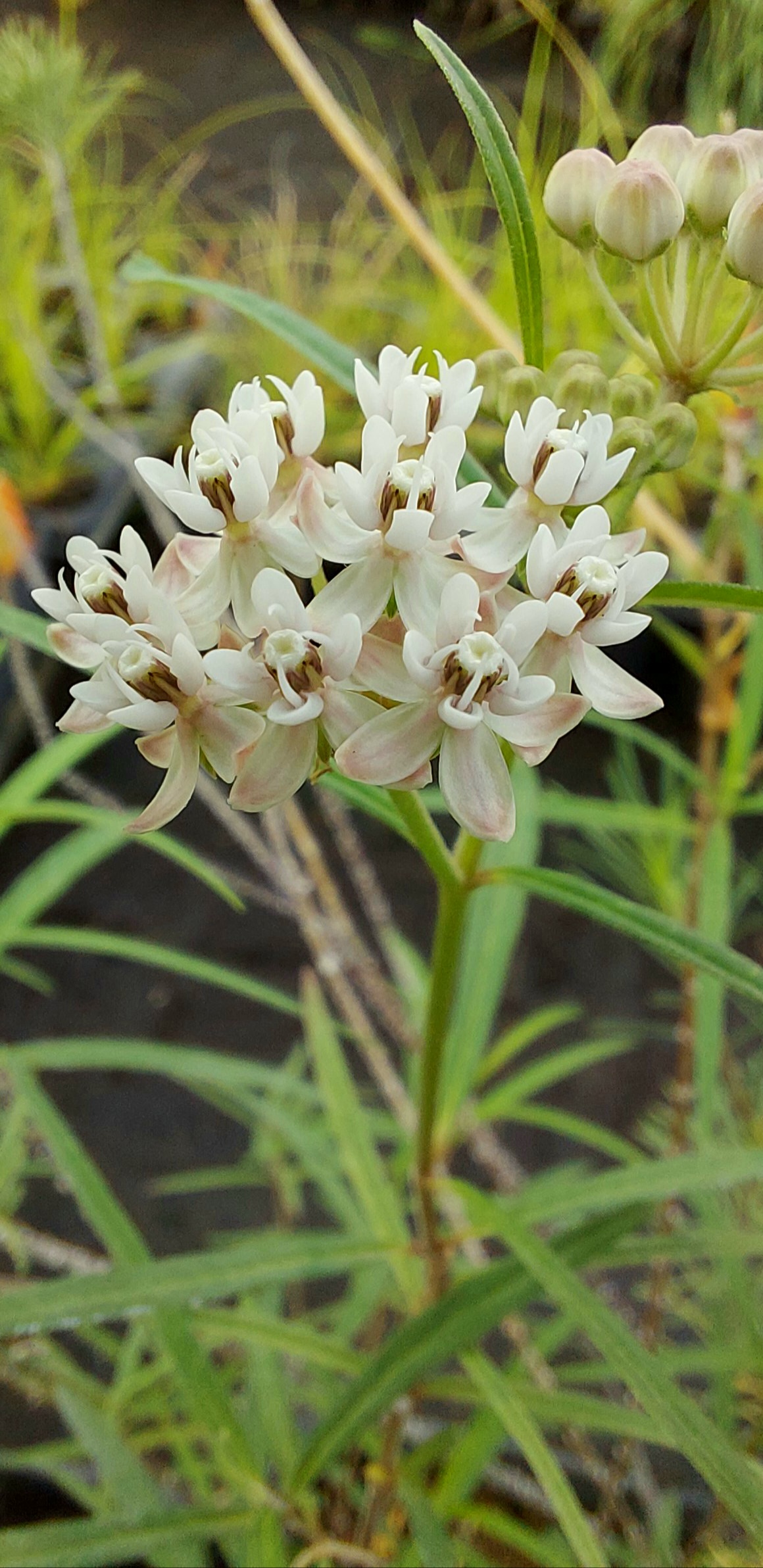
Small umbels of flowers, roughly ¾ to 1½ inches (2–4 cm) across, emerge from the upper leaf axils on a single peduncle per node, usually clustered toward the top of the stem. Individual flowers are tiny — about ⅛ inch (3 mm) — with reflexed corollas ranging from whitish to pale pink, and horns that extend noticeably beyond the hoods, a detail botanists use to separate this species from its relatives. Bloom continues over an unusually long window, from late summer into early winter in mild years. Flowers give way to slender, upright seed pods 1.4 to 3.5 inches (3.5–9 cm) long, which split open to release flat brown seeds attached to silky white coma (the “floss” that carries milkweed seeds on the wind).
Quick Facts
| Scientific Name | Asclepias angustifolia |
| Family | Apocynaceae (Dogbane / Milkweed) |
| Plant Type | Herbaceous Perennial Wildflower |
| Mature Height | 12–28 in (30–71 cm) |
| Mature Spread | 12–18 in, clumping from the crown |
| Growth Rate | Moderate; can flower within 3 months from seed |
| Sun Exposure | Full Sun to Part Shade |
| Water Needs | Average; tolerant of both extra water and dry spells once established |
| Soil Type | Rocky, well-drained soils; tolerant of sandy loam |
| Soil pH | 6.5–8.0 (neutral to alkaline) |
| Bloom Time | Late summer through fall, into early winter in mild years |
| Flower Color | Whitish to pale pink |
| Fall Color | Foliage yellows and dies back with cold |
| Fruit | Slender upright seed pods with silky-tufted seeds |
| Deer Resistant | Yes — toxic cardiac glycosides deter browsing |
| USDA Hardiness Zones | 8–10 |
Native Range
Arizona milkweed has one of the most restricted ranges of any North American milkweed. In the United States it is known only from Pima, Santa Cruz, and Cochise counties in the far southeastern corner of Arizona, where it grows in the Santa Catalina Mountains, the Huachuca Mountains, and canyons such as Bear Valley and Sycamore Canyon near the Mexican border. Its range continues south into the Sierra Madre Occidental of northern Mexico, where the species is more widespread.
Within this small U.S. range, Arizona milkweed favors riparian woodlands, canyon bottoms, floodplain meadows, cienega edges, and arroyo bottoms at elevations from roughly 3,400 to 6,900 feet — the shaded, seasonally moist drainages typical of the Madrean sky-island mountain ranges, where oak woodland and pine-oak forest meet desert grassland.
Because it is restricted to a handful of borderland canyons and considered rare in Arizona, wild Arizona milkweed should never be collected; nursery-propagated plants and seed are the appropriate way to add this species to a garden. Planting it well outside this narrow native range (north of the sky-island region, or outside Arizona and adjoining northern Mexico) should be considered an introduction rather than habitat restoration.
📋 Regional plant lists featuring Arizona Milkweed: Arizona & New Mexico
Growing & Care Guide
Arizona milkweed is easier to grow than its rarity in the wild might suggest. In cultivation it has proven adaptable, forgiving of both occasional overwatering and dry spells, and quick to establish from seed or container stock.
Light
Plant in full sun to part shade. In the hottest low-desert gardens, afternoon shade helps keep the plant from drying out too quickly between waterings, echoing the dappled canyon-bottom light of its native habitat.
Soil & Water
Arizona milkweed is not fussy about substrate — it grows equally well in organic-rich garden soil and in sandy or rocky, fast-draining mixes, as long as drainage is reasonable. Water regularly during establishment and the first growing season; mature plants tolerate both infrequent monsoon-pattern watering and occasional wet spells without trouble. It is hardy to at least 10°F (-12°C) once dormant.
Planting Tips
Seed germinates readily without special pretreatment, and plants can flower in as little as three months from a spring sowing. It also grows well in containers, including pots as small as a quart, which makes it a good candidate for pollinator-garden plant sales and habitat restoration plantings. Space plants 12 to 18 inches apart to allow the clumping crowns room to fill out.
Pruning & Maintenance
Cut the dried stems back to the crown in late winter before new growth emerges. The plant dies back to the ground each year in its native range and resprouts reliably from the taproot. No fertilizer is needed in reasonable garden soil.
Landscape Uses
Arizona milkweed’s fine, upright texture and long bloom season make it useful in several settings:
- Pollinator and monarch waystation gardens throughout southern Arizona
- Native plant beds mixed with other sky-island wildflowers and grasses
- Container plantings for patios and restoration plant sales
- Riparian and canyon-bottom restoration projects within its native counties
- Xeric borders where its narrow foliage adds contrast to broader-leaved natives
Wildlife & Ecological Value
Like every milkweed, Arizona milkweed plays an outsized ecological role relative to its modest size, anchoring the food web for one of North America’s most celebrated migratory insects.
For Monarch Butterflies
Arizona milkweed is a documented host plant for monarch butterflies, which lay their eggs exclusively on milkweed species. Caterpillars feed on the leaves and sequester the plant’s cardiac glycosides in their own bodies, a chemical defense that makes both the caterpillar and the adult butterfly distasteful to birds and other predators. In the borderlands region, where few other milkweed species grow, Arizona milkweed is a locally important nesting resource for monarchs moving through southern Arizona.
For Pollinators
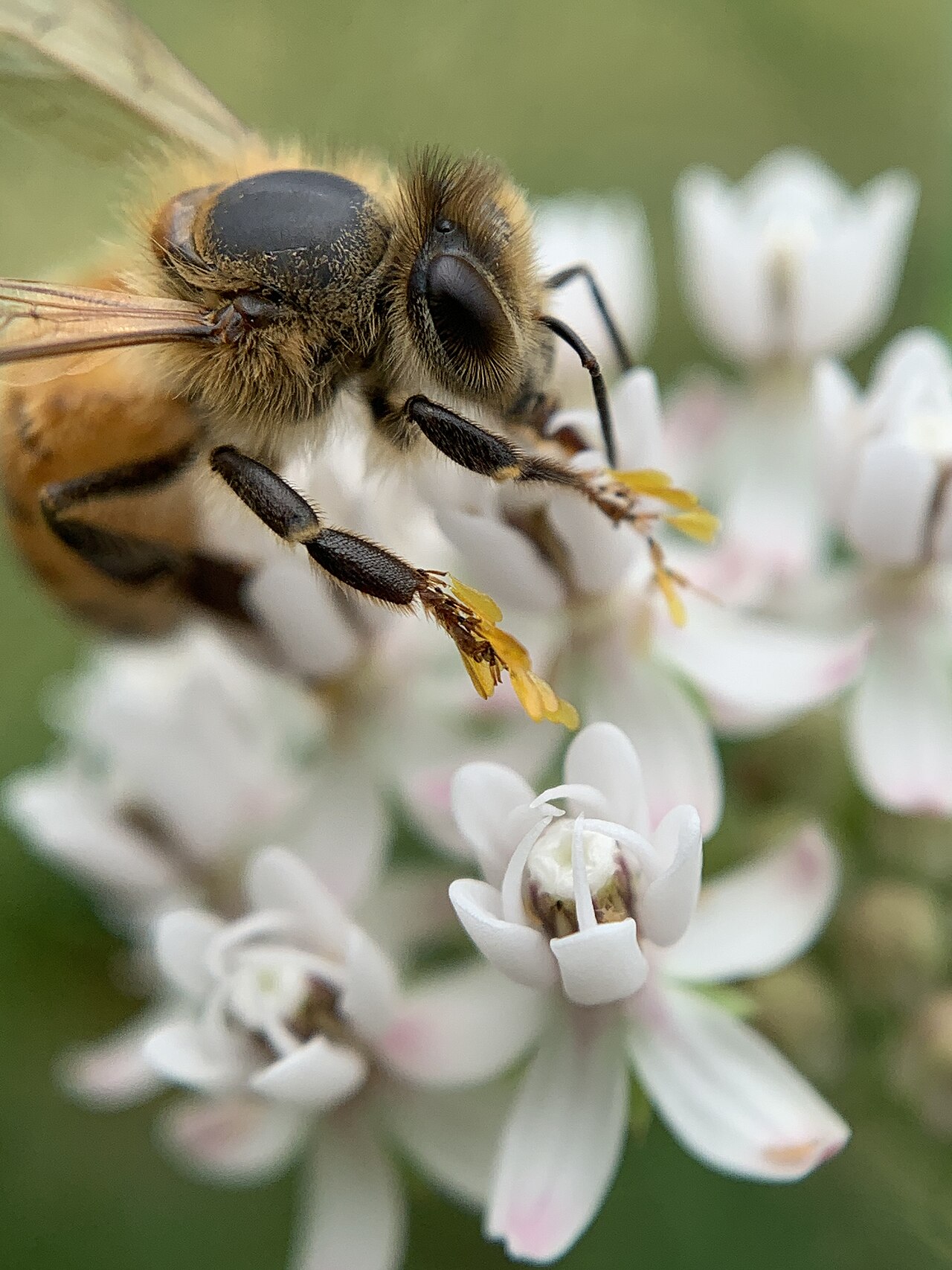
The flowers are visited and pollinated by a range of small insects, with small carpenter bees (Ceratina species) and honey bees documented carrying the distinctive paired pollen sacs (pollinia) that milkweed flowers use to ensure cross-pollination. The long bloom season, running from late summer into early winter, provides nectar after many other desert wildflowers have finished for the year.
Ecosystem Role
As a long-season nectar source in canyon and riparian habitats that otherwise see a late-summer lull in wildflower bloom, Arizona milkweed helps support pollinator activity through the fall. Its narrow foliage and clumping habit add structural diversity to the herbaceous layer of sky-island woodlands without competing aggressively with neighboring plants.
Cultural & Historical Uses
Arizona milkweed has not been as widely documented in regional ethnobotanical literature as some of its more common relatives, likely reflecting both its restricted range and the general caution Indigenous peoples of the Southwest exercised around milkweed sap and foliage, given their toxicity if eaten raw and unprocessed.
More broadly, milkweeds across the genus Asclepias had documented uses among Southwestern and Mexican Indigenous communities, including fiber from the stem for cordage and, after careful processing to remove the toxic compounds, limited medicinal and food preparations. These practices are historical in nature and should not be taken as guidance for modern use — unprocessed Arizona milkweed should be treated as toxic and kept out of reach of people and animals.
In the modern era, Arizona milkweed’s main significance has shifted from traditional use to conservation and horticulture: as monarch butterfly populations have declined, native milkweed species like this one have become valued additions to pollinator gardens and habitat restoration plantings throughout their native ranges.
Frequently Asked Questions
Is Arizona milkweed poisonous?
Yes. Like all milkweeds, every part of the plant contains cardiac glycosides that are toxic to people, pets, and livestock if eaten, and the milky sap can irritate skin and eyes on contact. Wear gloves when handling or cutting the plant and keep it away from grazing animals.
Will Arizona milkweed attract monarch butterflies?
Yes. It is a documented monarch host plant, and in its native southern Arizona range it is one of the few milkweed species available to egg-laying monarchs, making it a valuable addition to a local pollinator or monarch waystation garden.
Can I grow Arizona milkweed outside of Arizona?
It can be grown in gardens outside its native range, but it is only truly native to the sky-island canyons of Pima, Santa Cruz, and Cochise counties in far southern Arizona. Gardeners outside that area should treat it as a regional specialty rather than a locally native plant, and consider a milkweed native to their own region first.
How is Arizona milkweed different from other native milkweeds?
Its narrow, grass-like leaves are the easiest field mark — most other common native milkweeds, such as common milkweed or swamp milkweed, have much broader foliage. Arizona milkweed’s flowers are also smaller and more subtly colored, whitish with only a faint pink blush, rather than the brighter pink or orange tones seen in many other species.
Is Arizona milkweed rare?
Yes. It is considered rare in Arizona and is restricted to a small area of borderland canyons and sky-island mountains in the far southeastern part of the state. Wild plants should never be collected; nursery-propagated stock and seed are the appropriate source for gardens.

Looking for a nursery that carries Arizona Milkweed?
Browse our native plant nursery directory: Arizona