Farewell-to-Spring (Clarkia amoena)
Clarkia amoena, widely known as farewell-to-spring and sometimes sold under the older name Godetia, is one of the showiest native annuals of the Pacific Coast. A member of the evening primrose family (Onagraceae), it produces large, satiny, cup-shaped flowers in shades of pink, lavender, and magenta, each petal often marked with a bold splash of deeper red or maroon near its base. The common name refers to its bloom timing: it is one of the last wildflowers to flower as the cool, wet California-to-British-Columbia spring gives way to summer, putting on a final showy display before the dry season sets in.
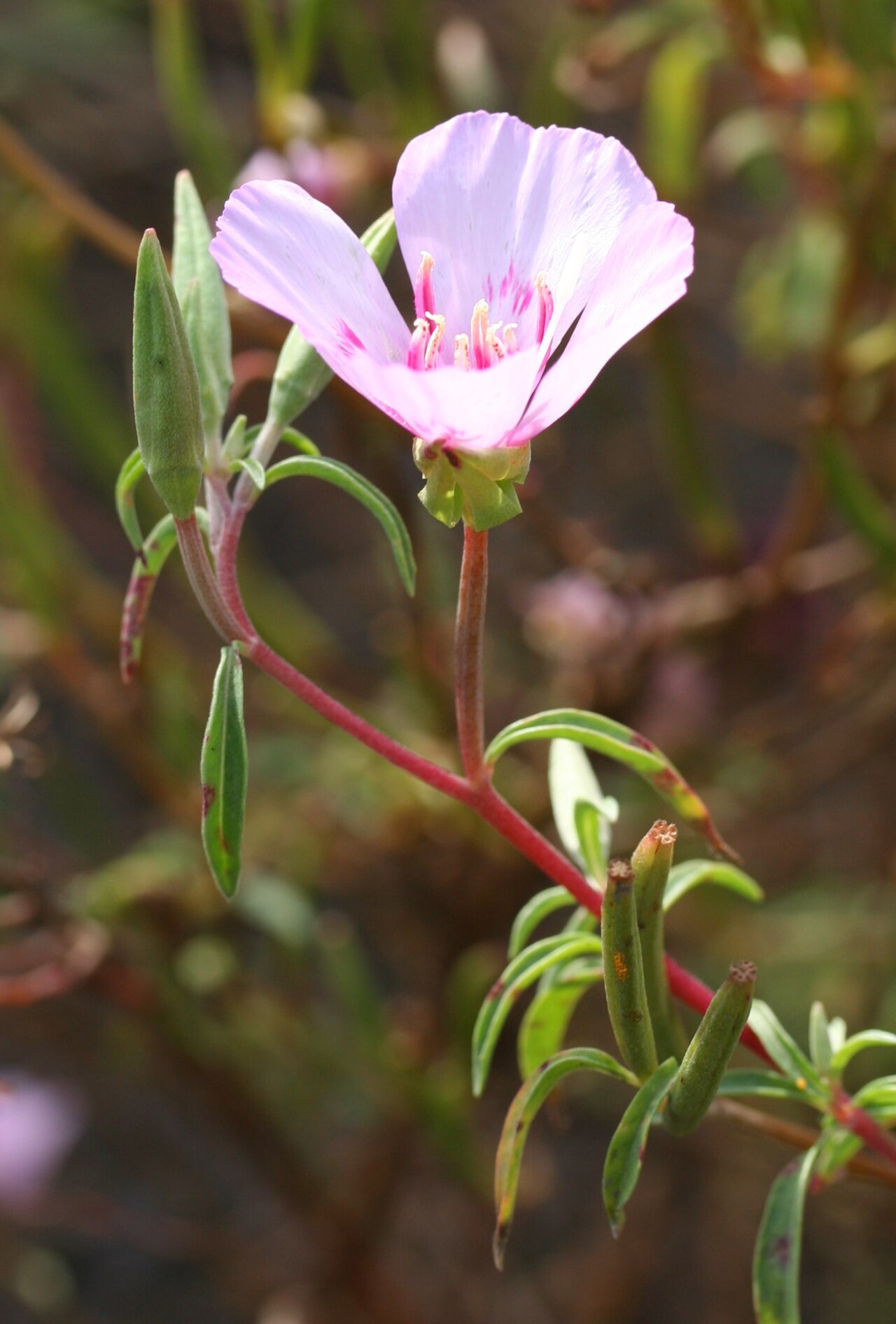
Farewell-to-spring grows as an upright to slightly sprawling annual, typically 1 to 2 feet tall, with slender stems and narrow leaves that keep the plant looking light and airy even when covered in bloom. Flowers open from buds held upright along the stem, and a single healthy plant can carry dozens of blooms in succession over several weeks, making it one of the longer-blooming annuals in the wildflower garden.
Easy to grow from seed and strikingly beautiful in bloom, farewell-to-spring has long been popular both as a wild-collected cut flower in its native range and as a garden annual well beyond it; selections and cultivars are grown in gardens worldwide. In a native plant garden, it brings reliable, large-scale color to the late-spring transition, when many of the earliest bloomers have already finished.
Identification
Farewell-to-spring is an erect to ascending annual forb, usually 1 to 2 feet tall, occasionally taller in favorable conditions, with slender, often reddish stems that branch moderately from the base and middle of the plant.
Leaves
Leaves are narrow, lance-shaped to linear, 1 to 3 inches long, arranged alternately along the stem. They are a soft gray-green, sometimes with a slightly succulent texture, and are generally unremarkable compared to the flowers, serving mainly as a simple backdrop for the blooms above.
Flowers
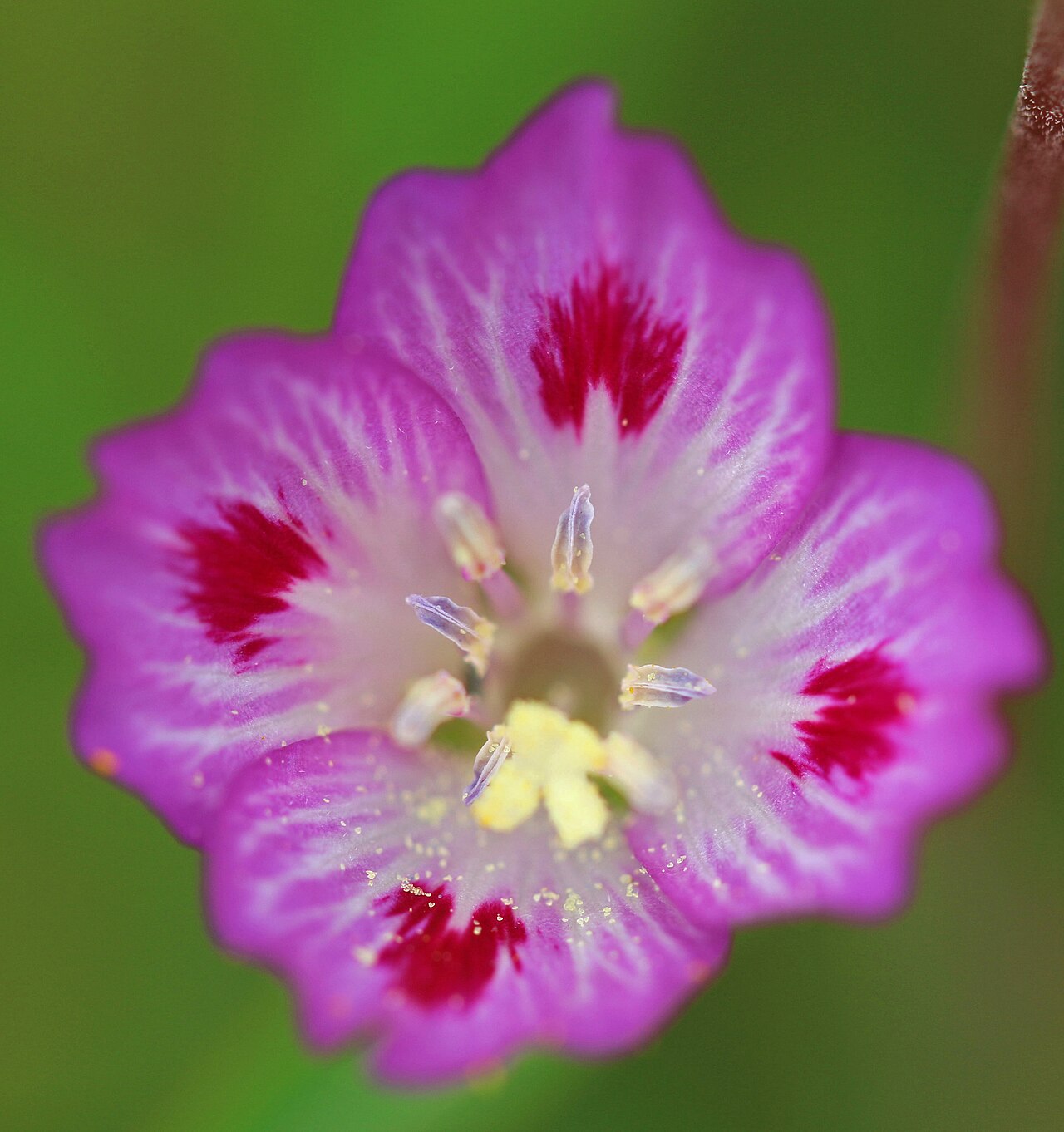
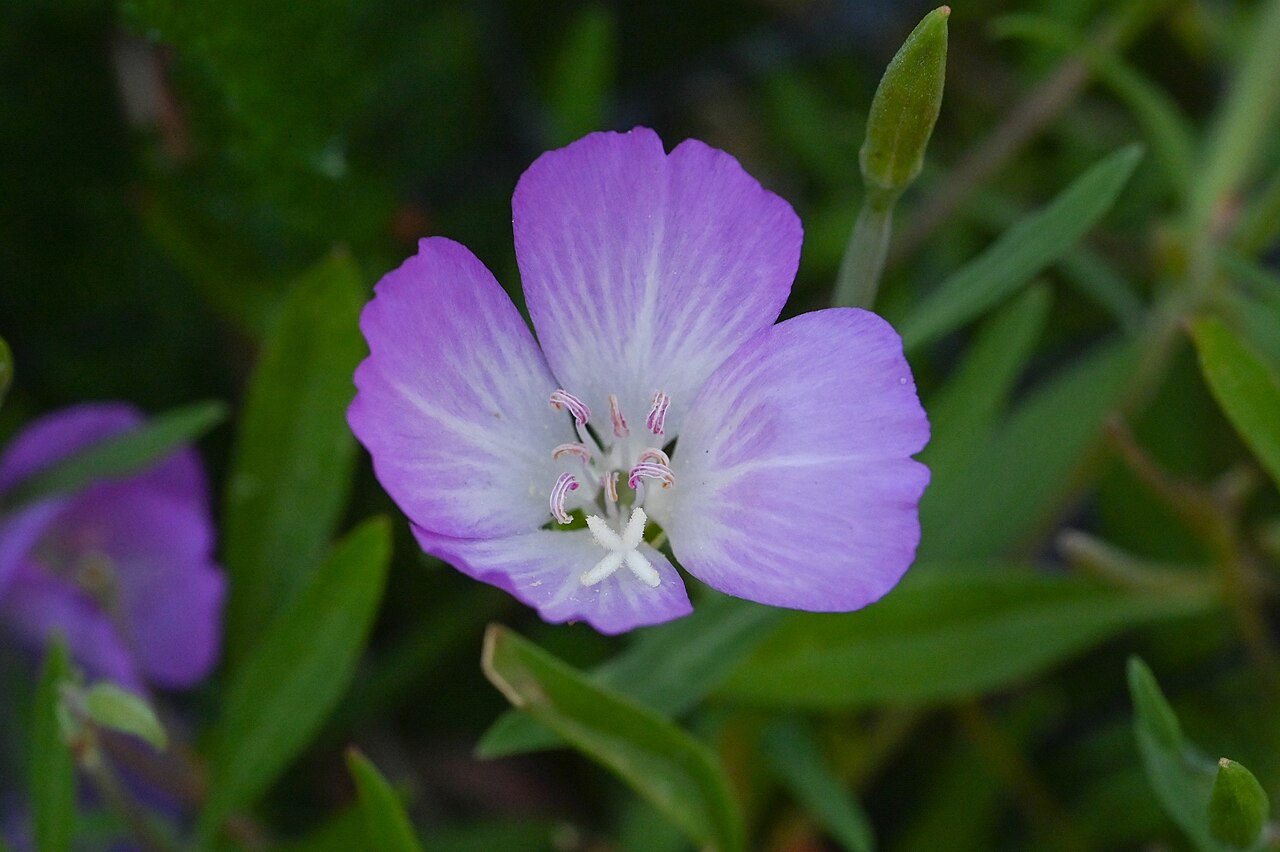
The flowers are the plant’s defining feature: large, cup- to bowl-shaped blooms 1 to 3 inches across, with four broad, overlapping petals in shades ranging from pale lavender-pink to deep magenta. Many populations and selections show a distinctive dark red or maroon blotch at the base of each petal, forming a bold central pattern against the paler petal color. Each flower has eight stamens and a prominent four-lobed stigma at the center. Flowers open from pointed buds and are borne singly in the upper leaf axils, opening in succession along the stem so that bloom continues over an extended period in late spring and early summer.
Fruit & Seeds
After flowering, farewell-to-spring forms a slender, elongated seed capsule that splits open at maturity to release numerous small seeds. Capsules typically mature from the bottom of the flowering stem upward, matching the sequential bloom pattern, and a well-flowered plant can produce a substantial seed crop that supports reliable self-sowing in a garden setting.
Quick Facts
| Scientific Name | Clarkia amoena |
| Family | Onagraceae (Evening Primrose) |
| Plant Type | Annual Wildflower |
| Mature Height | 1–2 ft (30–60 cm) |
| Mature Spread | 8–14 in (20–35 cm) |
| Growth Rate | Fast (completes life cycle in one season) |
| Sun Exposure | Full Sun to Light Shade |
| Water Needs | Low to moderate; benefits from winter-spring rain |
| Soil Type | Loam to clay loam; tolerates average to poor soils |
| Soil pH | 6.0–7.5 (adaptable) |
| Bloom Time | May – July |
| Flower Color | Pink to lavender and magenta, often with red basal blotches |
| Fall Color | Not applicable (annual, dies back by mid-summer) |
| Fruit | Slender seed capsules |
| Deer Resistant | Generally yes; not a preferred browse plant |
| USDA Hardiness Zones | 7–10 (grown as a reseeding annual) |
Native Range
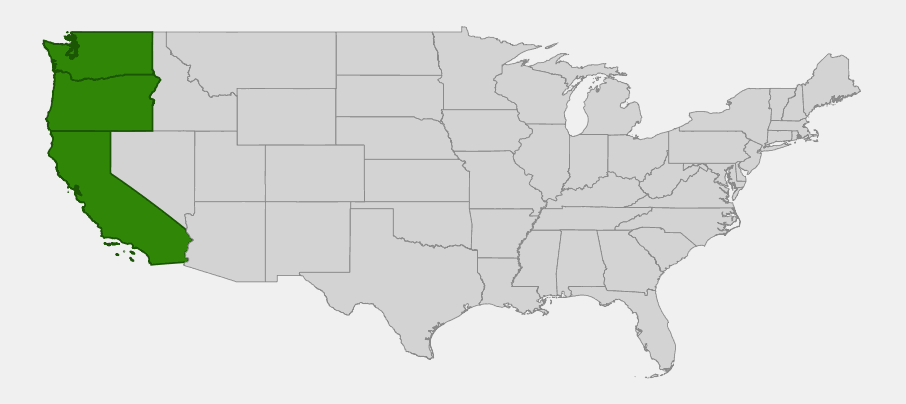
Farewell-to-spring is native to the Pacific Coast from Washington south through Oregon to California, where it grows chiefly west of the Cascade and Sierra Nevada crests. Its range also extends north into southwestern British Columbia, Canada, making it a true Pacific Coast endemic rather than a plant of the drier interior.
Within the United States, it is most common in western Washington and western Oregon, including the Willamette Valley and the Columbia River Gorge, and along the California coast and coastal ranges, reaching south to around the central California coast. It favors open grassland and prairie habitat rather than forest, and many of its strongest wild populations occur in the remnant native prairies of the Willamette Valley and similar grassland pockets elsewhere in its range.
Farewell-to-spring grows in open grassy fields, prairies, roadside banks, and coastal bluffs, generally in full sun with at least seasonal soil moisture. It typically germinates with fall and winter rain, grows through the cool season, and flowers as that moisture tapers off into the dry Pacific Coast summer, giving the species its characteristic late bloom timing relative to many other spring annuals.
📋 Regional plant lists featuring Farewell-to-Spring: California & Nevada · Western Oregon & Western Washington
Growing & Care Guide
Farewell-to-spring is an easy, rewarding annual for any Pacific Coast garden, prized for its large flowers and relatively long bloom season compared with many spring wildflowers.
Light
Full sun produces the best flowering and sturdiest growth, though plants tolerate light, open shade for part of the day, particularly in warmer inland gardens where some afternoon relief can prevent stress during the late bloom period.
Soil & Water
Farewell-to-spring grows well in average garden loam to clay loam and is not demanding about soil fertility; overly rich soil tends to produce excess foliage at the expense of flowers. Water needs are low to moderate: plants are usually watered in by fall or winter rain and need little supplemental irrigation through the cool season, though a bit of extra water during an unusually dry spring can extend the bloom period. As with most California-climate annuals, reduce watering once flowering winds down and let the plant dry and set seed naturally.
Planting Tips
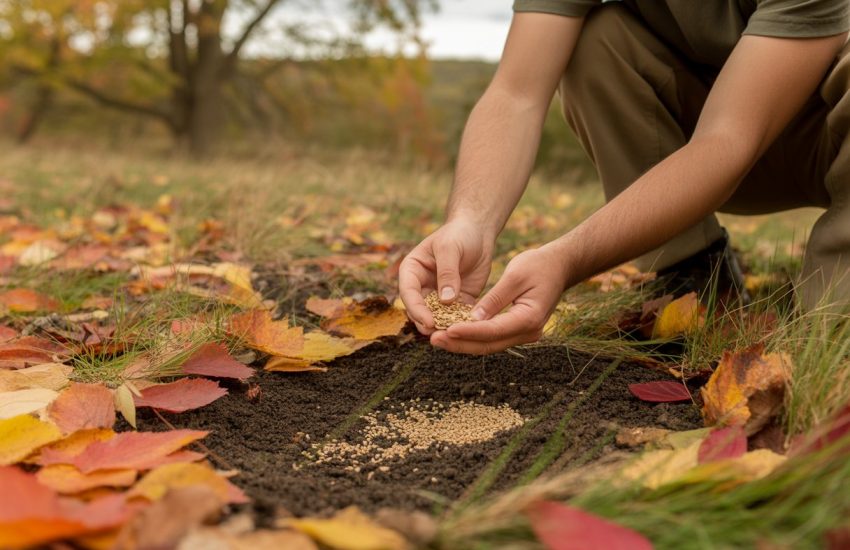
Sow seed directly in fall or very early spring, depending on climate; coastal gardeners generally get the best results from a fall sowing timed to natural rainfall, while colder inland sites may do better with an early spring sowing once the soil has warmed slightly. Scatter seed over cleared, open ground and press in lightly, since the seed needs light and good soil contact to germinate well. Thin crowded seedlings to give plants room to branch and flower fully.
Pruning & Maintenance
No pruning is required. Light deadheading of spent flowers can tidy the plant’s appearance and may encourage a few additional blooms, but letting seed capsules mature undisturbed ensures a strong self-sown crop for the following year. Once the plant has finished flowering and dried down, cut back or clear the dead stems.
Propagation
Propagation is by seed. Allow capsules to mature and dry fully on the plant before collecting, store seed in a cool, dry place, and sow the following fall or early spring. No pretreatment is typically needed for good germination.
Landscape Uses
- Wildflower meadows and native prairie restoration plantings
- Cut flower gardens — long-lasting, showy blooms
- Pollinator gardens extending bloom into the late-spring transition
- Coastal and bluff plantings in exposed, sunny sites
- Mixed borders for seasonal color among perennials and shrubs
- Erosion control on open slopes and roadside banks
Wildlife & Ecological Value
Farewell-to-spring’s large, nectar-rich flowers make it a valuable late-spring resource in the Pacific Coast grassland and prairie ecosystems where it grows.
For Pollinators
The showy flowers attract a range of native bees, including specialist bees associated with the evening primrose family, along with bumblebees, butterflies, and other nectar-seeking insects. Because it blooms later than many spring annuals, farewell-to-spring helps bridge the gap in floral resources between the main spring bloom and the leaner days of summer.
For Birds
Small seed-eating birds forage for the tiny seeds released from the mature capsules as plants dry down in summer, adding to the broader seasonal mix of annual wildflower seed available in open grassland habitat.
For Mammals
Small mammals and rodents take some seed and foliage, though the plant is not a primary food source for larger browsers and is generally left alone by deer.
Ecosystem Role
As a characteristic species of Pacific Coast native prairie, farewell-to-spring contributes to the diversity and resilience of these increasingly rare grassland communities, many of which have been lost to agriculture and development, particularly in the Willamette Valley. Its late bloom timing fills an important floral-resource gap for pollinators, and its reliable seed production supports the soil seed bank that lets native prairie remnants recover after disturbance or restoration work.
Cultural & Historical Uses
Farewell-to-spring does not have a well-documented history of medicinal or material use among Indigenous peoples of its range, but it has long been valued simply for its beauty. The common name itself is a piece of folk botany, marking the plant’s position as one of the last big, showy blooms of the Pacific Coast spring before the dry summer sets in.
In the 19th century, several Clarkia species, including this one, were collected and introduced into European horticulture, where selections and hybrids were grown widely under the name Godetia, a now-outdated genus name still occasionally seen on seed packets. These garden forms, often larger-flowered and more heavily blotched than wild plants, helped make farewell-to-spring one of the more internationally recognized California native wildflowers.
Today, farewell-to-spring remains popular both in its native range, where it is a staple of native prairie restoration and wildflower seed mixes, and in gardens worldwide, where it is grown as an easy, colorful summer annual well outside the Pacific Coast climate it calls home.
Frequently Asked Questions
Why is it called farewell-to-spring?
The name reflects its bloom timing: it is one of the last major wildflowers to flower each year along the Pacific Coast, putting on a showy display as the wet spring season gives way to the dry summer.
Is farewell-to-spring the same as Godetia?
Yes. Godetia is an older genus name under which this species and its relatives were long sold in the horticultural trade, and the name still appears on some seed packets, though the accepted scientific name today is Clarkia amoena.
How long does farewell-to-spring bloom?
Individual plants typically bloom over several weeks in late spring to midsummer, since flowers open in succession along the stem rather than all at once, giving a longer overall display than many single-flush annuals.
Does farewell-to-spring need a lot of water?
No. It needs only low to moderate water, relying mainly on fall and winter rainfall, with reduced watering as flowering finishes and the plant naturally dries down and sets seed in summer.
Can farewell-to-spring be grown as a cut flower?
Yes. Its large, long-lasting blooms make it a popular cut flower both historically in its native range and today in gardens, where cutting stems can also help prolong flowering on the remaining plant.

Looking for a nursery that carries Farewell-to-Spring?
Browse our native plant nursery directory: California · Oregon · Washington