Beach Sand Verbena (Abronia umbellata)
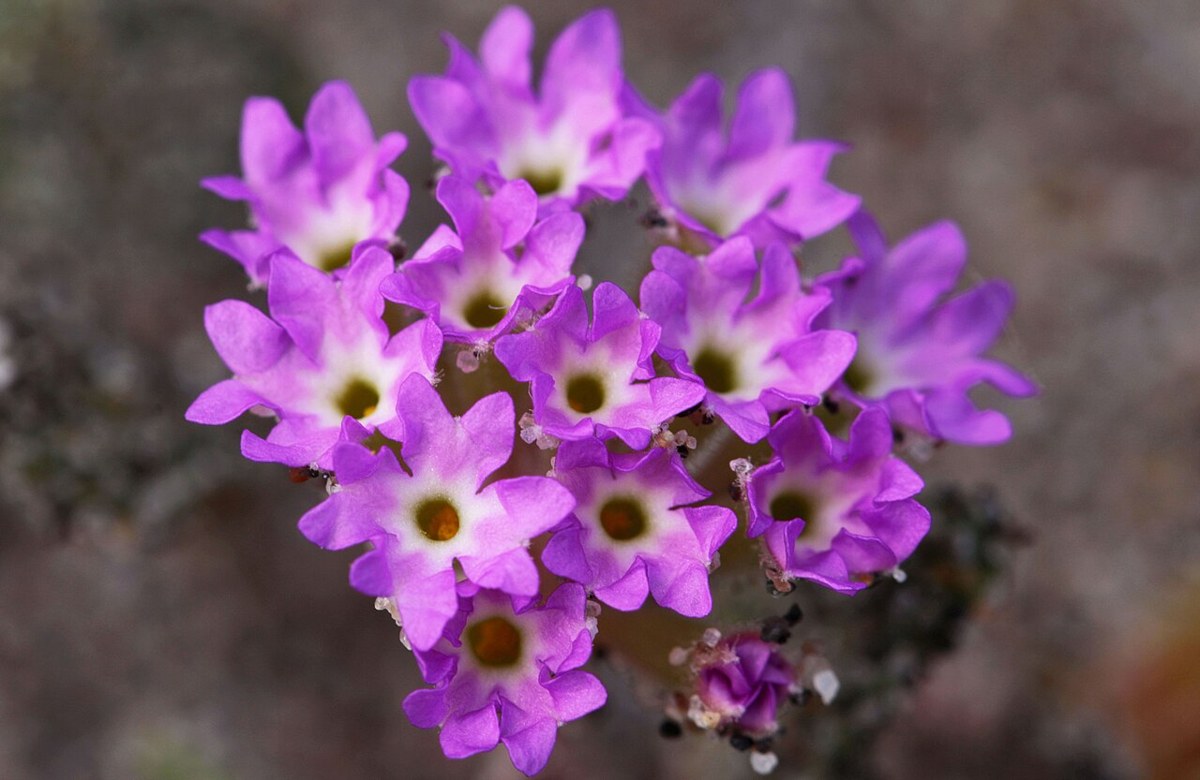
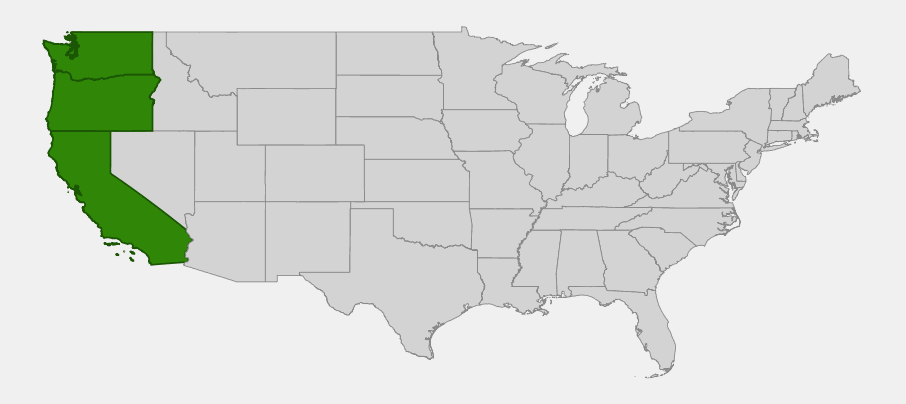
Abronia umbellata, commonly known as beach sand verbena or pink sand verbena, is a trailing, fragrant wildflower of Pacific coast beaches and foredunes, found from Washington south through Oregon and California. A member of the four o’clock family (Nyctaginaceae), it grows flat against loose, shifting sand, sending out long, sprawling stems from a central root crown and covering itself through spring and summer in rounded clusters of bright magenta-pink, white-throated flowers.
This is a true pioneer of the open, actively moving sand right at the edge of the beach — ground too unstable, salty, and nutrient-poor for most plants. Its sticky, hairy foliage traps blowing sand, and its deep taproot anchors it as dunes shift beneath it, making it one of the few native plants equipped to colonize bare, wind-scoured foredunes. That specialization has also made it vulnerable: invasive European beachgrass has stabilized and reshaped dunes across much of the Pacific Northwest coast over the past century, eliminating the open sand this species needs, and beach sand verbena is now listed as endangered in Washington and Oregon, though it remains more widespread in California.
In the garden, beach sand verbena is a specialist plant for coastal, sandy gardens rather than a general-purpose ornamental — it wants exactly the lean, salty, sun-baked, well-drained sand of its native dunes. Planted in the right spot, it rewards with a long season of fragrant, jewel-toned flowers and genuine conservation value, since garden and restoration plantings help offset losses from beachgrass invasion along much of its range.
Identification
Beach sand verbena grows as a sprawling, mat-forming annual or short-lived perennial with trailing stems that can extend 1 to 3 feet from the base, hugging the sand rather than growing upright. The whole plant has a low, spreading silhouette suited to constant beach wind.
Stems & Leaves
Stems are reddish, prostrate to trailing, and covered in fine, sticky, gland-tipped hairs that trap wind-blown sand grains, often giving the plant a dusty, sand-crusted look. Leaves are opposite, oval to round, somewhat fleshy, up to 2 inches long, with wavy margins and the same glandular hairs found on the stems.
Flowers
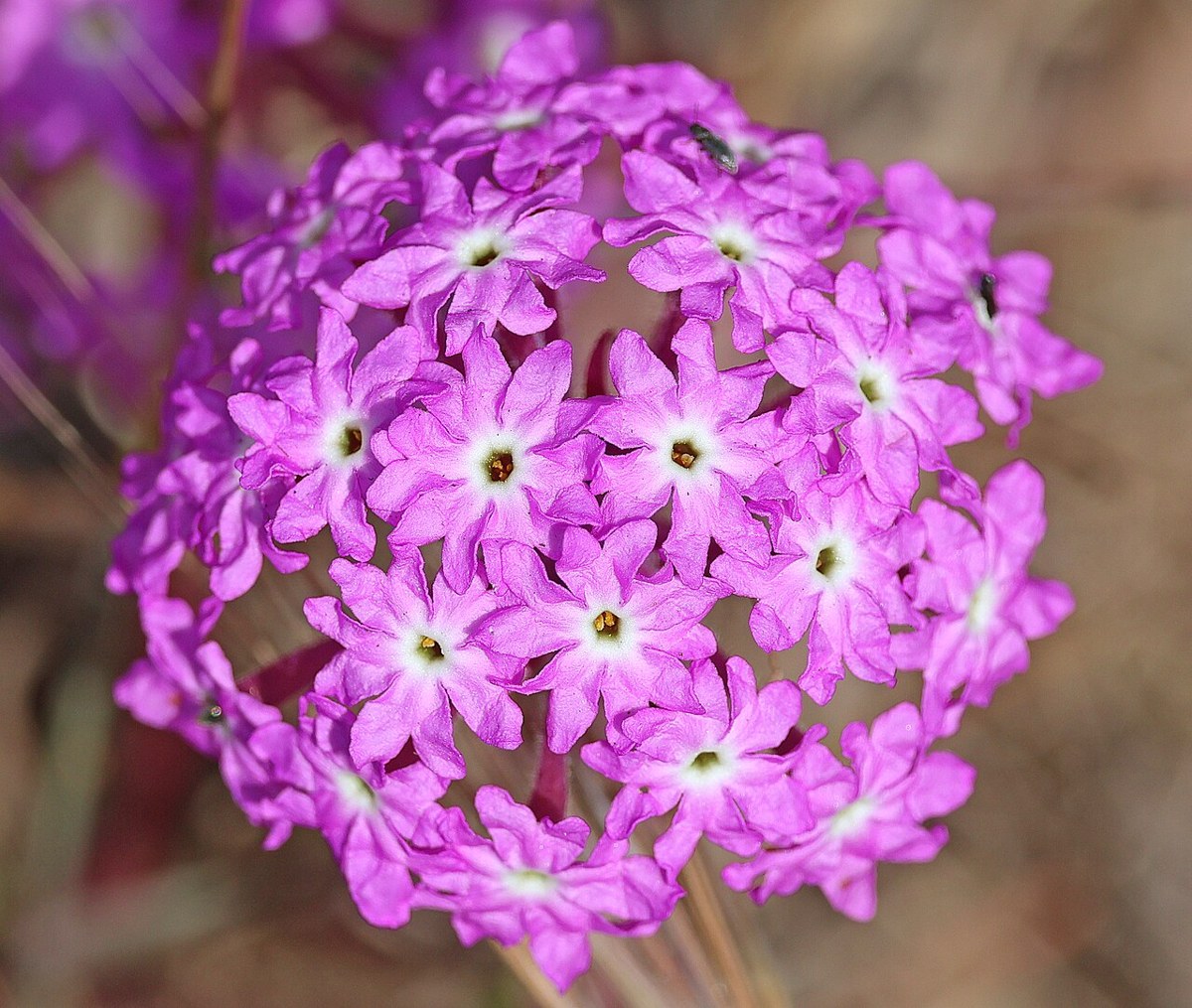
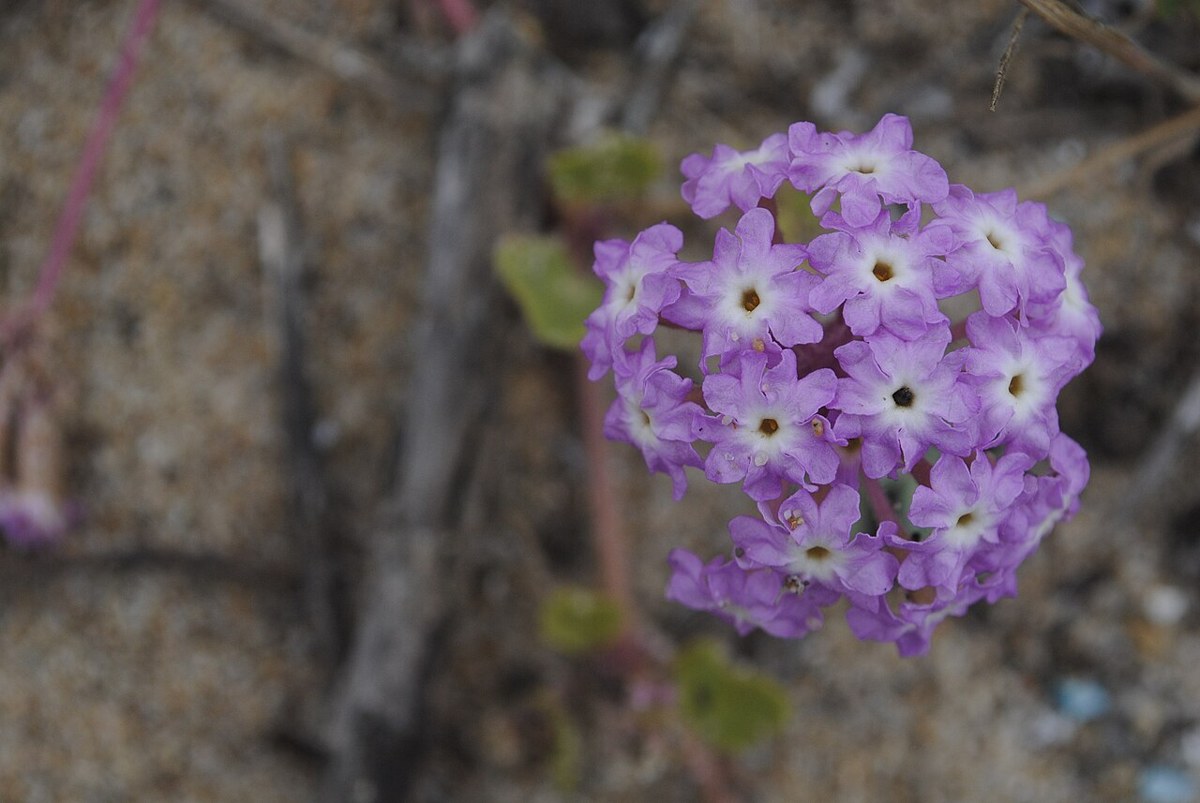
Flowers are small and tubular, clustered into dense, rounded, ball-like heads of a dozen or more blooms held just above the foliage on short stalks. Each flower has a magenta-pink to rose-purple tubular corolla flaring into five notched lobes, often with a conspicuous white or pale-yellow throat, and a sweet fragrance most noticeable in the evening. Flowering extends from spring into fall along much of the coast.
Fruit & Seeds
The fruit is a small, firm, ribbed or winged structure (an anthocarp) enclosing a single seed, suited to being rolled and buried by wind and shifting sand — a dispersal strategy well matched to its foredune habitat.
Quick Facts
| Scientific Name | Abronia umbellata |
| Family | Nyctaginaceae (Four O’Clock) |
| Plant Type | Trailing Annual / Short-lived Perennial Ground Cover |
| Mature Height | 2–4 in (5–10 cm) |
| Mature Spread | 1–3 ft (30–90 cm) trailing stems |
| Growth Rate | Fast |
| Sun Exposure | Full Sun |
| Water Needs | Low |
| Soil Type | Loose beach sand; sharply drained, salt-tolerant |
| Drought Tolerance | Excellent |
| Bloom Time | April – September |
| Flower Color | Magenta-pink with white throat |
| Fruit | Small ribbed anthocarp, one seed |
| Deer Resistant | Yes (sticky, salt-crusted foliage) |
| USDA Hardiness Zones | 8–10 |
Native Range
Beach sand verbena grows along the Pacific coast from Washington south through Oregon and California, historically reaching into Baja California, Mexico. It is strictly a coastal species, found only within reach of beach and dune habitat and never inland.
Within this range it colonizes open, actively shifting sand on foredunes, upper beaches, and the sandy margins near river mouths — specifically the unstabilized sand that most dune vegetation cannot tolerate. In California it remains locally common on a number of beaches and dune systems, while in Washington and Oregon it has become rare, persisting in a scattering of protected or actively managed sites and listed as endangered in both states.
The principal threat across its northern range is the invasion of European beachgrass (Ammophila arenaria) and, more recently, hybrid American beachgrass, both of which stabilize and steepen foredunes, eliminating the open sand habitat beach sand verbena depends on. Coastal development, trampling, and off-road vehicle use on remaining open-sand habitat add further pressure. Active dune restoration projects along the Oregon and Washington coasts now include reintroducing this species to sites cleared of invasive grass.
📋 Regional plant lists featuring Beach Sand Verbena: California & Nevada · Western Oregon & Western Washington
Growing & Care Guide
Beach sand verbena is a specialist, not a generalist — it thrives only when its basic requirement of loose, open, well-drained sand and full coastal sun is met, and gardeners closer to the actual coast will have the most success with it.
Light
Full sun is required, matching the completely open, unshaded conditions of a foredune.
Soil & Water
Loose, sandy, fast-draining soil is non-negotiable; the species does not perform in garden loam or clay. It tolerates salt spray and occasional salt water inundation at the top of the beach, and it needs little to no supplemental irrigation beyond coastal fog and rainfall once established, though occasional watering helps new plantings establish in the first season.
Planting Tips
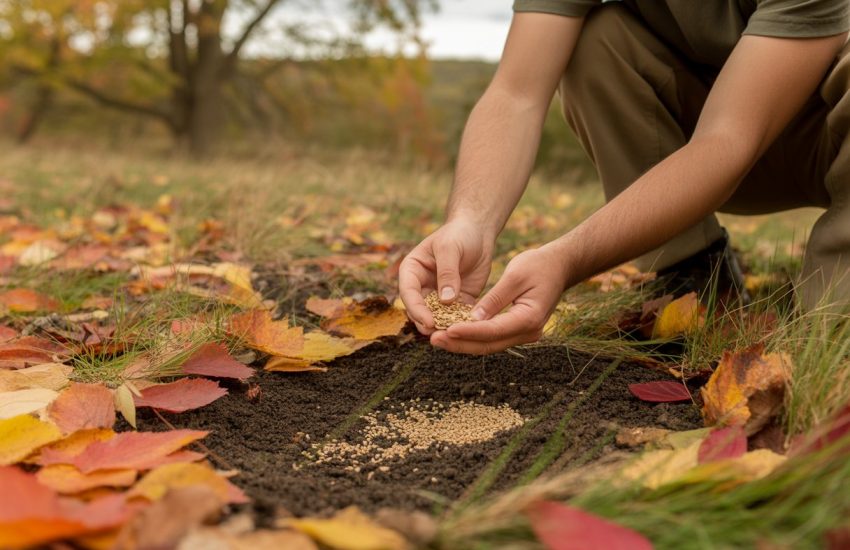
Sow seed directly into loose sand in fall or early spring; seed is often most successful when sourced from local, regionally appropriate stock, particularly for restoration plantings in Washington and Oregon where wild populations are rare and genetically distinct. Because the species is adapted to active, shifting sand, avoid planting it into stabilized, grass-covered dunes — it needs open ground, not a conventional garden bed.
Pruning & Maintenance
Little is needed. As the plant is an annual or short-lived perennial, allow some flower heads to mature and drop seed each season to sustain a planting; avoid tidying away all spent growth.
Landscape Uses
Beach sand verbena has a narrow but important set of appropriate uses:
- Coastal dune restoration, particularly on sites cleared of invasive beachgrass
- Beachfront gardens with genuinely sandy, salt-exposed sites
- Fragrance gardens near coastal patios, where evening scent is most noticeable
- Erosion-prone open sand where its trapping, sand-binding growth habit is useful
Wildlife & Ecological Value
Beach sand verbena is a keystone species of the foredune plant community, supporting pollinators and stabilizing habitat used by other rare coastal species.
For Pollinators
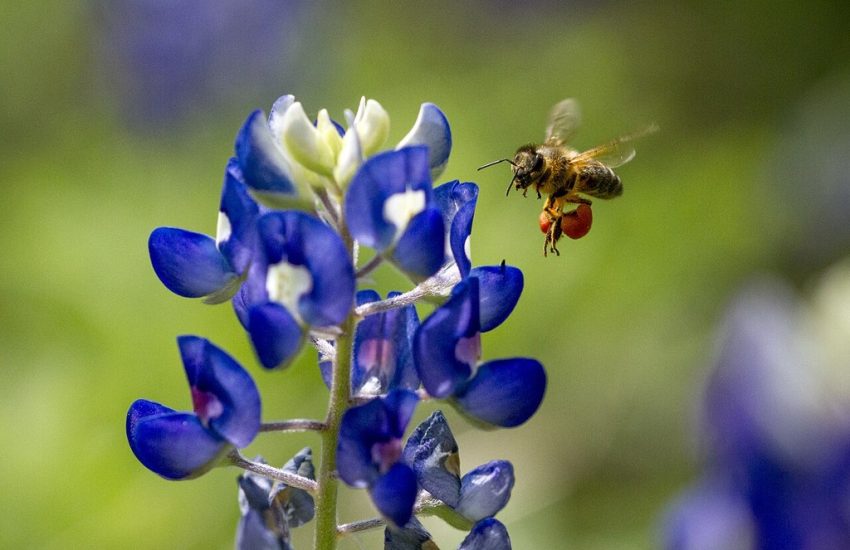
The clustered, fragrant, tubular flowers attract a range of native bees, flies, and moths, including longer-tongued species suited to reaching nectar at the base of the tube. In areas where it remains abundant, it is an important nectar source on otherwise sparsely vegetated open sand.
For Dune Wildlife
Its sand-trapping growth habit helps create the small-scale dune topography and partial cover used by beach-nesting insects and other foredune specialists, and its seeds contribute to the food web of the beach and dune edge. Healthy open-sand habitat supporting this species often also supports other sensitive coastal species, including ground-nesting shorebirds on undisturbed beaches.
Ecosystem Role
As one of the few plants able to colonize truly open, actively moving sand, beach sand verbena plays an outsized role in the earliest stages of dune plant succession, trapping sand and creating microhabitat conditions that allow other dune specialists to establish nearby. Its decline under beachgrass invasion is a widely used indicator of foredune ecosystem health along the Pacific Northwest coast.
Cultural & Historical Uses
Beach sand verbena has no significant documented history of Indigenous or settler-era medicinal or food use, unlike some of its desert relatives; its primary historical significance is ecological and, more recently, as a conservation priority species. Early 20th-century botanical surveys of the Pacific coast documented it as a common component of healthy, open foredunes from Washington to California, a baseline against which today’s much-reduced Northwest populations are measured.
Since the introduction of European beachgrass for dune stabilization in the early 1900s — originally planted to protect coastal infrastructure and farmland from shifting sand — beach sand verbena and other open-sand specialists have been pushed into an increasingly narrow fringe of remaining habitat. The species is now a focal point of coordinated restoration programs along the Oregon and Washington coasts, which combine beachgrass removal with reintroduction of regionally sourced seed.
Today, growing beach sand verbena in an appropriate coastal garden or supporting a local dune restoration planting is one of the more direct ways a home gardener can contribute to the recovery of a federally recognized species of conservation concern.
Frequently Asked Questions
Is beach sand verbena endangered everywhere?
No. It is listed as endangered in Washington and threatened/endangered in Oregon, where invasive beachgrass has eliminated much of its open-sand habitat, but it remains more widespread, though still declining in places, along the California coast.
Can I grow beach sand verbena in an inland garden?
It is not well suited to inland gardens. The species is adapted specifically to sandy, salt-influenced coastal conditions and generally fails in ordinary inland garden soil, even with irrigation.
What’s the difference between beach sand verbena and desert sand verbena?
Beach sand verbena (Abronia umbellata) is a coastal dune species found along the Pacific shoreline, while desert sand verbena (Abronia villosa) is adapted to hot inland deserts of California, Nevada, and Arizona. They share a similar flower form but occupy entirely different habitats and should not be substituted for one another in restoration plantings.
Why is European beachgrass a problem for this species?
European beachgrass was planted along the Pacific coast in the early 1900s to stabilize dunes, but it grows densely and traps sand into tall, fixed foredunes, eliminating the open, shifting sand that beach sand verbena and other native dune specialists need to survive.
Does beach sand verbena need staking or support?
No — it is a naturally trailing, ground-hugging plant adapted to constant coastal wind, and staking or upright support is neither needed nor appropriate to its growth habit.

Looking for a nursery that carries Beach Sand Verbena?
Browse our native plant nursery directory: California · Oregon · Washington