Purple Owl’s Clover (Castilleja exserta)
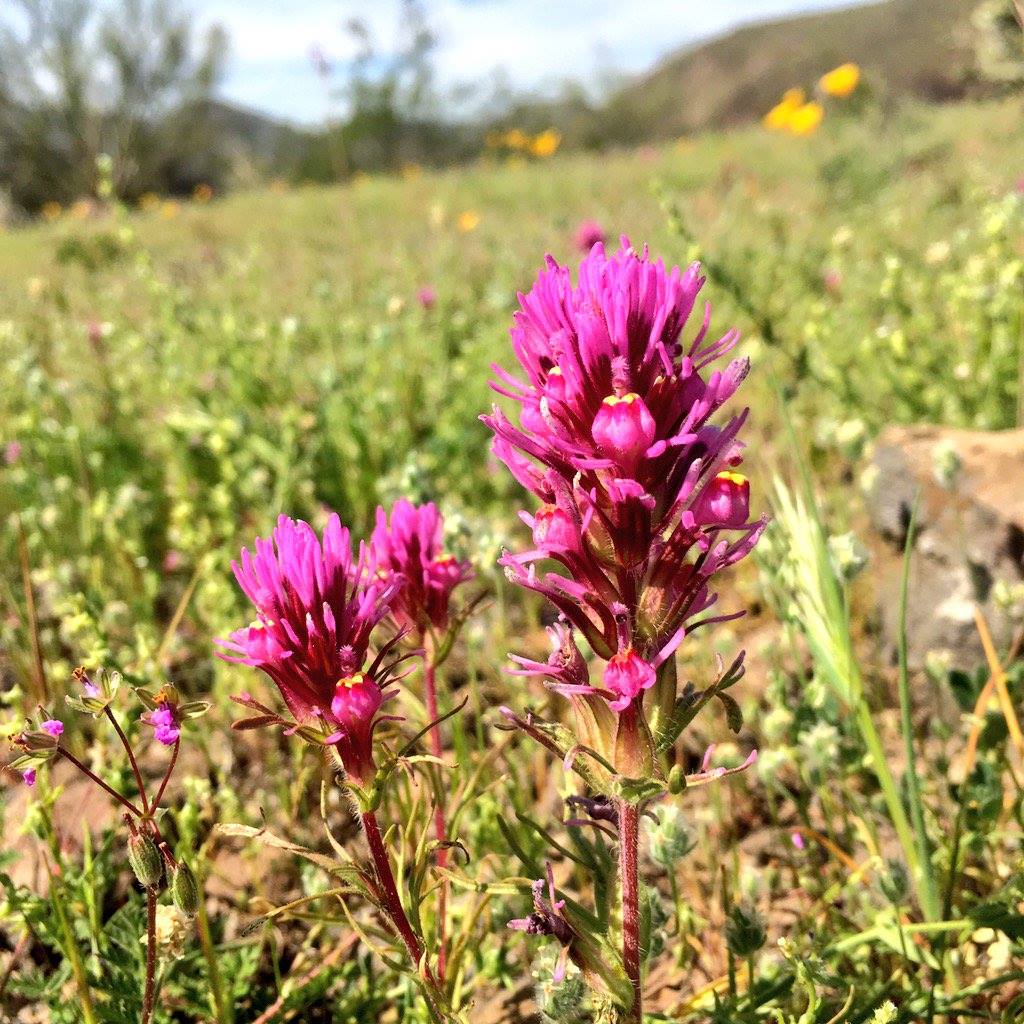
Castilleja exserta, commonly called purple owl’s clover or escobita, is one of the most recognizable wildflowers of the California and Arizona wildflower season, carpeting grasslands in magenta-pink every spring alongside golden poppies and goldfields. Despite “clover” in its common name, it is not a legume at all — it is a member of the Orobanchaceae (broomrape family), closely related to the Indian paintbrushes (Castilleja spp.), and like them it is a root hemiparasite, tapping into the roots of neighboring grasses and wildflowers for part of its water and nutrients.
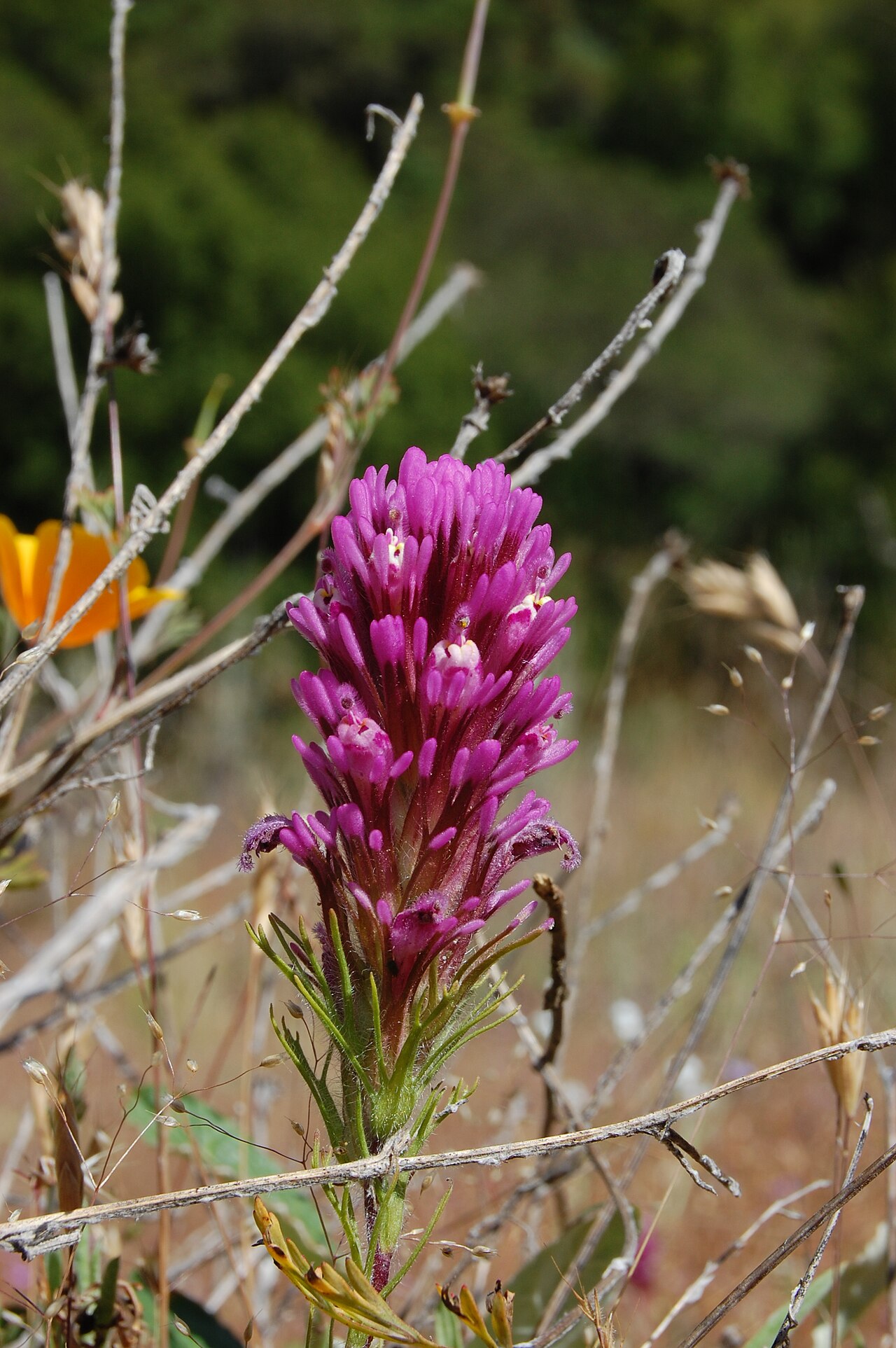
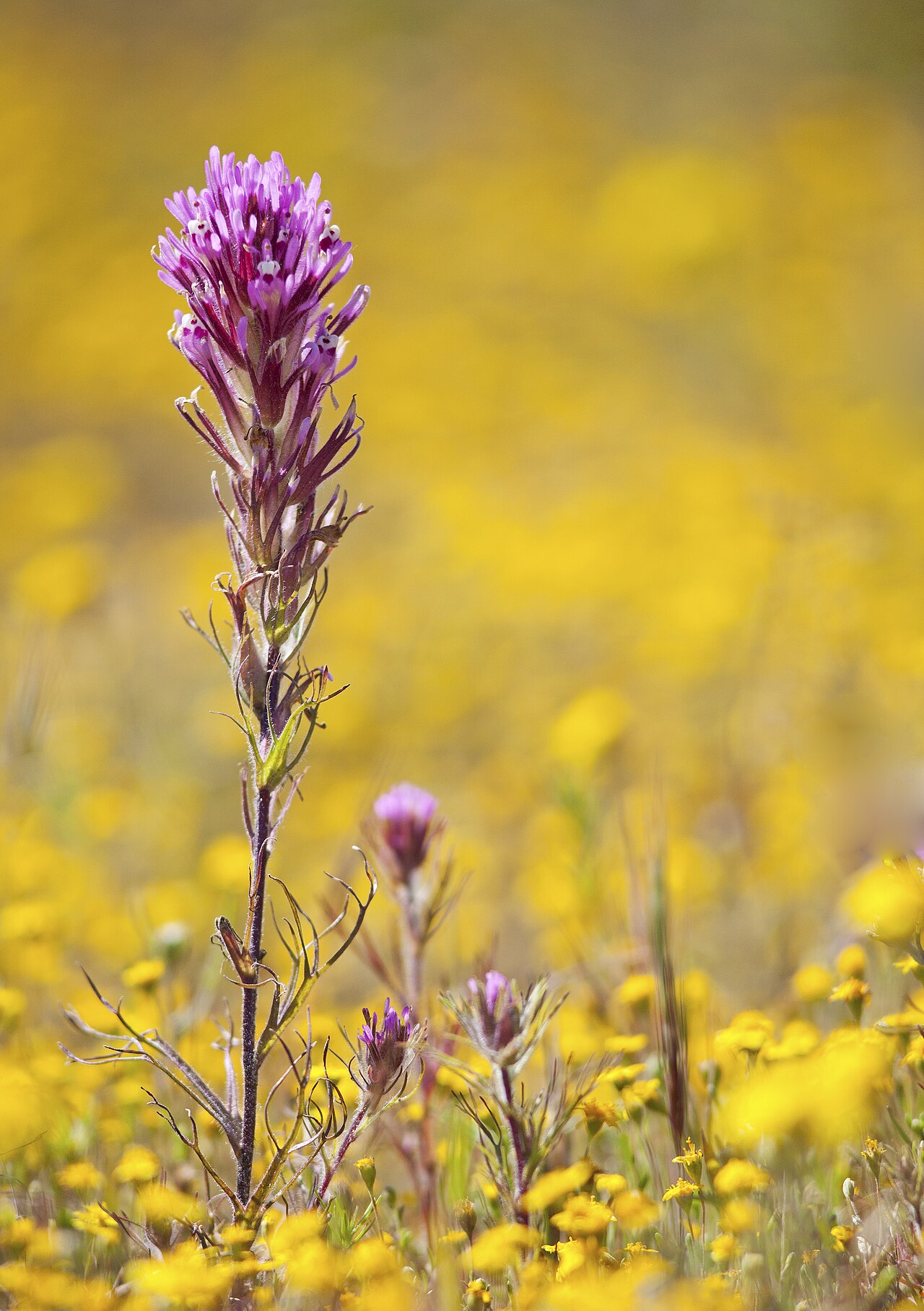
The plant forms slender, upright stems 4 to 18 inches tall, topped with a dense, shaggy, brush-like spike of magenta to rose-purple bracts tipped in white or cream. The true flowers are small and tucked inside the colorful bracts, which do the visual work of attracting pollinators — the same strategy used by its paintbrush relatives. Fine, thread-like leaves along the stem add to its soft, feathery texture.
Purple owl’s clover is a true annual, germinating with fall and winter rains, flowering heavily from February through May, and then dying completely after setting seed — there is no root or crown to carry it through summer. It depends entirely on seed for next year’s bloom, and on a healthy community of host grasses and perennials growing nearby to parasitize.
Identification
Purple owl’s clover is a hairy, erect annual herb typically 4 to 18 inches tall, occasionally taller in a wet year, usually unbranched or branching only near the base.
Stems
Stems are slender, upright, and covered in fine, soft hairs, often tinged purple toward the top where they merge into the colorful floral bracts.
Leaves
Leaves are narrow and thread-like (linear to deeply lobed into thin segments), reduced and inconspicuous compared to the showy flower spike — a common trait among hemiparasitic plants that rely on host roots for part of their nutrition rather than on broad photosynthetic leaf surface alone.
Flowers
The true flowers are small, tubular, and largely hidden within showy, hairy, magenta to rose-purple bracts tipped in white, cream, or yellow, clustered into a dense, brush-like spike at the stem tip 2 to 4 inches long. This spike, not the small flowers themselves, is what gives the plant its vivid field color and resemblance to a shaving brush or a tuft of clover blossom.
Fruit & Seeds
Flowers are followed by small, two-chambered capsules containing numerous tiny seeds. As a strict annual, the entire plant dies back after seed is set, and the next generation depends completely on that year’s seed crop and favorable germinating rains.
Quick Facts
| Scientific Name | Castilleja exserta (syn. Orthocarpus purpurascens) |
| Family | Orobanchaceae (Broomrape) |
| Plant Type | Annual Wildflower (Root Hemiparasite) |
| Mature Height | 4–18 in |
| Mature Spread | 6–12 in |
| Growth Rate | Fast (single growing season) |
| Sun Exposure | Full Sun |
| Water Needs | Low (winter/spring rainfall only) |
| Soil Type | Sandy to clay; prefers fast-draining soil |
| Soil pH | 6.0–7.5 (slightly acidic to neutral) |
| Bloom Time | February – May |
| Flower Color | Magenta to rose-purple, tipped white or cream |
| Fall Color | None (annual, dies after seed set) |
| Fruit | Small two-chambered capsules, tiny seeds |
| Deer Resistant | Generally yes |
| USDA Hardiness Zones | 8–11 (grown as a self-sowing annual) |
Native Range
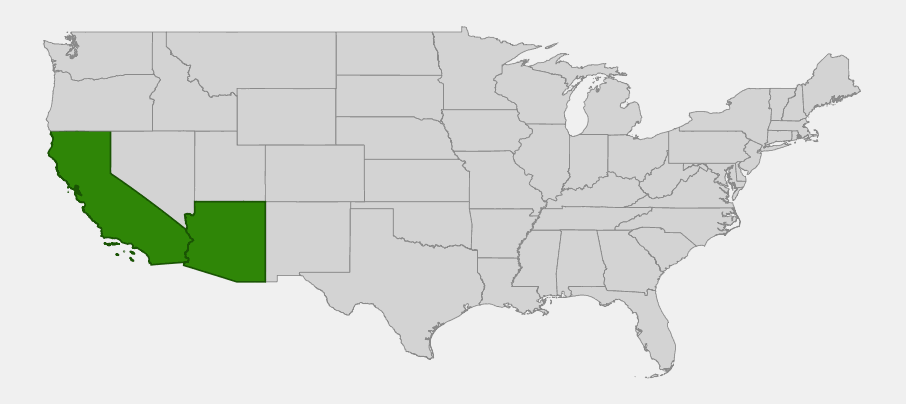
Purple owl’s clover is native to California and Arizona, where it is a widespread and often spectacular component of the spring wildflower display. It grows through the Central Valley, Coast Ranges, and southern California grasslands and chaparral openings in California, and in the grassland and desert-edge habitats of southern and central Arizona.
It occurs from near sea level to roughly 5,000 feet in open grasslands, vernal pool margins, chaparral and oak woodland openings, and desert grassland, typically on sites that stay moist through winter and dry out by late spring. Its reliance on hemiparasitism ties it closely to healthy stands of native grasses and perennial wildflowers, which it needs nearby to thrive.
Purple owl’s clover is not documented as reliably native outside California and Arizona on a county level, and gardeners elsewhere should treat it strictly as a California/Arizona native annual rather than attempt it as a regional wildflower further east.
📋 Regional plant lists featuring purple owl’s clover: California and Nevada · Arizona & New Mexico
Growing & Care Guide
Purple owl’s clover can be grown from seed in a native wildflower meadow, but success depends on understanding — and providing for — its hemiparasitic habit. It is not a plant that thrives alone in bare soil.
Light
Plant in full sun, matching the open grassland and chaparral-opening conditions where it grows wild. It will not perform well in shaded or densely planted beds.
Soil & Water
It tolerates both sandy and clay soils but does best with reasonably fast drainage. Rely on fall and winter rainfall to germinate and grow the plant through its single season; no summer water is needed or wanted, since the plant is finished by early summer regardless.
Planting Tips
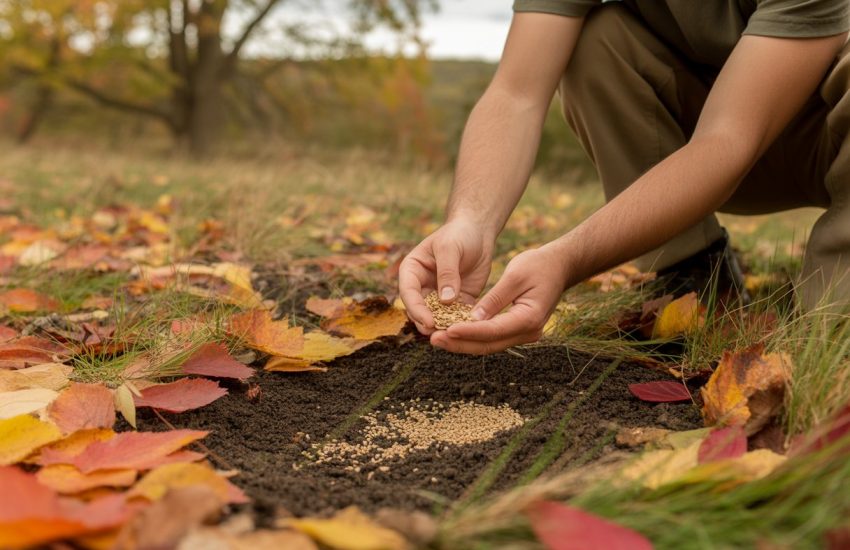
Because purple owl’s clover is a root hemiparasite, it needs to be sown into an established stand of compatible host plants — native bunchgrasses (needlegrass, fescue), goldfields, or other native annual and perennial wildflowers — rather than planted alone. Scatter seed over an existing native grassland planting or wildflower meadow in fall, timed with the first rains, and let it establish alongside its hosts.
Pruning & Maintenance
None needed. As an annual, the plant completes its life cycle and dies back after flowering; simply allow seed to mature and drop before clearing dead growth, which lets the planting self-sow for future years.
Landscape Uses
- Native wildflower meadows mixed with California poppy, goldfields, and lupine
- Grassland restoration plantings alongside native bunchgrasses
- Vernal pool margin and seasonal wetland edge plantings
- Pollinator gardens for spring-active native bees and butterflies
- Butterfly host plantings — a larval host for the Bay checkerspot butterfly
Wildlife & Ecological Value
Purple owl’s clover is a keystone component of California’s spring wildflower superblooms, providing nectar, larval host plants, and visual pollinator cues at a critical time of year.
For Pollinators
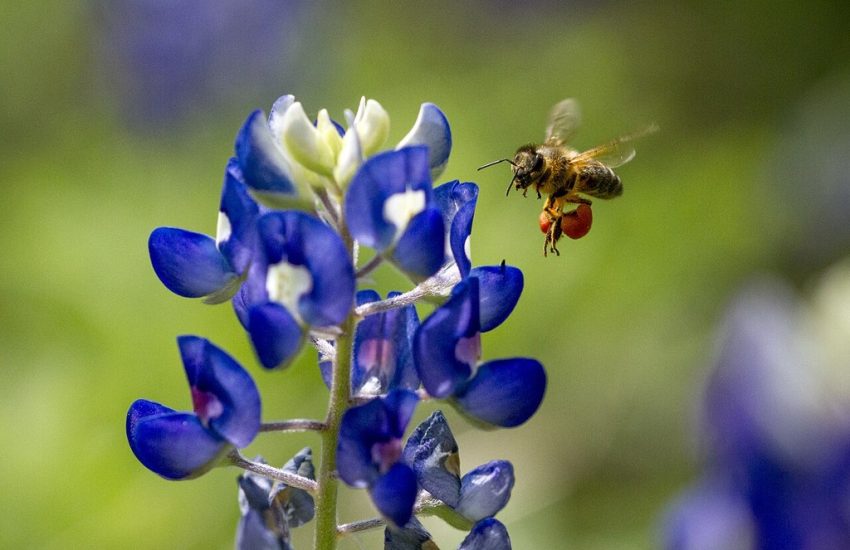
The nectar-rich bracted spikes attract native bees, bumblebees, and butterflies. The species is also a documented larval host plant for the federally threatened Bay checkerspot butterfly, making it ecologically important well beyond its own pollination needs.
For Birds
Seed-eating sparrows and finches forage in the grassland and chaparral-opening habitats where purple owl’s clover grows, benefiting indirectly from the diverse insect life the blooming fields support.
For Mammals
Small mammals use the dense spring growth of mixed-wildflower grasslands, including owl’s clover stands, for cover; the plant itself is not a major forage species for larger mammals.
Ecosystem Role
As a hemiparasite, purple owl’s clover draws some water and nutrients from neighboring grasses and perennials, which can help moderate the vigor of aggressive host species and contribute to the fine-scale diversity that makes intact California grasslands so floristically rich during a good bloom year.
Cultural & Historical Uses
Purple owl’s clover does not carry a widely documented history of food or medicinal use among Indigenous peoples of California and Arizona, unlike some of its more substantial paintbrush relatives. Its primary significance, historically and today, is as one of the most visually prominent wildflowers of the region’s spring bloom, often appearing in massed displays alongside California poppy and goldfields that have long been noted by travelers and naturalists describing the California spring landscape.
The Spanish-derived common name “escobita,” meaning “little broom,” reflects the plant’s brush-like flower spike and its long-standing familiarity to Californians and visitors alike.
In recent decades, the species has become an important indicator and restoration species in California grassland conservation, valued both for its beauty and for its ecological role as a larval host for the Bay checkerspot butterfly.
Frequently Asked Questions
Is purple owl’s clover actually a clover?
No. Despite the common name, it is not related to true clovers (which are legumes). Purple owl’s clover is in the broomrape family and is closely related to the Indian paintbrushes.
Why won’t my purple owl’s clover seed germinate well alone?
Purple owl’s clover is a root hemiparasite and grows best when sown alongside compatible host plants such as native bunchgrasses or other wildflowers. Planted entirely alone in bare soil, germination and growth are often poor.
How long does purple owl’s clover bloom?
It typically blooms from February through May, varying with rainfall and elevation, then completes its life cycle and dies as a true annual — there is no perennial root to regrow from.
Is purple owl’s clover good for pollinators?
Yes. It provides nectar for native bees and butterflies and serves as a larval host plant for the threatened Bay checkerspot butterfly, making it valuable in pollinator and butterfly-focused native plantings.
Can I grow purple owl’s clover outside California and Arizona?
It is only confirmed native to California and Arizona. It is best grown as a native wildflower within that range, matched with its native grassland hosts, rather than introduced elsewhere.

Looking for a nursery that carries purple owl’s clover?
Browse our native plant nursery directory: California · Arizona