Panicled Bulrush (Scirpus microcarpus)
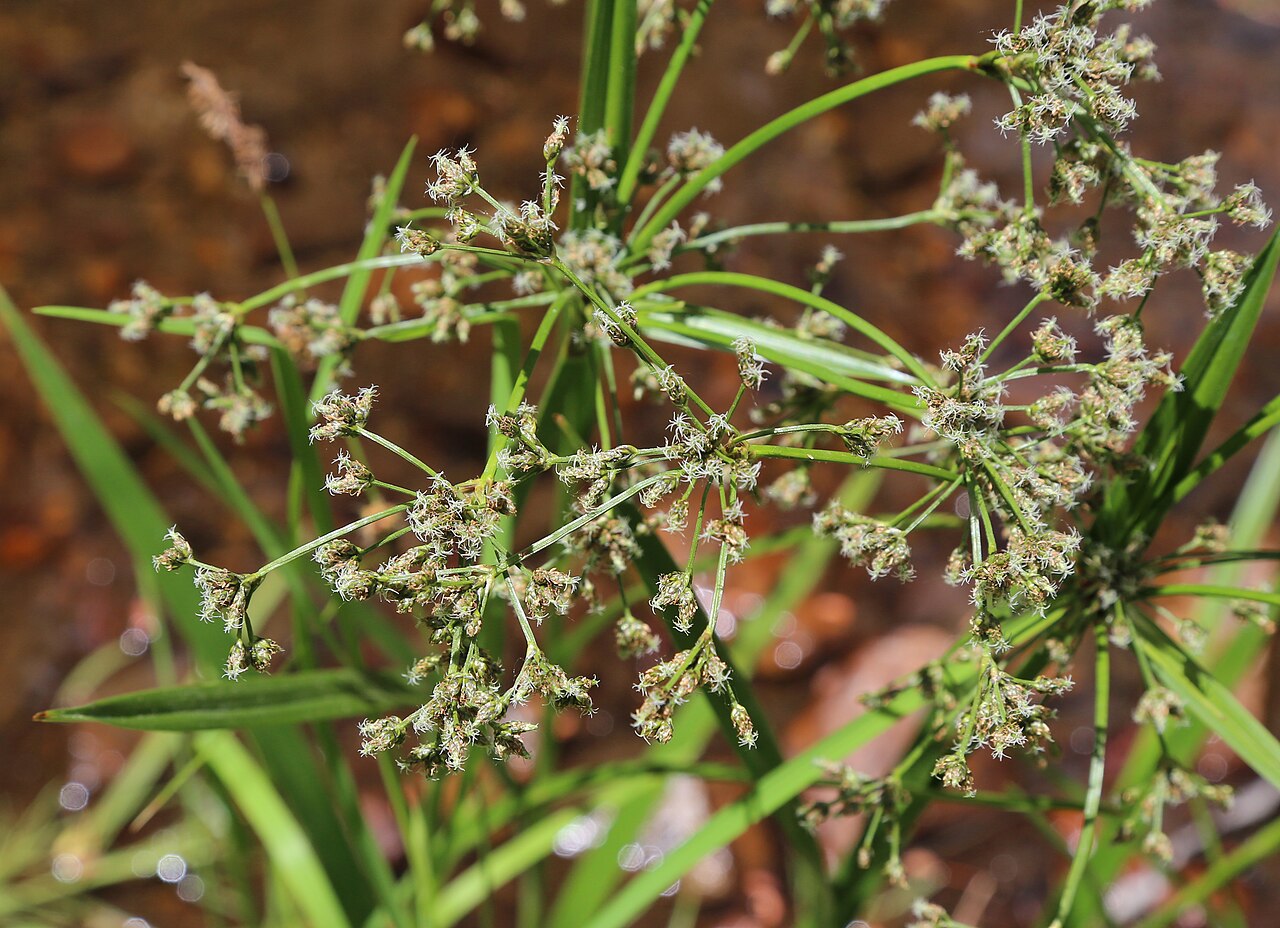
Scirpus microcarpus, commonly known as panicled bulrush (also called smallfruit bulrush or barberpole bulrush), is a robust, clump-forming sedge found across a remarkable swath of North America, from the wetlands of Alaska and Canada south through the Pacific states and into the northern Rockies. A member of the Cyperaceae (sedge family), it is one of the most widely distributed native wetland graminoids on the continent, forming dense, erect stands in the moist, saturated soils of stream edges, marshes, and wet meadows.
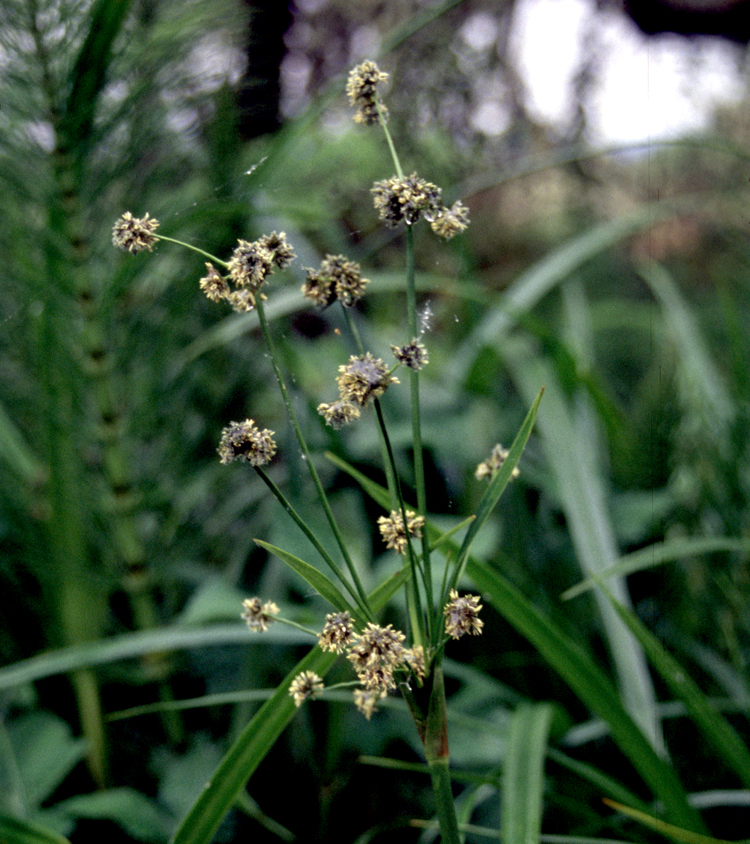
Panicled bulrush grows from spreading rhizomes into tall, three-angled stems often exceeding 3 feet, topped by loose, branching clusters of small, leafy-bracted spikelets that give the plant its “panicled” name. Though it lacks showy flowers, its architectural form and reliable spread make it a valuable structural plant in wetland and rain garden plantings, as well as an important component of natural riparian and marsh vegetation.
For gardeners and restoration practitioners working in consistently moist to wet soils across much of the western and northern United States, panicled bulrush offers a tough, fast-establishing native sedge for pond margins, rain gardens, bioswales, and wetland mitigation projects, with genuine wildlife value to match its practical landscape uses.
Identification
Panicled bulrush is a perennial, rhizomatous sedge producing dense to loose clumps of erect, three-angled stems that commonly reach 3 to 5 feet (1–1.5 m) tall, occasionally more under favorable conditions. The plant spreads steadily via a long creeping rhizome system, gradually forming substantial colonies in suitable wet habitat.
Stems & Leaves
The stems are erect, stout, and sharply three-angled in cross-section — a classic sedge characteristic (“sedges have edges”). Leaves are grasslike, flat, and arise both from the base of the plant and higher up along the stem, sheathing the stem at their base. Foliage is a rich medium to dark green through the growing season.
Flowers & Inflorescence
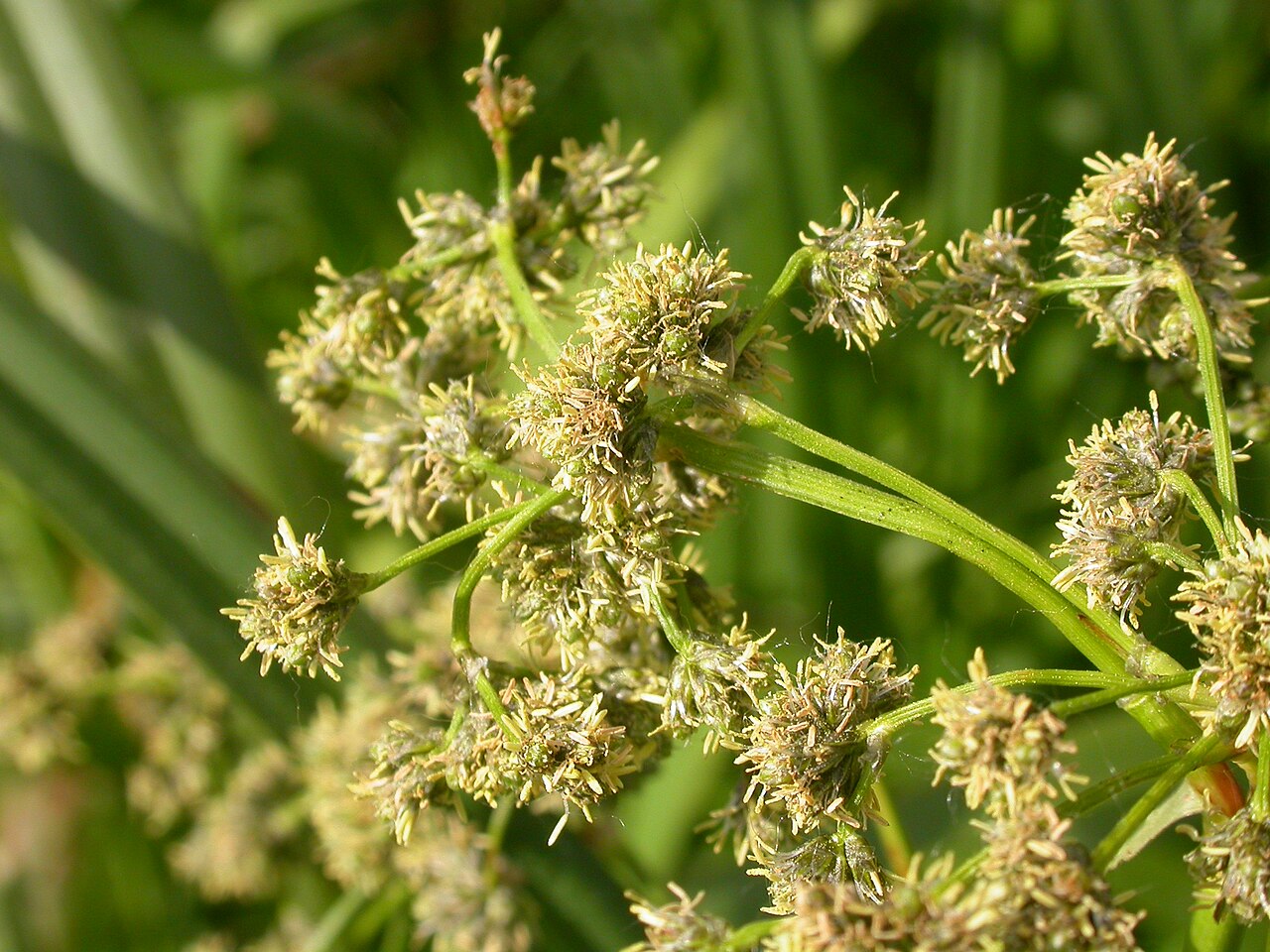
The inflorescence is a loose, branching panicle (hence “panicled” bulrush) bearing numerous small clusters of spikelets on slender, spreading branches, interspersed with leaflike bracts. Individual spikelets are small and brownish, lacking showy petals as is typical of sedges, but the overall branched, drooping form of the inflorescence gives mature plants a graceful, fountain-like appearance in mid to late summer.
Fruit & Seeds
The fruit is a small, pale, smooth achene less than 2 mm long, produced in abundance within the spikelets and dispersed by water, wind, and wildlife through fall and winter. Seed production combined with vigorous rhizome spread allows panicled bulrush to colonize suitable wetland sites quickly.
Quick Facts
| Scientific Name | Scirpus microcarpus |
| Family | Cyperaceae (Sedge) |
| Plant Type | Perennial, rhizomatous wetland sedge |
| Mature Height | 3–5 ft (1–1.5 m) |
| Mature Spread | Spreading; colonies expand by rhizome |
| Growth Rate | Fast |
| Sun Exposure | Full Sun to Part Shade |
| Water Needs | High; wet to saturated soil or shallow standing water |
| Soil Type | Wet, saturated; muck, silt, or sandy wetland soils |
| Soil pH | 5.5–7.5 |
| Bloom Time | Late spring – mid-summer |
| Flower Color | Brownish (inconspicuous) |
| Fall Color | Tan |
| Fruit | Small pale achenes |
| Deer Resistant | Yes (generally unpalatable) |
| USDA Hardiness Zones | 3–9 |
Native Range
Panicled bulrush has one of the broadest native ranges of any North American wetland sedge, occurring from Alaska across much of Canada to the northeastern United States, throughout most of the central and western states, and south into Baja California, Mexico. It is especially common and widespread across the Pacific states, the northern Rockies, and the Great Lakes region.
Within this vast range, panicled bulrush grows in a wide array of moist and wet habitats: streambanks, lake and pond margins, marshes, wet meadows, seeps, and roadside ditches. It tolerates both full sun and partial shade, and thrives in soils ranging from shallow standing water to consistently saturated but not permanently flooded ground.
Because its native range is so extensive, gardeners and restoration practitioners should confirm local native status before planting panicled bulrush in a given project area, though it is a well-documented native component of wetland plant communities across most of the western and northern United States, including California, Nevada, Alaska, Idaho, and Montana and Wyoming.
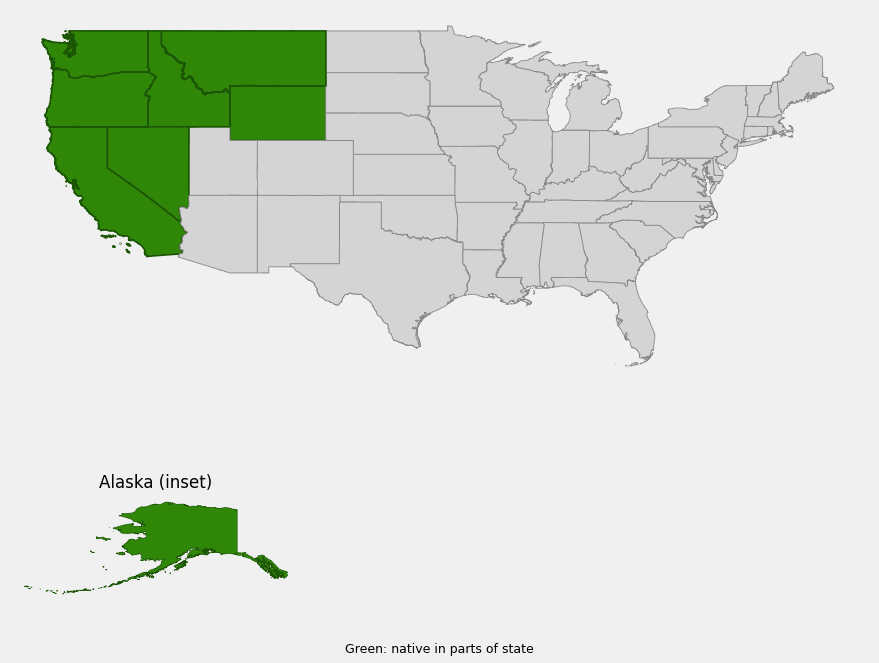
📋 Regional plant lists featuring Panicled Bulrush: California & Nevada · Alaska · Idaho, Eastern Oregon & Eastern Washington · Montana & Wyoming
Growing & Care Guide
Panicled bulrush is an easygoing, fast-establishing sedge for consistently wet sites, requiring little more than the right moisture conditions to thrive.
Light
This sedge performs well in full sun to partial shade. In hotter, drier climates within its range, some afternoon shade helps keep foliage looking its best through summer.
Soil & Water
Panicled bulrush needs consistently wet to saturated soil and tolerates shallow standing water up to a few inches deep. It is not drought-tolerant and should not be planted in soils that dry out between waterings. Pond margins, rain garden basins, bioswales, and streambank plantings all suit its moisture requirements well.
Planting Tips
Plant from container stock or rhizome divisions in spring, setting plants at the same depth they were growing previously and watering in thoroughly. Space plants 18 to 24 inches apart to allow for the plant’s vigorous rhizomatous spread, which will fill gaps naturally within a season or two in favorable wet conditions.
Pruning & Maintenance
Cut back old stems in late winter before new growth emerges to keep plantings tidy; this is optional in naturalistic wetland settings. Because it spreads by rhizome, panicled bulrush may need occasional thinning or edging in smaller designed landscapes to keep it within bounds.
Landscape Uses
Panicled bulrush is a workhorse plant for a range of wet-site landscape and restoration needs:
- Pond and stream margin plantings
- Rain gardens and bioswales
- Wetland mitigation and restoration projects
- Erosion control on wet, unstable streambanks
- Naturalistic marsh and wet meadow gardens
Wildlife & Ecological Value
As a dominant wetland sedge across much of its vast range, panicled bulrush provides essential habitat structure and food resources in the riparian and marsh communities where it grows.
For Birds
Waterfowl and marsh birds use the dense stands of panicled bulrush for nesting cover and forage on the abundant small seeds produced each season. The tall, clumping growth habit offers excellent concealment for ground-nesting wetland species.
For Mammals
Muskrats and other semi-aquatic mammals feed on the rhizomes and shoots of panicled bulrush, and the dense stands provide cover for a range of wetland-associated mammals moving along stream corridors and marsh edges.
For Pollinators & Insects
While wind-pollinated and not a nectar source, panicled bulrush stands support a diversity of wetland insects, which in turn provide food for insectivorous birds and amphibians that depend on healthy riparian vegetation.
Ecosystem Role
Panicled bulrush plays a significant role in stabilizing streambanks and wetland soils with its extensive rhizome network, reducing erosion and filtering sediment and nutrients from runoff before it reaches open water. As one of the most widespread native wetland sedges in western North America, it is a foundational species in the riparian and marsh plant communities that support broader wetland biodiversity.
Cultural & Historical Uses
Bulrushes in the genus Scirpus, including panicled bulrush, have a long history of use among Indigenous peoples across North America, who historically wove the long, flexible stems into mats, baskets, and cordage, and used various bulrush species as part of traditional wetland resource management. The sturdy, fibrous stems of panicled bulrush made it a practical material wherever it grew in sufficient abundance along streams and marshes.
Beyond fiber use, wetlands dominated by bulrush species have long been recognized as important sites for waterfowl hunting and plant gathering by Indigenous communities throughout the plant’s range, reflecting the broader ecological value these wetland sedges provide to both wildlife and people.
In recent decades, panicled bulrush has become a staple species in wetland restoration and stormwater management projects across the western United States, valued by restoration ecologists and landscape designers for its fast establishment, reliable performance in wet soils, and genuine wildlife habitat value — practical virtues that echo its historical importance to the communities who lived alongside it.
Frequently Asked Questions
Can panicled bulrush grow in standing water?
Yes, it tolerates shallow standing water up to a few inches deep, in addition to consistently saturated soil. It is not suited to deep water or to soils that dry out regularly.
Will panicled bulrush spread aggressively in my garden?
It spreads by rhizome and can form substantial colonies in favorable wet conditions, so plan for its mature spread or be prepared to edge and thin plantings in smaller, designed landscapes.
Is panicled bulrush the same as cattail?
No. Panicled bulrush is a sedge in the genus Scirpus with a branching, leafy-bracted flower cluster, quite different in appearance from the dense, cylindrical flower spike of true cattails (Typha species), though both are common wetland plants.
Does panicled bulrush need full sun?
No — it tolerates full sun to partial shade well, as long as its moisture needs are met.
Is panicled bulrush native to my area?
It has an unusually broad native range across Alaska, Canada, and much of the western and northern United States. Check local sources to confirm, since its presence and abundance vary by region within this large range.